New in @JVirology: How does the human norovirus particle assemble?
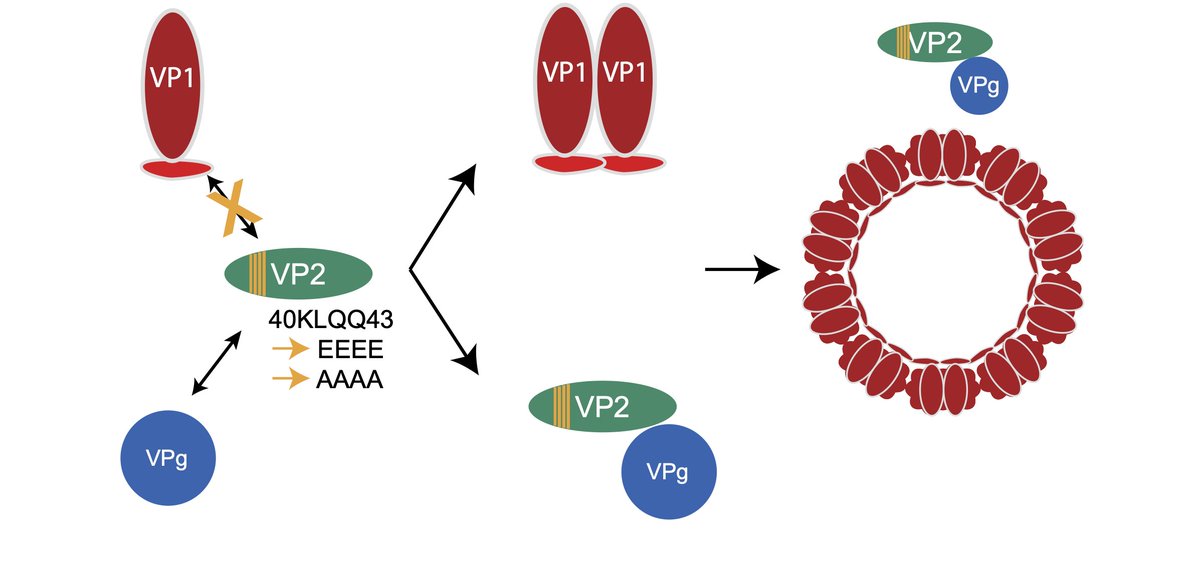
Particle assembly is facilitated by VP2 acting as a molecular bridge. We also share intriguing features making pandemic HuNoV VP2 unique in structure and sequence. https://t.co/hcIC7bY3kh
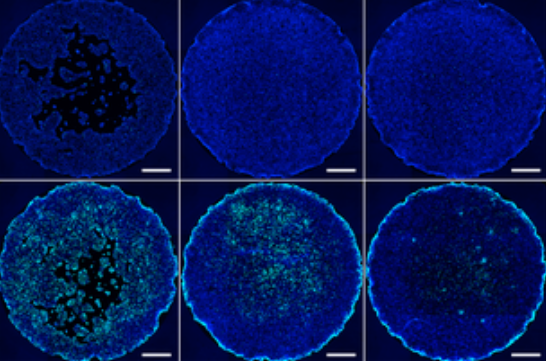
We are excited to share a breakthrough in #Norovirus research today! Inhibiting chemokine receptor signaling enables sustained GII.3 HuNoV replication and passaging in human intestinal enteroids, read here:
https://t.co/EW4SgnsDiO
Published today!
👉 https://t.co/O3G97KzkGo
Our study reveals diversity in how GII.4 human noroviruses enter intestinal cells by making distinct clusters on the cell surface and identifies key residues on the virus capsid mediating entry and clustering
@PNASNews@BCMFromtheLabs
Check out our latest publication by Dr. Ettayebi et al. reporting new insights in HuNoV cultivation in human intestinal enteroids: https://t.co/xBTtFyAPaN
Many unique enteroids cultures were evaluated, you may find these data useful for further optimizing HuNoV cultivation!
Congratulations to Dr. Miranda Lewis who defended her dissertation and completed her PhD! 🥳
Next, she will be a postdoctoral researcher at MSKCC with Dr. Gretchen Diehl.
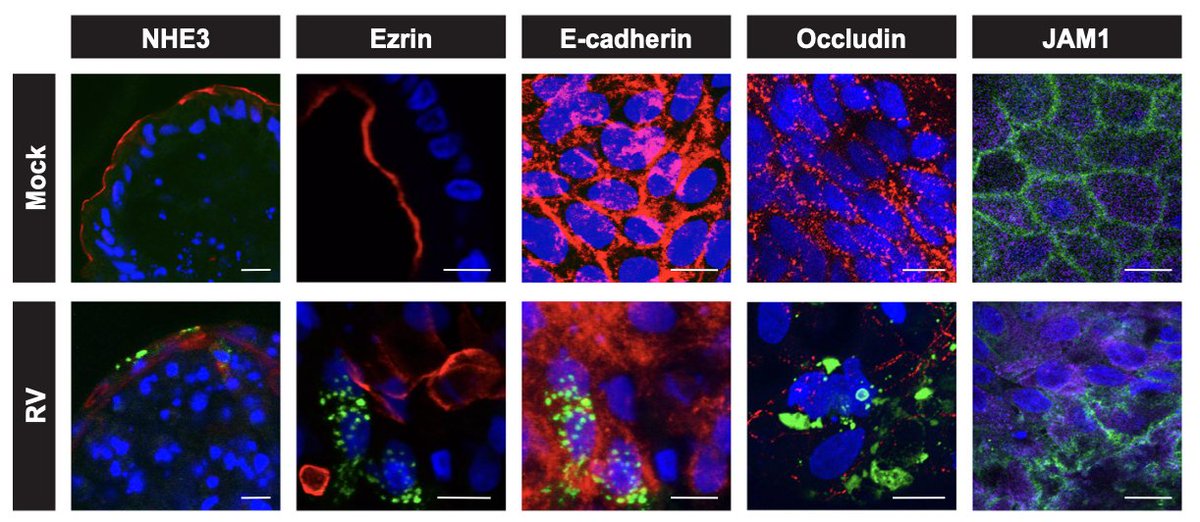
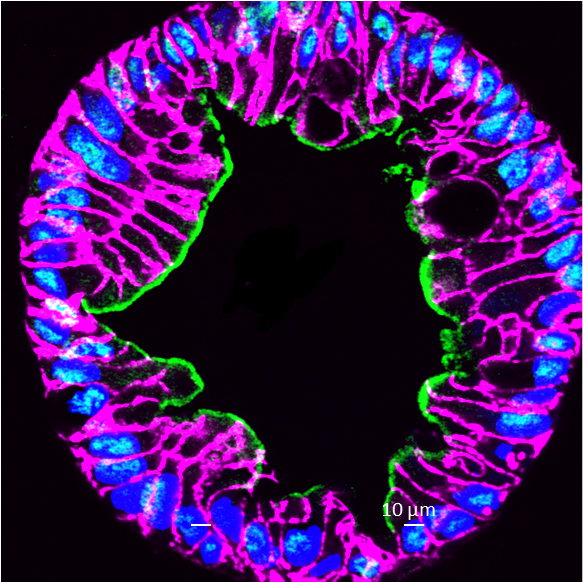
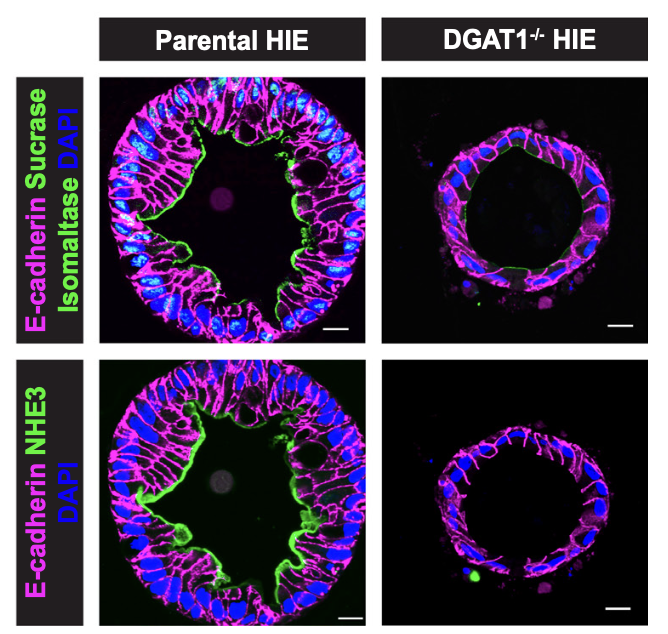
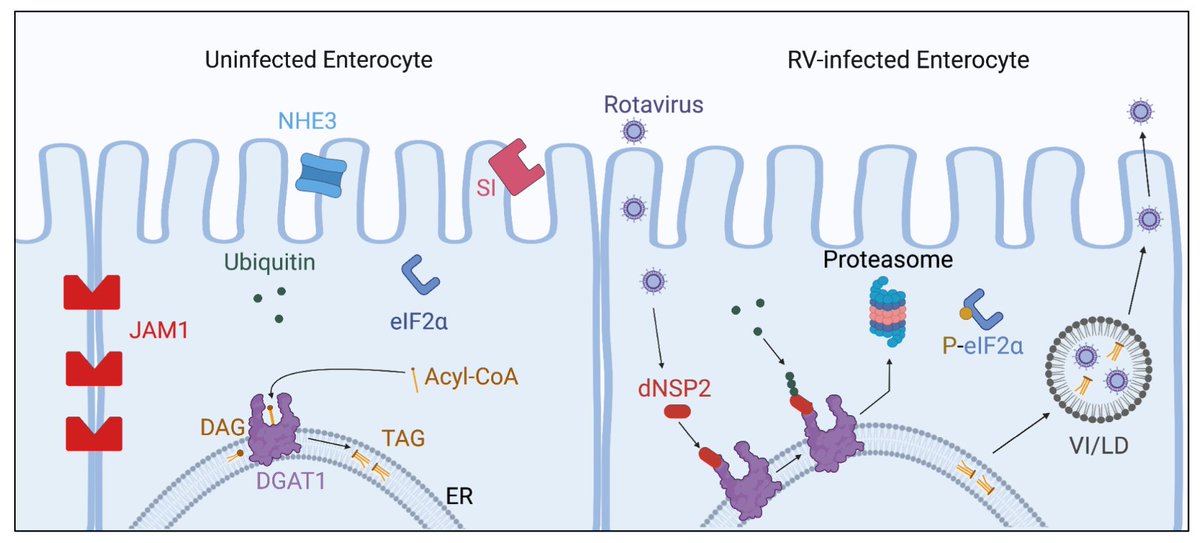
The loss of sucrase isomaltase, villin, NHE3, tight junction proteins (ezrin) and cell adhesion molecules (E-cadherin), leads to malabsorptive diarrhea. A similar phenotype is observed in DGAT1 knock out human intestinal organoids. (3/3)
Check out this publication by co-authors Dr. Zheng Liu and Hunter Smith @huntrsmith and Dr. Sue Crawford!
https://t.co/N3xnRBUPRi
This shows a new pathophysiological mechanism for rotavirus (RV)-induced malabsorptive diarrhea.
@BCMfromthelabs@bcm_gihep (1/3)
The triacylglycerol synthesizing enzyme DGAT1 is degraded during RV infection of intestinal cells, resulting in decreased expression of key proteins involved in nutrient absorption. (2/3)