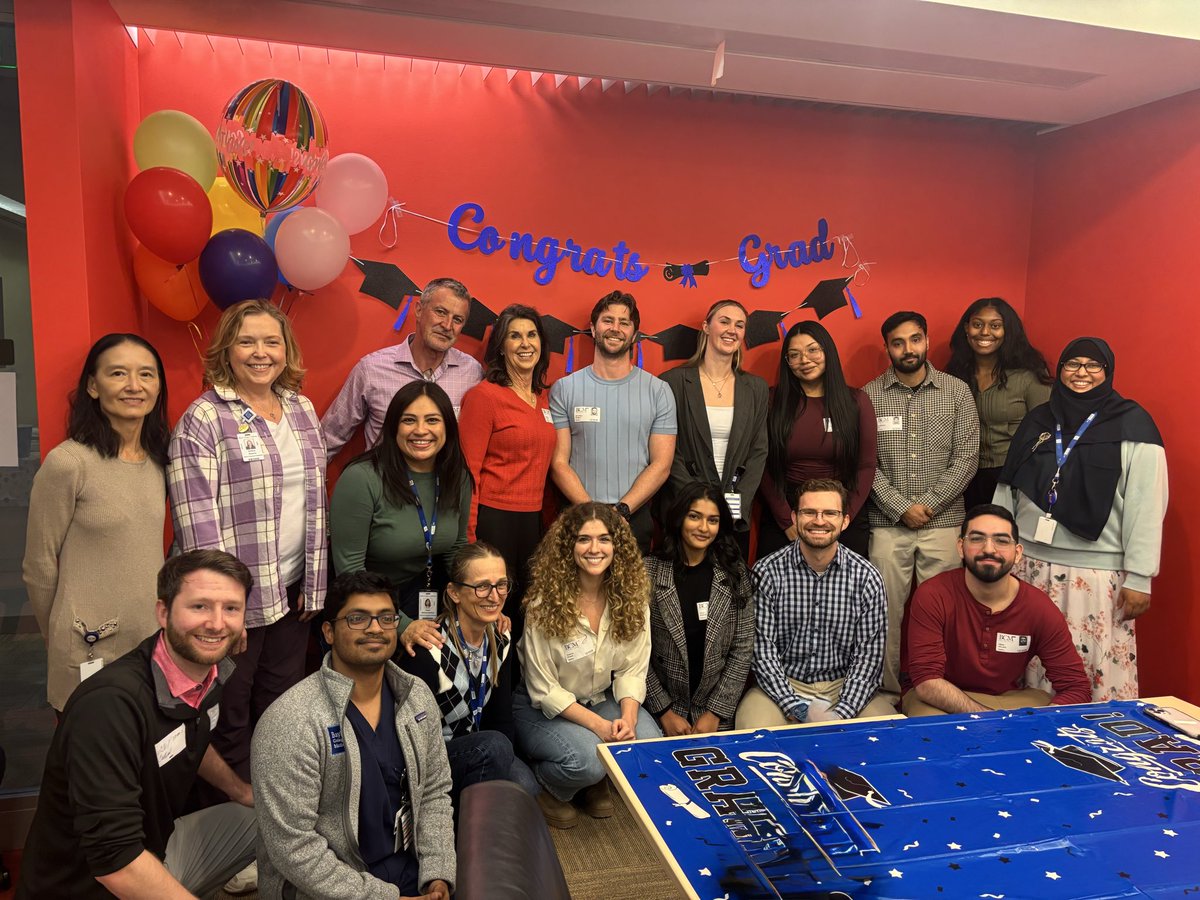
Our newly minted Dr. Powell!! @hannpowell96
It has been a true honor to be part of your journey and to watch you grow into the remarkable scientist you are today. Congratulations on this tremendous achievement! #ProudPI
I am deeply grateful for our exceptional lab family, whose constant support for one another makes milestones like this even more meaningful. @BCMFromtheLabs@BCMDeptMedicine@bcmhouston@BCMGradSchool Greatful to Hannah’s incredible thesis committee @CCoarfa@DamianYoung29@nelsondl #MargotWilliams @spangas@FredAPereiraBCM
(1/n) Our article is out in @NatureComms! We set out to examine the contribution of the Let-7 microRNA over alveolar type 2 (AT2) stem cell plasticity in genesis of pulmonary injury and fibrosis in work led by @MJSeasock and Shafiq in my lab.
Paper: https://t.co/iqF9N5UNYg
👇
This is an amazing paper from the groups of @anshulkundaje & Scott Boyd and an example of how AI can be used well in biology. Basically, they are able to predict disease status (e.g. lupus, Covid, HIV, influenza) from BCRseq and TCRseq. I think this has great implications.
Today, in collaboration w/ colleagues at the Institute of Science and Technology Austria (ISTA), we report the first-ever method for using light microscopy to comprehensively map all the neurons & their connections in a block of mouse brain tissue. More →https://t.co/i8wWRgPidU
Thank you @naliphd for this exciting collaboration on inflammasome activation in heart failure. This article, among many strengths, follows up very creatively and convincingly on cell-cell communication alterations inferred using scRNASeq data @BCMFromtheLabs
Better late than never — our paper revealing that fibroblast NLRP3 activation promotes atrial myopathy and diastolic dysfunction is now out in #JACC: Basic to Translational Science!
https://t.co/wuTLLwS13h
🤝@CCoarfa@StanleyNattel#DobromirDobrev
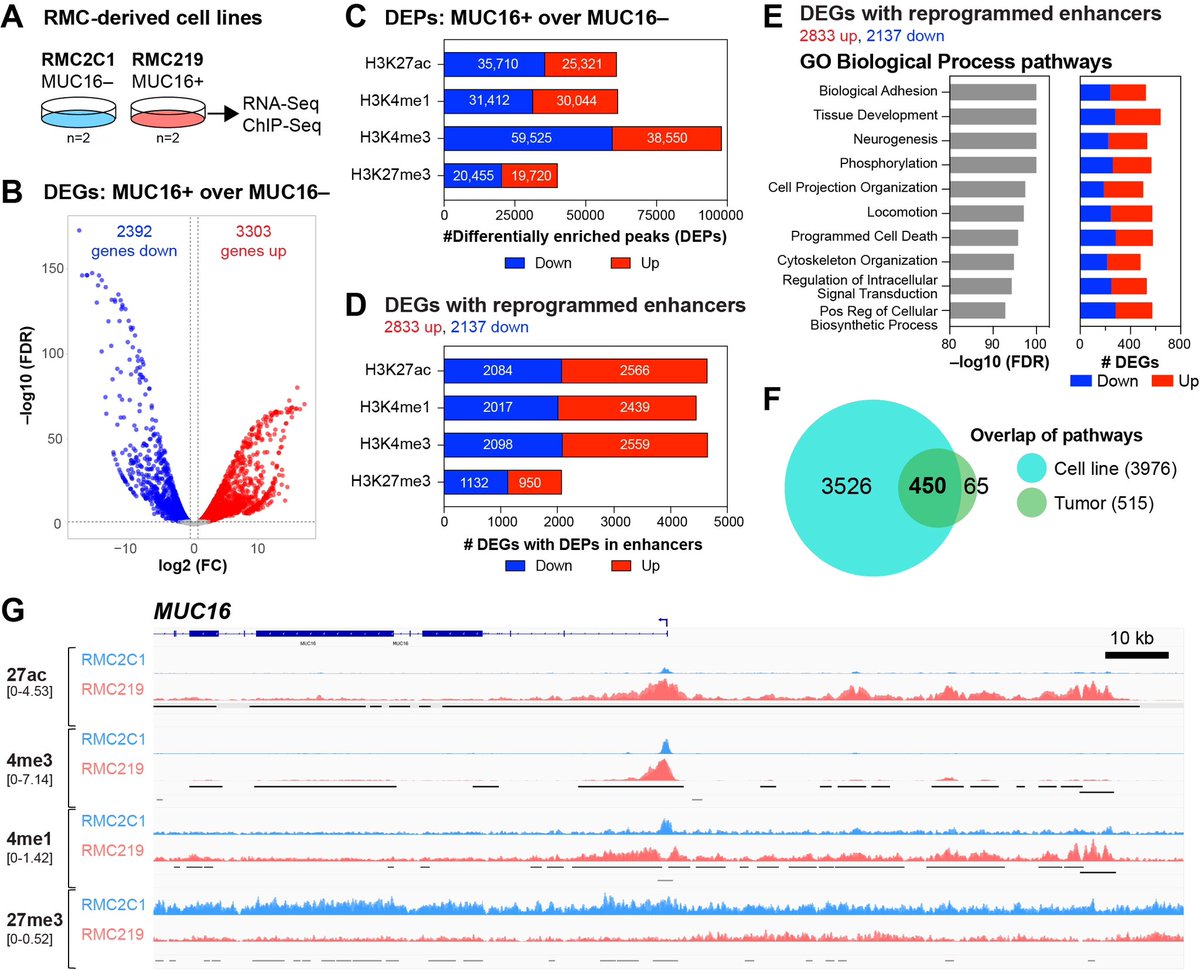
Impactful work with the @PavlosMsaouel lab, based on epigenomic and transcriptomic integration. We know that science is beautiful, and when editors pick our figures for cover it it further confirms it 🫶
👇The @CCR_AACR cover below is a #RenalMedullaryCarcinoma cell expressing MUC16 (CA-125) in green and actin red with overlapping regions in yellow. Photo taken by Menuka Karki #MsaouelLab and also featured in our art contest led by @ED_PhD_ Full article: https://t.co/yAt2IH84eZ
Interested in single cell genomics but need help getting started? Check out my lab's Single Cell Genomics Day on April 25. Talks will feature recent exciting computational and experimental advances and will be live-streamed at https://t.co/zG98gkckMU. Please RT/spread the word!
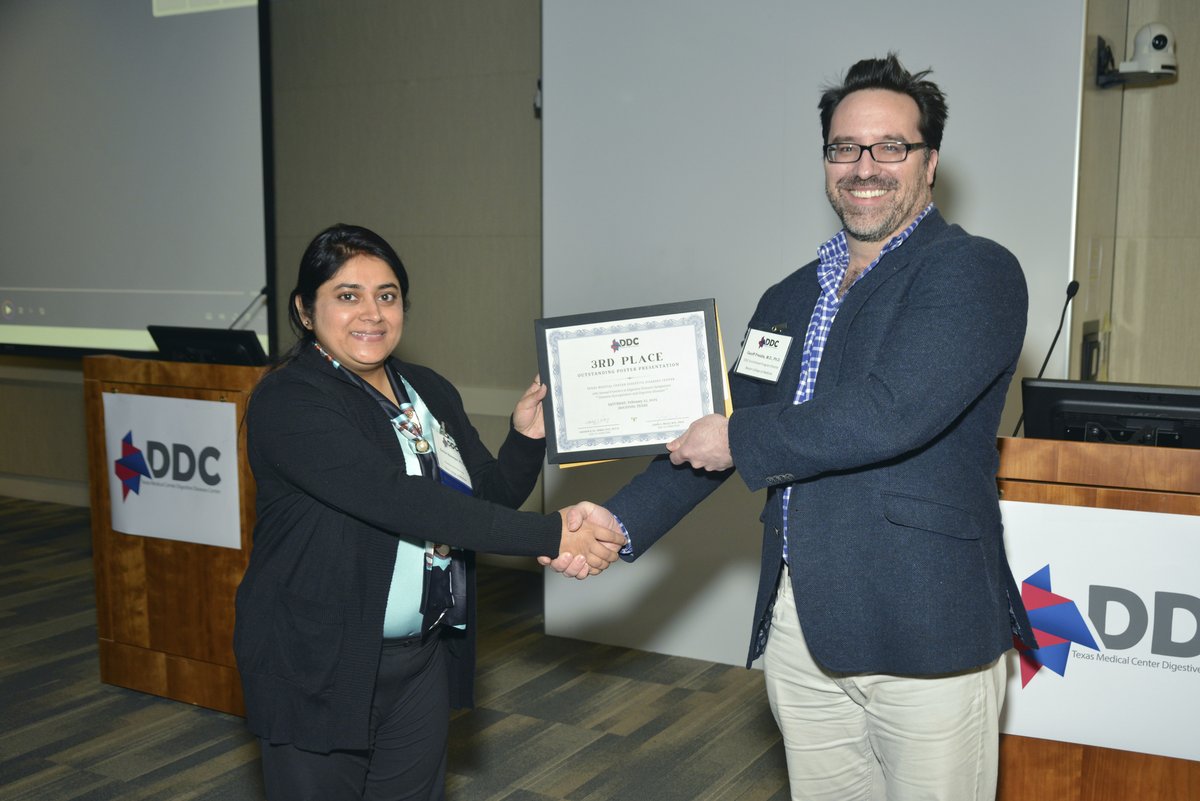
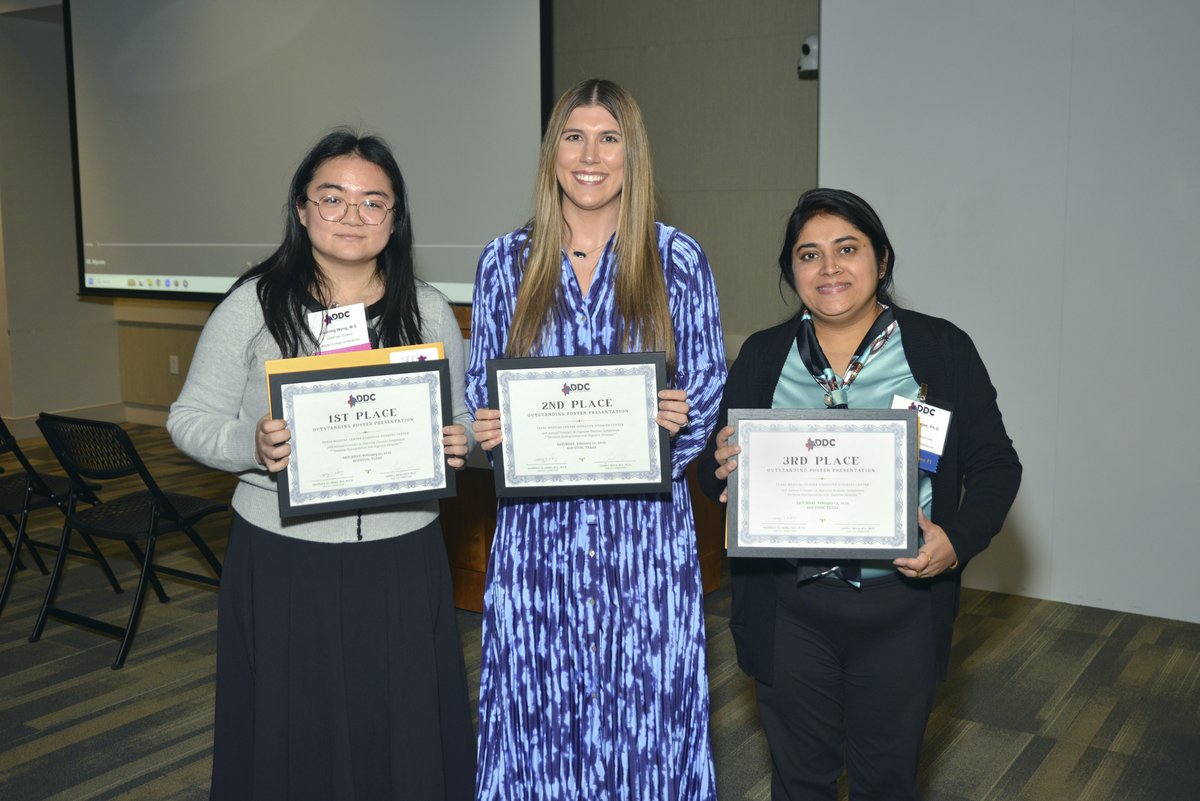
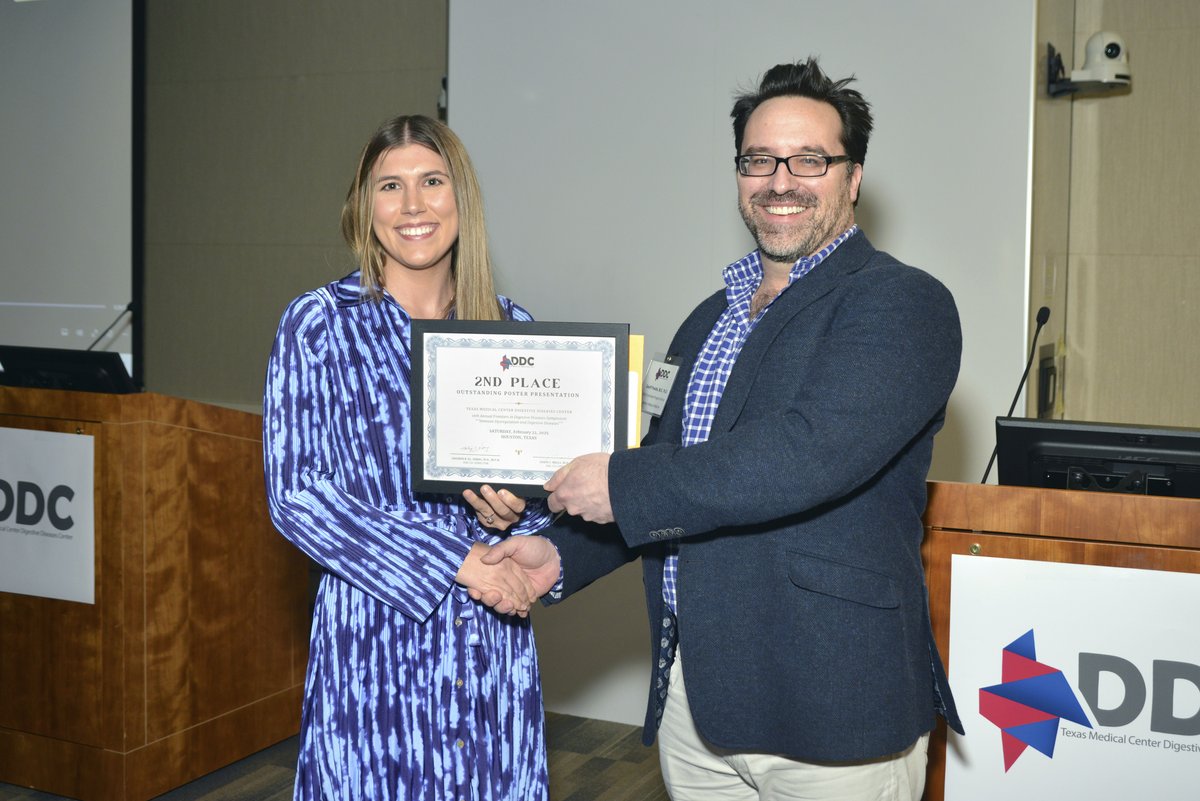
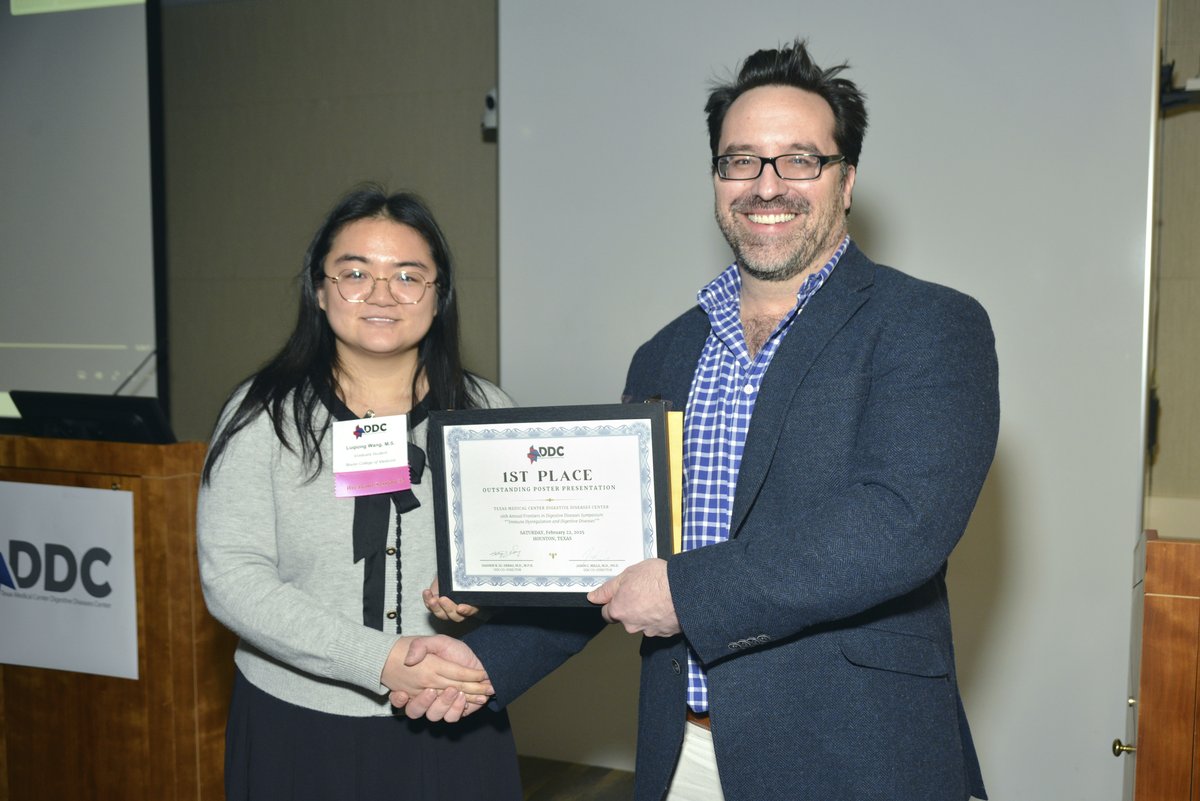
Congratulations to our #GIresearch symposium poster contest winners!
🥇 Luqiong Wang, @bcmhouston
🥈 Lauren Lynch, Baylor College of Medicine
🥉 Sohini Banerjee, Baylor College of Medicine
It was close competition! We're lucky to have so many scientists at our institutions 🤠
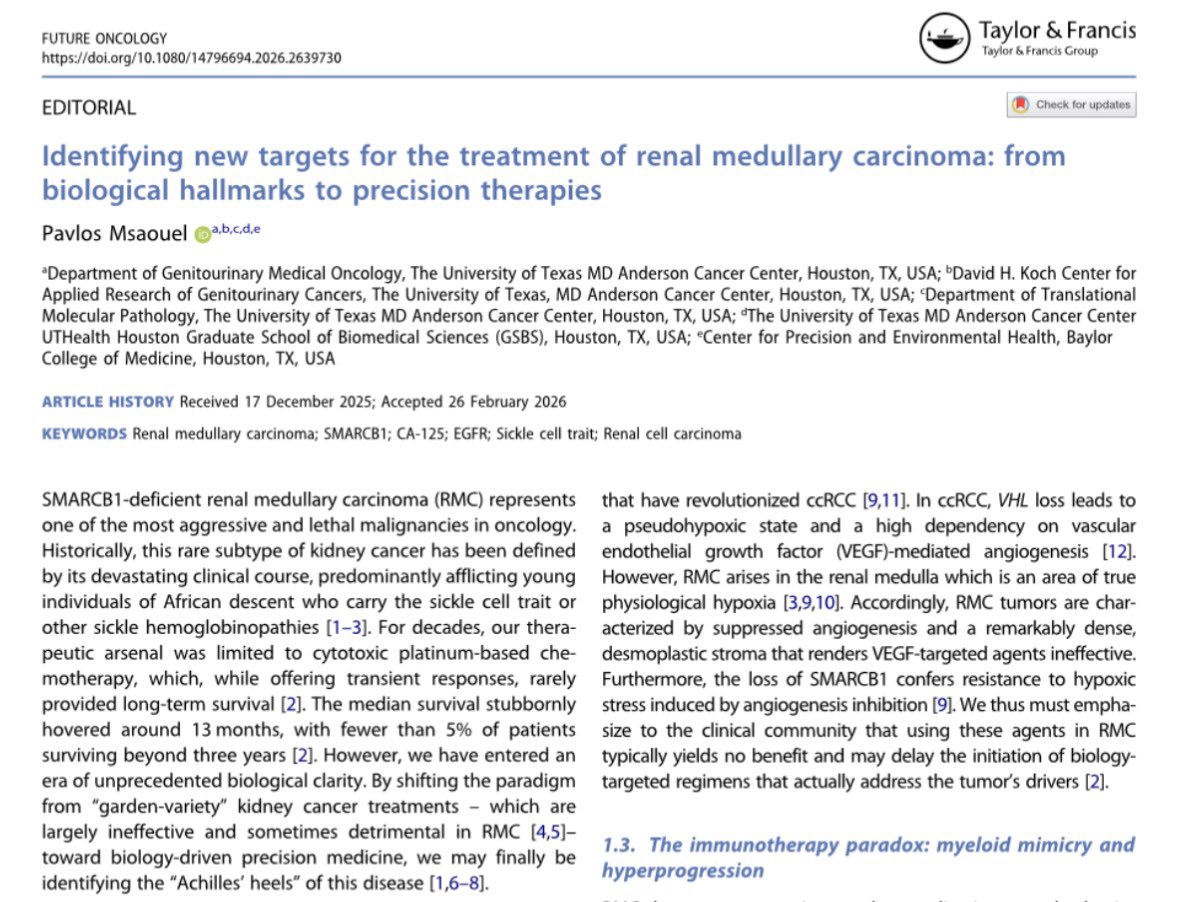
CA-125 as a Biomarker in Renal Medullary Carcinoma: Integrated Molecular Profiling, Functional Characterization, and Prospective Clinical Validation
out on Clinical Cancer Research
https://t.co/0ICWF4mhw6
This study explores potential biomarkers 🧬for early detection and disease monitoring of renal medullary carcinoma (RMC), a highly aggressive cancer primarily affecting young individuals of African descent with sickle cell trait🔬. Researchers performed integrated profiling of RMC tumor tissues and identified MUC16, the gene encoding cancer antigen 125 (CA-125), as significantly upregulated in RMC. Elevated serum CA-125 levels were observed in 66% of RMC patients and correlated with metastatic tumor burden. Functional studies demonstrated that restoring SMARCB1, a key tumor suppressor lost in RMC, reduced MUC16 expression.
These findings suggest that CA-125 could be a valuable biomarker for disease monitoring and treatment targeting in RMC. #KidneyCancer
@KyleBlumMD@JPBertok@DurgaNandTripat@JustinLebenthal@rahulshethmd@priyaraomd@LabGenovese@lazcano_rossana@ALazarMDPhD@CCoarfa@PavlosMsaouel@OncoAlert 🚨
Very grateful to see this study published, and also grateful for our collaboration with @PavlosMsaouel lab ! Next, an even deeper dive into the epigenetics of RMC