Another day, another feature shipped 🚀
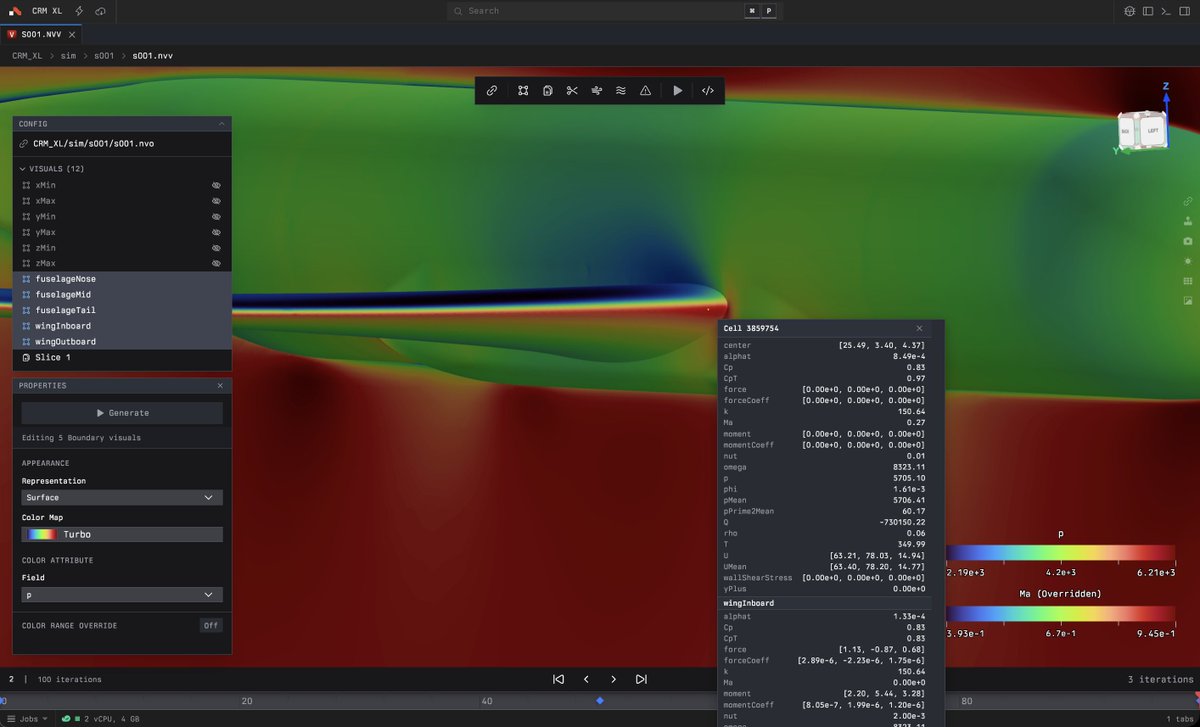
Visualizations are great, but engineers usually want the underlying numbers, peak pressures at a specific location, values to correlate against wind tunnel or test data.
Our platform now lets Engineers click any cell and pull every associated field value at that point. Works on large meshes, runs in the cloud.
The best hires are the ones you can delegate outcomes to, not tasks. Good hires come back with smart questions about the next step. Great ones just get the job done.
Every CFD engineer knows the pain of kicking off an overnight run, only to come back to diverged residuals, a bad mesh, or wasted compute.
@NavierAI's Agent monitors the run, catches issues, updates the setup, and restarts automatically. Finally starting to see the possibilities hands-free CFD.
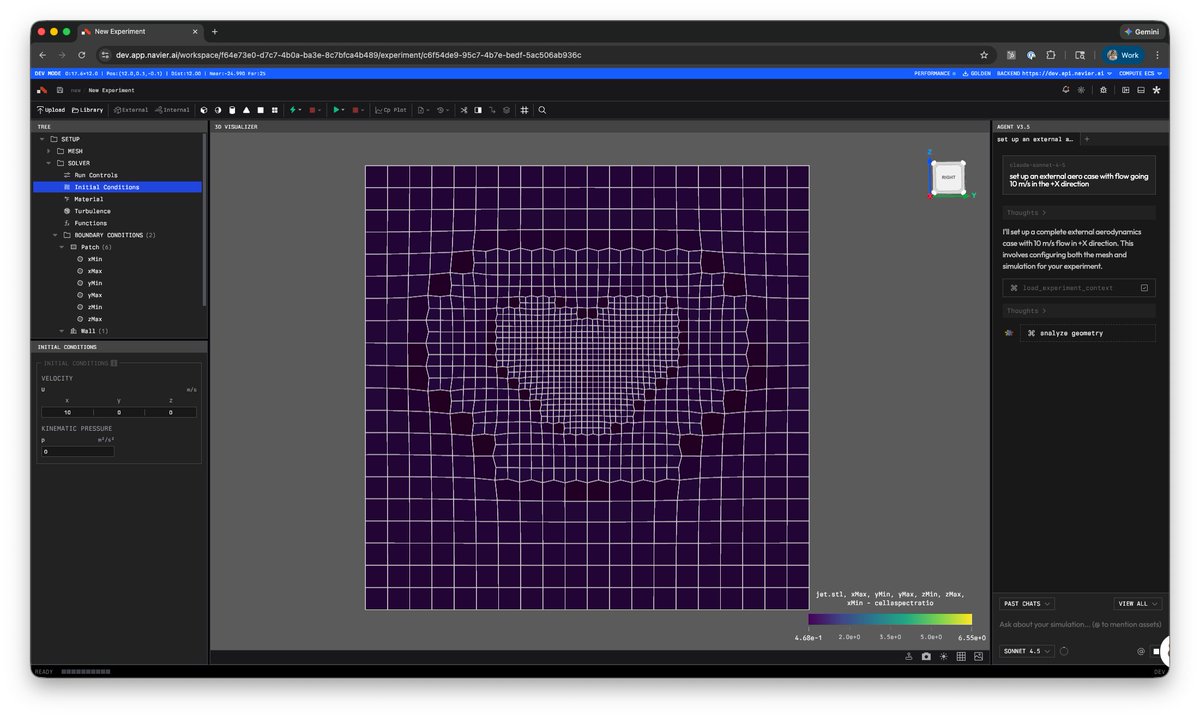
One prompt -> completed simulation.
No manual setup. No solver config from scratch. No digging through menus.
Our agent handled the meshing, refinement regions, boundary conditions, and solver setup end-to-end.
Less manual busywork, more engineering. All auditable
Some LC-36 updates. Now that we’ve had access to the pad and integration facility we can share a bit of good news. The propellant farm, oxygen, liquid hydrogen and LNG tanks are all in good shape. This is good luck because these are very long lead items. The water tower is also good. The big support tower is damaged, but it can be repaired in place rather than torn down and replaced. The booster “Never Tell Me The Odds” and the three GS-2s that were onsite in the integration facility also look good.
I’ve seen some speculation that we might move directly to the 9x4 configuration, but we won’t do that. Rate manufacturing of 7x2 is going well, and we’re going to continue that at pace as planned and store the stages for use. In addition, we had already been working for some time on eliminating our transporter-erector in favor of an alternative vertical conop, and we’ll now go directly to that; so we don’t need a new transporter-erector.
We will fly again before the end of this year. Gradatim Ferociter.
Asked Stokes, our CFD agent, to run a pitch and yaw sweep on a jet over dinner.
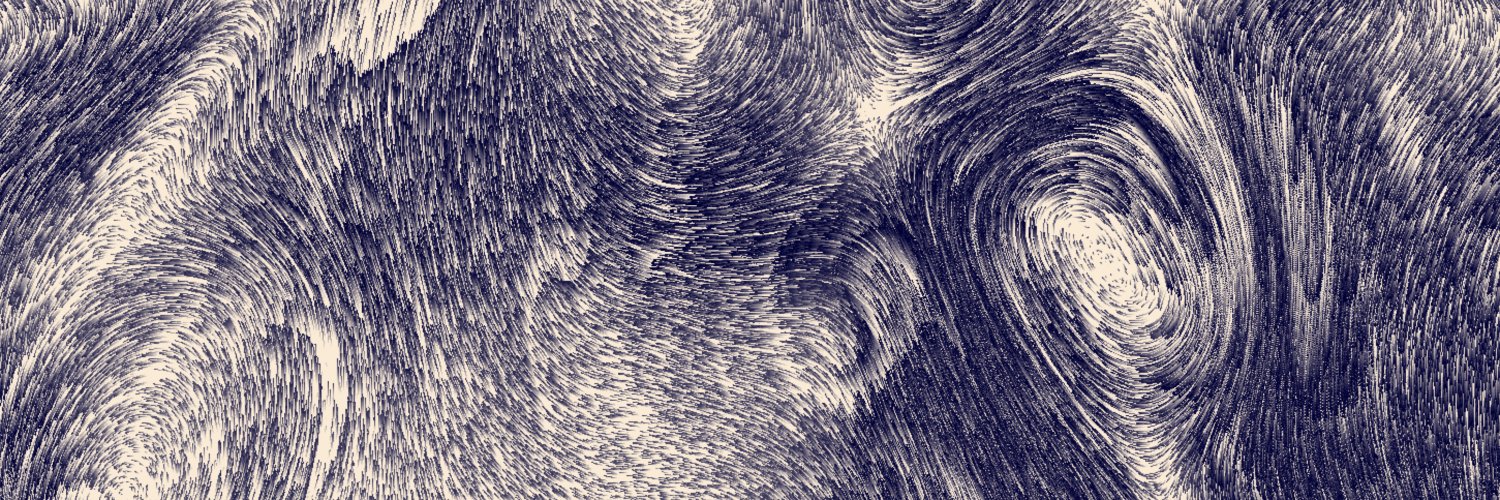
Came back to this beautiful visualization, generated through our built-in flipbooks feature.
Operating envelopes have never been easier to explore.
The Navier Agent turns one prompt into an end-to-end aero simulation workflow:
• Dynamic compute, up to 192 cores
• Run management
• Automated issue triage
• Report generation
We keep making it easier to pull valuable insights out of your CFD simulations. Our auto-generated flipbooks give your team a complete picture of the flow structure and are perfect to drop into a design review, a proposal, or a final report.
Monte Carlo analysis is how GNC engineers build confidence a vehicle will fly - or survive. Setting one up has always been a chore.
Stella collapses it into a single prompt. Histograms, scatter plots, sweeps back in minutes.
More campaigns. More confidence per engineering hour.
This is a good post. Interesting to see the fool's errand of companies building "AI plugins" on top of Solidworks, OnShape, and more.
Do they really think those companies would let a plugin take the AI portion of the value stack? As the solutions mature the labor savings and productivity gain is significantly more valuable than current license cost.
Been an obvious expectation the plugins would get deplatformed, or at best be so limited in data they can pull that eventual incumbent solutions are much much better than what a plugin could do.
Anyone successful will either own the full stack or own none of it.
We, @NavierAI, introduced Stella today—GNC library + AI agent for satellite and missile design.
Same code in sim. Same code in flight. The agent automates the iteration.
One codebase from sim to orbit (or threat).