Croydon: A city that was never quite a city, and the book that makes you care about it
➡️ https://t.co/7GorGqgL11
"Croydon?" sneered Kenneth Williams, "sounds more like an illness." Many might agree with this opinion, but maybe you'll downgrade it to a mild sniffle aft...
Sigh…
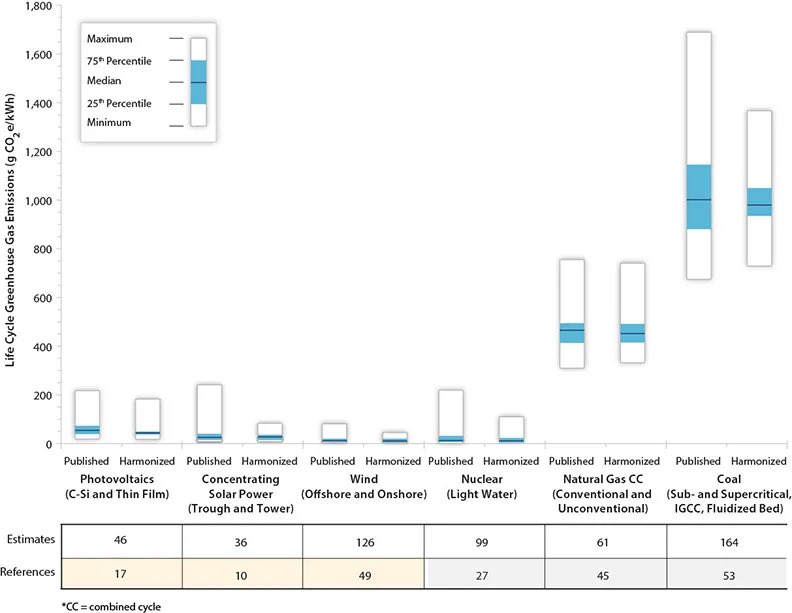
Wind has the lowest life cycle emissions of any energy generation type
What? You think coal, gas and nuclear power plants don’t use concrete and steel?
The new comet has passed its closest to the Sun and is now moving closer to the Earth. C/2023 A3 (Tsuchinshan–ATLAS) is currently moving out from inside the orbit of Venus and on track to pass its nearest to the Earth in about two weeks. Comet Tsuchinshan-ATLAS, pronounced "Choo-cheen-shahn At-less,", is near naked-eye visibility and easily picked up by long-exposure cameras. The comet can also now be found by observers in Earth's northern hemisphere as well as the south. The featured image was captured just a few days ago above Zacatecas, Mexico. Because clouds were obscuring much of the pre-dawn sky, the astrophotographer released a drone to take pictures from higher up, several of which were later merged to enhance the comet's visibility. Although the future brightness of comets is hard to predict, there is increasing hope that Comet Tsuchinshan-ATLAS will further brighten as it enters the early evening sky.
Image Credit & Copyright: Daniel Korona
Thread of 19 most unique bizarre buildings here on Earth which you have (probably) never seen or heard before..
1. The largest hotel in the world, with a staggering 10,000 rooms is currently under construction in Saudi Arabia
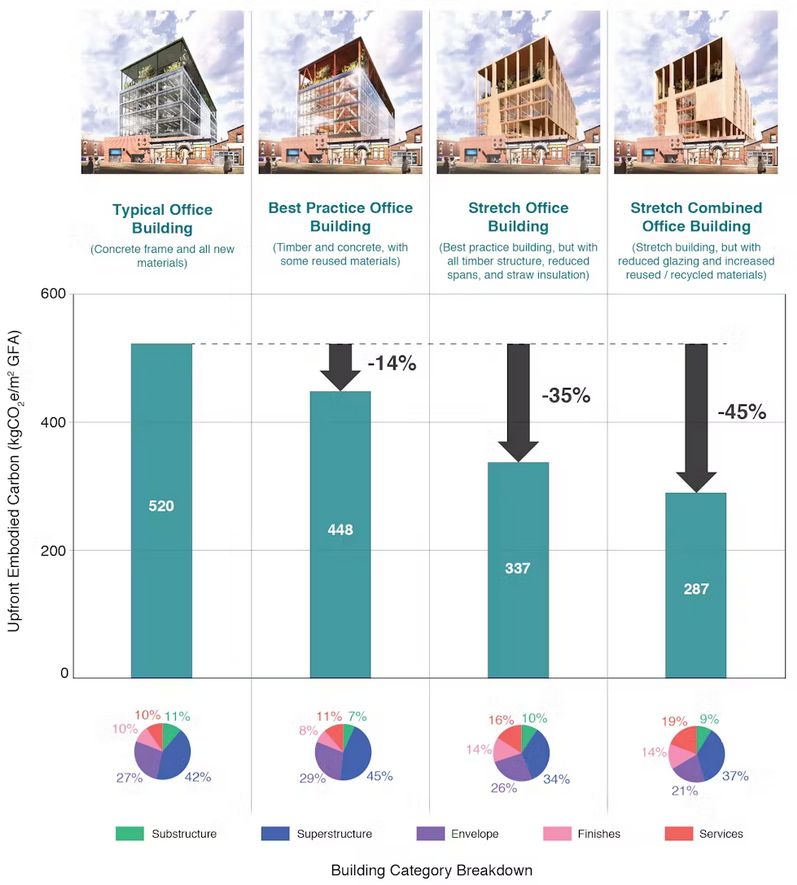
We know embodied carbon is important, but just how far can we reduce it? And can we get down to 'net zero embodied carbon'?
Our latest research seeks to answer these questions: https://t.co/dJYLZXQ8Xx
(full paper here: https://t.co/nOnEeDKbzk)
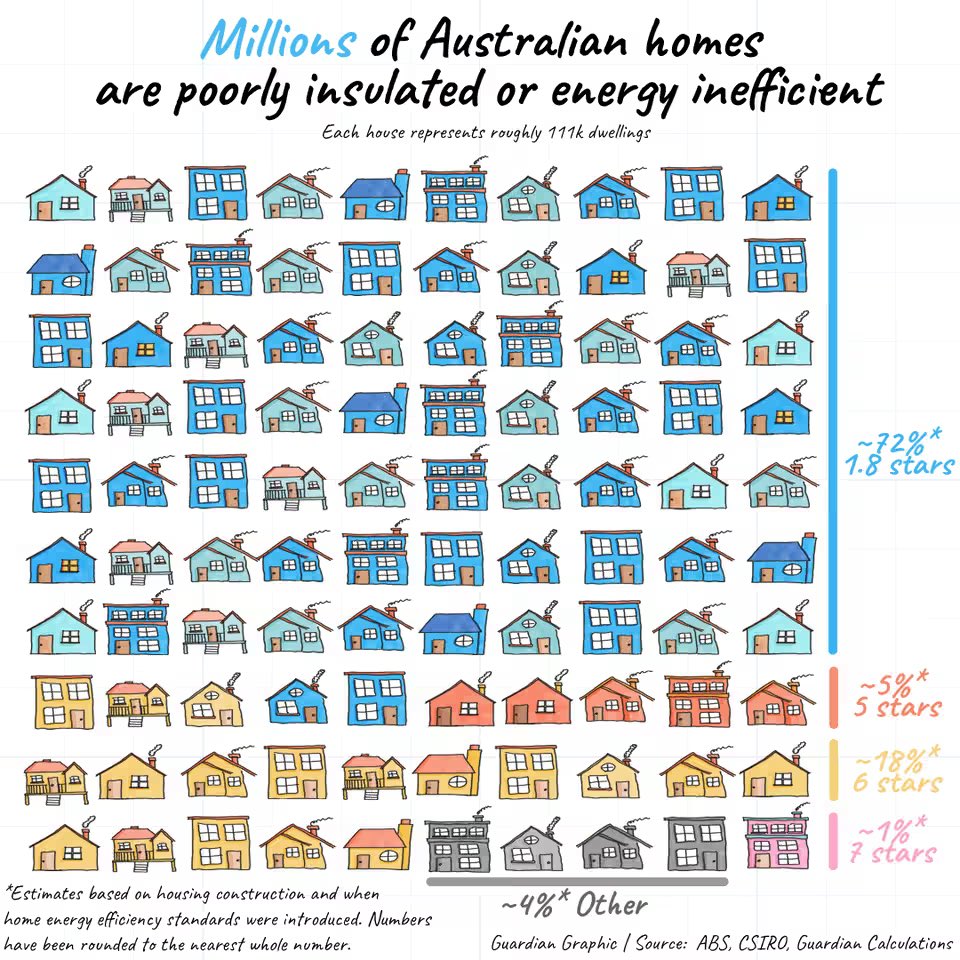
In Australia there is a rating system of how energy efficient your home is called NatHERS.
0 stars is like living outside. 10 stars is effectively having no energy bills. 7 stars is current minimum for new homes.
Estimates suggest 72% of homes lie below 1.8 stars. Shameful.
Scenes at Edgbaston where India are playing Pakistan but people are watching the England game.
2 sets of rival supporters united by their love of England!
#PakvsInd#ENGSUI#comeonengland#england
Well well…
“Two of the biggest developers in real estate said this week that buildings constructed using mass timber are leasing up faster and commanding premium rents compared with those solely using standard building materials”
https://t.co/Dy0R0wpD7l
Topics that make British people argue to the death:
Scones - jam or cream first
Pronunciation of scone
What baked beans belong on
Fry up rules
Roast dinner rules
What goes on chips
Milk first or last / how to make tea
Traffic rules (particularly merging)
Ketchup - fridge or cupboard
What to feed ducks
Where the north starts
Best and worst biscuits
Grammar - particularly commas
Dinner or tea
Shoes on or off in the house
Name of bread rolls
Self-checkouts - good or bad
Cyclists
Football
Anything to do with politics
Things British people simply have to mention when they see it, often prefixed with “ooh, look!”
-Cow
-Horse
-Sheep/lambs
-Dog (especially if particularly small or large)
-A big bee
-Train
-Rainbow
-Helicopter
-Plane
-Heavy traffic on the other side of the motorway
-The sea
-Sunshine
-Lightning
-Snow
-Fox
-Squirrel
-When their pet does a big stretch
-Yellow car
-Haircut
-For Sale sign on a neighbour’s house
-The first raindrop when eating outside
-Particularly big queue
-Hearse
-New houses being built
-Castle
Illustris: A Simulation of the Universe
Video Credit: Illustris Collaboration, NASA, PRACE, XSEDE, MIT, Harvard CfA;
Music: The Poisoned Princess (Media Right Productions)
Explanation: How did we get here? Click play, sit back, and watch. A computer simulation of the evolution of the universe provides insight into how galaxies formed and perspectives into humanity's place in the universe. The Illustris project exhausted 20 million CPU hours in 2014 following 12 billion resolution elements spanning a cube 35 million light years on a side as it evolved over 13 billion years. The simulation tracks matter into the formation of a wide variety of galaxy types. As the virtual universe evolves, some of the matter expanding with the universe soon gravitationally condenses to form filaments, galaxies, and clusters of galaxies. The featured video takes the perspective of a virtual camera circling part of this changing universe, first showing the evolution of dark matter, then hydrogen gas coded by temperature (0:45), then heavy elements such as helium and carbon (1:30), and then back to dark matter (2:07). On the lower left the time since the Big Bang is listed, while on the lower right the type of matter being shown is listed. Explosions (0:50) depict galaxy-center supermassive black holes expelling bubbles of hot gas. Interesting discrepancies between Illustris and the real universe have been studied, including why the simulation produced an overabundance of old stars.
This is very cool from EPFL
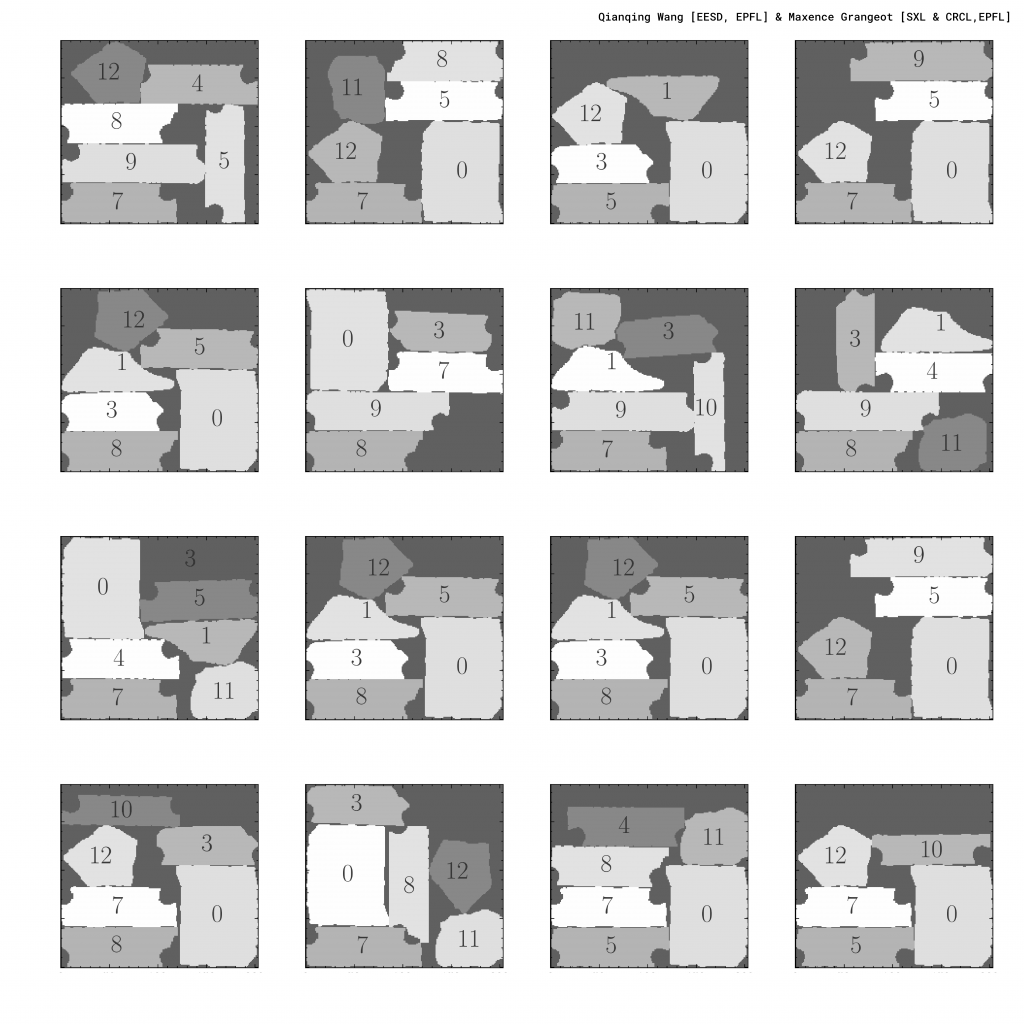
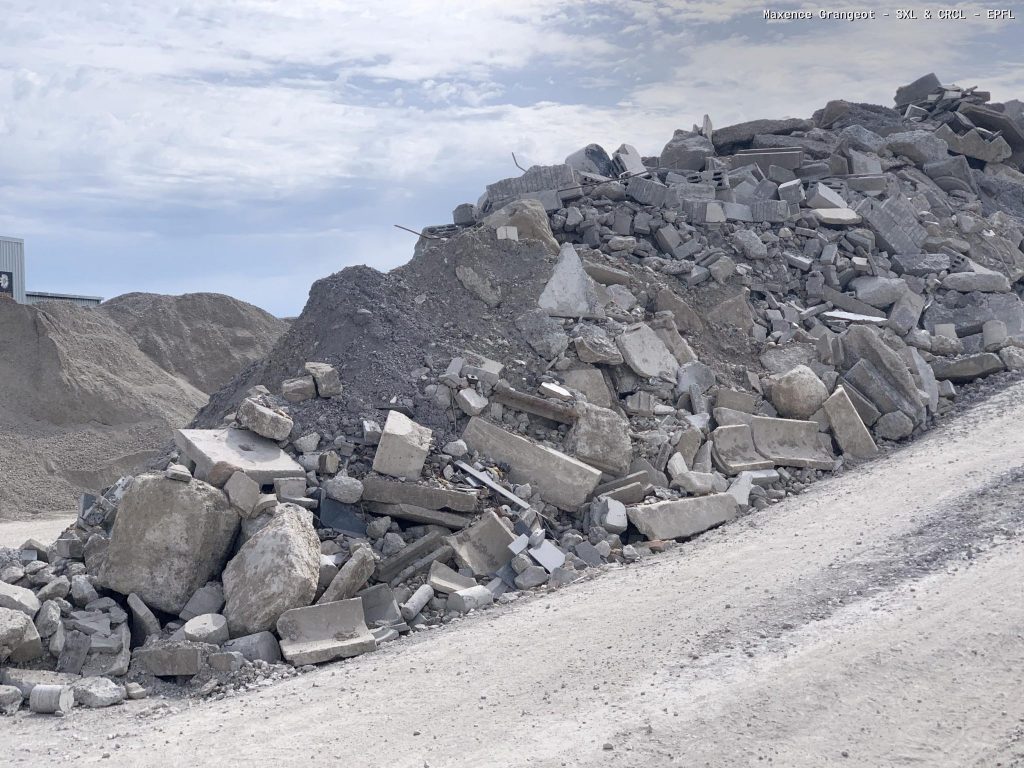
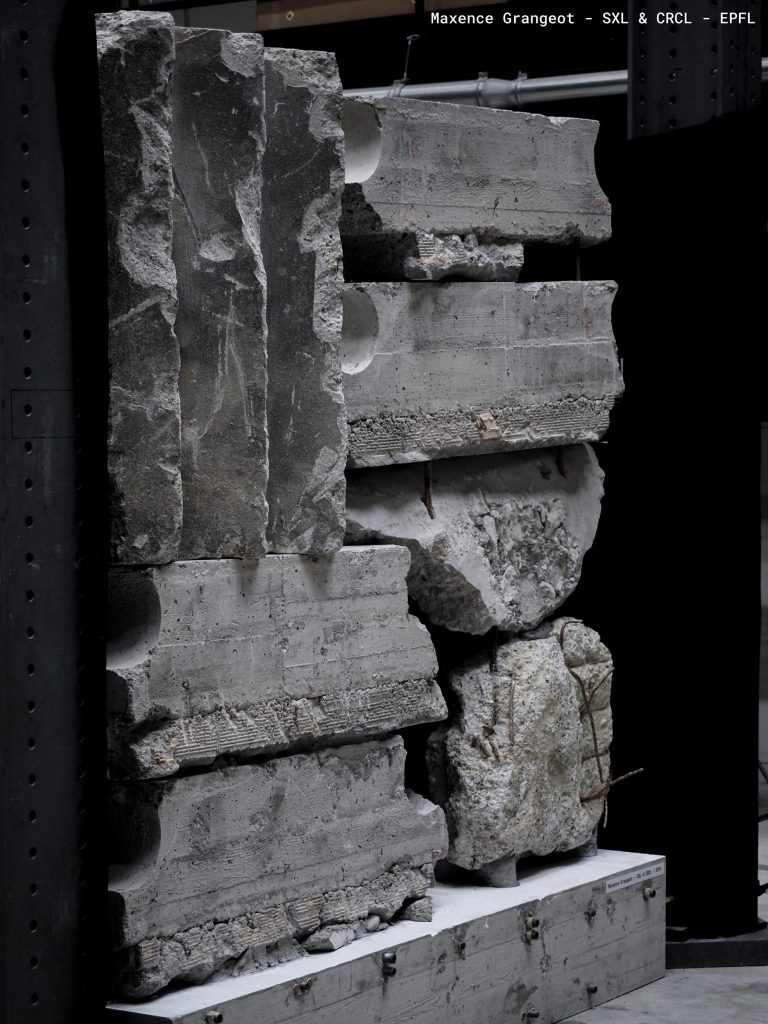
Instead of crushing demolished concrete, can we use digital technology to upcycle irregular concrete rubble into new structures?
https://t.co/VOpSLgFBJJ














![Rainmaker1973's tweet photo. A stunning drone view of whale sharks seen from above in the waters near Oslob in the province of Cebu, Philippines
[📷 Dimitar Karanikolov] https://t.co/h6kGZLgEel](https://pbs.twimg.com/media/F6zwNX9XgAAWKB1.jpg)