#EPP CEO Ben Clube must think he’s living in a parallel universe…
He spends his days meeting with Number Ten and high ranking officials at DESNZ, Department of Business and Trade and OFGEM. He also negotiates with multi billion pound industry majors like Siemens Energy, Wood, KBR and Costain… all to progress the FEED activities of MESH, which is expected to be the UK’s largest energy storage hub, potentially generating billions of pounds per annum (see NPV8 numbers on the recent investor presentation), all at a time of unprecedented demand for the project’s homegrown long duration energy storage and domestically produced graphite and ammonia.
Presumable he then looks at the trading activity for the day and sees idle selling and someone buying 24p’s worth of shares to close out Fridays session… he then checks LSE and sees his company is currently valued at a mere £20m MCAP.
At what point will AIM retail realise the value disconnect here? Before or after DEVEX/CAPEX funding and institutional investment arrives?
Link to Company Investor Presentation 🔗 https://t.co/tncT949646
The real-world benefits of projects like #EPP’s MESH can enable economic growth, energy security and easing of financial pressure on energy consumers both household and industrial.
With a gas storage license award by the @NSTAuthority and with @Ed_Miliband deeming the project as “Nationally Significant” in 2025, MESH is advancing rapidly through FEED, toward FID… however the market is valuing the project as a run of the mill oil and gas play, when, in fact, national grade infrastructure projects like MESH accrue value on a very different timeline. The question is when will AIM retail buyers enter the frame… before or after institutional investors arrive?
Last week, EnergyPathways plc #EPP CEO Ben Clube had the pleasure of speaking with Mike Zeller on BBC Radio Cumbria, where he outlined the impact that the MESH integrated energy storage project could have on lowering consumer energy bills and the significant opportunities it could bring to Barrow-in-Furness and the UK’s energy and industrial sectors.
MESH, also mentioned on BBC Radio News that morning, can support Barrow’s long-term development as a key hub for energy infrastructure and its potential to play a central role as part of the UK’s future energy system.
EnergyPathways’ MESH project, expected to be Britain’s largest integrated energy storage project, will bolster Britain’s energy security and lower consumer bills. Designated a project of “national significance” by the UK Government, MESH combines compressed air electrical storage (“CAES”) with natural gas and hydrogen storage.
#MESH #CleanEnergy #EnergyBills #GasStorage #LDES #CAES #BBC #Cumbria @energygovuk@BBC_Cumbria@BBCNews
Check out the recording and join in with the conversation at: https://t.co/XfJCNaus9V
Imagine this: @energy_pathways (AIM #EPP) A UK Small-Cap company with an energy storage project in a safe jurisdiction, deemed “Nationally Significant” by the Secretary of State, awarded a vital gas storage license by the NSTA, partnered with Siemens Energy, Wood and Costain and signing port deals with the Association of British Ports.
They’re set to build the largest energy storage facility in the UK and the largest CAES project in the world at a time of critical demand, they’ve just released figures (corroborated by Siemens Energy) projecting a NPV8 of over a billion pounds for a modest proportion of their revenue streams and last week they met with government bodies at Number 10, DESNZ and the Department of Business and Trade (as well as global financial institutions/banks)… Despite this, they’re valued at a mere £21m market cap… Why?
🔗 Read the full update here: https://t.co/v77qnrtYTk @RedditDeluxe
@energy_pathways Investor Presentation May 2026 (AIM #EPP) 6.5K views 1 day
Key highlights:
🔹Development plans for the UK’s largest multi-day long-duration energy storage project
🔹Strategic project partnerships with Siemens Energy, Wood, Costain and ABP
https://t.co/W0SDS8Nnxi
Let’s deal with the elephant in the room with #EPP: Funding and Timescale
Imagine this: A UK small cap company with an energy storage project in a safe jurisdiction, deemed “Nationally Significant” by the Secretary of State, awarded a vital gas storage license by the NSTA, partnered with Siemens Energy, Wood and Costain and signing port deals with the Association of British Ports. They’re set to build the largest energy storage project in the UK and the largest CAES project in the world at a time of critical demand, they’ve just released figures (corroborated by Siemens Energy) projecting a NPV8 of over a billion pounds for a modest proportion of their revenue streams and last week they met with government bodies at Number 10, DESNZ and the Department of Business and Trade (as well as global financial institutions/banks)… In spite of this, they’re valued at a mere £21m market cap… Why?
Well, there are 2 primary reasons and I’ll address them separately in the coming paragraphs.
First is funding. MESH requires several hundred million pounds to build out the project and despite stating it has offers of private sector finance in place and doesn’t need government money, in the last webinar it was hinted that they are a likely candidate for funding via GB Energy and/or the National Wealth Fund.
What seems to be spooking investors is the risk of a capital raise. So, let’s just put that to bed once and for all. At a sub £25m mcap there is no way in hell that an AIM retail cash raise will deliver even 1% of the CAPEX needed to build MESH, so in terms of funding, with regulatory approvals now in place, think global financial institutions, banks and government investment. This is not a project that will be calling on the illiquid AIM retail market for cash from here on.
Also, with reference to funding, the current £15m finance package will almost certainly become obsolete once strategic funding is announced. In my opinion, based on the funding/drawdown RNS, liquid cash reserves were required to advance initial work programs to satisfy the NSTA in order to obtain license approvals. Once project level finance is announced goodbye £15m facility.
The second issue is timeframe. With an FID of 2028 and project rollout in 2031, investors seem to think that until first revenues are delivered the valuation of the company will stay the same as now. It’s a bizarre outlook to have in terms of investment, but I understand this as AIM is a small cap market not used to dealing with national grade infrastructure projects, and post crypto, investors are attuned to rapid returns.
With this in mind, I’ll ask one question… When CAPEX level funding arrives in the hundreds of millions will EPP still be valued at £20-25m? The answer is a categoric NO!
And based on the rapid rollout required of EPP by the government, the funding needs to land soon.
Regarding political risk… the offering is also diverse enough to be valuable to any government from Labour to Reform so it is in effect apolitical. Is Reform going to turn down homegrown North Sea gas, domestic graphite for defence and Ammonia for the farming community? No.
With a project forecasting 20-25% annual yields over a lifespan of 30 years, potential government backed revenues in the hundreds of millions via OFGEM’s cap and floor scheme and media coverage on a national tier one scale, this will rapidly depart the AIM retail zone and enter a different league. The question is, when will this be recognised by AIM investors?
Having been an investor in EPP for nearly two years, and with recent regulatory approvals, I feel comfortable saying: it’s the one stock that I think will create generational wealth for investors.
Of course DYOR and read back through the past year’s RNS’s carefully and scour the new corporate investor presentation (link below), as it’s in the detail that the real value proposition of MESH is clear.
https://t.co/tncT949DTE
@aleabitoreddit@richrunyeon@Siemens_Energy
@aleabitoreddit worth taking a look at this one. Perhaps not in your normal wheelhouse. But the value disconnect is staggering #EPP
- Key regulatory approvals ✅
- Deemed a “Nationally Significant project” by the government ✅
- Siemens Energy tech partner ✅
- UK energy sector critical demand ✅
- Meetings with PM at Number 10 ✅
- NPV8 numbers for 1/2 the project at over £1bn ✅
- Current MCAP £21.5m
Check out the new investor presentation at: https://t.co/tncT949DTE
Very impressive to see #EPP’s MESH project being planned in the highest offices in government.
With the project advancing through the FEED phase and with key regulatory approvals in place… We wait in anticipation of funding.
The funding required to build the UK’s largest energy storage facility will not come from an AIM retail capital raise… Think Global Financial Institutions and Banks… And even though they have said it’s not needed, I suspect the government will be eager to get involved, probably via National Wealth Fund or GB Energy (as mentioned in the recent investor webinar)
One of the few criticisms from Friday’s #EPP investor webinar was there was no mention of hard numbers in terms of revenues and NPV for MESH.
But after Fridays X post highlighting key meetings with DESNZ, Department of Business and Trade, as well as global financial institutions and banks, the reason for the lack of webinar detail seems clear… The numbers were withheld for confidentiality until presented to the government and institutional investors.
It’s worth mentioning before we begin, the figures in the presentation have been corroborated by Siemens Energy who deemed MESH “economically and commercially viable” in the RNS dated 28/04/26
Here are the numbers:
CAES LDES:
Asset life: 30 years
Net Revenues: £100m-£140m pa
NPV8 @ FID: £300m-350m
Gas Storage:
Asset life: 30 years
Net Revenues: £110m-£160m pa
NPV8 @ FID: £400m-800m
Total valuation at FID of £700m to £1.15bn
These are numbers impressive, but they are based only on the initial development of 4 compressed air salt caverns and 8 caverns for gas storage. However, the overall storage license area is able to allow construction of up to 60. Therefore, the quoted NPV8 numbers have the capacity to be multiplied significantly.
This also doesn’t include the revenue figures for hydrogen, high grade graphite and clean ammonia.
Using the projected figures for Graphite (circa 60,000 tonnes pa) and the target grade pricing of $10,000 per tonne (the aim is for the graphite to be refined via a study with Mitsui Japan to create nuclear/military grade graphite, elevating the price dramatically. See RNS 22/10/25 The company estimates revenues of £500m pa.
Hydrogen/Ammonia: This is a harder market to asses as an emerging sector. So based on the initial projected feedstock of 20,000 tonnes of hydrogen, let’s value it when it’s used to create Clean Ammonia as that market is very real.
Ammonia production of 110,000 tonnes pa is projected. The last domestic UK ammonia producer closed in 2023 and as of 2027 there’ll be a border levy on imports so this will affect chemical & farming Industries. Annual revenues for ammonia, based on volatile pricing revenues could be between £55-100m pa.
Risks:
Planning: Key regulatory hurdles now overcome with the gas storage license award and designation as a project of national significance… the section 35 has been massively under appreciated by the market and what was initially seen as a regulatory bump in the road on the way to license approvals is in fact a huge positive as the DCO process substantially streamlines the planning process from here on.
Politics: In terms of political risk the offering is diverse enough to be valuable to any government from Labour to Reform so it is in effect apolitical. (Is Reform going to turn down homegrown North Sea gas, domestic graphite for defence and Ammonia for Jeremy Clarkson and the farming community?)
Funding: Firstly, let’s put to bed concerns of the risk of a retail cash raise. The project needs £100’s of millions to build out MESH and that’s not coming from AIM retail: FACT. Short term the £15m funding is in place to satisfy the initial NSTA criteria (my opinion is this will be sidelined once project level funding arrives). As for strategic funding, this has already been stated it will come from global private sector institutions and potentially from GB Energy and National Wealth Fund, both of which have stated a clear mandate to invest in LDES and energy storage.
MESH has a suite of revenue streams offering diversification through products and industries at a time where they’ll be the only domestic producer of graphite and ammonia, they’ll effectively be doubling the UK energy storage capacity at a time of critical need and demand. And it requires little or no government funding (however GB Energy or National Wealth Fund may invest as mentioned in the webinar)
Therefore, in my opinion MESH will change the UK energy landscape and the lives of a lot of investors.
https://t.co/tncT949646
Another big step forward for #EPP
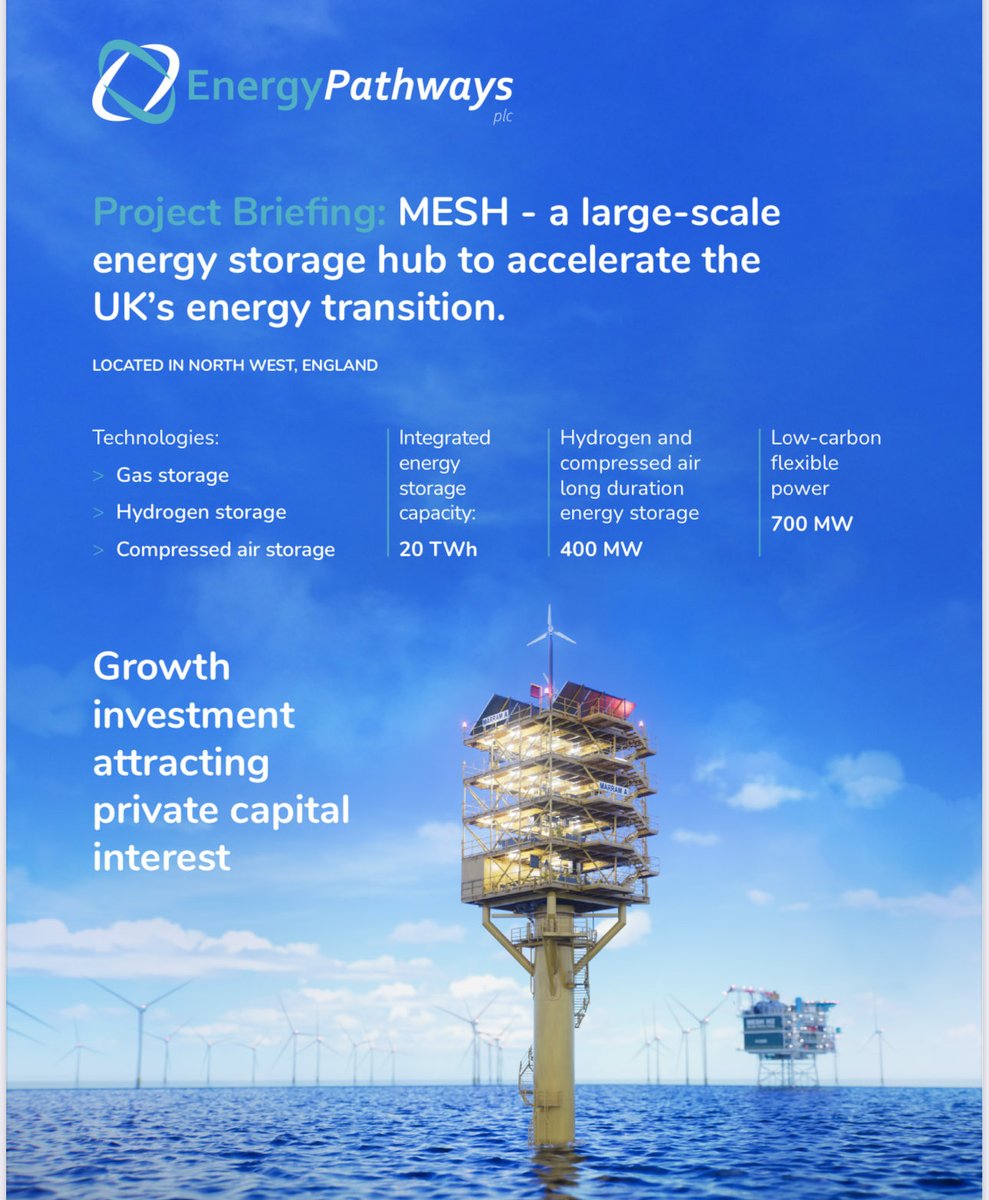
The MESH Project is set to become the UK’s largest integrated energy storage project, combining compressed air, natural gas & hydrogen storage to strengthen energy security and cut consumer bills.
MESH isn’t just an energy project, it’s an industrial growth engine for Barrow-in-Furness. ⚙️🏗️
Plans being explored at ABP’s Port of Barrow include hydrogen production, graphite processing, export facilities and offshore storage infrastructure.
#EPP is already backed by a Tier-1 partner group including Siemens Energy, Wood, Costain and Zenith Energy,
Anyone wondering how to value #EPP right not just look at #KIST recent gas storage deal.
💷 #KIST paid £25m for Top Hill Fram which can has capacity of 17.8m Therms
#EPP MESH has a capacity of 500m Therms (28 times bigger)
🧮 Do the maths
💰This gives our 50bcf (500m Therms) storage facility a value of £700m
Marram has the same capacity as the Rough Field owned by Centrica.
Centrica will need to spend £2b on that field
This makes #EPPs MESH project a potential take over target by Centrica and other majors.
A low ball £300m TO will equal to around 125p or there about per share … not suggesting it will happen but it highlights the mismatch between our project and Shareprice
Bring on 40p and the £100m MC.
1️⃣ #EPP MESH Project is A Giant Among Giants … should be £100m+ MC for a start
🛢️Gas production:
Marram is fully appraised gas low CO2 Emission field approximately 46bcf of gas ~ 460 million therms, worth over £500 million (Gas prices currently at £1.2/therm)
🛢️Gas Storage:
MESH also boasts a gas storage capacity of 50BCF to 60BCF (500m to 600m therms), potentially tripling to 150 BCF with the addition of Knox and Lowry assets.
This is an impressive capacity of around 500 million to 600 million therms. Equivalent to 15 TWh to 20TWh, that is well over 2/3 of the UK storage capacity
🇬🇧 This positions it as the largest gas storage facility in the UK.
✅ Gas Storage Licence now granted
🔋Green Hydrogen:
With a hydrogen storage capacity of 2.8 TWh (expandable to 8.4TWh), MESH dwarfs other projects.
How will they do it:
💨 Harness the surplus wind energy
🔋Turn it into Hydrogen
🔋Store it
✅ Use it as green source of energy when it’s needed
🔋Capacity to store 2.8TWh hydrogen
❎ Company is looking to triple that capacity to 8.4TWh.
⛽️ Hydrogen: 20,000 tonnes/year ≈ 20,000,000 kg/year
⛰️ Graphite: 60,000 tonnes/year
💴 Use of benchmark price assumptions:
Hydrogen: cost ranges of £3-£5/kg for green hydrogen by ~2030.
Graphite: Recent UK/Europe natural graphite price around US$1,425/tonne (≈ £1,150/tonne at rough conversion)
💴 Revenue Estimate:
⛽️ Hydrogen:
If we assume selling price = £4/kg (mid-range estimate)
20,000,000 kg × £4/kg = £80,000,000 per annum
⛰️ Graphite:
60,000 tonnes × £1,150/tonne = £69,000,000 per annum
Combined Revenue Estimate
£80m (Hydrogen) + £69m (Graphite) = £149 million per annum
2️⃣ Funding
💴 #EPP has signed an MoU with a corner stone Fund to finance MESH at multiples the current SP alongside
🤝 EPP are also in discussion with a FTSE100 for the provision of project Debt finance
💷 EPP has also access to £15m Debt/ATM facility
All of the above will ensure minimal dilution & funding for the MESH project without the need to Gov funding or tax payers money. Although discussion are ongoing & at pace, nothing is very guaranteed until it is all signed up.
3️⃣Comparison Vs peers:
Comparisons with other gas storage projects underscore MESH’s potential. For instance;
🪫BP’s recent partnership with a Spanish company involves a 25 MW project (200 GWh), making MESH 75 times larger
💷 Star Energy’s 10 BCF facility was valued at £340 million in 2007 (£642 million today).
💷 #KIST acquired a gas storage asset with a capacity of 17 million therms for £25 million in the summer of 2024. MESH has a capacity of 500m to 600m therms) that is 28 to 35 times bigger.
🧮This valuation suggests that MESH, with its capacity of 500/600 million therms 28/35 times larger, gives MESH a value at approximately £700m to £875m.
4️⃣Revenue Potential:
💷 Centrica’s Rough field which is equivalent to the size of MESH(50 bcf capacity) generates approximately £312 million in annual revenue.
💷 MESH could generate £320m a year from the gas storage alone, and around £360m from Hydrogen, combined this could be a mouth watering £680m a year.
❎ If the company triples the storage capacity, it could yields 2 billion annually from gas and hydrogen combined.
Add to the above a Combined Revenue Estimate
£80m (Hydrogen) + £69m (Graphite) = £149 million per annum
5️⃣BOD:
Under Ben’s Leadership FAR reached a market capitalization of A$655 million (£334 million).
🤝 He secured a joint venture deal with Cairn Energy and ConocoPhillips, valued at $200 million.
🛢️FAR was recognised as the most successful Australian oil explorer for over a decade
🛢️FAR also made the world’s biggest gas discovery in 2014
All for a ridiculous £12m mc .., £100m+ awaits.
EnergyPathways #EPP is delighted to announce it is to be awarded a Gas Storage License (GSL) by the North Sea Transition Authority for its flagship MESH project located in the East Irish Sea and onshore in Barrow-in-Furness.
This decision marks a major milestone in the development of the wider MESH project, with the GSL spanning a substantial offshore area that could support up to 60 large-scale salt storage caverns with potential for multi terawatt-hour scale energy storage and is expected to be Britain’s largest integrated energy storage facility.
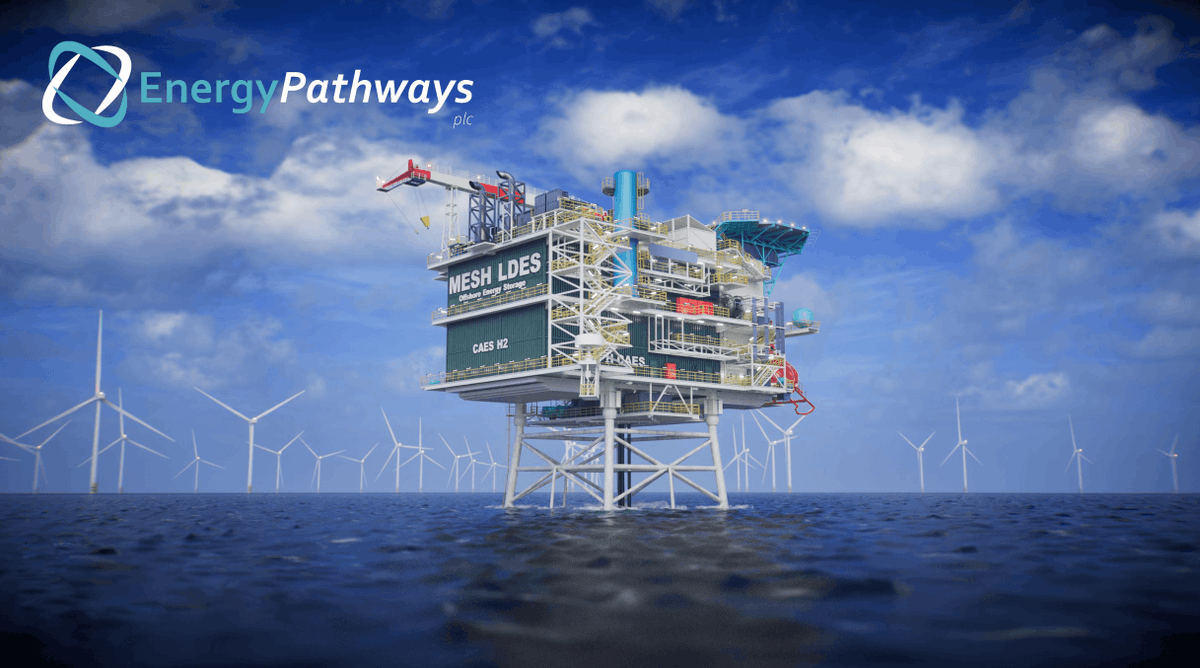
The planned MESH Project has already been designated by the UK Government as a project of “national significance” and will comprise compressed air energy storage (CAES), natural gas storage transitioning to hydrogen storage and complementary hydrogen production for clean power and sustainable industry uses.
EnergyPathways plans the following:
· A natural gas storage facility that will double Britain’s meagre gas storage capacity and provide up to 6 days of national energy supply, securing Britain’s energy future and reducing its over-dependence on expensive gas imports.
· CAES storage of 300 MW / 55 GWh capacity, which is expected to be Britain’s largest LDES facility. This will provide game-changing “days not hours” of electrical storage, essential to harness the billions of pounds of wind power currently being wasted and passed on to consumer bills;
· Low-carbon dispatchable power generation that will be far cheaper than the expensive gas-fired power upon which Britain relies and which sets the power prices for all of Britain’s electricity, including renewables;
· Low-cost hydrogen production capability that will be used to further decarbonise MESH dispatchable power and new sustainable industries planned in Barrow-in-Furness, including EnergyPathways’ proposed graphite production plant; and
· A project that delivers homegrown energy and requires little or no government support at no added cost to consumer bills.
EnergyPathways, along with its Tier One partners, including Siemens Energy, Costain plc, Wood plc and Zenith Energy will now progress the MESH project to a Final Investment Decision in 2028 and start up by late 2031. The Company has already initiated several funding and capacity offtake discussions.
EnergyPathways CEO, Ben Clube said:
“I am delighted that we have met the NSTA’s criteria to offer EnergyPathways this crucial Gas Storage Licence, one of only two NSTA energy licence awards in the last two years.
“The UK Government recognises MESH and other forms of long-duration energy storage as having a vital role in lowering energy prices, bolstering energy security and achieving a clean energy system."
#MESH #EnergyStorage #CleanEnergy #LDES #GasStorage @energygovuk@Siemens_Energy@CostainGroup@ZenithEnergy
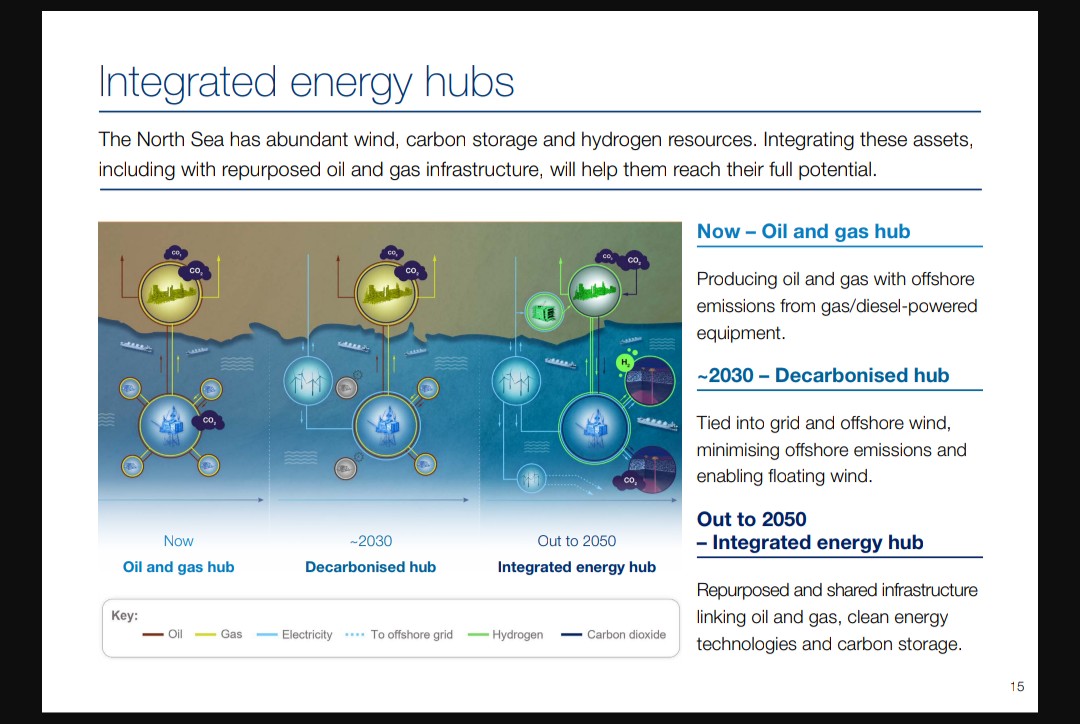
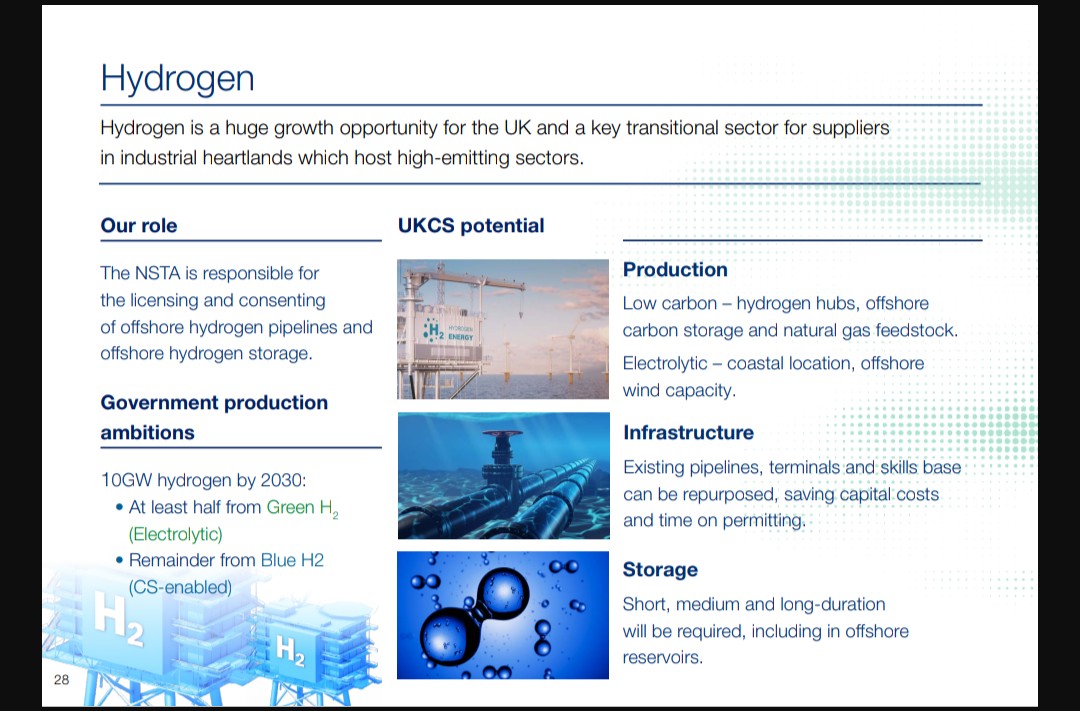
The below screenshots are taken from the NSTA 2026 Overview document. If investors can't see what's going to happen here then you deserve to not make money #EPP
So let’s look closer at #EPP EnergyPathways
Progressing and not reliant on the gas storage license:
World’s Largest CAES project (UK’s largest LDES): Based on the storage capacity, output duration and benefitting from massive curtailed wind energy, estimates for revenue pa are around £150m+ (may be higher with cavern expansion and government subsidy or cap and floor benefits)
The Irish Sea has two huge wind farms to come online in the shape of Mona and Morgan. So expansion of the salt caverns with Siemens Energy is likely. Also EPP own the IP for CAES tech.
The project lifespan is 25 years+ so LDES alone is a company maker.
Reliant on Gas Storage License:
Gas Production: Marram alone has 46BCF of gas, based on current spot pricing that’s worth £500m (this doesn’t include Knox or Lowry fields) the figure will be a little lower due to the provision of cushion gas needed to facilitate storage.
46BCF is just natural gas and doesn’t include nitrogen in the mix which will be utilised to create clean ammonia.
Gas Storage: Marram alone has the equivalent storage capacity of Centrica’s Rough Facility 50-60BCF
The revenue value of gas storage is based not just on gas in place, but the opportunity for volatility trading (fill with cheap summer gas to sell on winter peaks)
Based on Marram alone annual revenues are approx £400m+ (but based on the UK’s low gas storage capacity this is conservative)
Hydrogen/Ammonia: This is a harder market to asses as an emerging sector. So based on the initial projected feedstock of 20,000 tonnes let’s value it when it’s used to create Ammonia as that market is very real.
Production of 110,000 tonnes pa is projected. The last domestic UK ammonia producer closed in 2023 and as of 2027 there’ll be a border levy on imports so this will affect chemical & farming Industries. Annual revenues for ammonia, based on volatile pricing could be between £55-100m pa.
Graphite: High grade synthetic Graphite (circa 60,000 tonnes pa) is set to be refined (With Mitsui Japan) to create nuclear/military grade graphite, elevating the price dramatically. Company estimates revenues of £500m pa
EnergyPathways has a suite of revenue streams offering diversification through products and industries at a time where they’ll be the only domestic producer of graphite and ammonia, they’ll effectively be doubling the UK energy storage capacity at a time of critical need and urgent demand. And it requires little or no government funding (however GB Energy or National Wealth Fund may invest)
The offering is also diverse enough to be valuable to any government from Labour to Reform so it is in effect apolitical. (Is Reform going to turn down homegrown North Sea gas, domestic graphite for defence and Ammonia for Jeremy Clarkson and the farming community?)
The tier one partnerships with Siemens Energy, Wood & Costain give the project credibility in the eyes of the government, as does the fact the world’s and UK’s largest CAES/LDES facility is going ahead at pace and it makes the project very real.
MESH is proposed as the flagship project for EPP and Siemens and “one of many” projects that will target favourable geology/infrastructure in the North Sea Continental Shelf.
The risk is that the storage license won’t be granted… But that would require the government to decline something they critically need and requires little or no taxpayer subsidy. They’d have to have a damn good reason to decline.
The second argument is that “it’s not operating until 2030, so why buy now”, the counter is that at £12m MCAP, when project level funding hits and the GSL is granted and the government and media takes up the story this stops being worth £12m.
The project will no longer be a “retail” focussed stock and with projected yields for investors to be 25% per annum over a 25 year lifespan then pension funds, institutions and family offices take over the register, and they invest for significant and sustained future growth not a quick 10% slice.