it is great that @AnthropicAI finally admits us through their new feature 'ultracode'
... which is our 'ultrawork' and 'atlas'
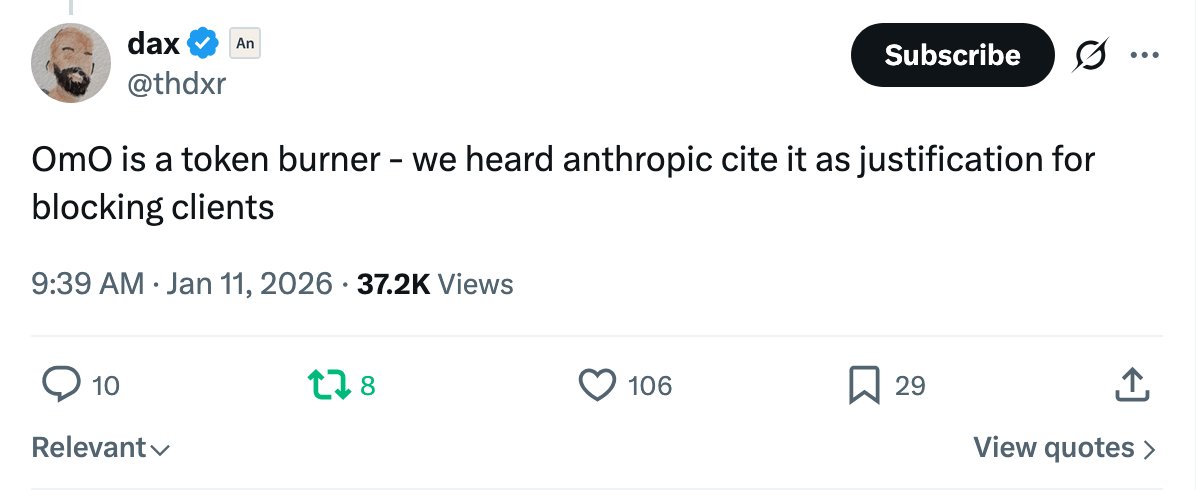
after banning 3rd party clients because of us
what a great release of opus 4.8!
and thank you for celebrating our 60K Stars!
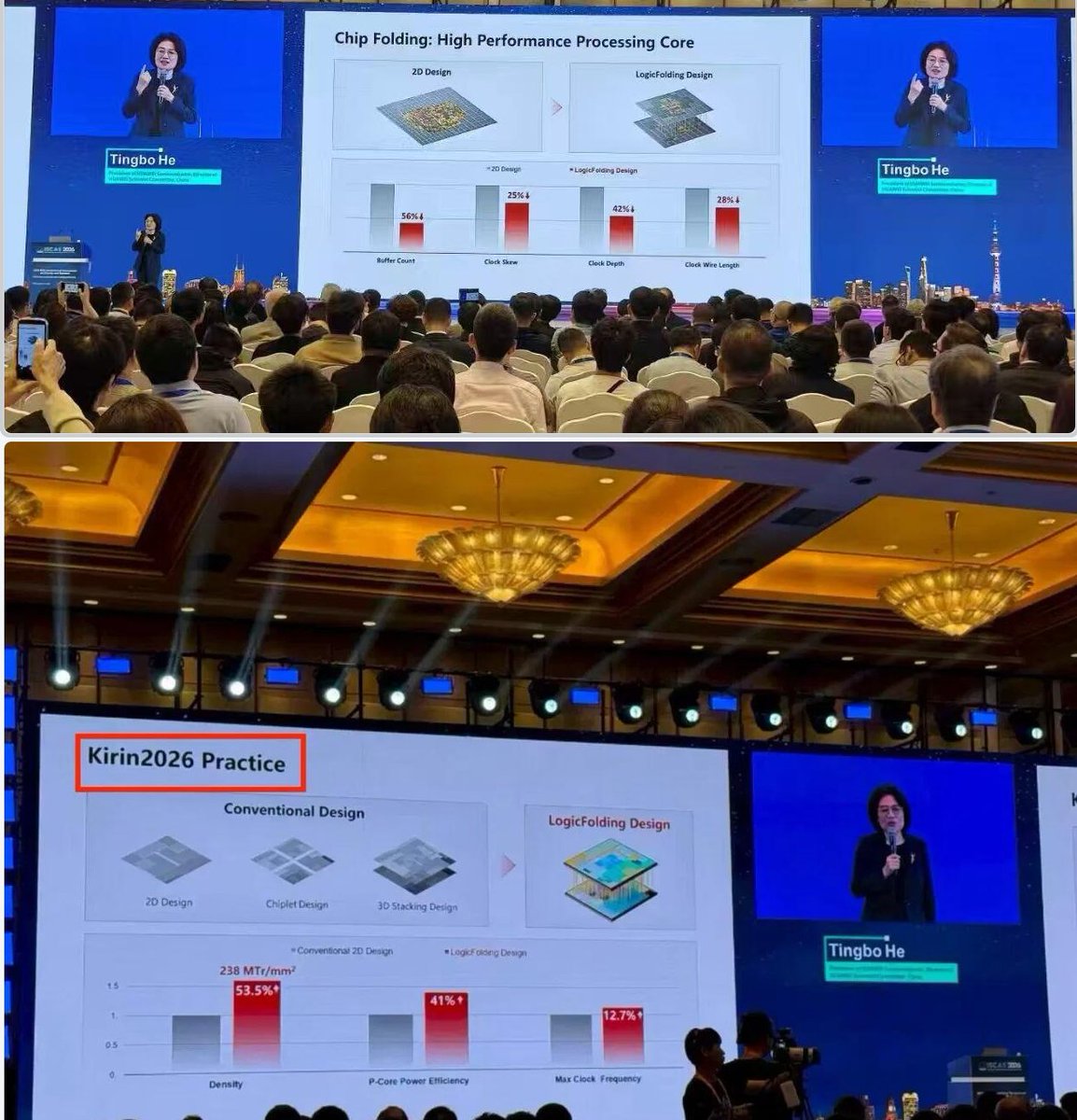
Huawei's latest announcement carries real significance, because China has, in effect, shown the direction in which advanced technology needs to move. And it has done so in cutting-edge semiconductors, no less.
China has long been a follower. In semiconductors, Western technology played the role of the pioneer, while China was preoccupied with simply keeping pace.
But by banning EUV exports to China, the U.S. manufactured a bottleneck at the lithography tool — and in doing so, it effectively forced creativity onto China.
To circumvent the sanctions, China was pushed toward approaches the West had never needed to take.
That is exactly what today's announcement represents.
Where Nvidia co-designs memory, packaging, and logic to optimize TCO at the system level — doing it rack by rack — Huawei is doing the same thing at the chip level.
I'll say it again: this is a genuinely striking approach. Memory makers are already struggling with cost scaling. As linewidths shrink, the resources required to keep shrinking them — capital, manpower, time — are climbing exponentially.
So the day will come when the West, too, must make packaging, logic, and memory collaborate from the node-design stage. And it won't be far off.
China, through the paradox of sanctions, has been driven to do this ahead of the West — unintentionally.
This is what genuinely frightens me. As YMTC has already demonstrated, U.S. sanctions pushed China to skip the incumbent standard and jump straight to the next-generation one.
The result? YMTC carved out a meaningful presence in hybrid bonding — and even Samsung, the king of NAND, ended up licensing YMTC's patents.
I believe the West may well find itself licensing this Huawei technology a few years down the road. And I believe cases like these will multiply, spreading China-style standards in their wake.
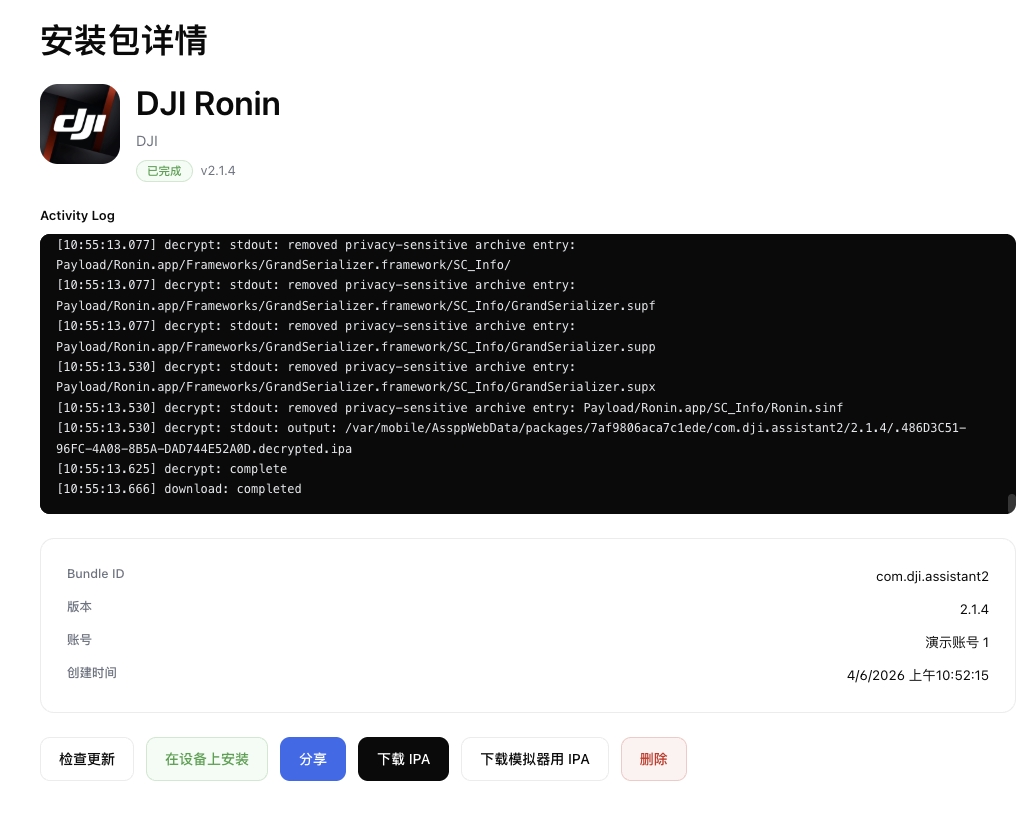
UPDATE: So far we've identified 639 compromised npm package versions across 323 unique packages in tonight’s Mini Shai-Hulud wave.
That includes 558 versions across 279 unique @antv packages. Most were detected within ~6 minutes of publication.
https://t.co/JXJK1NT4dp
Risk appetite in South Korea is exploding:
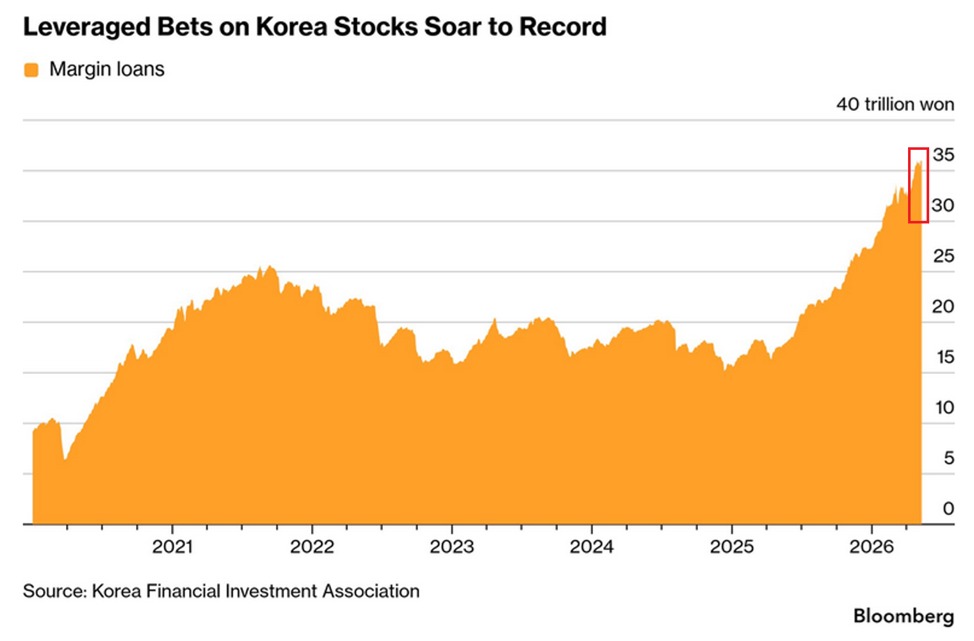
Margin loans outstanding on Korean stocks are up to a record $24.3 billion.
Since the start of 2025, margin debt has surged +140% and is up +32% since the beginning of this year alone.
To put this into perspective, the value of leveraged bets on Korean stocks was ~$5.0 billion in 2020.
This also likely understates the real scale, given that many loans taken out to buy stocks are labeled under other categories.
Meanwhile, domestic investors have poured ~$25.3 billion into South Korean shares year-to-date.
Retail investors in South Korea are aggressively rushing into stocks.
Open Design now works inside Codex.
The hardest part of AI design isn’t generating one screen — it’s keeping design intent alive as you iterate, build, and ship.
Now your agent can work with the canvas directly.
Design → code → motion, in one workflow.
Here’s a quick demo: