🆕@Nature
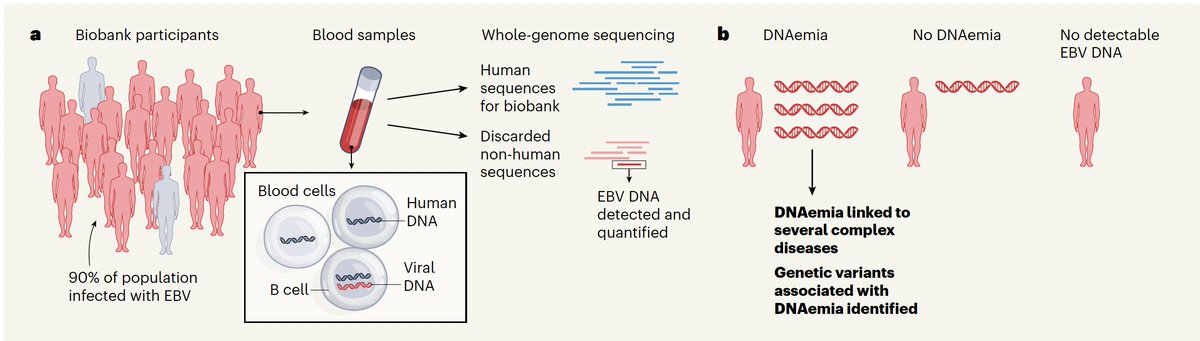
Genome sequencing of >800,000 people finds Epstein-Barr virus reads and their association with other autoimmune diseases besides multiple sclerosis, including type 1 diabetes, inflammatory bowel disease, and hypothyroidism
https://t.co/FKCV4OInT5
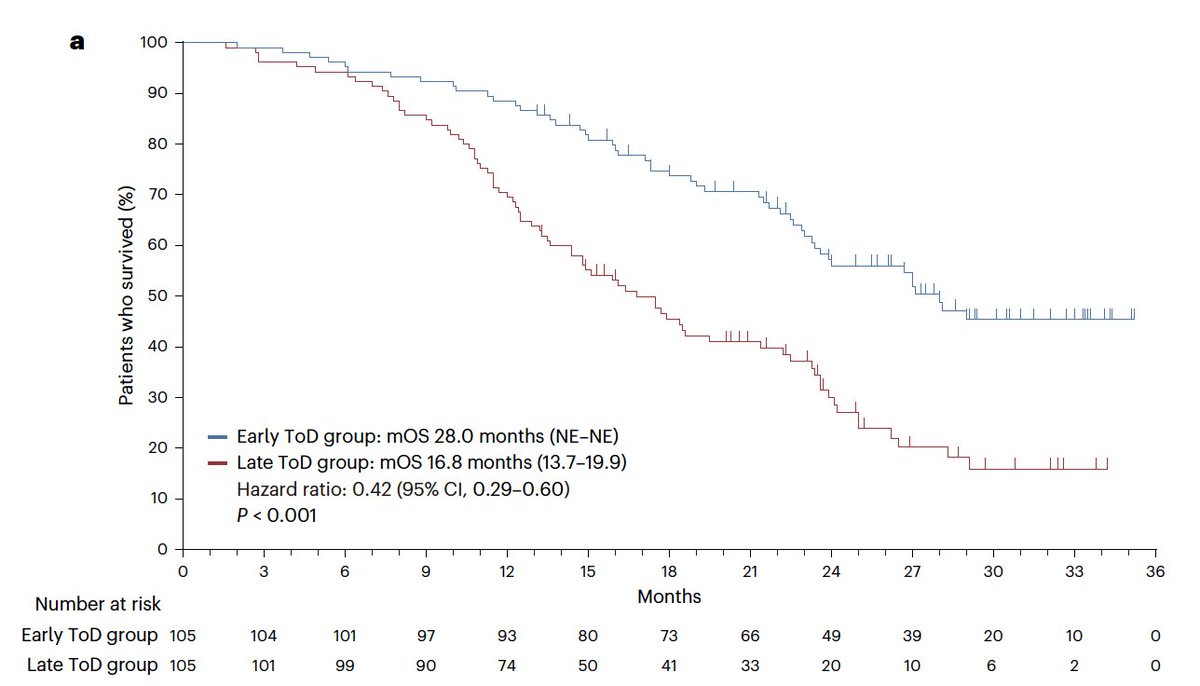
The time of day for cancer immunotherapy is associated with major outcomes. Early is better. Results from a randomized trial of lung cancer, backs up the importance of our circadian rhythm and immune system
https://t.co/bHqUZ3U83O
We just learned about some secrets of the Epstein-Barr virus (not files)!
New, ingenious method to quantify EBV load from its DNA sequence in the blood, which correlates with different diseases. Also specific variants of EBVDNA had clinical relevance. Load (EBVemia) not linked to multiple sclerosis. New @Nature@uk_biobank@AllofUsResearch
https://t.co/2PZh8ruUdf
https://t.co/QFx0AvaywH
⚠️ If you’re reading this, you’ve been infected* ⚠️
*~95% the human population has been infected by the Epstein-Barr Virus (EBV).
Today in @Nature with @nyeo_sherry, @EMC22381830, @RyanDhindsa@SlavePetrovski, we shed some light on what happens next.
https://t.co/Db1j4aHeFO
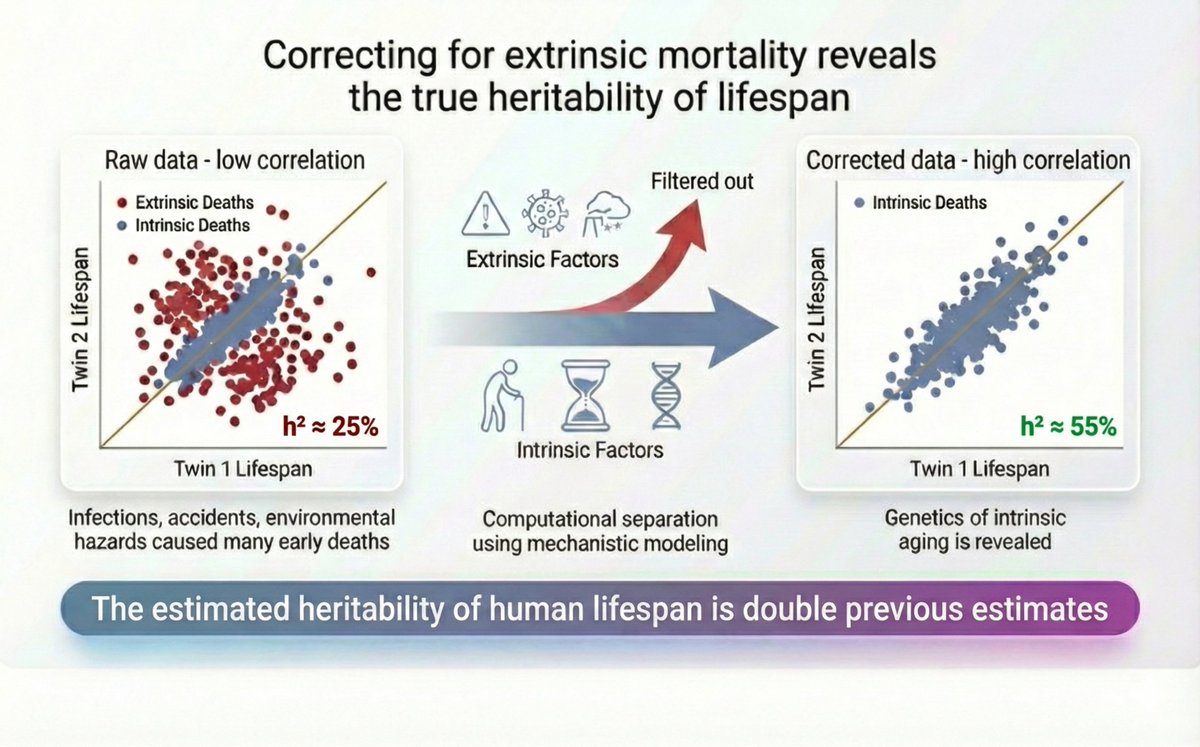
Our new paper on reassessing the heritability of human lifespan is out in @ScienceMagazine! 🧬
For decades, the consensus has been that genetics explains just 20–25% of lifespan differences. We found that after accounting for extrinsic mortality, that number jumps to ~50%.
A 🧵
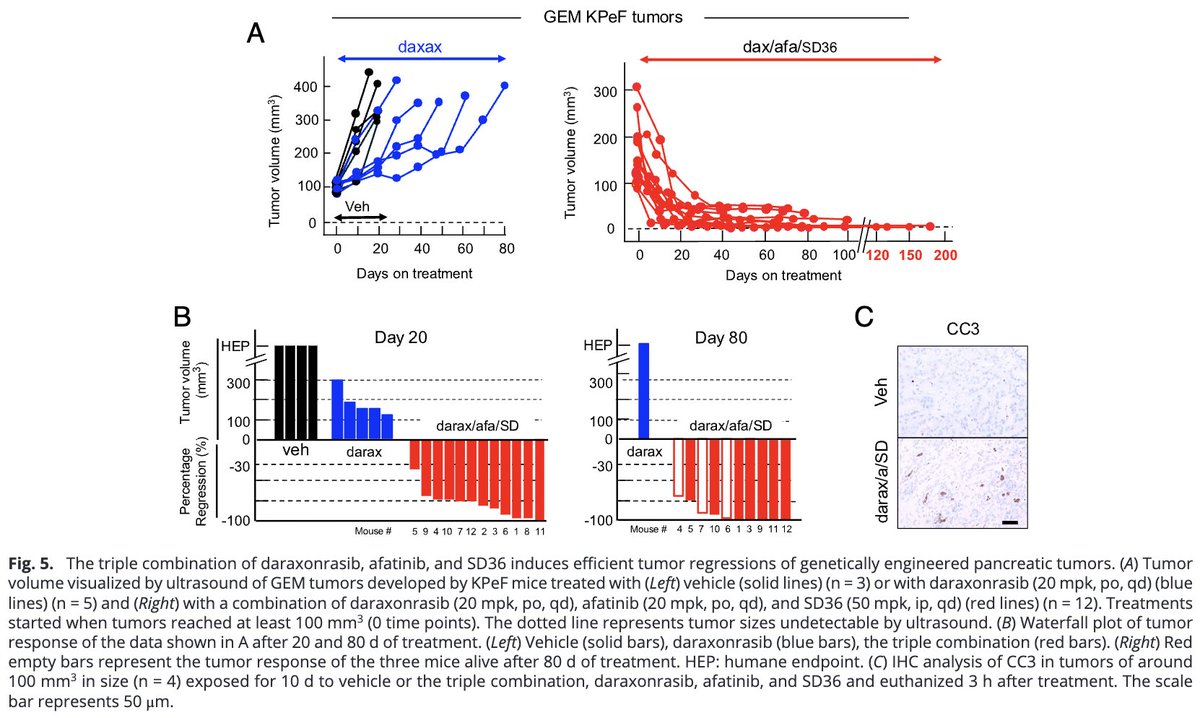
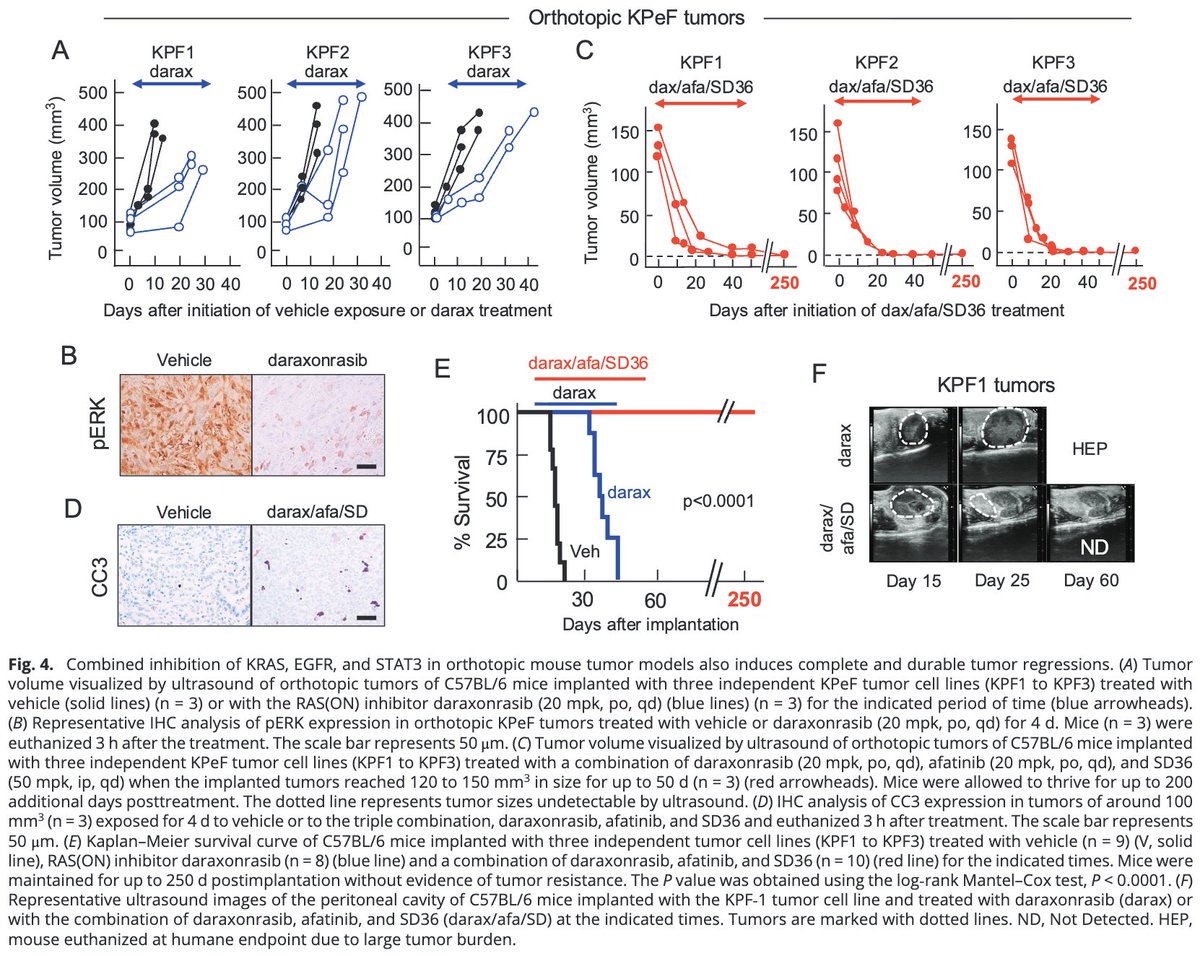
Pancreatic ductal adenocarcinoma needs better RAS inhibitors.
But that alone will not be enough.
In this preclinical study KRAS blockade predictably activates EGFR and STAT3. As long as one escape route remains open, pancreatic tumors persist.
Upfront triple inhibition of RAS (daraxonrasib), EGFR (afatinib) and STAT3 (SD36) achieved complete and durable tumor regression with no relapse beyond 200 days
The signal is strong, but the message is clear:
even if RASolute-302 (phase 3) 🔜is positive, RAS monotherapy will not be sufficient, especially in metastatic PDAC. Progress in RAS driven cancer depends on controlling resistance safely.
https://t.co/aRnjS8Iwj1 @OncoAlert
The bottom line:
Alzheimer's won't have a single cure. The disease has too many parts - amyloid, tau, inflammation.
But this study gives us one more target - thanks to cancer.
Paper: Li et al., Cell (2026)
https://t.co/Sd1Z3D8fgk
Found on Nature's blog: https://t.co/k4TGe52VJu
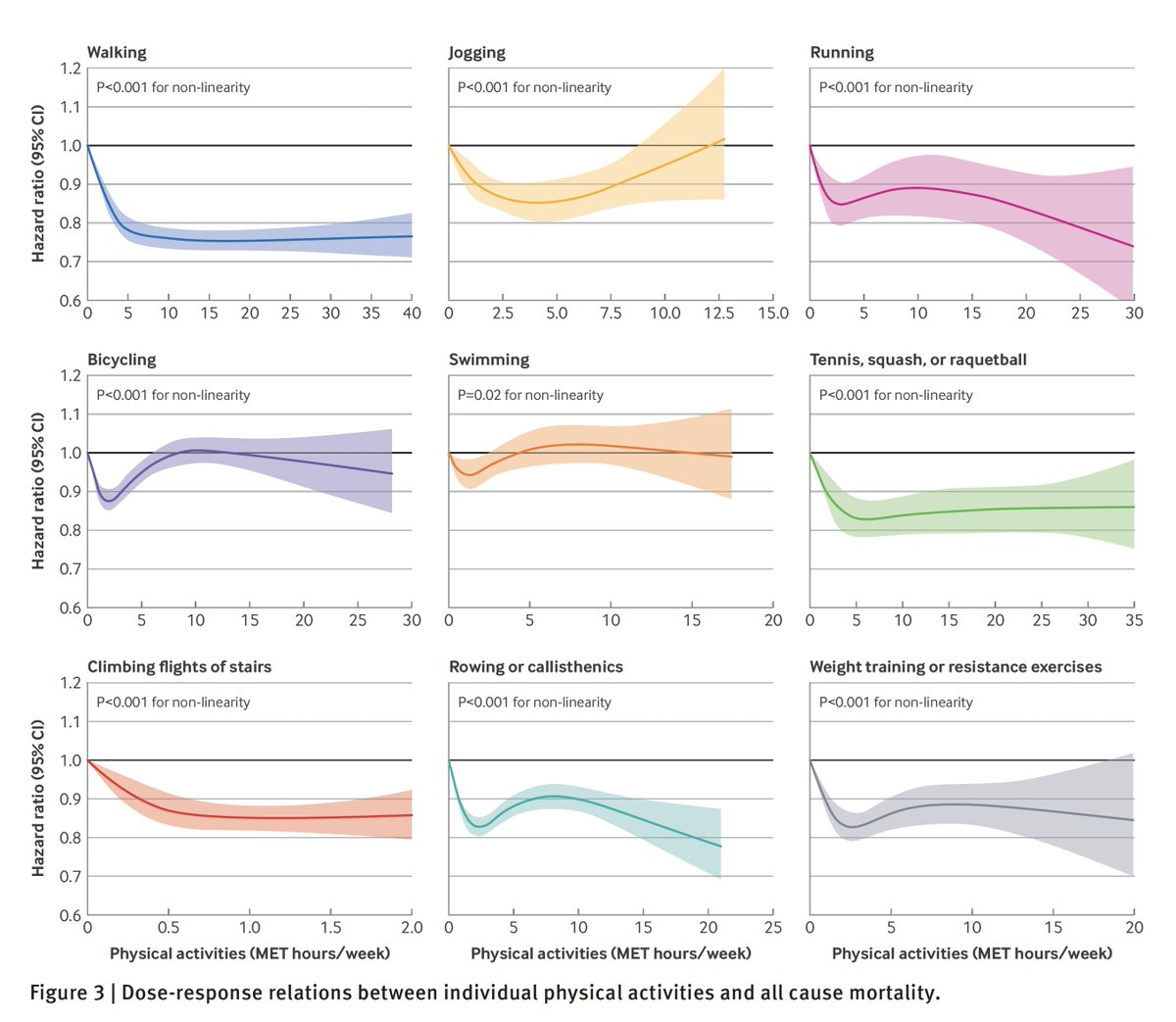
Physical activity and the reduction of all-cause mortality, from 2 very large prospective cohorts
1. The relationship is non-linear, suggesting a threshold effect for many types of exercise as seen below
3 new reports @CellCellPress on the mechanistic underpinnings of multiple sclerosis and Epstein-Barr virus involvement
https://t.co/JXThwhZugq
https://t.co/fO1aDsZmmB
https://t.co/fO1aDsZmmB
Reversible opening of blood-brain barrier is here. @NEJM study showed that low-intensity focused ultrasound can temporarily open the blood-brain barrier to augment antibody-based removal of amyloid plaque in patients with Alzheimer’s disease by up to 63%.
https://t.co/aT6aGHfYfr
This is a super interesting study!⬇️⬇️⬇️
Metastatic tumors exhibit adaptations to better match their target tissues rather than their original tissue. Should we start thinking about treating accordingly?
New paper from our group in @Nature by @YiyunLin_YL@junkewang@KaileWang and team reporting the unexpected discovery of aneuploid epithelial cells (3%) in normal breast tissues from healthy women raising the question of when is cancer really cancer?
https://t.co/uLig55dK0u
All languages covey information at a similar rate when spoken (39bits/s).
Languages that are spoken faster have less information density per syllable!
One of the coolest results in linguistics.
"Did you know that you don't need targeted panels for ultra-sensitive MRD?"
🥳 Down right ebullient to share our latest 🥳@NatureMedicine !
MRD-EDGE leverages advanced #ML for #WGS#ctDNA detection across clinical context
https://t.co/drJasWVwoE
#DeepLearning
🪡
Roger Federer’s Commencement Address at Dartmouth yesterday might be the best speech he’s ever given.
Amazingly articulate, funny, full of wisdom. Made me laugh and tear up. I’m so very proud to have had him as my idol for the past two decades.
If you have 25 minutes to spare…
A big day for understanding the multi-dimensional impact of exercise that has such a critical impact for promoting health @Nature
https://t.co/4gUwm4gRSQ
https://t.co/dUC19pdD7V
I'm thrilled to have been part of a successful collaboration between @CBrisken and @ChristineDesme2 labs, which has led to a key publication on #metastatic cancer. Great teamwork on this challenging project has led to crucial data that cannot be obtained otherwise #lobular
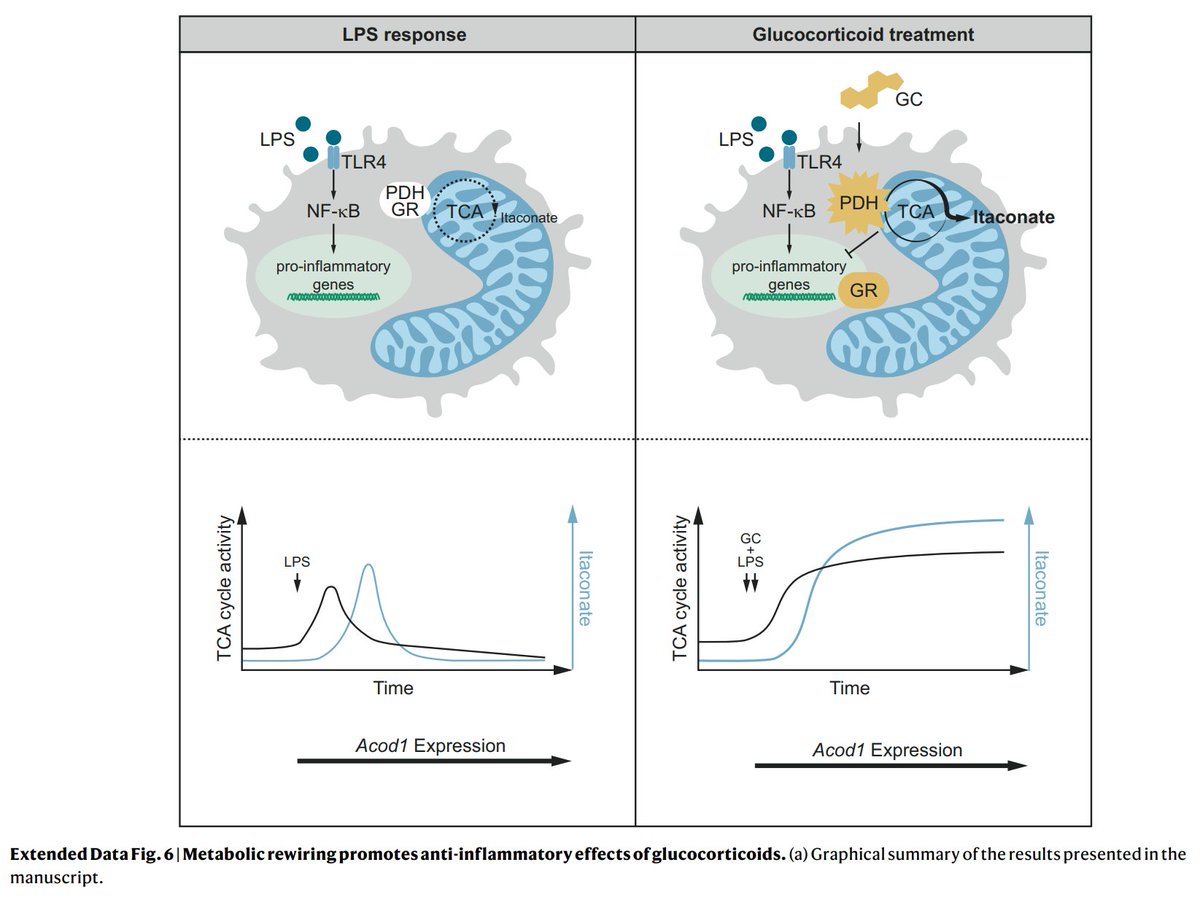
Glucocorticoids (GC), like dexamethasone and prednisolone, are widely used in medicine, but how do they actually work?
This is really impressive work (Auger et al.), which figured it all out
There are two mechanisms: a slow, broad response, which depends on transcriptional changes by the glucocorticoid receptor (GR)
And a second, fast (but sustained) response, where GCs increase flux through macrophage TCA cycles to produce the metabolite, itaconate:
Itaconate was produced systemically in response to GCs, and quickly reduced inflammation through a range of mechanisms
Here's the most interesting bit: GCs only suppressed inflammation if the TCA cycle and itaconate were in tact, but this was mostly independent of GR's broad transcriptional response - suggesting that the TCA/itaconate pathway is predominant
A possible consequence of this: some of the side-effects of glucocorticoids in patients, like increased fat mass and type 2 diabetes, may result from GR's broad transcriptional changes...
... so if we had more precise drugs, which exploit the itaconate response but spare the GR response, this could decouple the beneficial (anti-inflammatory) effects of steroids from the negatives
Here it is: https://t.co/91IJGhgXy9
A truly brilliant study and candidate for paper of the year.
Authors developed a universal system to detect cell-cell interactions in vivo. In one example, they use it to discover non-canonical CD8 priming events by monocytes during acute infection.
https://t.co/o73iSzGimt
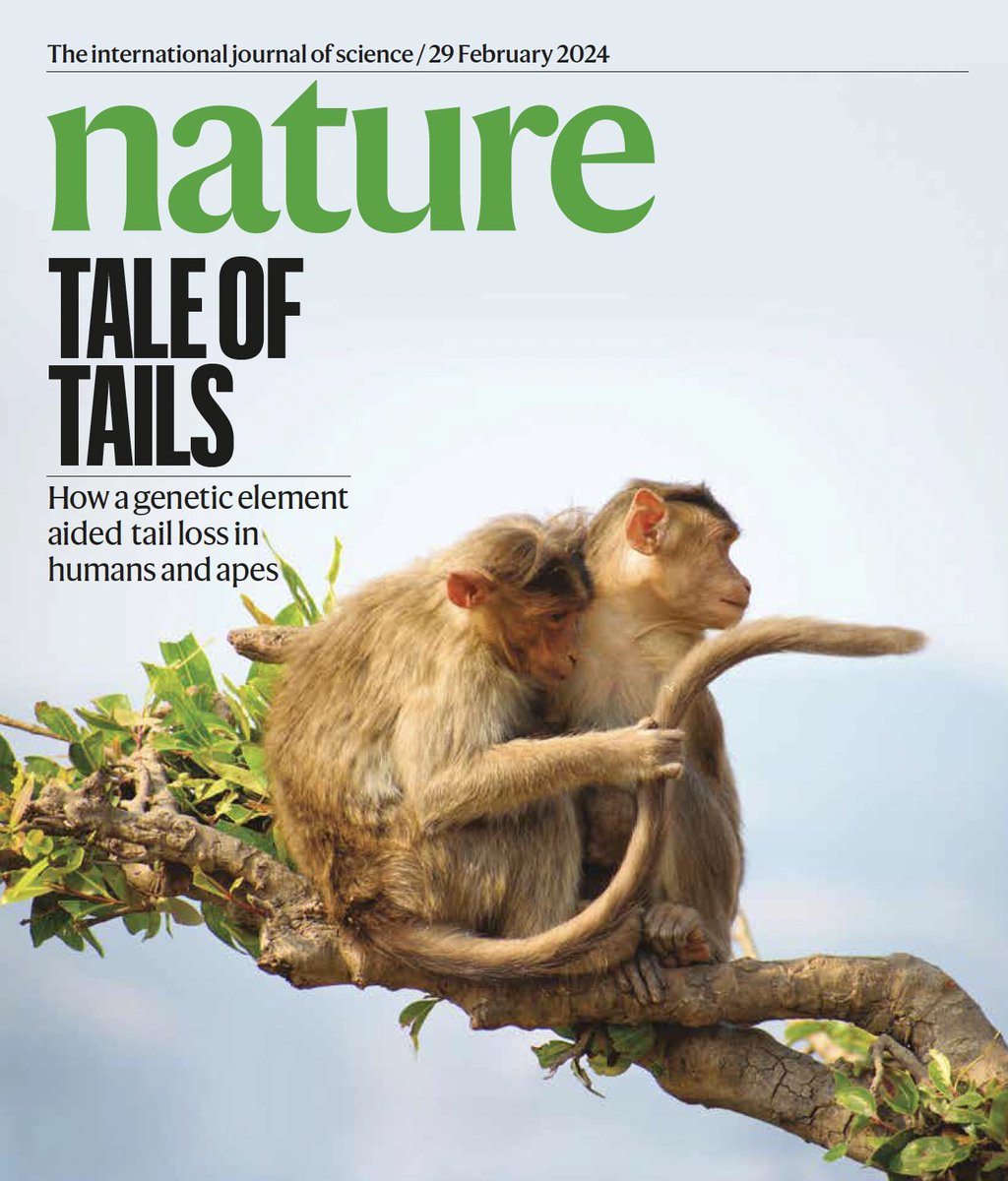
How did we lose our tail? A simple question.. but it wasn't really asked before! We discovered a plausible scenario for the genetic mechanism that led to tail loss. Amazing that such a big change may have been caused by such a small genetic event. https://t.co/0ZR8aH23PJ @BoXia7