In finance, there is no such thing as a weekend when you are on a live deal
The best way to think of yourself is a mercenary who has to work whenever there is work to be done
Does not matter if it’s late at night or a Saturday afternoon. Harsh but that is reality
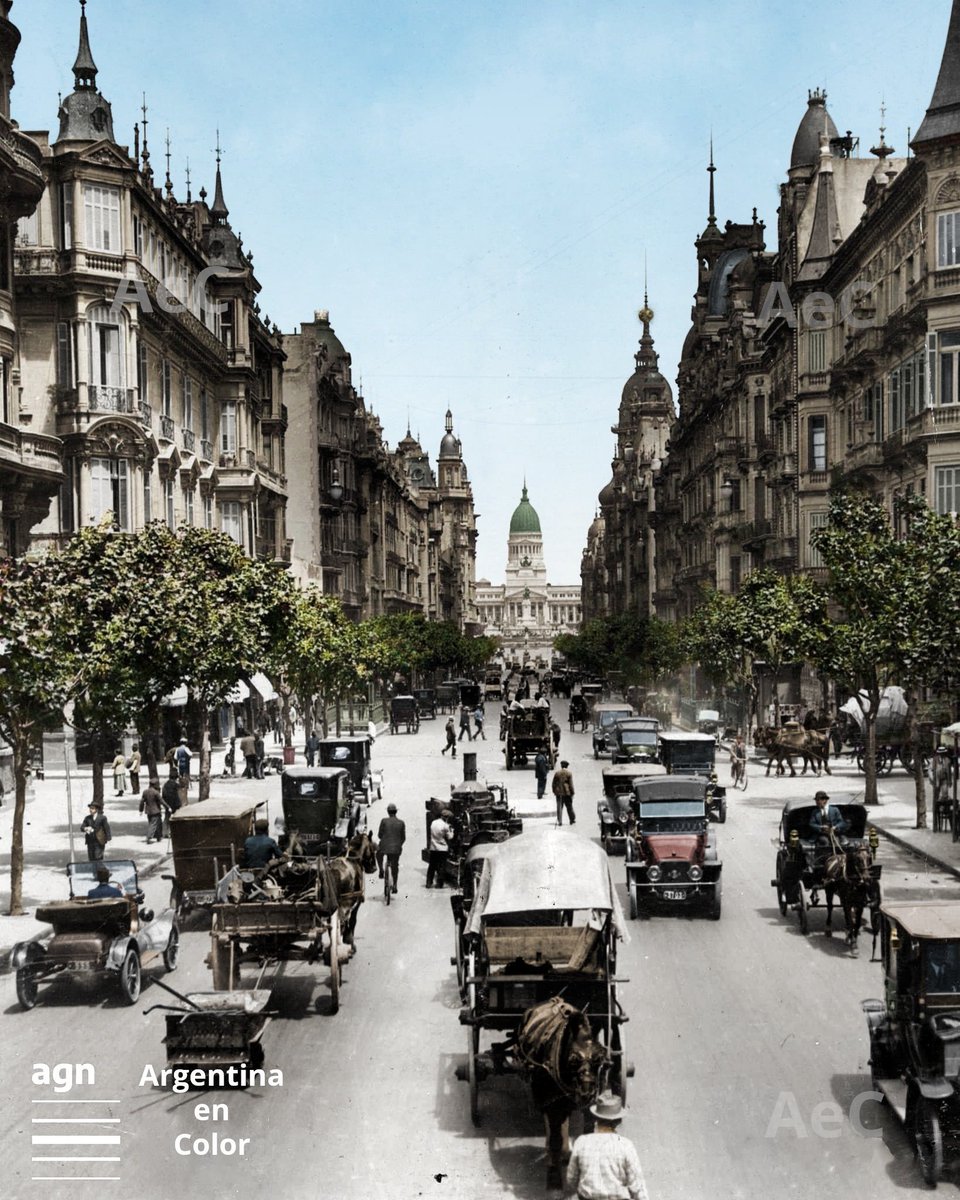
Reminder that Argentina was once as rich as the US and Buenos Aires was "the Paris of South America".
So what happened?
Here's how it looked — and what it teaches us... (thread) 🧵
Hola Pierpaolo, ¿cómo estás? Leí tu pregunta y también varias respuestas. Hay muchas visiones interesantes. Este tema lo analizamos mucho preparándonos para nuestra gestión. Voy a tratar de ser conciso y centrarme en dos puntos: 1) Prioridades. 2) Procesos para tomar decisiones sobre políticas públicas.
En Argentina hace mucho que no hay plata. No hemos sido conscientes, se gastó mucho y en muchos casos mal, muy mal. No solo no se prioriza bien, sino que no se evalúan los costos de operación, y por ende la tarifa que tendrían que tener los servicios que implican las obras. La falta de esta priorización en las inversiones, es parte del drama argentino y responde en gran parte al ¿Por qué no hay plata? En nuestro país faltan autopistas, rutas, caminos rurales, acceso a los puertos, trenes de carga y mejoras urgentes a la red ferroviaria de pasajeros del área metropolitana que es el tema que quiero desarrollar.
Entre los pasajeros registrados y los no registrados estimamos 1.5 millones de pasajeros por día en la red de trenes del AMBA. En su mayoría, gente que viaja para trabajar y estudiar todos los días. Después de la enorme degradación que hubo los últimos cuatro años, la gente en el tren viaja mal. Las frecuencias de los servicios están mucho peor que en 2019 principalmente porque no hay repuestos y los trenes quedan fuera de servicio. Esto va a seguir empeorando ya que no es algo que se resuelve en un rato.
Frente a esa situación, las prioridades al sistema, por mencionar algunas, para mí son:
* Comprar repuestos para los trenes y darle sustentabilidad al servicio.
* Potenciar el tren actual modernizando sus coches, especialmente los ramales Belgrano Sur y Belgrano Norte que tienen trenes viejísimos aún en uso.
* Terminar el viaducto a Constitución de la línea Belgrano Sur y hacer los cambios necesarios para mejorar su frecuencia.
* Hacer el viaducto del Sarmiento evitando los cruces a nivel que generan caos vehicular y graves puntos de inseguridad vial en los cruces a nivel.
Ahora bien, supongamos idílicamente que todos estos problemas están solucionados y el millón y medio de pasajeros diarios viajan bien, rápido, cómodos y seguros en toda la red ferroviaria. ¿Tiene sentido construir un tren o un subte al aeropuerto Ezeiza?
Nuestro principal aeropuerto tiene hoy un tráfico de 28.000 pasajeros por día. Algunos ejemplos: Barajas, en Madrid: 150.000. JFK en Nueva York y De Gaulle en París, 170.000. Heathrow, en Londres, 180.000. Números abismalmente mayores y, aun así, aeropuertos como JFK en Nueva York, no tienen conexión directa al tren o al subte y la combinación intermodal implica caminar más de 3 cuadras, bajar y subir niveles, etc. ¿Por qué pasa esto?
En su mayoría, los que viajan en avión, lo hacen con valijas y en grupo. Ellos priorizan servicios puerta a puerta, a pesar de una potencial congestión de tránsito y costos más altos. Para un grupo con valijas es muy engorroso subir o bajar escaleras, caminar largas distancias, pasar molinetes y subirse a un tren ocupado en su mayoría por gente que va y viene de trabajar. Aunque sea barato.
Aun así, asumamos que se duplican los 28.000 pasajeros de Ezeiza y pasan a 60.000 por día. ¿Cuantos usarían el tren? ¿5.000? ¿10.000? El tren San Martín, que necesita ser electrificado, lo usan más de 250.000 por día. Prioridades.
Necesitamos imperiosamente abrir el sector aéreo y que la estabilidad macro acompañe para que el turismo sea un factor clave de desarrollo. Ahí vamos a poder pensar cuál es el mejor proyecto para conectar los aeropuertos, sin descartar opciones como colectivos, metrobus u otros servicios que las nuevas tecnologías nos faciliten.
Agradezco tu pregunta y el debate que generó porque me hace repensar estos temas que tanto me apasionan y me vuelven a conectar con los equipos que trabajaron y pensaron estos proyectos. Actualizar nuestras miradas, rever los enormes desafíos que tiene nuestro país y trabajar en sus soluciones, siempre es enriquecedor.
New year reminder:
The last chapter of our life story is already written: we die.
Might as well fill the rest with epic stories of daring greatly and do what you’ve always wanted to do until that day comes.
We only regret what we never try.
Todos tienen el derecho de opinar sobre todo, pero por favor háganlo después de haber leído algo más que una publicación en las redes sociales. Formen una opinión propia por favor se los pido.
At their best, I think, the left prioritizes compassion & idealism, and the right prioritizes truth & pragmatism. Both sides are valuable in society. Unfortunately, both are too often captured by the extremes, and so we're rarely seeing the left or the right at their best.
“Every investment price, every market valuation, is just a number from today multiplied by a story about tomorrow.”
Truth.
More in the image.
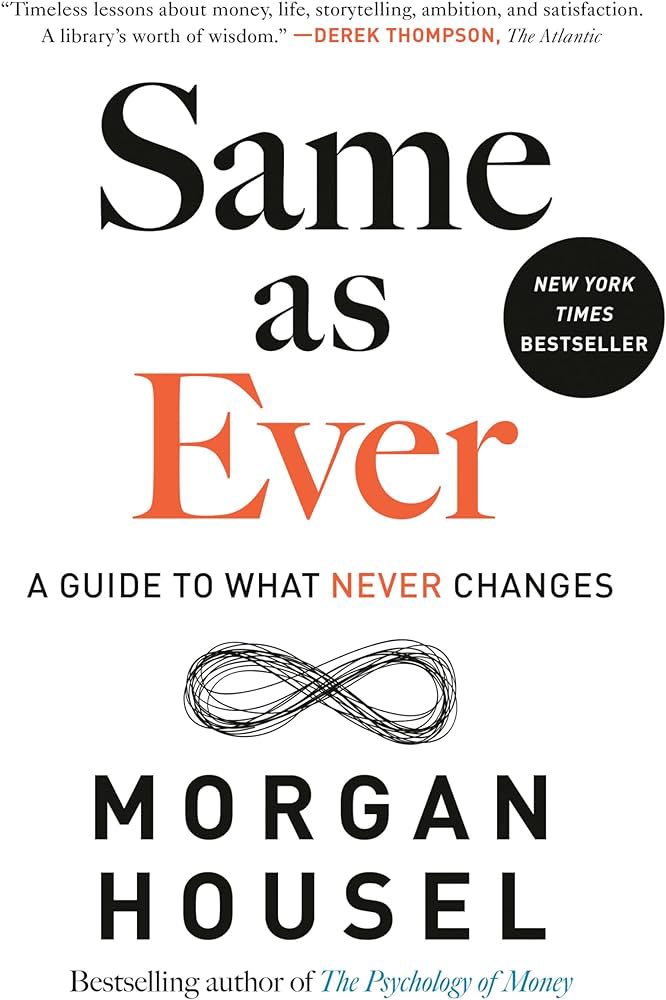
@morganhousel ‘s latest book Same as Ever, has great nuggets filled to the brim. Highly recommend to read.
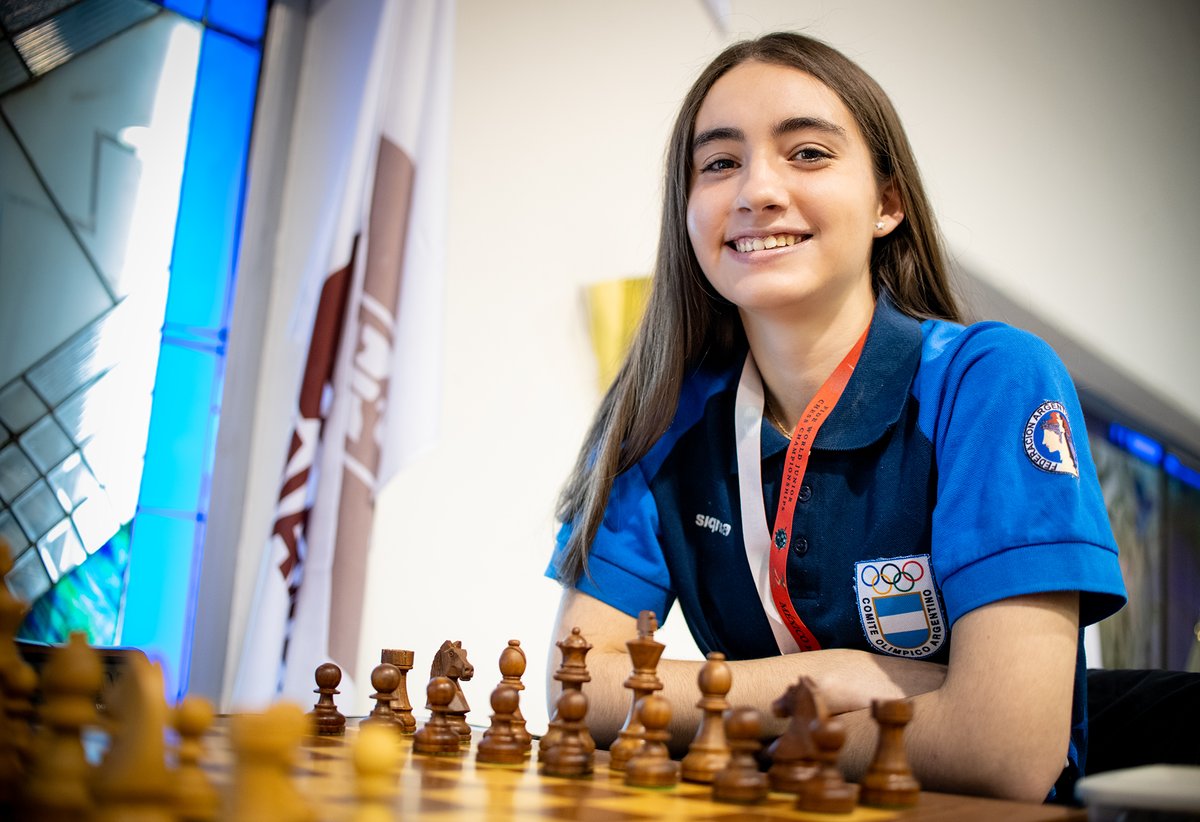
Confirmed: Candela Francisco is the new FIDE World Champion Junior (Girls U20). The 17-year-old Argentinian scored a heroic last-minute victory to leapfrog her last-round rival, Beloslava Krasteva of Bulgaria, and clinched the title thanks to her better tie-break. 🏆🇦🇷
📸: @davidllada
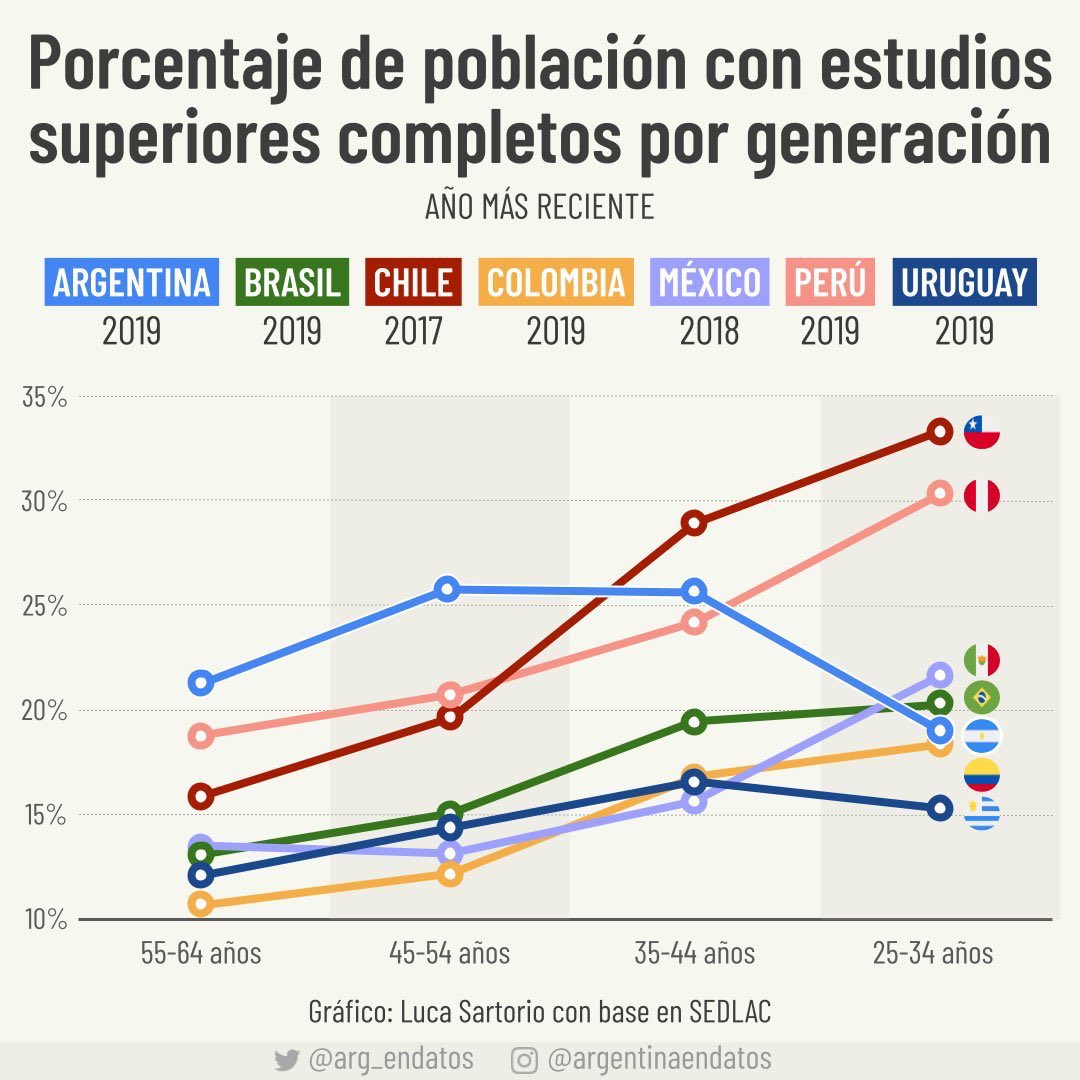
Hace unos días se viralizó este gráfico que hice, con muchas agresiones y descalificaciones, pero también muchos comentarios que valen la pena abordar.
Es una pena que las explicaciones requieran tiempo y detalle, pero creo que la importancia del tema lo amerita. Va un hilo. 👇
If you could write your own eulogy, what would it say?
Last week, as my wife and I drove home for her aunt's funeral, I learned that a high school classmate had been taken by cancer just four months after his first child was born.
I believe that there are 3 levels of sadness:
(1) Abstract Sadness: Sparked by events that you register as being sad, but that occur too far away from your life to impact you.
(2) "That Was Close" Sadness: Sparked by events that feel like a glancing blow, zipping by you just close enough for you to feel the impact, but not a direct hit.
(3) Painful Sadness: Sparked by events that create a direct impact on your daily life. The loss of a dear family member or close friend, for example.
In my mind, the "That Was Close" Sadness often has the most profound impact on how we live—it's close enough to force us to pause and think, but not so direct that we are knocked out of the game.
Life is so short. As Ferris Bueller famously cautioned, "If you don't stop and look around once in a while, you could miss it."
Sometimes we need to pause and force a real reset, to consider the bigger picture and to make changes in how we are living today.
Resume Virtues vs. Eulogy Virtues
David Brooks once wrote about the distinction between what he called Résumé Virtues and Eulogy Virtues:
• Résumé Virtues are the things you put on your resume. Your professional accolades, education credentials, titles, status, net worth, and more.
• Eulogy Virtues are the things people talk about at your funeral. Whether you had a clear purpose and worked with meaning, whether you were curious and interested, whether you were kind, loving, and trustworthy, whether you were a loyal friend, partner, and parent, and more.
His basic contention was that most of us waste away focusing on Résumé Virtues, but that Eulogy Virtues are (a) more important, (b) more fulfilling, and (c) all that really matters in the end.
When I've wrestled with this idea in the past, I've always arrived at the same fundamental roadblock:
Eulogy Virtues may be more important, but Résumé Virtues are not unimportant.
I want people to remember me for being a loving human and protecting and supporting my family and friends, but I also want to push myself to fulfill my potential on the "Résumé Scorecard" along the way.
What I've resolved: We can build both, but only by focusing on the correct directionality.
A purposeful focus on Eulogy Virtues will build Résumé Virtues, but a focus on Résumé Virtues will not build Eulogy Virtues.
My takeaway: Stop chasing Résumé Virtues at the expense of everything else in life. If we focus on working with purpose and meaning, following our curiosity and interest, and acting as a kind, loving, and loyal friend, partner, parent, family member, and colleague, the Résumé Virtues will take care of themselves.
How Will You Choose to Live?
Last Friday, I spent some time with a friend battling a brain tumor.
We spoke about how he has learned to appreciate the simple joys of life and let go of the silly material worries that used to occupy his mind.
More than anything else, he loves to speak about CHOICE. The idea that he gets to CHOOSE what to focus on each morning.
He can choose to focus on things outside his control and drive himself crazy, or he can choose to focus on things within his control and let the rest fall into place.
To me, that's what this whole piece is really about: Choice.
If there's one thing I learned last week, it's that life is so very fragile.
But no matter how fragile it is, each day, we have a choice of how to live it.
Each day is a fresh start, a fresh choice to make.
So, how will you choose to live?
"Find a relationship where you, naturally being you, makes the other person happy. And the other person, naturally being the other person, makes you happy."
@naval
♦️Conclusión:
1⃣Llegan jornadas muy complicadas, vamos a un escenario de alta incertidumbre, el dólar tiene un techo en la zona de $ 460/$480, con un precio en torno de $ 410 para el dólar MEP hay recorrido por delante.