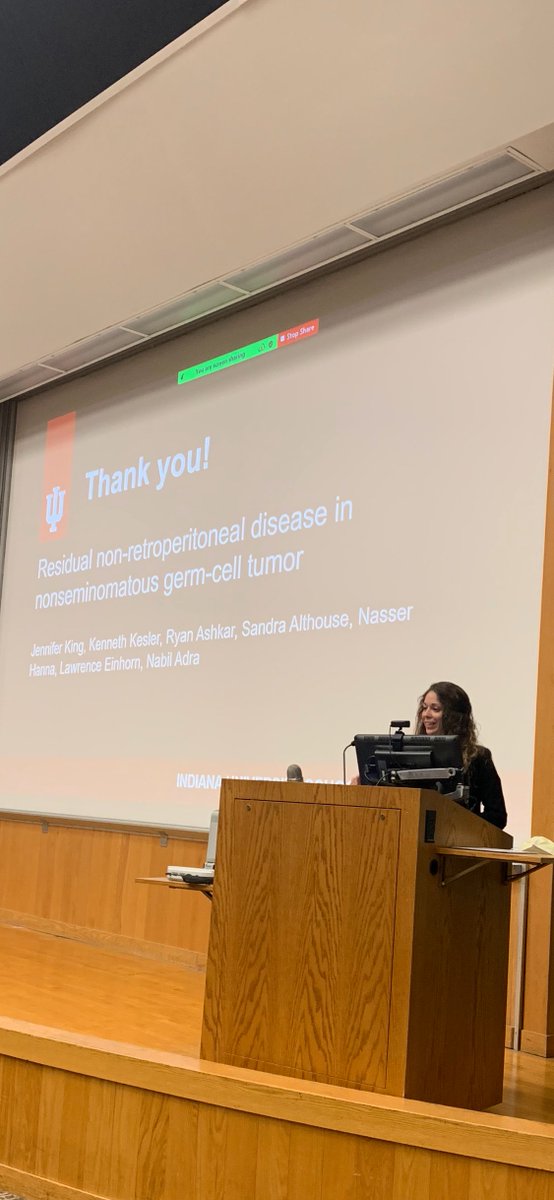
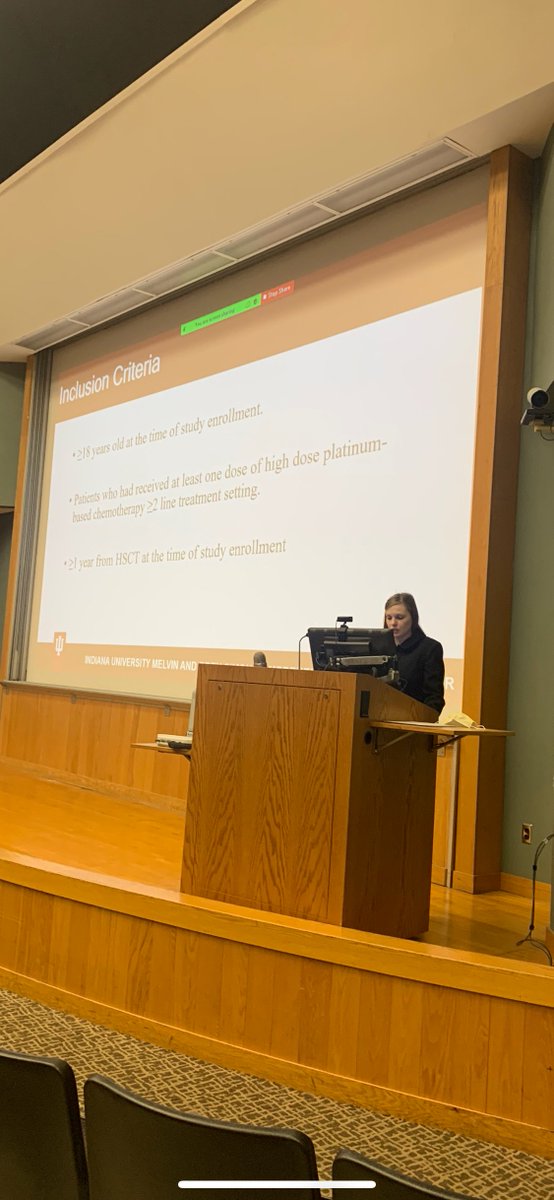
Congratulations to the Indiana team with @JenniferKingMD and @nabiladra presenting cabozantinib in refractory GCT, CBR 43%, very tough area to make progress, glad to see multiple MOAs advancing to try and bring better options for this patient population
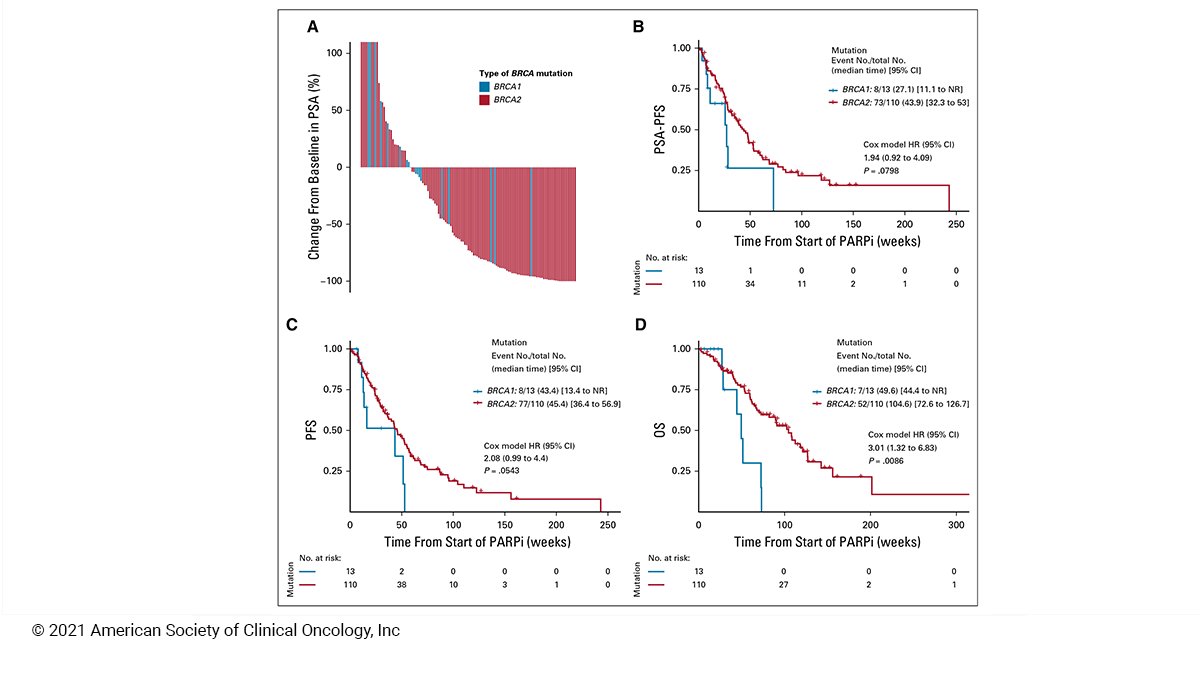
.@EAntonarakis & @faditaza et al. demonstrate from 123 pts w/ mCRPC having BRC1/2 alterations that PARP inhib activity is decreased in BRCA1 vs. BRCA2 and could likely be influenced by more monoallelic mut or concurrent TP53 mut in BRCA1 group https://t.co/p4Yfp9HwL4 #JCOPO#pcsm
1/8
“But is it one for all, or all for one?” @EAntonarakis once said.
Excited to share our work "PARPi efficacy in BRCA1/BRCA2 altered mCRPC patients".
Incredibly thankful to @EAntonarakis !!!
Check the #tweetorial 👇
@asco@OncoAlert@IUCancerCenter
https://t.co/NzYl0Z1V4o
8/8
In summary:
PARP inhibitor activity is attenuated in mCRPC patients with BRCA1 mutations.
The diminished efficacy appears to be associated with a greater number of monoallelic (rather than biallelic) mutations and a higher prevalence of concurrent TP53 alterations in BRCA1.