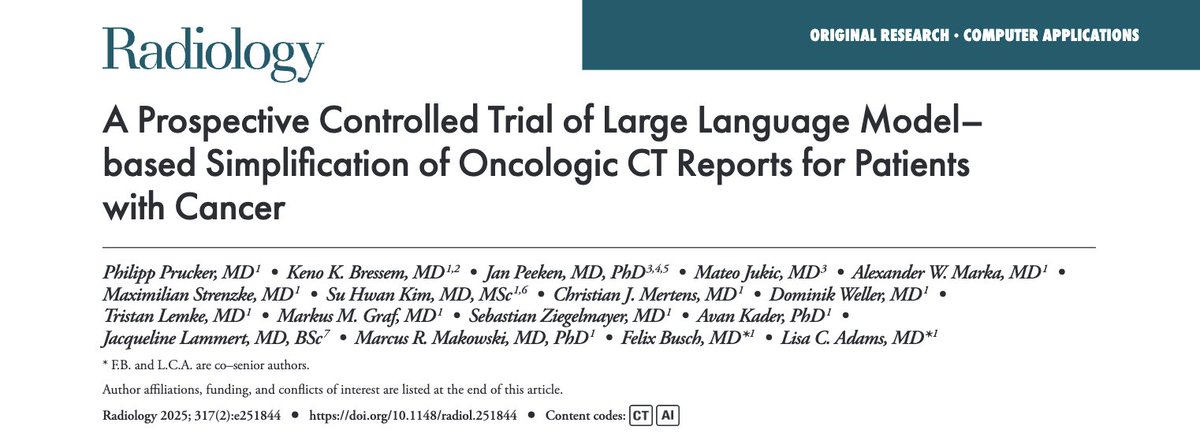
Can cancer patients understand their own CT staging reports? With mandatory portal access, patients are reading complex reports & test results before talking to a physician.
New @Radiology_RSNA study tests if #AI can help: #RadInTraining#Tweetorial
📖https://t.co/PfrIMqu88C
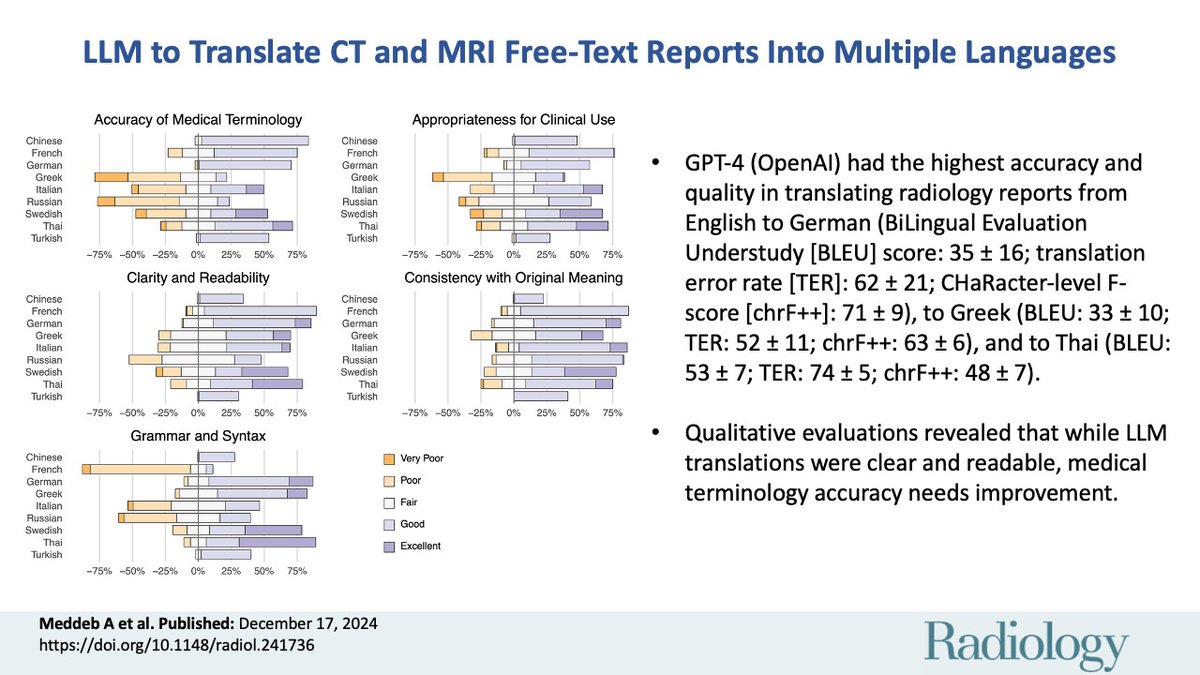
Large language models can translate radiology reports into clear and readable non-English texts, although medical accuracy needs improvement and quality varied based on model and language pair. https://t.co/wbFeG6zMBs
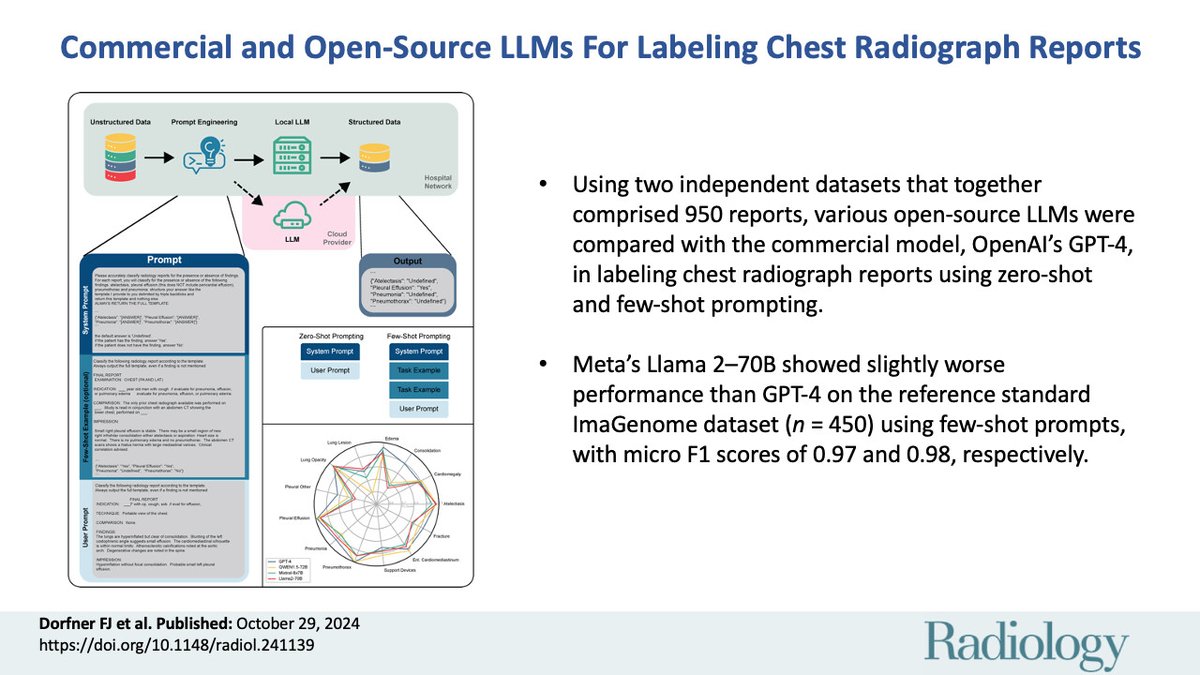
Analysis of commercial and open source LLMs for labeling chest radiograph reports showed superior performance of ChatGPT-4 vs open source models in zero-shot labeling and comparable performance for few-shot prompting. @FelixDorfner@k_bressem@qtimlab https://t.co/VncMAx6CCM
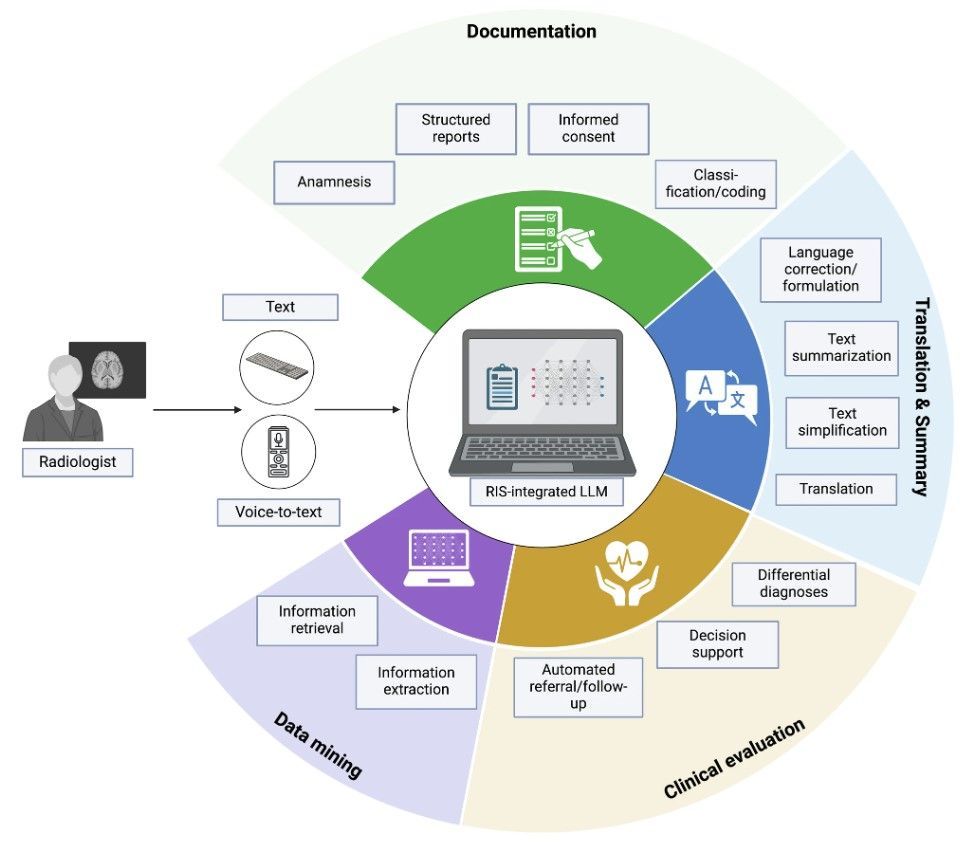
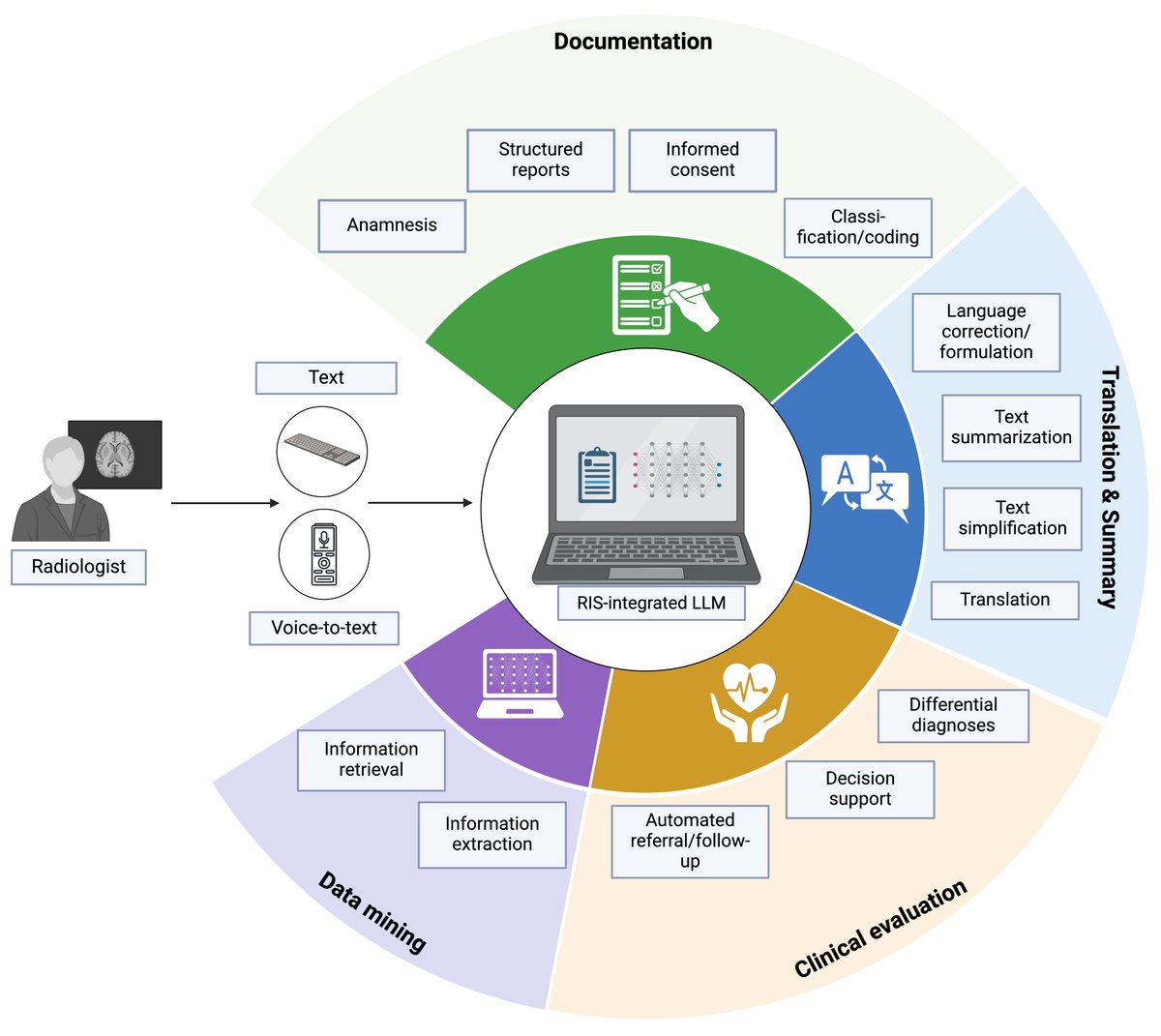
How will large language models transform structured reporting in radiology and beyond? In our comprehensive review just published in @EurRadiology, we deeply dive into the past, present, and future of LLMs for radiology reporting. Read the article here: https://t.co/PZmILklile
🚨 New Paper Alert! 🚨 We've discovered a major vulnerability in medical large language models (LLMs): they're highly susceptible to targeted misinformation attacks. This could have serious implications for healthcare AI! @DanielTruhn@jnkath
Full paper: https://t.co/4VAhuuNEEv
Our large-scale multicenter study of 4596 medical, dental, and veterinary students from 192 faculties in 48 countries provides crucial insights into the global landscape of AI perception and education in healthcare curricula. https://t.co/jaOUpFd1kA #AI#medicaleducation
The study is now available as a preprint at: https://t.co/DTZa1GPkRK
Many thanks to our global collaborators who made this study possible! Special shout out to @Fel_Busch for leading this initiative.
#COMFORTproject#HorizonEU
With AI becoming increasingly crucial in healthcare, we wondered: how do patients feel about its use? To find out, we conducted a massive global survey, gathering insights from 13,806 patients across 74 hospitals in 43 countries as part of the #COMFORTproject.
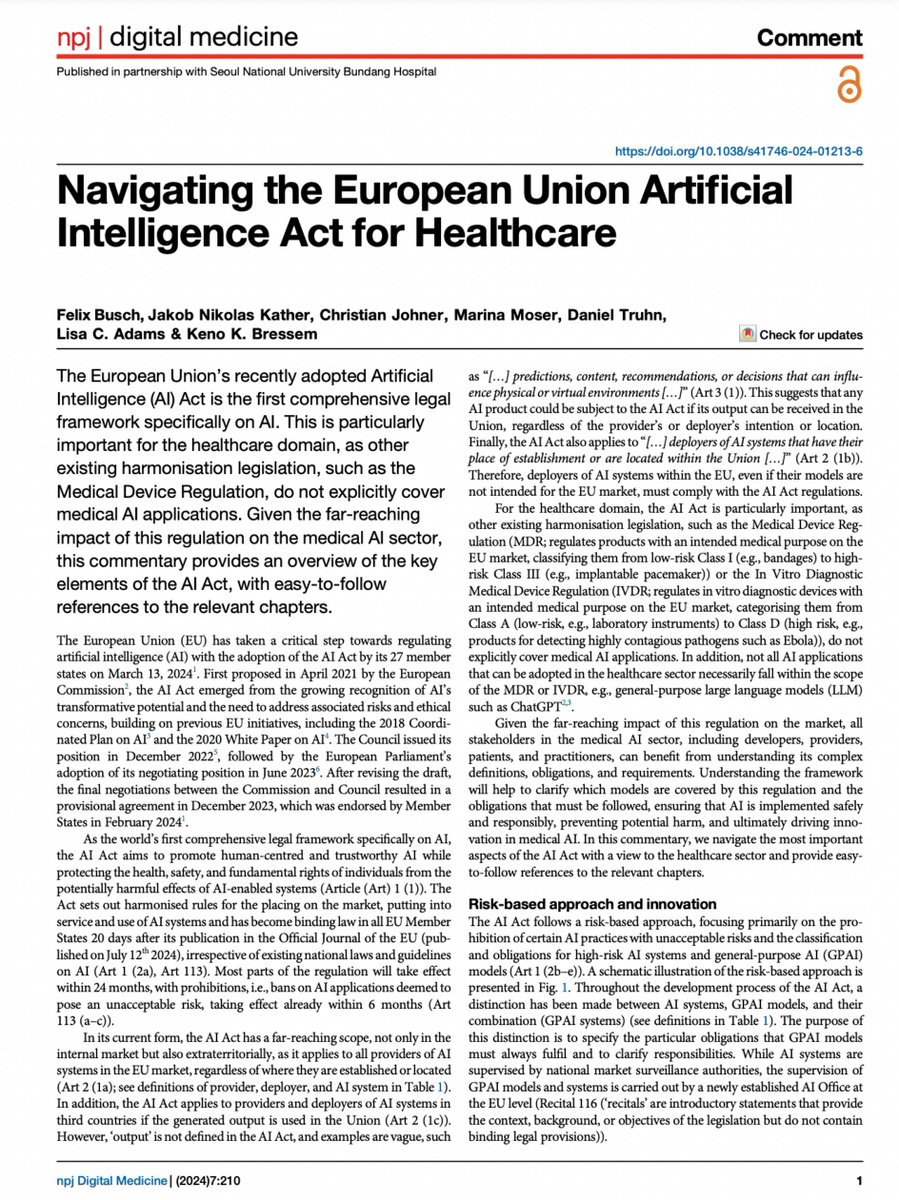
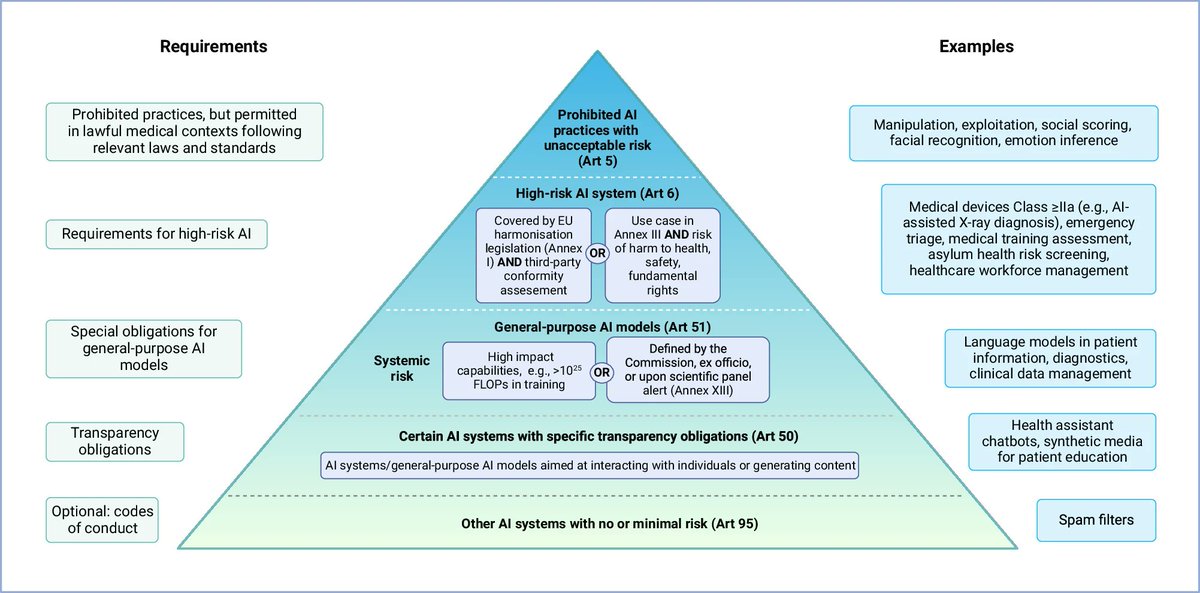
Our new @npjDigitalMed commentary analyzes the EU AI Act's impact on healthcare. We explain the risk-based approach, explore implications for radiology AI, and discuss regulatory challenges for medical AI. Full article here: https://t.co/iYoGaLyrB3
Thanks to @Fel_Busch@k_bressem@DanielTruhn@christianjohner@jnkath
The European Union recently adopted the #AI Act. It is the first far-reaching legal framework dedicated to AI. But what are its implications for the healthcare domain?
A new journal article by some of our #COMFORTproject team members sheds light on this issue. 💡
Ever wondered about:
- Prohibited AI practices and their exemptions?
- High-risk AI systems and general-purpose AI models?
- Key compliance requirements of the AI Act?
- Who is affected by the regulation?
Then our work is for you: https://t.co/5nivOchX3Z