#ESPGHAN22 goes hybrid!
Our 54th Annual Meeting will now take place onsite AND online.
Join us in Copenhagen, Denmark, from 22-25 June or virtually from around the globe.
Sign up before 30 March to benefit from the early bird fee.
Find out more: https://t.co/eHjCM2cagg
Proud of our study, published in The BMJ today. Dormant trials can be reactivated with real-world data to answer important questions about long-term consequences of early interventions. 86% follow-up after 16 years. @FewtMary@bmj_latest
Our updated statement includes a reference to the fact that there is no evidence of COVID-19 being transmitted through breast milk. You can read the full position statement here: https://t.co/SLipxC48xN
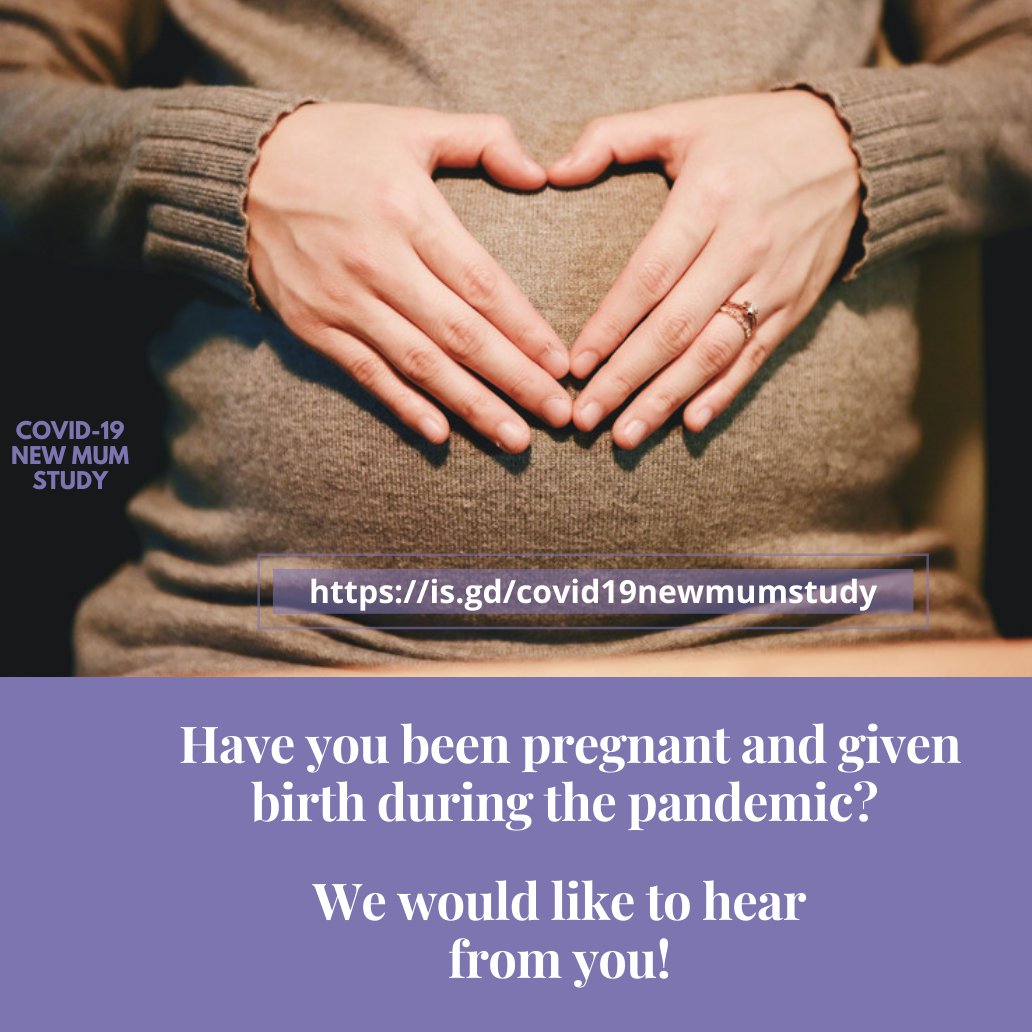
We are still here and still recruiting! Any mum who is living in the UK with a baby under 12 months is invited to participate, but we are especially keen to hear from people who have become pregnant and given birth during the pandemic. Link to participate: https://t.co/wUb6NvWviF
🎙️Coronavirus: The Whole Story: How is the pandemic affecting pregnancies and new parents?🤰
This week, host @vivienneparry is joined by Prof Mary Fewtrell (@UCLchildhealth@newmumstudy), Dr Zeynep Gurtin and Dr Jenny Hall (@UCL_IfWH) #UCLMinds 👇https://t.co/434eWp2Snf
Members—@HIFN12 is coordinating a simple audit of excessive weight loss in the first three weeks of life, before and after the start of the pandemic, in response to reduced breastfeeding support. Find out more and lead this audit at your Trust: https://t.co/MfwzxWLtkV
Key points from our #COVID19NewMumStudy on maternal mental health & coping. A large proportion of new mothers reported symptoms of low mood, anxiety and loneliness during the lockdown. Latest @bestbeginnings #BabiesInLockdown report has also shown this. Urgent action is needed!
We are very keen to hear from mums of Black, Asian and minority ethnic backgrounds.
Follow this link to voice your experience: https://t.co/wUb6NvWviF
5/5
#COVID19NewMumStudy
Most frequent reason given was the lack of face-to-face help with breastfeeding that led them to start expressing milk, start providing formula, or stop breastfeeding. 2/5 #COVID19NewMumStudy
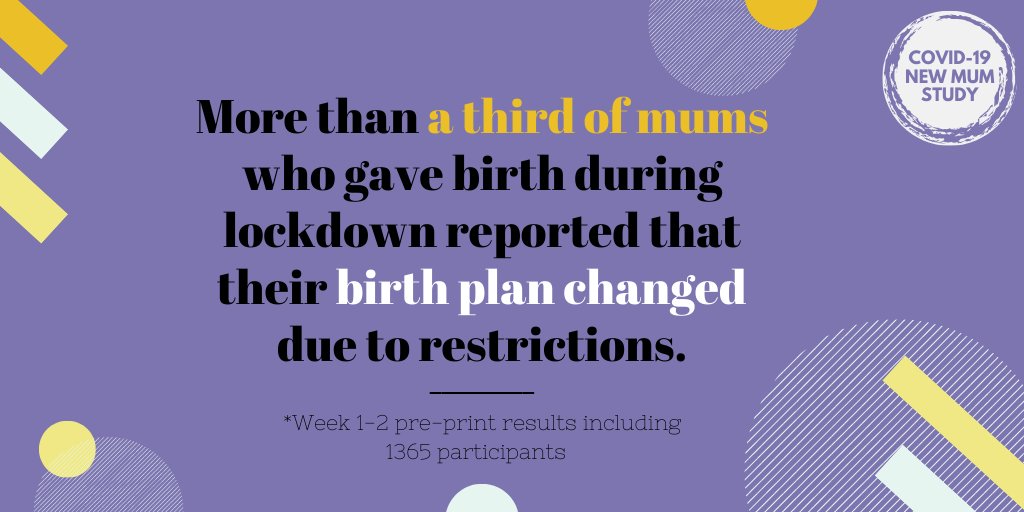
Some of the highlights from our study (pre-print results): The most common reasons given for the change in birth plans were having to give birth in hospital rather than a midwife-led unit and being allowed one birth partner only. 1/5 #COVID19NewMumStudy
The impact of the Covid-19 lockdown on the experiences and feeding practices of new mothers in the UK: Preliminary data from the COVID-19 New Mum Study https://t.co/cEcXBCfBK6 #medRxiv
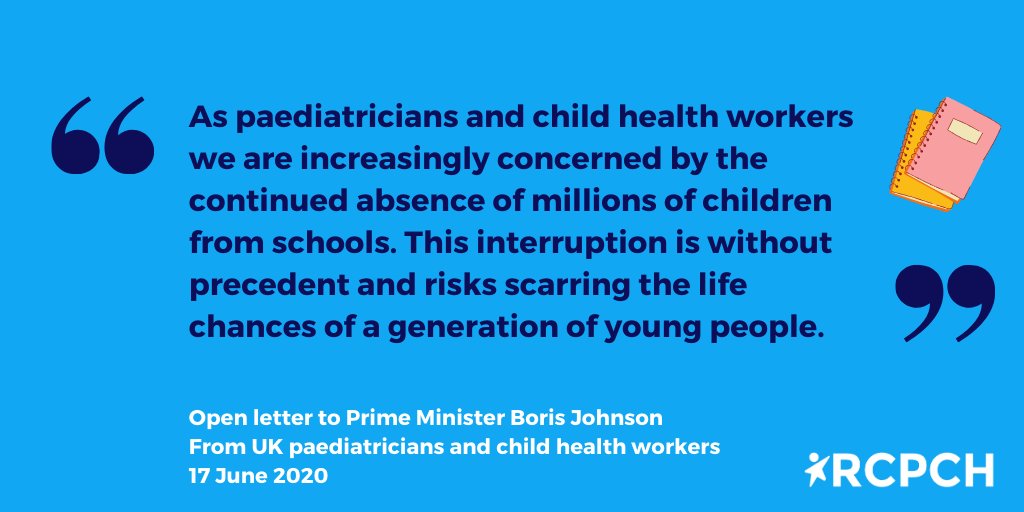
In the last 24 hours more than 1500 paediatricians and child health workers have signed an open letter to the Prime Minister.
The letter calls for a clear plan from government about getting children back to school.
👇👇👇
Read: https://t.co/1IzxG3hfUT
“At the start of my pregnancy I didn’t envisage that I would face giving birth during a global pandemic” Siam Mashall shares her experience giving birth @croydonhealth#midwives2020
Breastfeeding is recommended during pandemic, but coronavirus has changed support systems https://t.co/a5P89w8dS8 via @ConversationCA
This is one of the issues we are investigating in the UK in the COVID-19 New Mum Study
https://t.co/UOouf5WtjD
https://t.co/e2TojWGjQm