There is an especially outlandish conspiracy theory that oncologists are hiding the cure for cancer
Its proponents must think us particularly noble, then, when we sacrifice our lives to keep the secret: forgoing a panacea and succumbing to the very disease we treat
Dr. Shroff is not the only “wounded healer” I’ve known, but her legacy is far more than the wretched illness that claimed her own life too soon
She did her very best to push oncology forward, especially for patients with notoriously difficult-to-treat biliary tract cancers (a close relative, anatomically and sometimes pathophysiologically, to pancreatic adenocarcinoma)
I remember her incredible humility to stand at the podium at one of our largest scientific conferences and admit that a triplet therapy had not produced the benefits she had hoped for, allowing biological plausibility to cede to data yielded from the clinical trial she conceived & ran
Our field is full of such examples of good ideas failing to reach fruition, but we can only get better by admitting what’s not working as well as promoting true advances
When the history books are written, most, if not all chemo will look like grand folly, akin to our modern view of, say, blood-letting
But it is because of visionary physician-scientists like Rachna that we are making any progress at all: doing the best we can today while realizing there must be a better way and testing rigorously our ideas of how we might get there
May she be remembered in part for her tireless work, born out of irrepressible hope and true caring for her own patients as well as ones she never met (she never failed to kindly & helpfully answer a question I posed to her when I faced a management conundrum in her niche of cholangiocarcinoma)
RIP to a dear colleague (link in post below to a fund for young investigators named & bestowed in her honor)
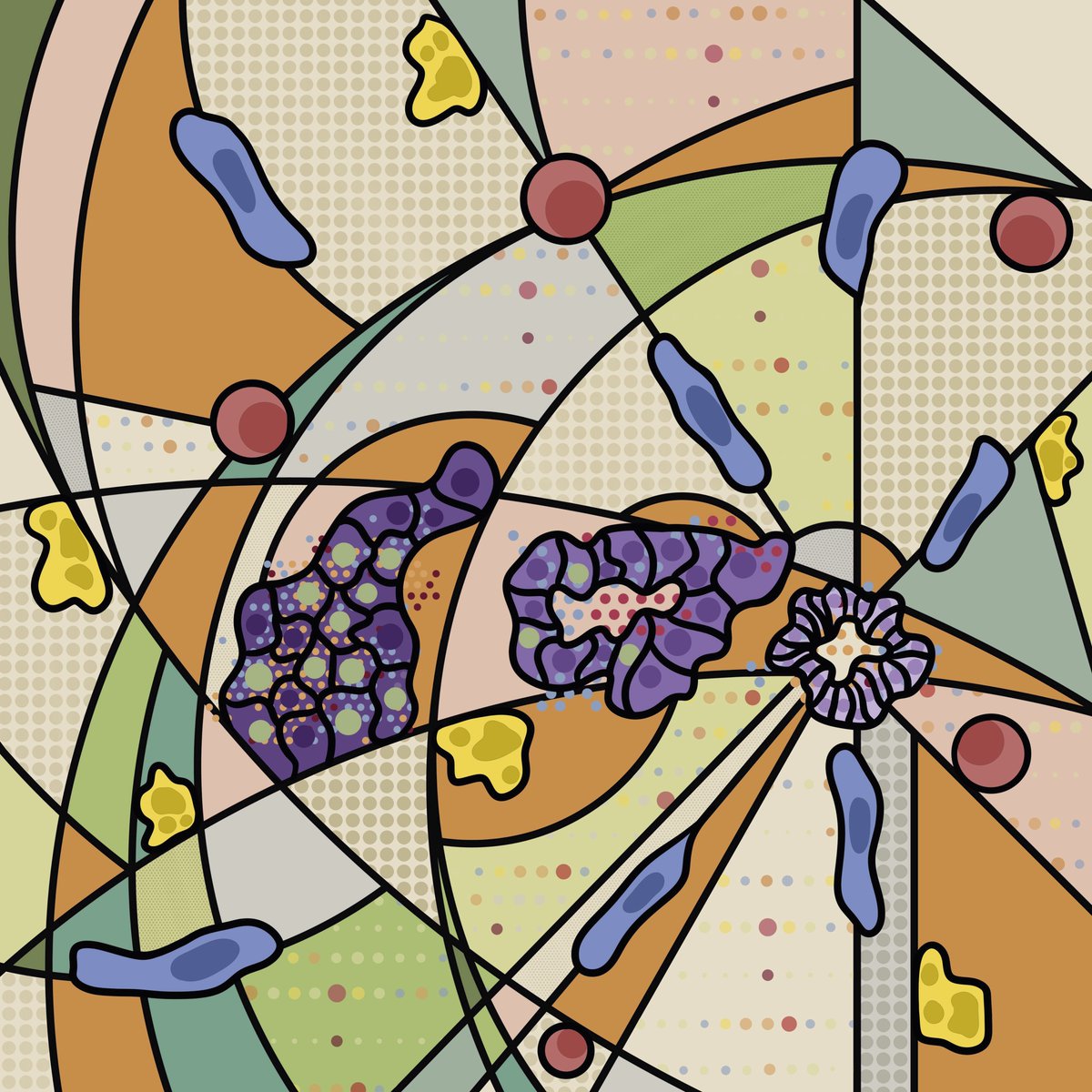
The new issue of @CD_AACR is out, with a cover article on spatial transcriptomics of #PancreaticCancer precursor lesions, by @Pasca_Lab@UMICHpancreas
Asynchronous Evolution of Epithelium and Stroma Differentiates Precursor Lesions from Pancreatic Cancer
https://t.co/Ywns8NcdnL
MIT published a brutally honest report on what AI is doing to students.
A committee of professors and students spent five months studying how AI changed learning on campus, and the findings read like a warning to every university on the planet.
Study groups are disappearing. Office hours are emptying out. Problem sets and take-home exams no longer prove anything, because AI can produce credible solutions to almost any written assignment in the undergraduate curriculum. Students who lean on chatbots lose mastery and confidence, and some slip into what the report calls cognitive surrender, reaching for AI at the first hint of struggle.
The numbers are rough. 46 percent of surveyed MIT undergrads use LLMs daily. 90 percent worry about their own overreliance. Undergrads who feel AI makes them replaceable now outnumber those who feel it makes them capable.
The committee's answer surprised me. They refused to fight AI with surveillance. The report calls AI detectors unreliable, says lockdown browsers feel like spying, and warns that policing students builds a classroom atmosphere of mutual distrust.
Instead, MIT wants to rebuild education around the things AI can't replace. That means oral exams, semester portfolios, in-person project work, and a required social component in every subject. The report even floats the idea of rethinking grades entirely, since without a GPA to optimize, much of the incentive to cheat with AI evaporates.
The committee warns professors against replacing undergrad research assistants with AI agents just because they're cheaper, because a university exists to grow people, not output.
The most famous tech school on earth admitted the machines broke its way of teaching. Its answer is more humans, not more software.
I have quite a lot of thoughts on this..that won't fit in a tweet. Bottomline is that there are issues scientists in the US would love to improve - faster review, less grant writing, more stability and freedom to do risky science. The folks celebrating this doc are mostly../1
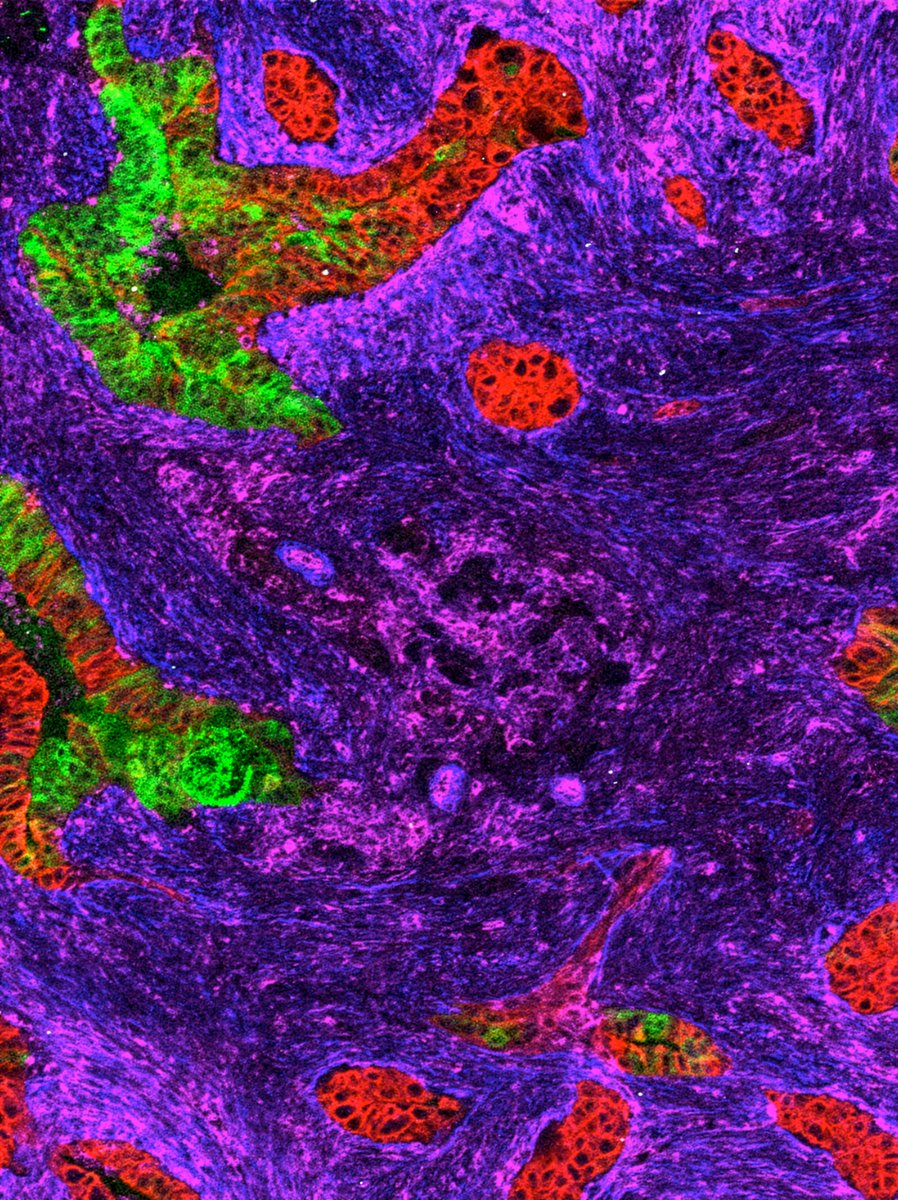
#PancreaticCancer on cover of @CR_AACR.
New study from @hopkinskimmel on fibroblasts regulating cancer cell lineage state.
Cancer-Associated Fibroblasts Promote Epithelial–Mesenchymal Transition and Classical to Basal Subtype Shift in Pancreatic Cancer
https://t.co/6UnOduP3Xm
@SyedAAhmad5 @TheNotoriousHPB No one is right in this. The red card was a terrible call (see Messi earlier in the tournament). White House calling like a helicopter parent to fix a kid’s grade says everything about FIFA and “fairness”. The best generation of US soccer players is caught in the middle…
The bitterest lesson for AI applications on bio & health is that the field is full of shitty benchmarks and shitty metrics. This is also a great reminder that gate keeping journal peer review is a joke.
People keep confusing predictive representation learning with causal discovery. Without perturbations, temporal information, genetic instruments, anchoring in sequence or strong biologically causal structural assumptions, there will be no causal model of gene regulation. 2/