In October of 2020 a small group formed around a central vision: compile the world's greatest NFT collection
Thus, Flamingo DAO was born
This week we're celebrating Flamingo's 5 Year Anniversary and the artists, collectors & friends who helped shape the DAO to what it is today
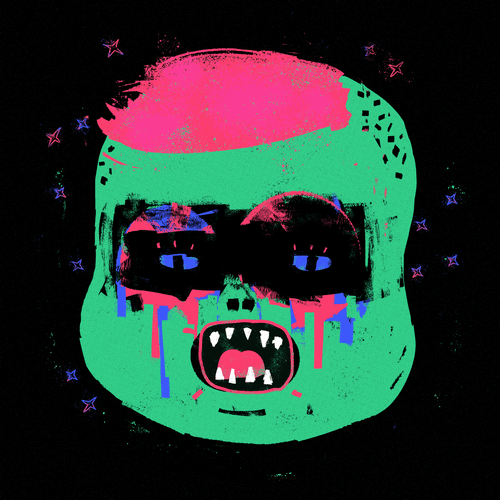
What is left by @operator_______
A Gallina hand study from 1779 gets retooled as a live score for the contemporary hand: fingers extend, then slip into the learned grammar of holding a phone and scrolling. The loop lands where habit becomes form and where the device widens the hand’s reach past anything the original stencil could have contained.
Made for Alternative Dimensions at the Andrey Sheptytsky National Museum in Lviv, the piece binds museum history to NFT circulation without flattening either. Forty percent of the sale supports Ukrainian museums under siege.
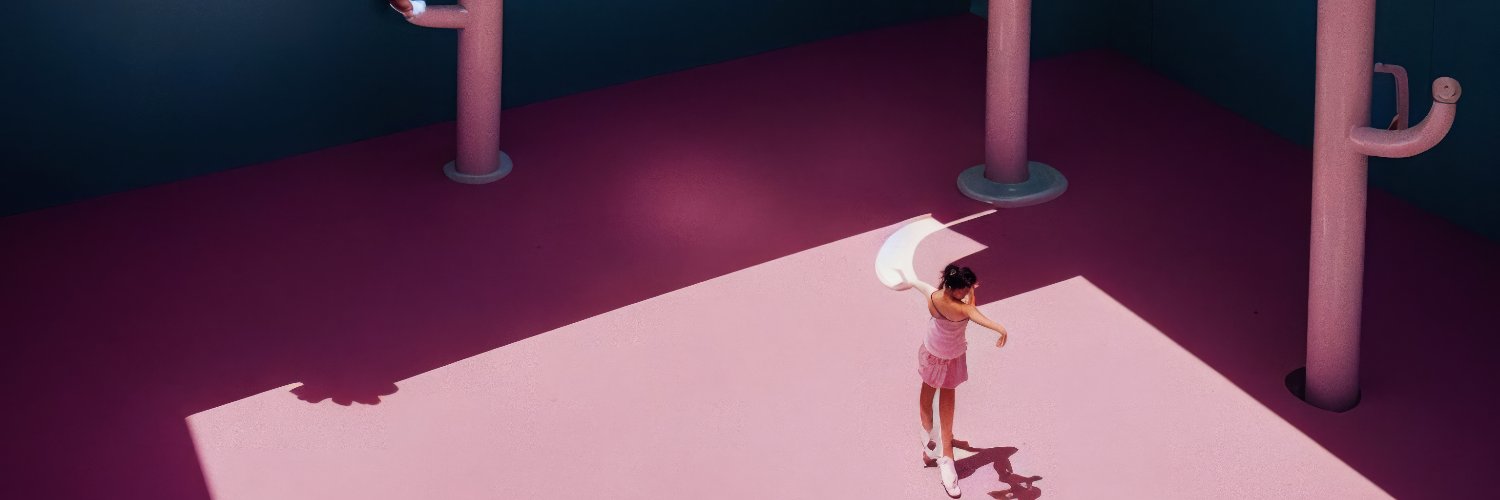
Casa Roja by @GrantYun2
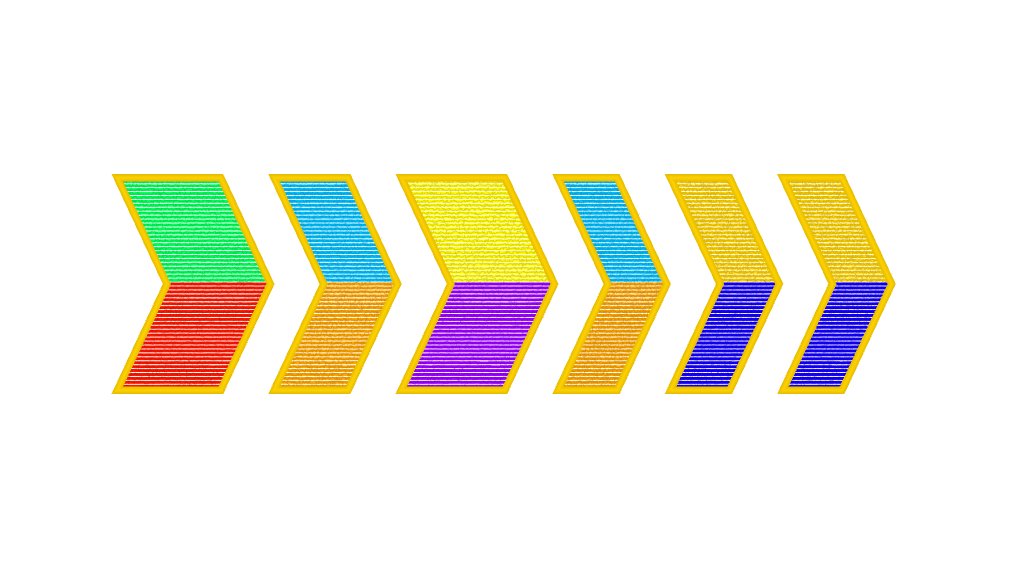
Each piece was created on Microsoft PowerPoint using 1 layer by taking the shapes tool to manipulate shapes to create silhouettes of objects.
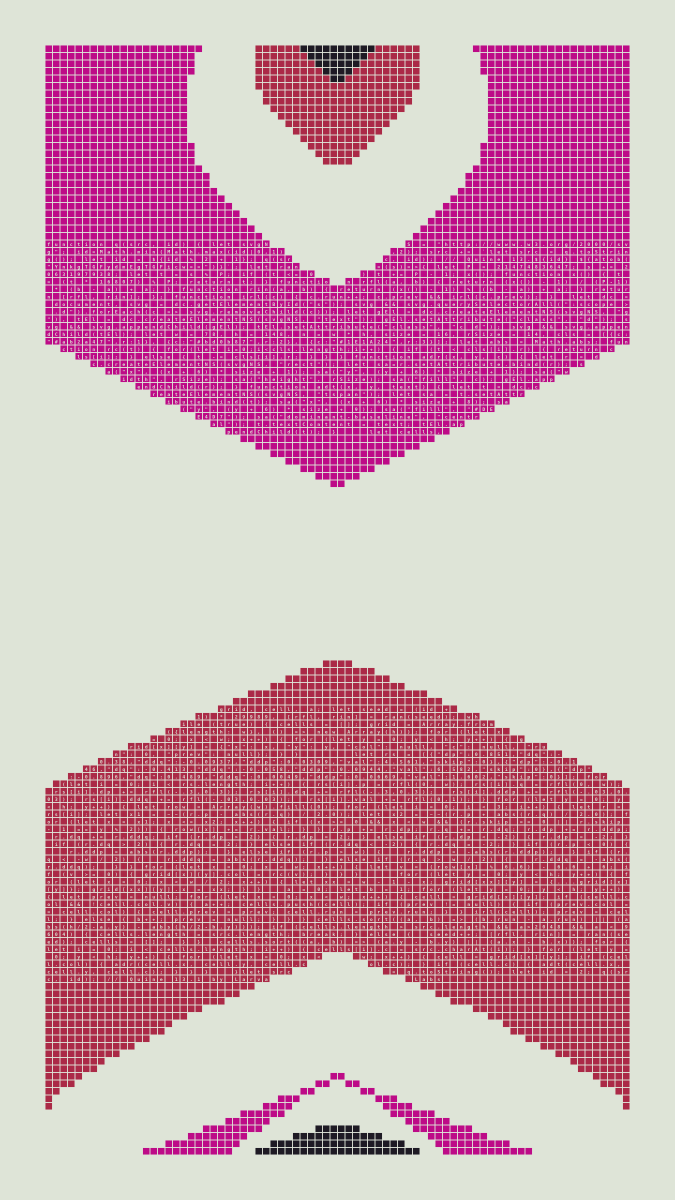
Elevated Deconstructions #13 by Luxpris
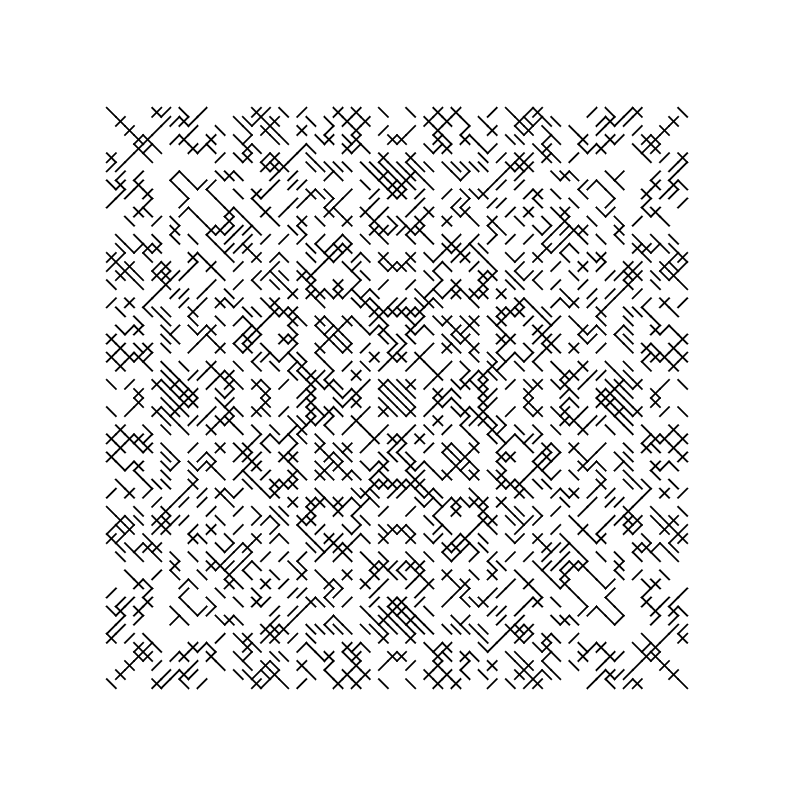
"A study in reduction based around several repeating elements. A unique hash string seeded within each token informs the composition of the work."
/// #386 & #697 by @ArtOnBlockchain
Snowfro’s /// reduces Formula One to a procedural grammar: segmented marks, interval, acceleration, restraint. The work doesn’t illustrate speed so much as calibrate it, turning race states into a minimal system where chromatic decisions carry the force of pace, pressure, and timing.
What matters is the discipline of the reduction. In the Velocity Series context, /// holds its ground by refusing spectacle and letting structure do the work. It reads less like branded motion graphics than a tightly scored generative painting.
So beautiful. Such an amazing collection. @FLAMINGODAO do you have Rain Blooms by @KZ_LAB_E in the vault yet? Cellular automata creating dynamic beauty.
Along with Memories of Digital Data, two of my favorite @artblocks_io releases.
Super Cool World #2061 & #2092 by @ninachanel
Nina Chanel Abney’s Super Cool World is interesting less as a celebrity-era NFT drop than as a stress test of her image system. The question is whether her clipped bodies, traffic-sign flatness, and hard graphic collisions can survive translation into 5,080 generative works.
That’s the real hook: not access, not lore, but permutation. Abney’s best compositions rely on pressure, cropping, and exact imbalance. Super Cool World matters to the extent that authorship can stay legible once that syntax is handed over to a trait engine.
Meridian #743 & #790 by @mattdesl
Matt DesLauriers treats the cryptographic hash not as provenance but as a coordinate. Each Meridian token is a view into a multidimensional parametric space, the hash functioning as an input that unlocks one of 1,000 landscapes from an infinite terrain.
His process runs closer to survey than simulation. Particle erosion, plotter constraints, two or three ink colors per output. The goal was never to approximate a mountain. It was to design conditions under which one could emerge.