Five Ways to Wellbeing - learn new skills. Discovering new interests is both a great way to grow and meet like-minded people. Take a look at the range of societies you can join 👉 https://t.co/7xmUN6RDDs. Keep an eye on FX Plus events 👉 https://t.co/Xm49vHLtLo
Thank you to all the incredible #students for this recognition of excellence in #teaching, a huge surprise for my first year of teaching at @StirUni! Very grateful to be a part of a supportive community, thank you for the award & shortlist @stirlingunion@StirBES @StirlingScience
Congratulations to the RATE Teaching Award winners @FloraRendell for innovation in teaching and @bradduthie for excellence in teaching. Also shortlisted for commitment to EDI and inclusion @AlanLaw_ and Verity Flower @StirlingScience @StirBES@stirlingunion
Congratulations to the RATE Teaching Award winners @FloraRendell for innovation in teaching and @bradduthie for excellence in teaching. Also shortlisted for commitment to EDI and inclusion @AlanLaw_ and Verity Flower @StirlingScience @StirBES@stirlingunion
As an environmental advocate, I am often asked if I have hope. But how can you when you see a graph like this?
“Do you have hope for the future?” “What gives you hope?” These are questions that I have grappled with for years, and my response may be quite blunt.
1. Hope is a dangerous word. Don't get me wrong, I understand the importance of morale, especially in difficult times. It keeps us going. But it can also be used as an excuse for inaction. We say things like, "I hope someone will fix this," or "I hope things will get better soon." But hope on its own will not solve the environmental crisis and the accelerating speed at which it is taking place.
2. If we want to have hope for the future, we have to earn it. We have to take action, daily. Especially those who are most responsible.
3. Equally, this shouldn't leave the rest of us to merely hope they will get on with it. We need everyone to take action now.
4. Hope shouldn't be passive. It's an active journey that can start with all of us becoming environmentally literate. Only when we understand the impact of our actions on the natural world can we make informed decisions.
So please take another really good look at this graph, and understand that every fraction of a degree of warming in our oceans has an enormous impact. Then realise that every action we take matters.
Many thanks to everyone who came to my poster showcasing @StirUni@UK_CEH@UofGlasgow and
@sceneUofG research at #SETACDublin@SETAC_plastics @SETAC_world! If you’d like to read some more lamprey work, follow this link to our recent open access paper https://t.co/L43v9NzuHm
Many thanks for the opportunity to present our recently published work @Scottish_FwGrp! A fantastic meeting with some very exciting and varied research🥳🌊🌿🍃Check out our paper here https://t.co/L4zQOzcPxZ @UK_CEH@StirUni
So happy to see this research paper published. But sad to see proof that microplastics are being ingested by WOL lamprey. Especially as we know #Otter cubs born on the river last year were fed lamprey as their first meal !
#plasticpollution@BBCWinterwatch@IoloWilliams2
@WOLCT@BBCWinterwatch@IoloWilliams2 Thanks for sharing @WOLCT and for all your support during the research, very sad - but yet another piece of data to add to the puzzle to support the important protection of our freshwater habitats in the UK!
We seek participants for a study of people's emotional responses to the #ClimateCrisis & decisions about taking #ClimateAction.
More info: https://t.co/jVyFT8p4hi
Please watch this space for more dates ahead too!
The team at Climate in Mind is looking for research participants interested to talk about #ClimateChange & decisions about taking #ClimateAction. First online event below, more to follow!
More info: https://t.co/2m2ca87TJy
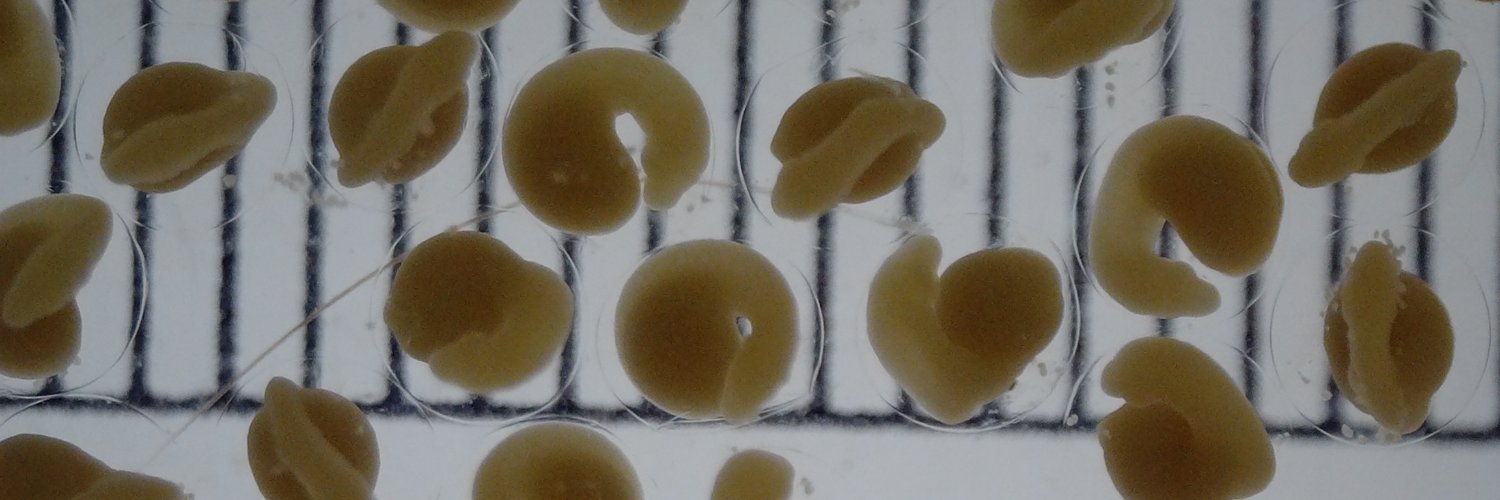
If you watched the recent series of BBC @BBCSpringwatch, you'll have heard mention of research into #microplastics uptake by lampreys... Now read more in the new paper from @FloraRendell ⬇️
https://t.co/OaeBzGPqSa
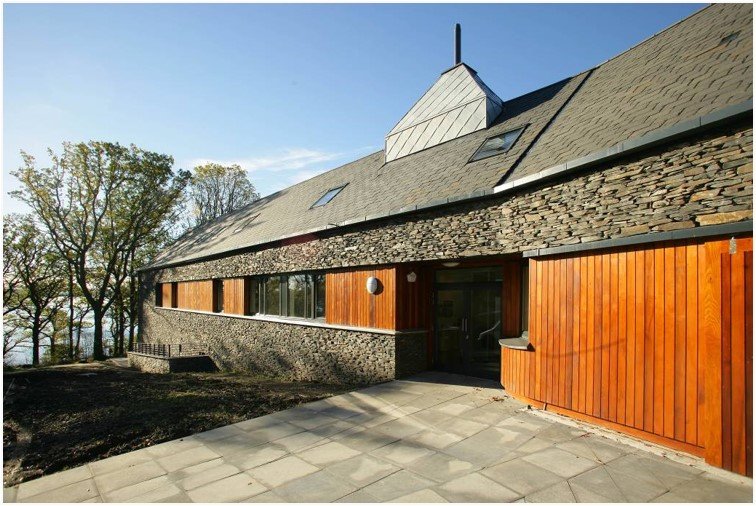
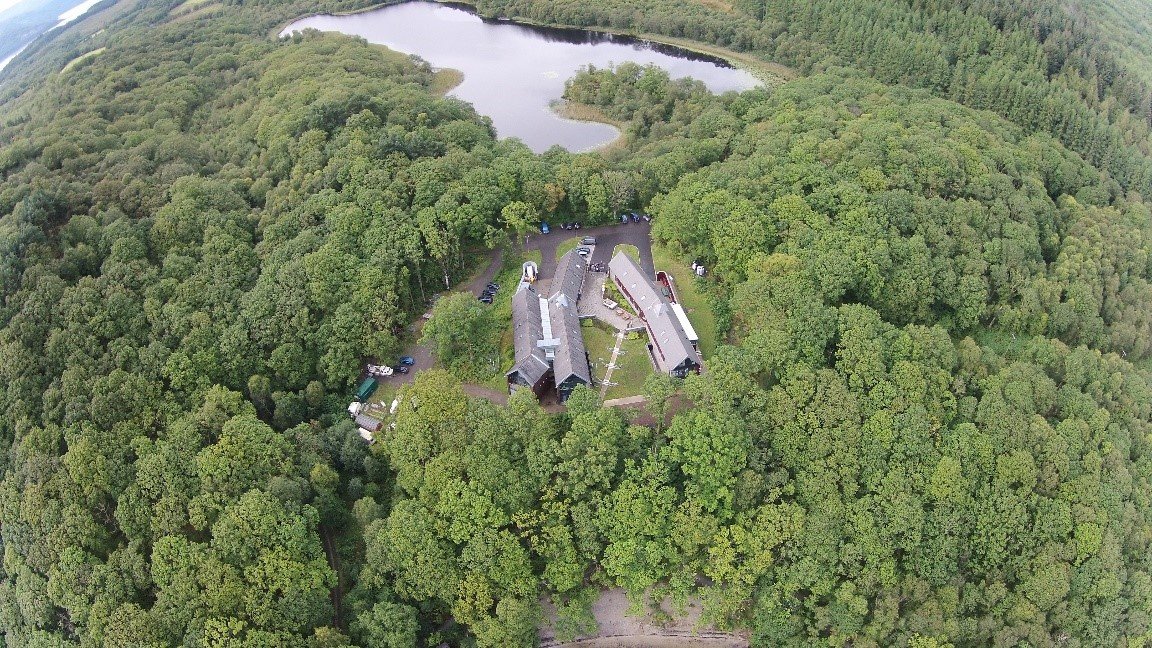
Interested in an exciting technical post for an ecologist working in a field station in some of the most important habitats in Scotland? We have a new position at SCENE on Loch Lomondside @sceneUofG@GlasgowUniFish https://t.co/hh4XNDRQv4
@Watts_SH @StirlingScience @lochaberfish Thank you for the RT @Watts_SH and fantastic to see you have lamprey larvae at #Corrour! Let's hope #lamprey get noticed a bit more and this research helps #conservation efforts to restore and protect populations of these important species!