Chandrayaan-3 Mission:
All set to initiate the Automatic Landing Sequence (ALS).
Awaiting the arrival of Lander Module (LM) at the designated point, around 17:44 Hrs. IST.
Upon receiving the ALS command, the LM activates the throttleable engines for powered descent.
The mission operations team will keep confirming the sequential execution of commands.
The live telecast of operations at MOX begins at 17:20 Hrs. IST
An altered microbiota-gut-brain axis communication has been involved in autism spectrum disorders. @Paromit43595284 et al. found live biotherapeutic B. stercoris MRx0006 attenuates social deficits and anxiety-like behaviour in a mouse model of autism https://t.co/d3jp0dSEqn
Live gut bacteria offer the potential to treat chronic diseases. In this proof-of-concept study in mice, researchers engineered native E. coli bacteria that helped treat a mouse model of type 2 diabetes https://t.co/EyBaLXp3I5
Beyond studying the gut microbiota composition, it's also important to understand the roles of microbial metabolites. This review in @eBioMedicine summarizes metabolites that have pharmaceutical potentials in representative diseases https://t.co/wLfspLD4Se
A new study aims to profile consumer habits with fermented foods and beverages. Researchers want to know the types of fermented products that are most popular — and why. To participate in the 10-minute anonymous survey by @ucdavis EATLAC project: https://t.co/rWMoD2vkz1
There is a growing interest in the role diet plays in behavior. A recent study tries to tackle the question of whether the #gutmicrobiome is directly linked to autism spectrum disorders. https://t.co/vhfpXnYZB6
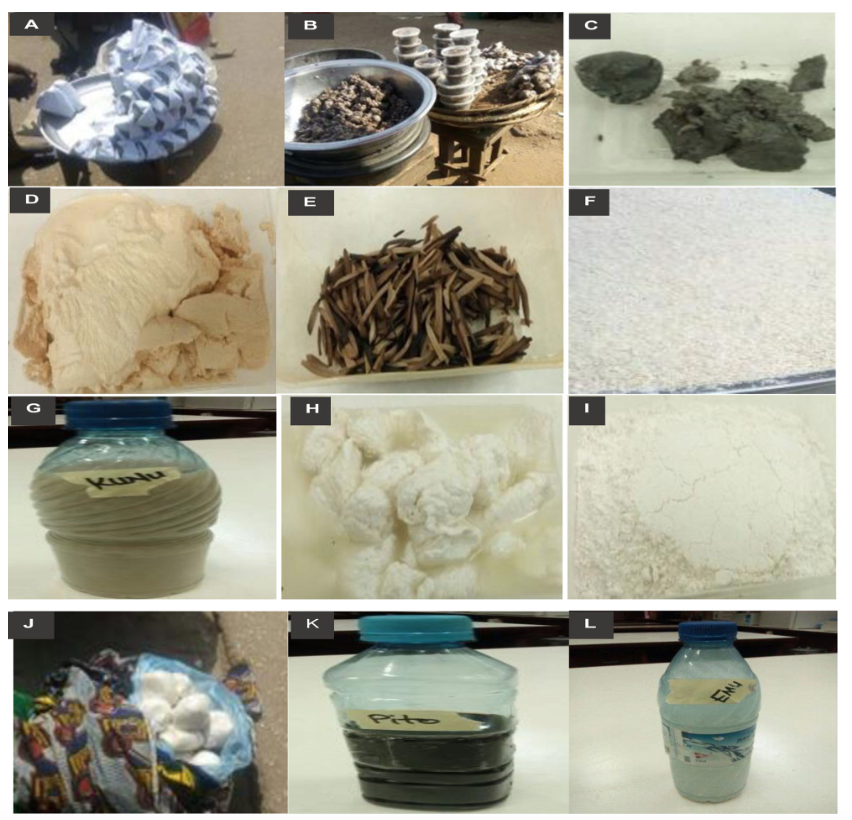
In African countries, fermented foods provide a means of food preservation. @pauldcotter & colleagues update overview, emerging benefits, and novel approaches to microbiome profiling https://t.co/3wcHLjxT9a
Happy #WorldPulsesDay!
#Pulses are a high source of dietary #fiber and including them in your diet is an excellent way to take care of your #guthealth https://t.co/dbpY8g2ct7
Is it time to move from probiotics to precision probiotics? @veiga_pat, @SuezLab, @muriel_derrien & @EranElinav discuss here the steps required to develop precision probiotics that could overcome limitations of the current empiric approach modalities https://t.co/YyXUNkgakR
"The Future Potential of Biosensors to Investigate the Gut-Brain Axis" - really great review covering a lot of the potential strategies for diagnosing and researching neurocognitive diseases via the gut https://t.co/rxGzOpv6se
Very exciting 20 month PostDoc opportunity with our team as part of Food Health Ireland @fhi_tweets (fermentates pillar). https://t.co/pDfOSELAzD Please RT
Kombucha gains in popularity as functional beverage market. This systematic review with 15 animal studies suggests that kombucha intake might be beneficial for obesity-related comorbidities https://t.co/X4a4yJTxXc
New webinar for dietitians & others:
"What’s What! Probiotics, Postbiotics, Prebiotics, Synbiotics, and Fermented Foods"
Brought to you by @IAFNS_science@nutritionorg@eatright for CPEU credit.
December 9, 11 – 12:30 pm ET
Register now!
https://t.co/1ic9jAg3P7
How we cook foods shapes the gut microbiome. New in vitro findings show the antioxidant capacity of plant-based foods and their transformation by the gut microbiota is enhanced by digestion–fermentation pretreatment --> Implications for everyday cooking? https://t.co/9LZu0W4zCX
#Fermentedfoods are a hot health topic-and for good reasons. These good bacteria-particularly those in our gut-may improve digestion, support immunity and help us maintain a healthy weight. https://t.co/CWLvnPMZA7 via @EatingWell