The GO-BGC Array is a global robotic network of profiling floats carrying sensors that will revolutionize our understanding of ocean and ecosystem health.
The @NSF has awarded a $53 million grant to create a world-wide fleet of robotic floats to monitor ocean health.
A consortium of institutions @MBARI_news@UW@Scripps_Ocean@WHOI@Princeton will build a global network of chemical and biological sensors: https://t.co/MTkQkQ3Y3C
Important messaging on today's @GO_BGC webinar - USE IT OR LOSE IT! Global coverage, open data, shared tools & resources, capacity bldg workshops & hackathons! BTW, do you know how to cite @bgc_argo data? Learn more at https://t.co/pGmjgfOxGg and https://t.co/DuxWeHLzt6
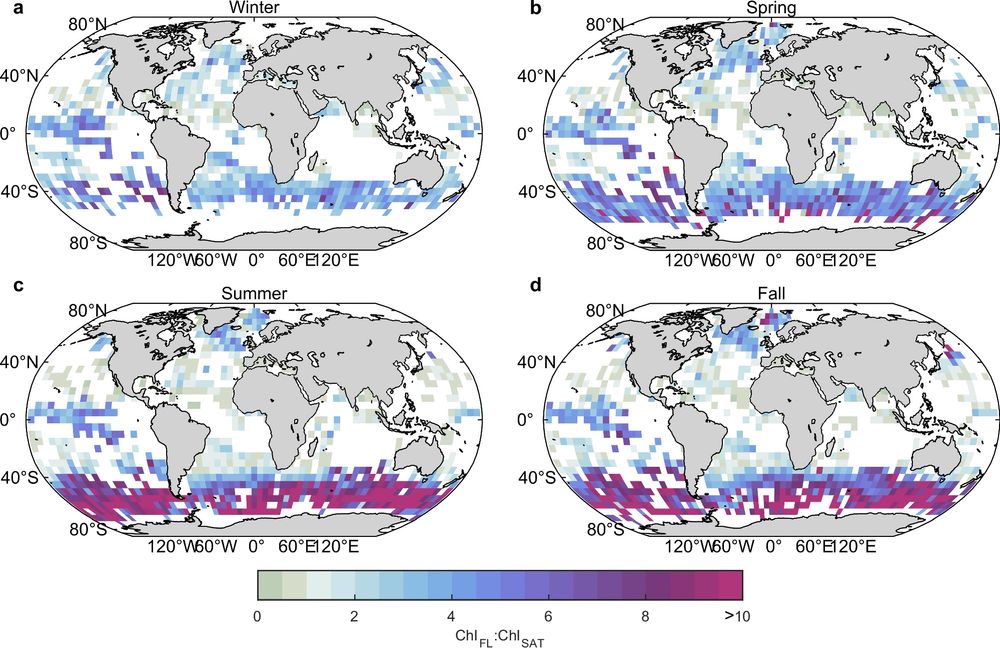
🌊 Interested in ocean chlorophyll? A new paper by Long et al. explores the relationship between chlorophyll, measured by BGC-Argo floats and by ocean color satellites.
Read the @NatureComms paper: https://t.co/JNgheR1Kx0
We are excited that @Scripps_Ocean will lead the next phase of SOCCOM! Together, SOCCOM and GO-BGC have transformed how we monitor and understand ocean health.
We are excited to announce that the new phase of SOCCOM has been funded by the @NSF and @NOAA for three more years of operation under the direction of @Scripps_Ocean oceanographer Lynne Talley: https://t.co/Q3H2Dx0y9Y
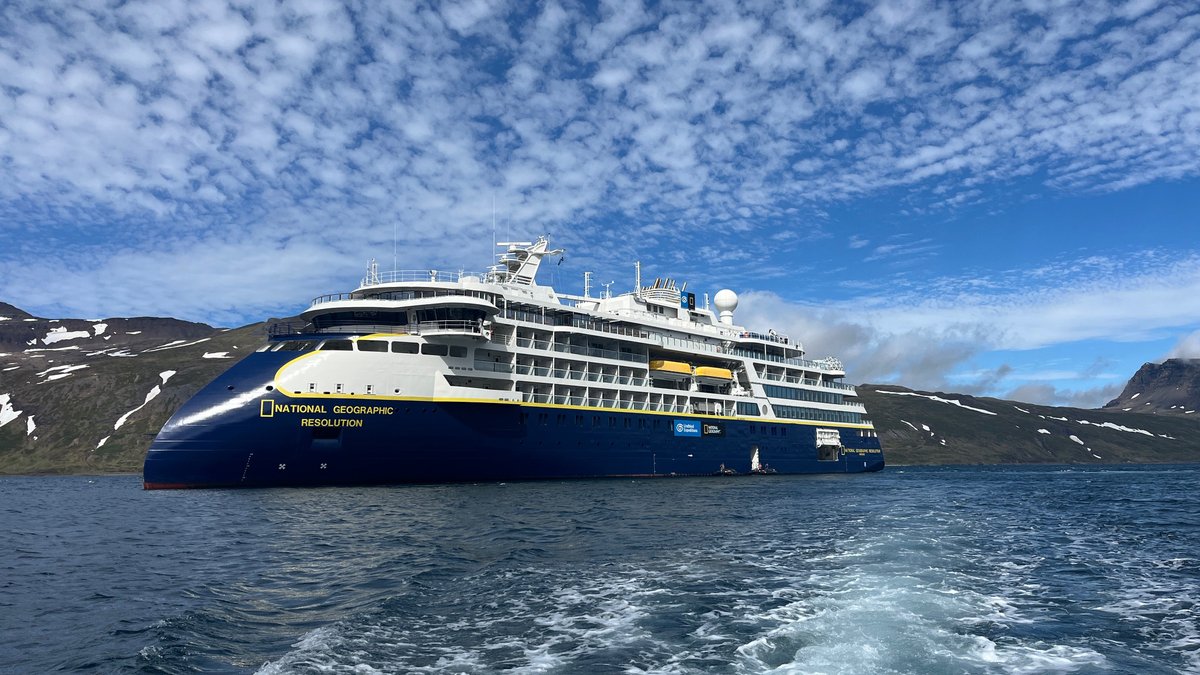
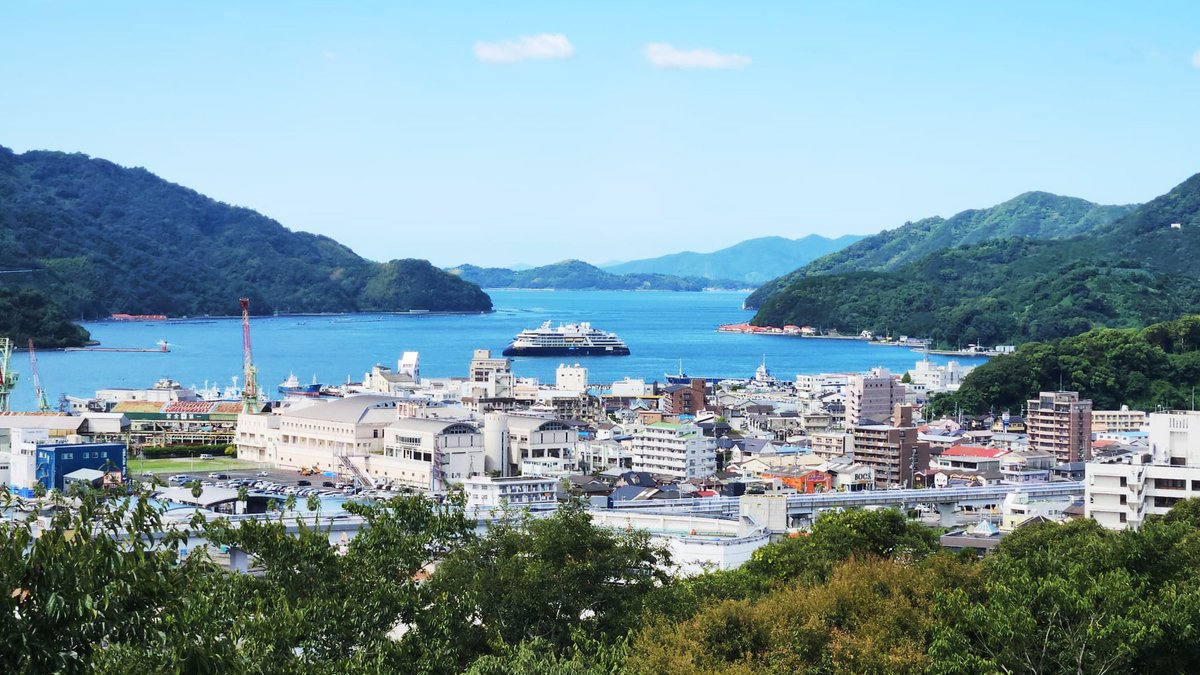
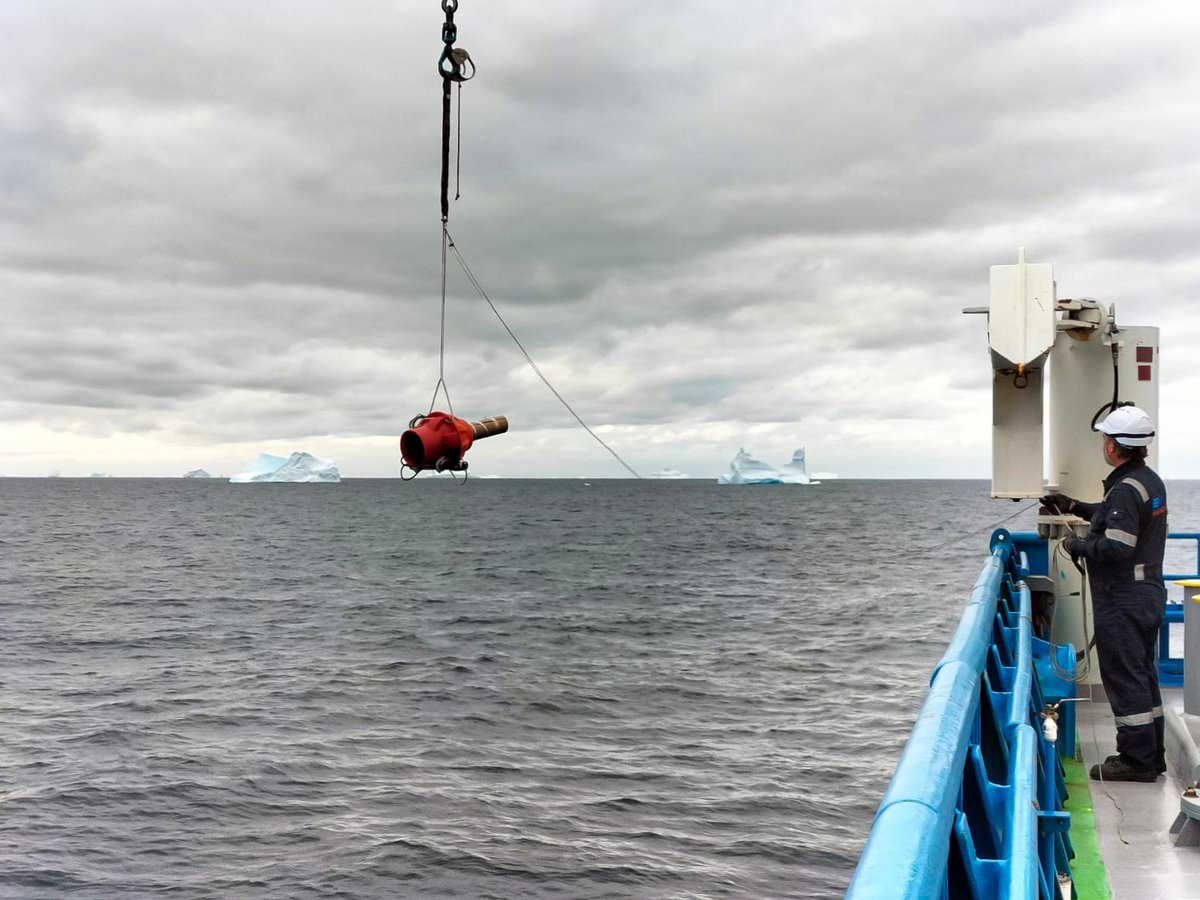
Lindblad Expedition passengers aboard the National Geographic Resolution adopted one of the 12 BGC floats our team is deploying from the cruise ship this fall.
Dive into the Expedition blog: https://t.co/vfFOMwm9bh
Get ready for @bgc_argo @GO_BGC Webinar #8: Comparing BGC-Argo observations with models
October 16, 11 PT/2 ET, more info here: https://t.co/t9MmZJTpME
📣 IPCC is calling for authors to contribute to the Special Report on #ClimateChange & Cities, scheduled for release in 2027.
📺 #IPCC Vice-Chair @DianaUrge stresses the need for diversity of scientific disciplinary & regional perspectives.
🔗 https://t.co/1KmzYrOz27
📣 🚢 @POGO_Ocean is offering a number of #shipboard#fellowships onboard research vessels during 2024 for early career scientists, technicians, postgraduate students (#PhD or #MSc) and #Postdoc Fellows! 🗓️ 15 Feb 2024 to 30 Nov 2024. Apply here: https://t.co/vbBeS4ycMx
Here's a fantastic opportunity to lead a research program on the role of #Antarctica and the Southern Ocean in the global climate system.
We're seeking a ���𝗿𝗼𝗴𝗿𝗮𝗺 𝗟𝗲𝗮𝗱𝗲𝗿 for the AAPP, based at @UTAS_ in Hobart.
Applications close 15 Sept ➡️ https://t.co/IJo9IIsSNV
A new study from @MBARI_News researchers and their collaborators using SOCCOM float data has revealed that storms trigger the release of carbon dioxide from the ocean. This work will help improve models used for forecasting our changing climate.
Dive in: https://t.co/dpiEAGv5qv
The world’s first open-ocean study to use robotic floats and sediment traps to track nearly a million tonnes of carbon flowing from the surface to the deep of the Southern Ocean each year.
@IMOS_AUS | @IMASUTAS | @CSIRO | @AntarcticSciAus | @best24YANG
https://t.co/hcAafg9ALu
When looking at how heat is moved across the planet, the ocean plays a big role. That’s because the ocean acts like a global conveyor belt moving heat around the globe. That heat, and where it goes, impacts the global climate.
https://t.co/8AFwNY2xnc
The Argo program recently hit a major milestone: The network of robotic floats has taken more than 3,000,000 temperature and salinity profiles of our ocean!
Learn more about the Argo program: https://t.co/e6veheyZfh
You can also video Argo data here: https://t.co/fAd9V4Lo84
The #ExOIS program was presented at the annual meeting of the @SOCCOMProject this week. Great discussions about how @GO_BGC can help with #MRV for #mCDR. Thank you Mark Wells for presenting!
Day 4 of #mbariearth2024 Not many photos today as we spent the time working on lessons based on the presentations from this week. Excited for our lesson, LEGO build a float! Lesson presentations tomorrow and I’m excited to hear what others created. @globalocean_bgc @MBARI_News
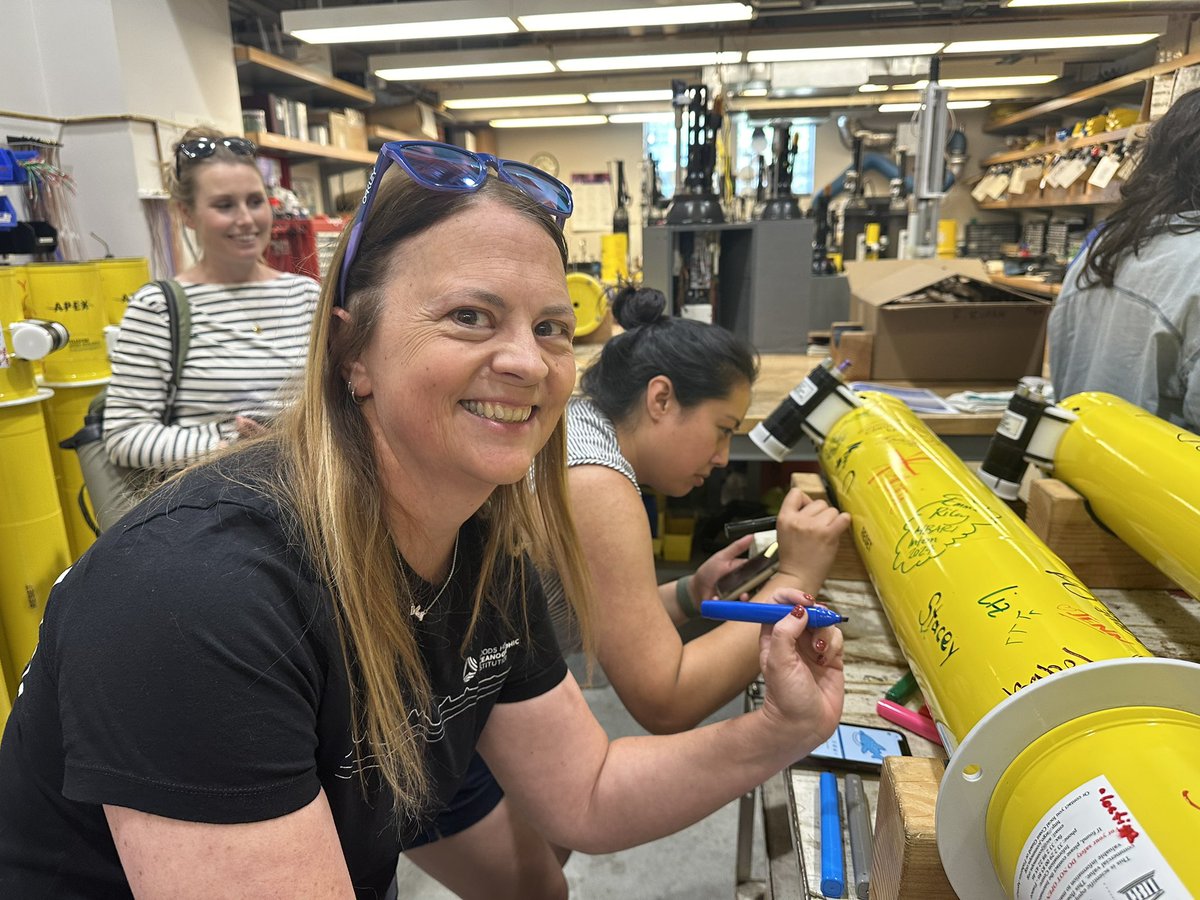
Day 2 of #mbariearth2024 More amazing presentations (Ocean Acidification and Biogeochemistry) and visited the UW Float lab. Decorated a float (I am not an artist but I added some flair). Finished the day with teacher presentations and the 5E model. @globalocean_bgc @MBARI_News
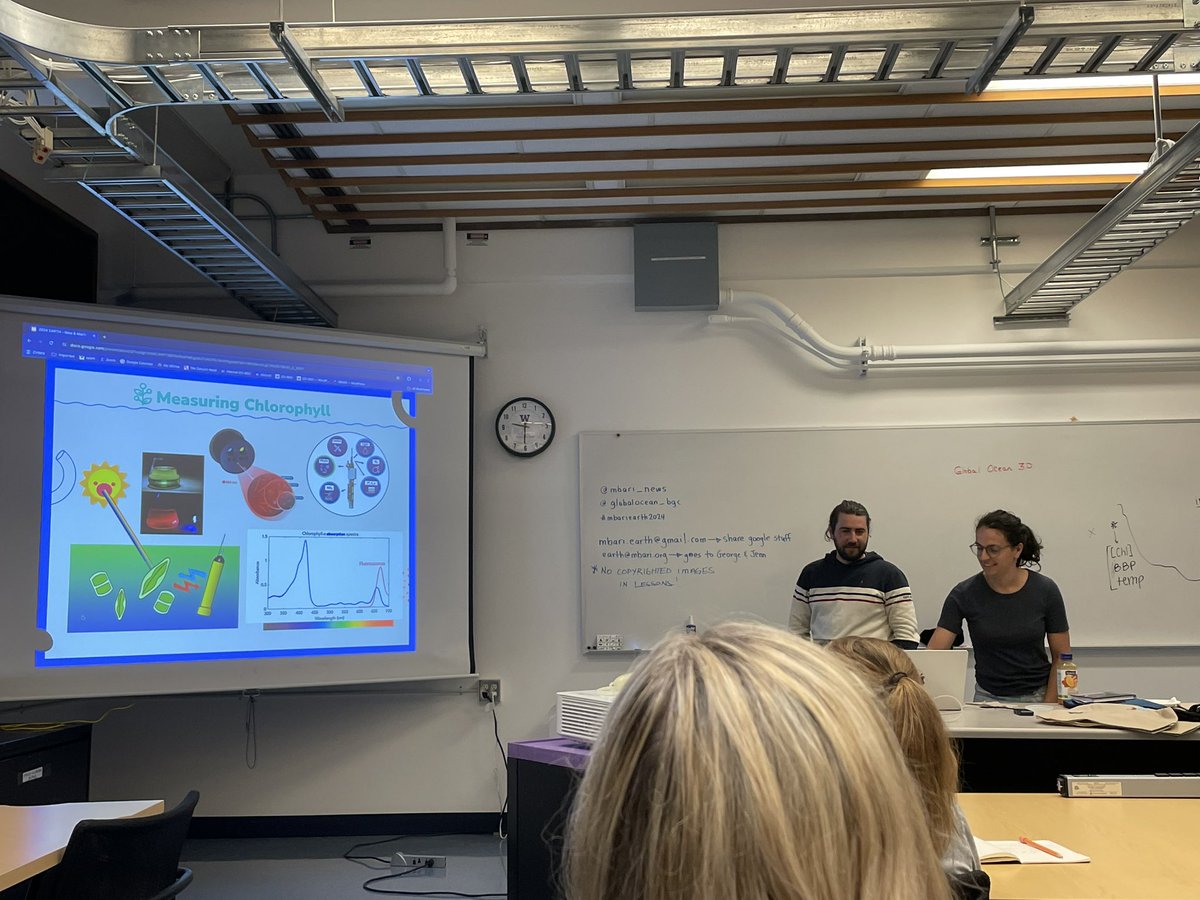
Day 3 #mbariearth2024 presentations on phytoplankton (produce about half of the earth’s oxygen) and a new game, FathomVerse, tag creatures in over 300,000 hrs of video footage taken from the ocean. Then to Pikes Market and ferry to Bainbridge Island. @globalocean_bgc @MBARI_News
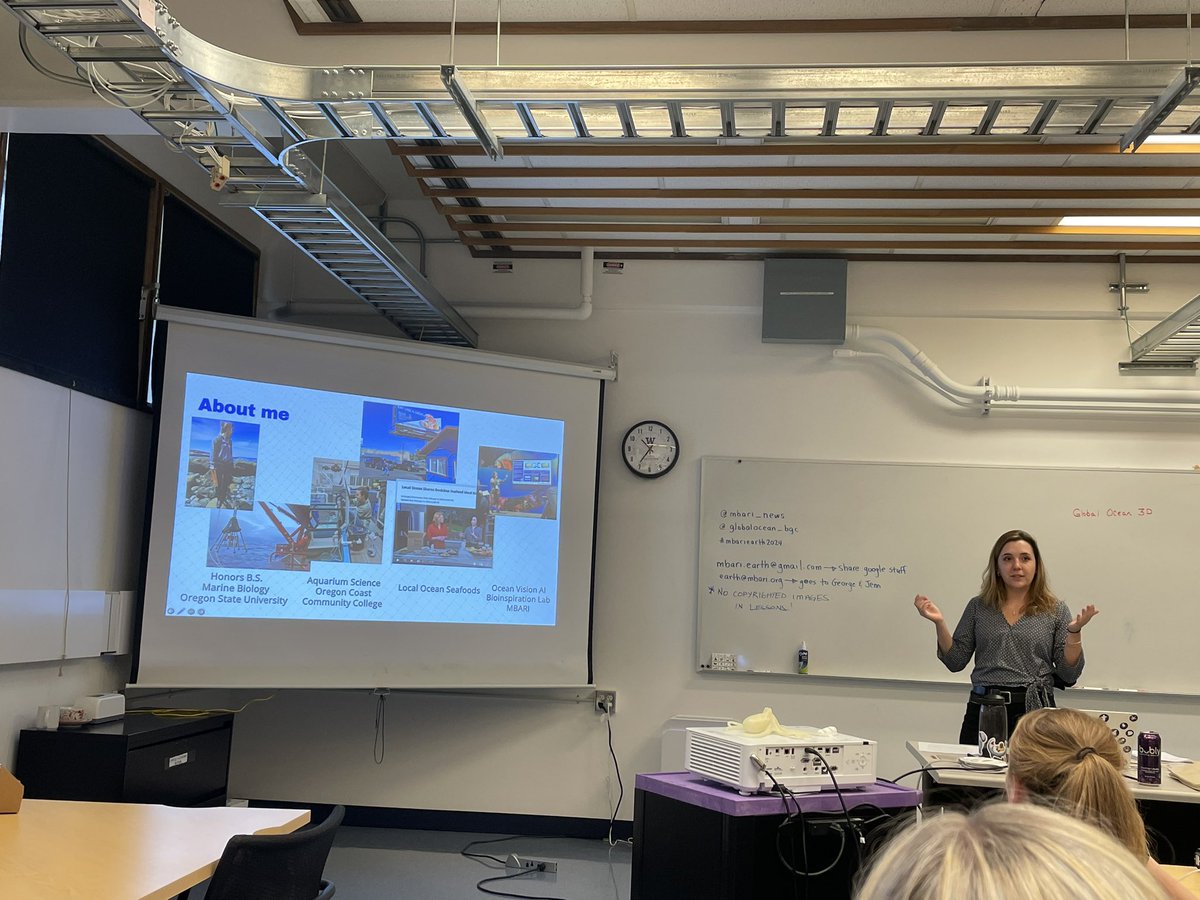
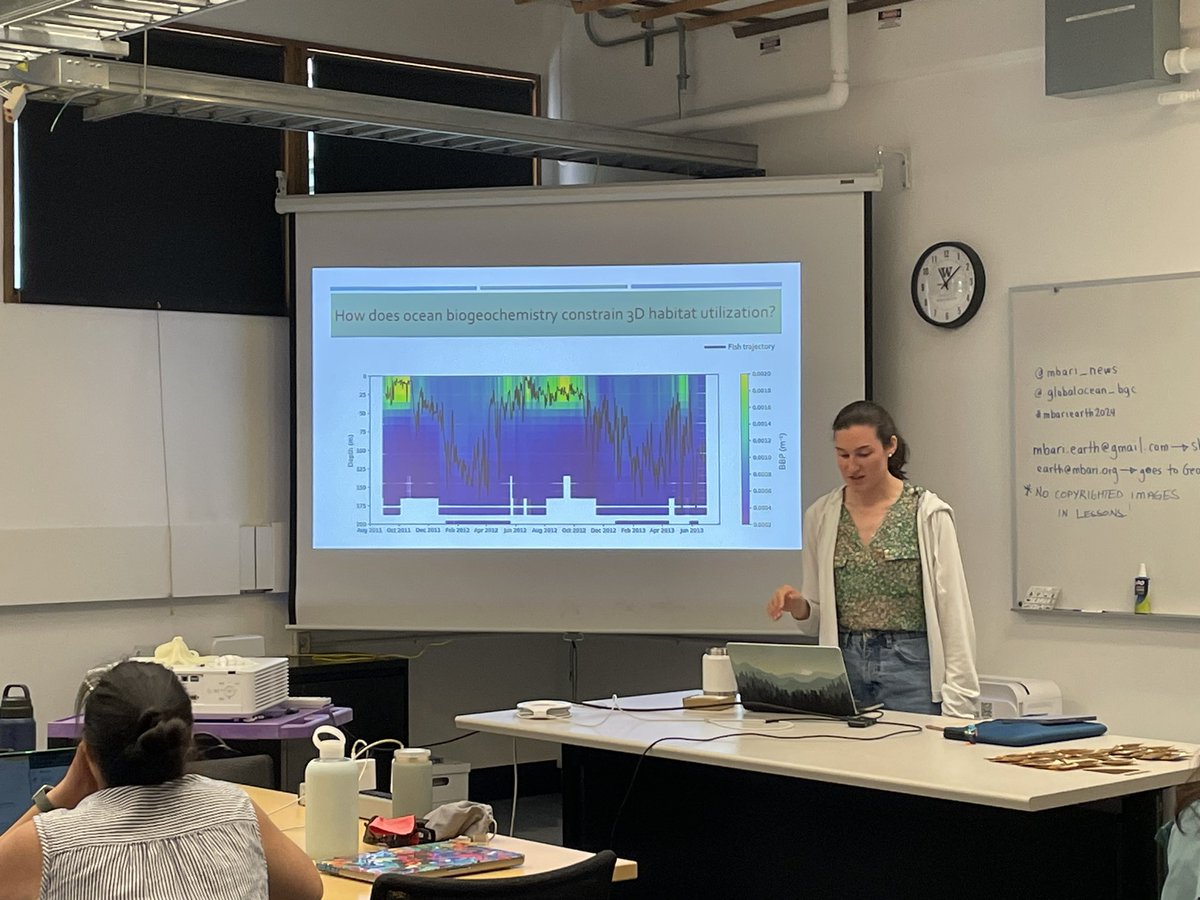
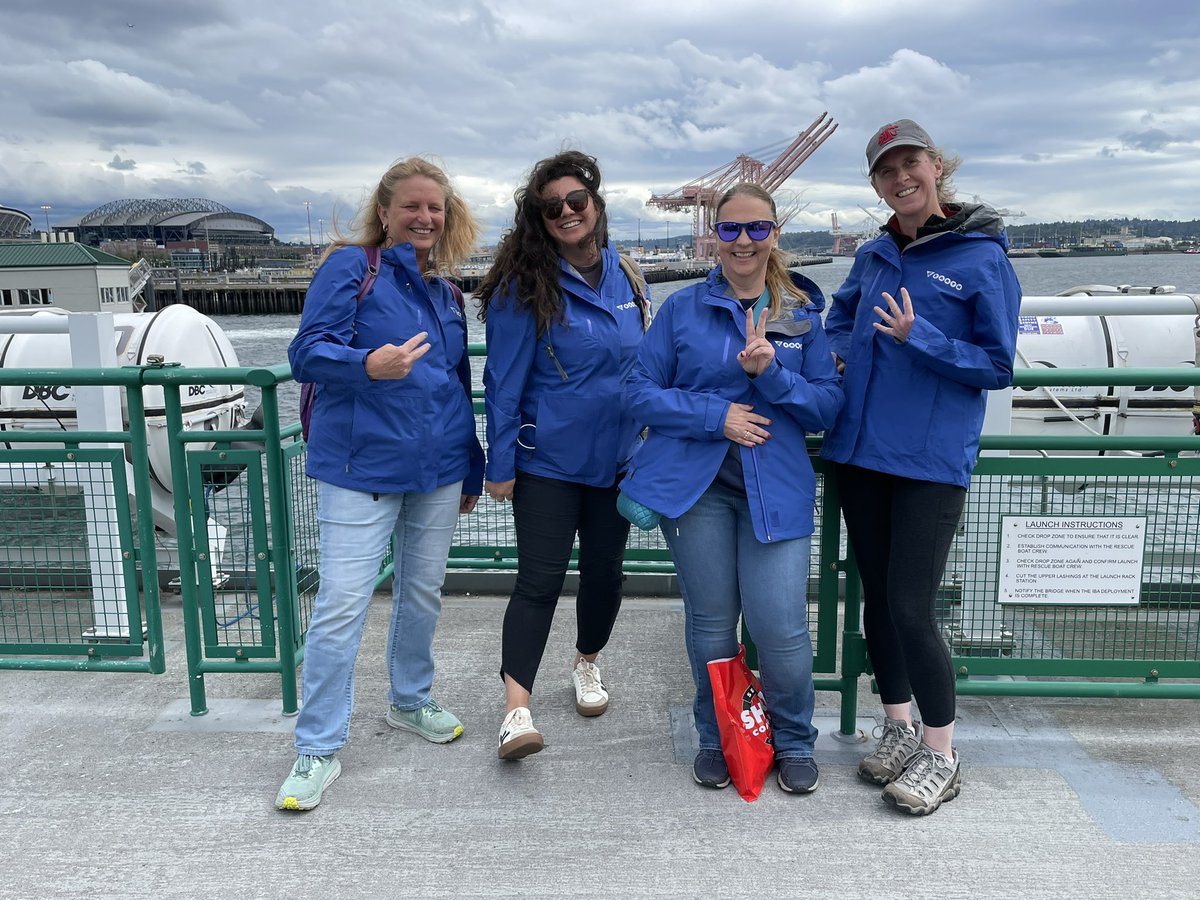
Educators from across the country and the world are coming together at the @UW this week to learn about cutting-edge research and data from the GO-BGC array of profiling floats in the @MBARI_News EARTH workshop for educators.
Measuring 🌡️and 🧂to depths of 6 km, Deep Argo floats will revolutionise #oceanography in the abyss. Along with 15 floats from our partners @IMOS_AUS and @CSIRO, we're proud to add 10 more towards the global array target of 1,200 Deep Argo floats.
🤖🛟➡️ https://t.co/yl6CAm9AnL