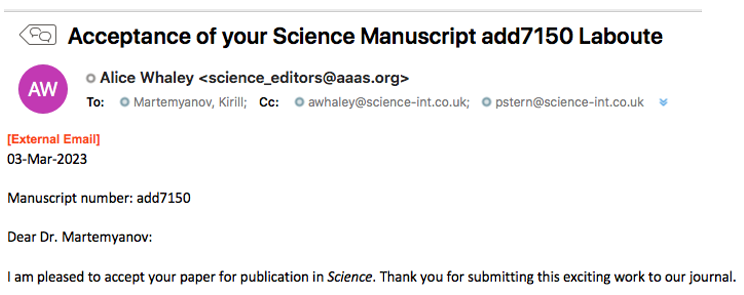
Very excited to share our most recent work describing ELFN2’s function in the brain as a novel transsynaptic modulator of group III mGluRs essential for tempering excitatory neurotransmission and neuropsychiatric behaviors in mice! https://t.co/zhKlNmoiyb
We found that endogenous ligand for GPR139 is opioid peptide dynorphin. With this, GPR139 may not be an orphan any more but the 5th opioid receptor. Heavy lift by talented Xiaona Li with great thanks to all who contributed!
https://t.co/OabhjeWV1q
We have innovated design of templates for CRISPR/Cas9 editing which allows efficient introduction of epitope tags in vivo. It is a simple hack which we hope to be broadly useful. Work by talented graduate student Chuanping Zhao.
https://t.co/vtULnZpYKA
Our latest on GPCR function in the brain. We report that glutamate receptor mGlu4 needs to be properly positioned at synapses of cholinergic interneurons in NAc by cell adhesion molecule ELFN1 to regulate opioid reward.
https://t.co/edTSBmWMfS
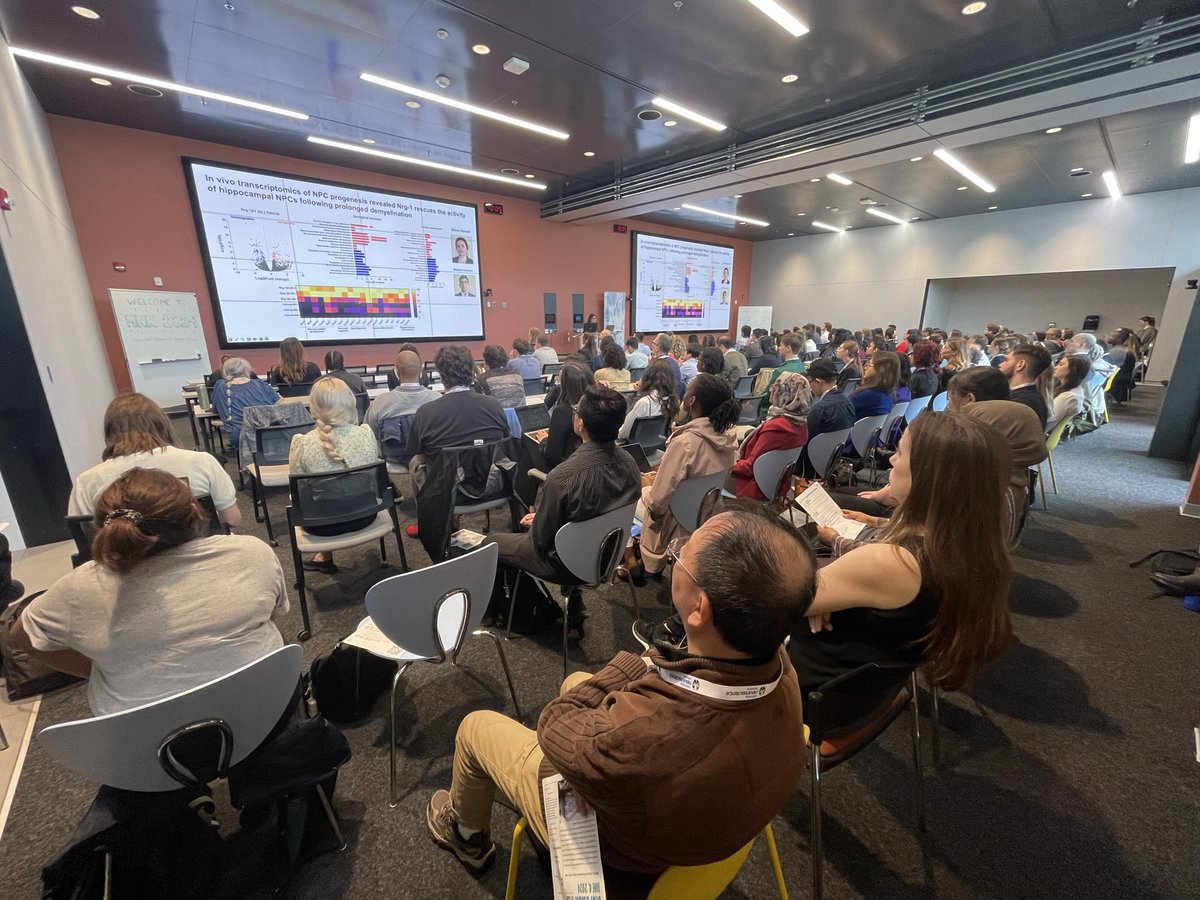
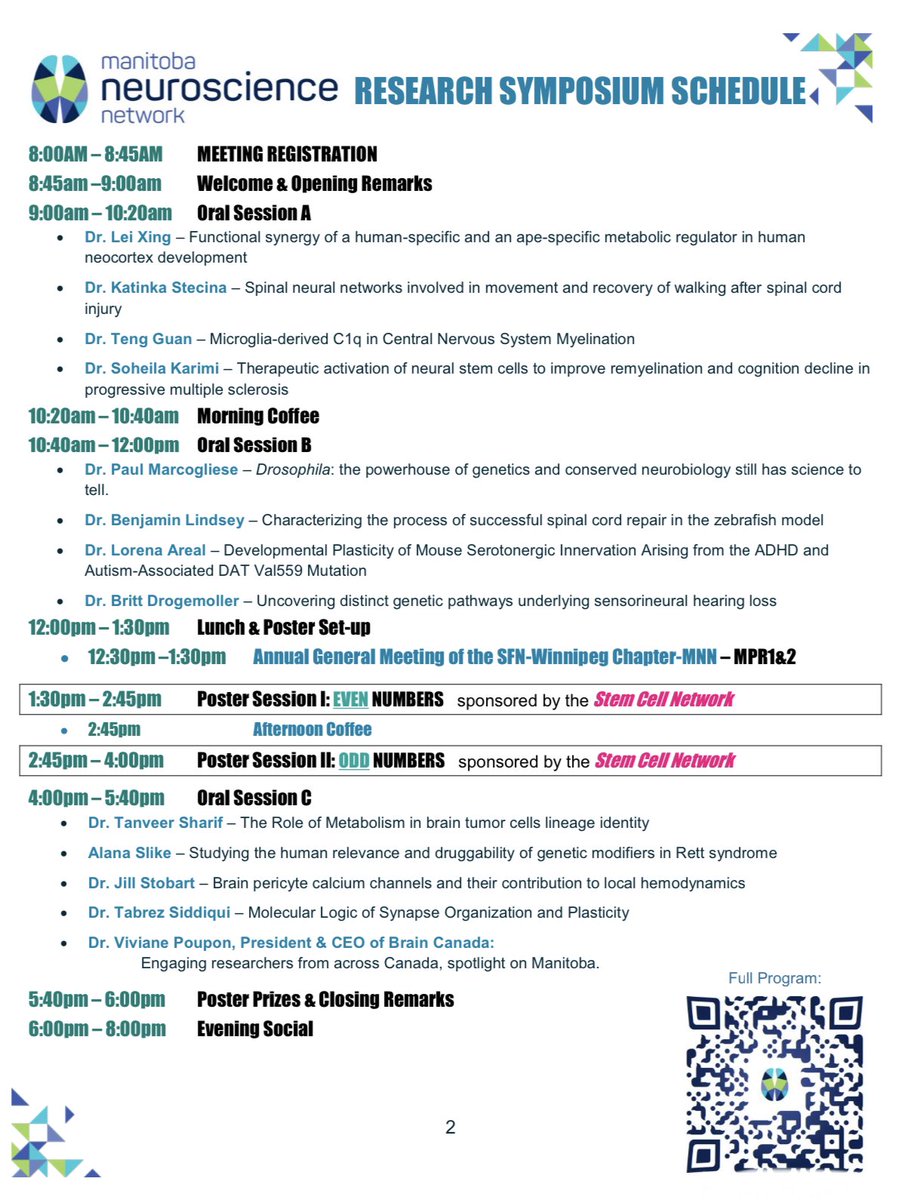
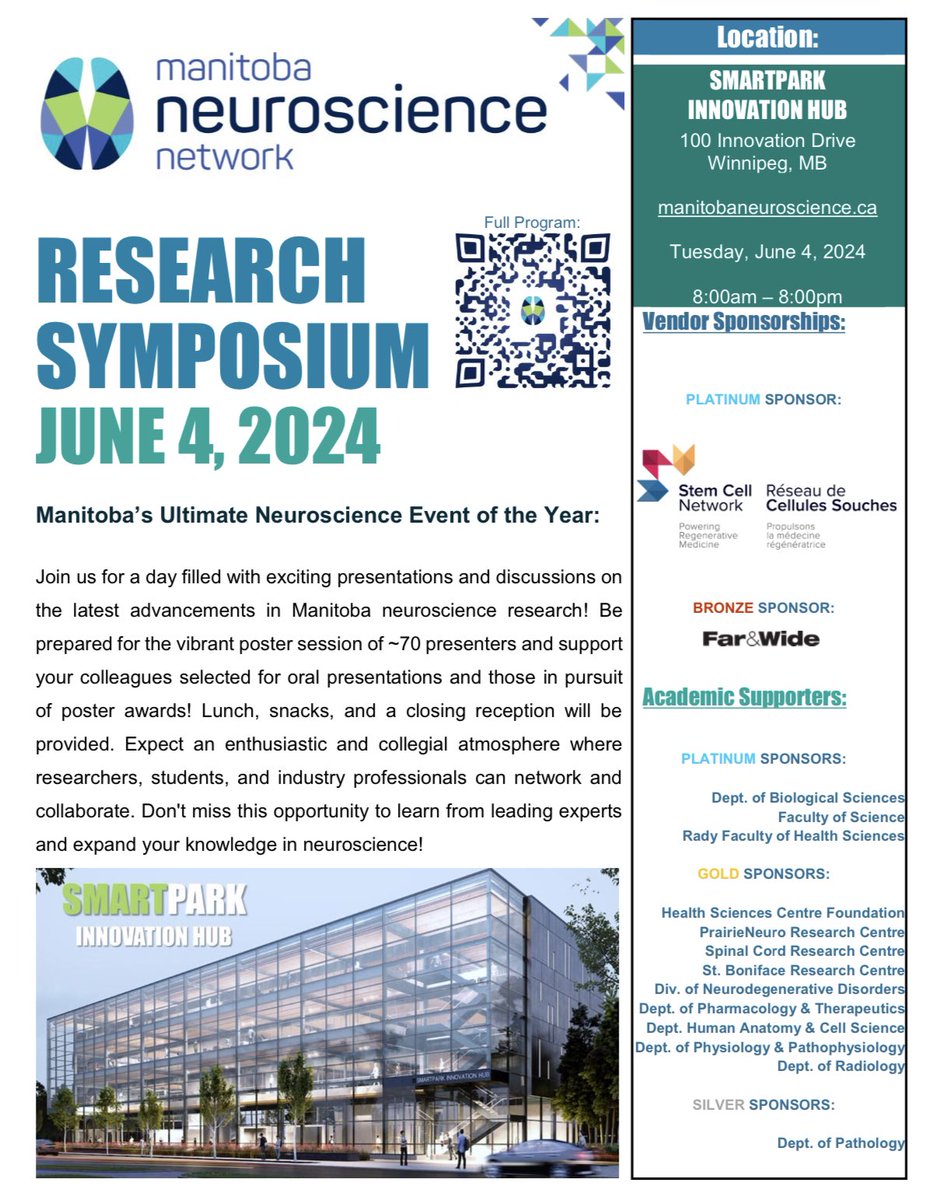
The 2024 MNN Research Symposium was a resounding success with ~180 Manitoban neuroscientists gathered for the latest in cutting-edge 🧠 research. Special thanks to our amazing sponsors, and @BrainCanada@VivianePoupon for joining us to discuss the future of Canadian neuroscience.
First day back to work from maternity leave and starting a new job as a Research Associate @um_pharmacology. Lots of feelings but mostly excited to do science again! 🧠🥼🧬🔬#WomenInScience
Congratulations to everyone who participated in the @umanitoba Undergraduate Research Showcase, especially the winners from our department:
✅ 1st Place Poster: Kaden Baskerville (@GPCRHenry Lab)
✅ 3rd Place Poster: Louis Dela Pena (@JoelDPearson Group)
https://t.co/J7CdJZ6reT
Very disappointed to be cancelling my trip to the #2023GPCRRetreat tomorrow due to COVID.
Was very much looking forward seeing everyone and returning to Montebello - a venue the retreat hadn’t been to in over 10 years and was one of my all time favourites. Enjoy, everyone!
@GpcReid My interpretation was that it does couple to Gs reliably (though below their set threshold) but the G15-coupling was evident. In using this DREADD, it may be important to consider that it’s effects may also/instead be coming from the G15 activation. Perhaps cell dependent also.
An incredible study and resource with many important findings: including reclassification of group I mGluRs and some DREADDs, to name a few! Many congratulations to Kirill, Ikuo, and team.
Our systematic investigation of G protein coupling profiles of 100+ #GPCRs driven by the one and only Ikuo Masuho is out after ~10 years of work. We see many interesting patterns with the help of AI. Check it out- there is a useful reference table.
https://t.co/ia0BIfjuii
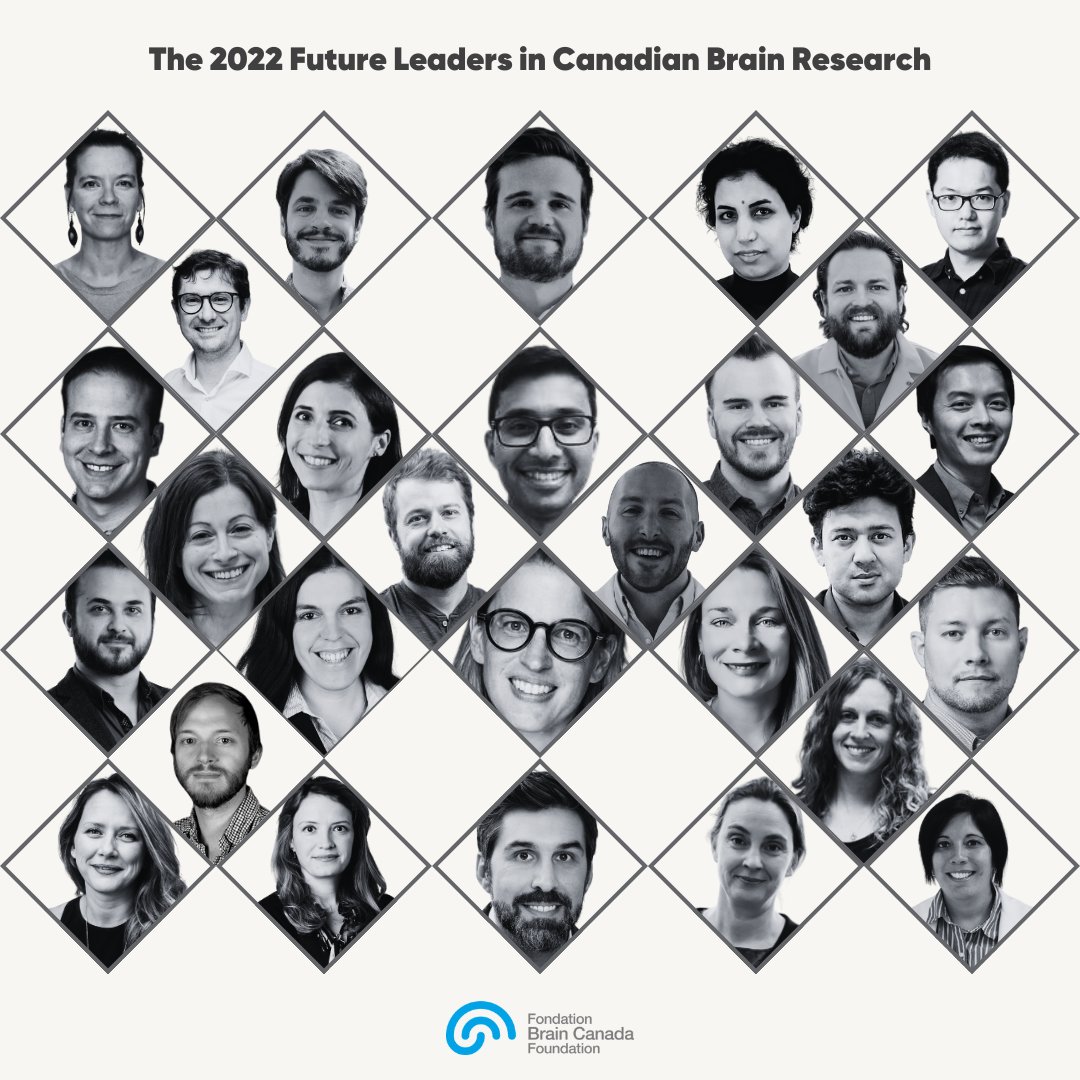
Congrats to UM’s Dr. Henry Dunn @GPCRHenry on being named a Future Leader in Canadian Brain Research. His research explores new treatments for epilepsy, ADHD and autism. Read more about his neurobiology work and the $100k Brain Canada grant: https://t.co/MwS7eIXSkb #UManitoba #UMResearch @BrainCanada
Congratulations to the new cohort of Future Leaders in Canadian Brain Research! In its fourth year, @BrainCanada’s flagship program is providing funding to its largest-ever cohort of researchers, with 28 recipients! For more information ➡️https://t.co/uE6YJYhdqU
The recent thread about diplomas in offices got me to thinking about two different offices I’ve visited. One was filled with diplomas and awards—no free space was devoid of an award or diploma. The other was filled with rock music memorabilia…I enjoyed that one immensely.
🚨 Calling all Cardiovascular Sciences experts! We're hiring a tenure-track/tenured Assistant/Associate Professor @um_pharmacology, @umanitoba! Develop your independent research program and contribute to our world-class research initiatives 🚨 #AcademicJob https://t.co/by1LjPDvwz
Such a wonderful start of the day! Hang on as we are about to tell a story about #GPCR for neurotransmitter glycine. Happy Friday everybody! Work of the incredible scientist @ThibautLaboute.