A new analysis in Science of more than 116,000 bird songs has revealed that the astonishing variety of passerine birdsong is built from just eight basic acoustic motifs, like trills, whistles, and harmonic notes.
The findings also reveal that local environments greatly shape how birds communicate around the world. Learn more: https://t.co/3oaQ0sKQfJ
The book Doctors by Nature "invites deeper reflection on what it means to medicate, how landscapes shape access to medicine, and whether we humans are as discerning in our self-medicating choices as our nonhuman counterparts."
Read the #ScienceBooks Review on #WorldBookDay: https://t.co/nYXsOADnsh
Large, warm-bodied fish, like sharks and tuna, may owe their dominance to being able to retain their own body heat, but that advantage comes at a cost.
According to a new study in Science, these mesothermic species require nearly four times more energy than other fish, and as oceans warm, their tendency to generate heat faster than they can lose it may push these already vulnerable species closer to the brink of extinction.
Learn more: https://t.co/E44wUgVW7d
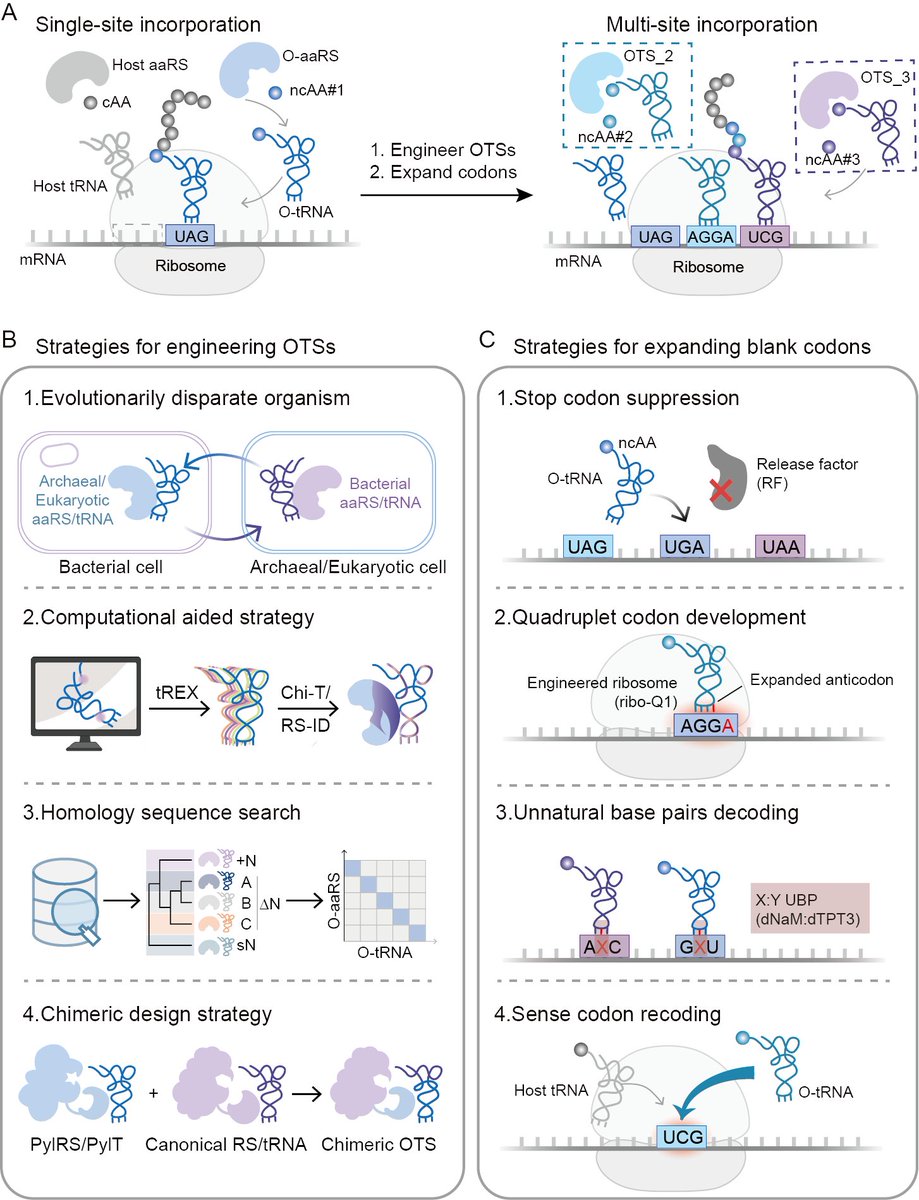
Thrilled to share our review paper on @TrendsBiochem. We summarize the latest breakthroughs in expanding the genetic code beyond single noncanonical amino acids (ncAAs) — from orthogonal translation systems and quadruplet codons to rare codon recoding — enabling the synthesis of sophisticated “new-to-nature” biopolymers with multiple distinct functionalities.
https://t.co/hUqf23AhQS
A species of lungfish found in South America has claimed the title of the animal with the biggest genome sequenced so far.
The DNA of Lepidosiren paradoxa comprises a staggering 91 billion chemical letters or “bases,” 30 times as many as the human genome, researchers reported in Nature in 2024. However, those 91 billion bases of DNA only contain about the same number of genes that humans have—roughly 20,000—with the rest consisting of noncoding, perhaps even “junk” DNA.
By comparing this genome with those of other lungfishes, the researchers determined that L. paradoxa adds the equivalent of a human genome to its DNA every 10 million years.
Learn more on #DNADay: https://t.co/QekhKNSOzY
Ammonia gas from penguins’ feces sets off a reaction that potentially blunts some local effects of climate change.
Learn more: https://t.co/BeYWz7J4DP #WorldPenguinDay
The domestic cat may be a far more recent arrival to Europe than previously thought, according to a new Science study. The findings offer new insight into one of humanity’s most enigmatic animal companions and identify North Africa as the cradle of the modern housecat.
Learn more: https://t.co/9Kg05j14Sq
Rat populations are rising in cities predominantly because of warmer average temperatures, reports a new @ScienceAdvances study. https://t.co/EB1sTKJwIu
Moda rápida 👕: la industria que desviste el planeta 🌎. ¿Sabías que con la ropa que desechas 🗑️ los mares se van llenando de plástico? En @revistacomoves, conoce más sobre el alarmante impacto ambiental de esta tendencia de la industria textil > https://t.co/rfrB7nO6pH
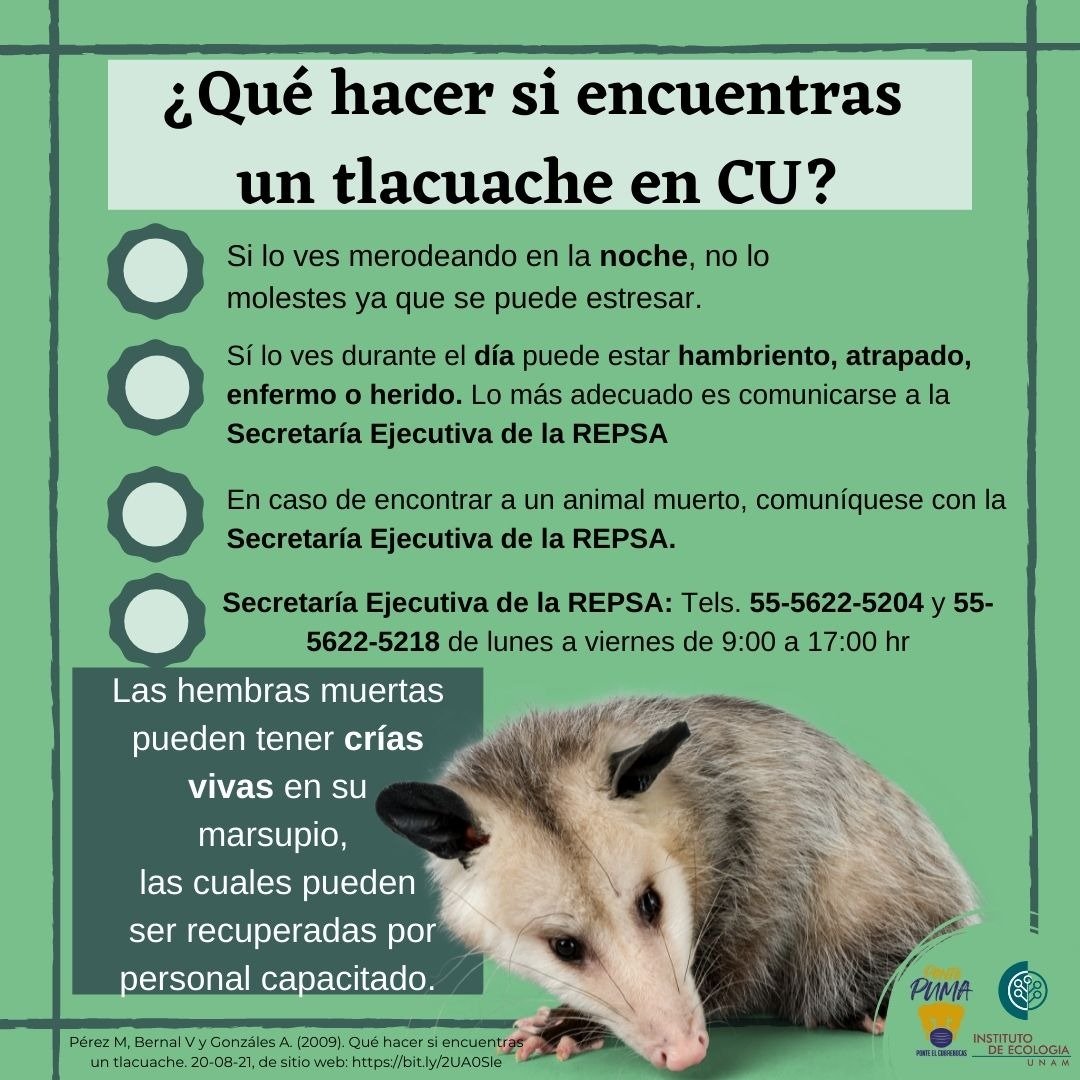
¿Qué hacer si nos encontramos a un tlacuache 🐾 en CU? ¡No lo molestes!, en caso de que se requiera, hay que ponerse en contacto con @REPSA_UNAM@IEcologiaUNAM
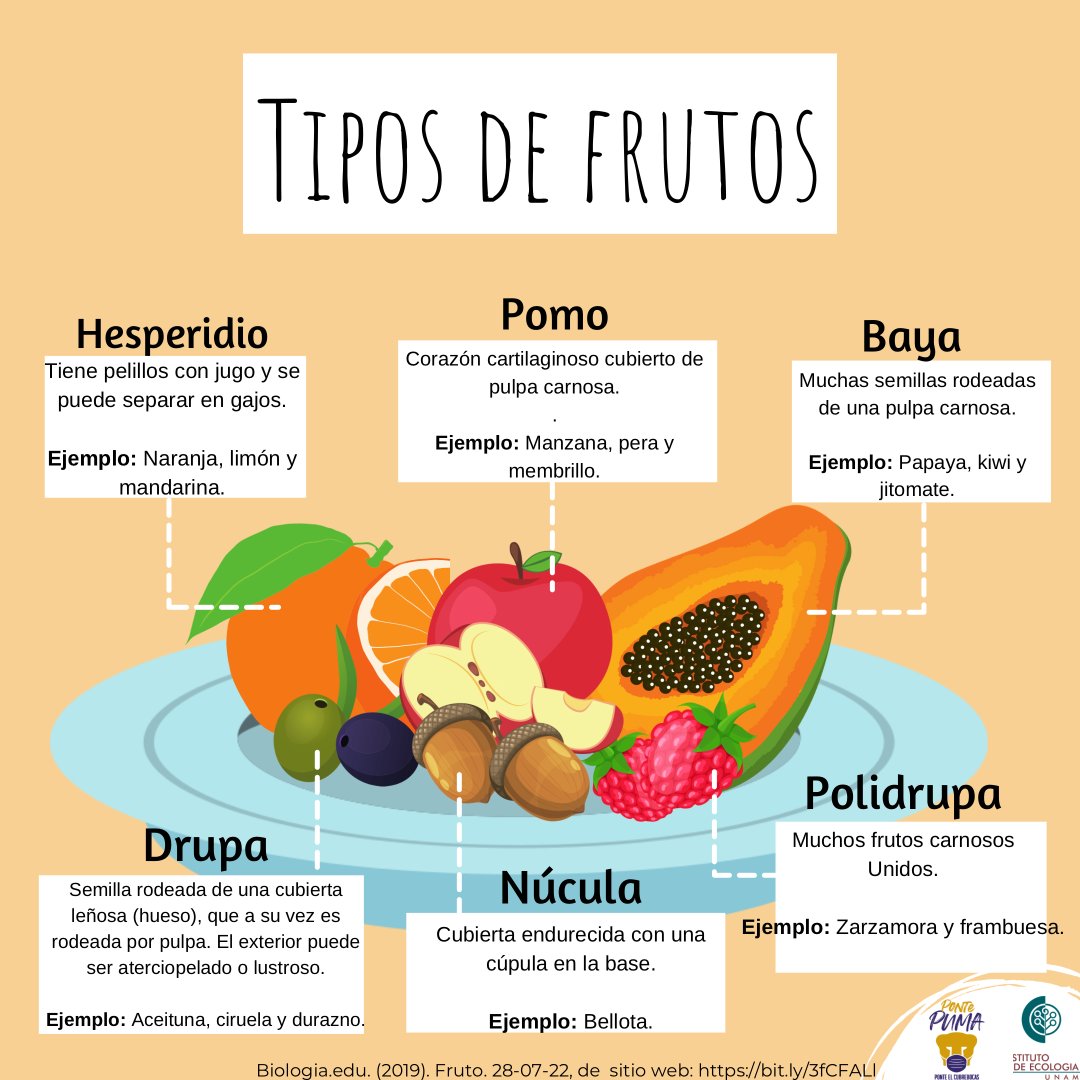
En la naturaleza existen frutos de todos colores y tamaños, algunos son pequeños y lustrosos como las aceitunas otros son grandes y carnosos como la papaya. 🍒🍍🍇
¿Cuál es tu fruto favorito? 🍉
#Manzana#Fruta#Fruit#Fruits#Apple
Wondering what to watch during the 1hr #evol2021 break and struggling to get enough high quality DNA for plants that don't germinate easily or of which you have too low concentration of old samples? Check out how @Gaby_MarAnd solved this in wild chilies https://t.co/VW2QfyEsCl
➡️ "Se cimbró la banqueta... nos caímos, se vio cómo se vino hacia abajo el Metro en dos... se hundió".
Este es el #testimonio de Miguel, quien vivió el momento de la tragedia del #MetroCDMX