🎶 An Evening of Carnatic Classical Music at IIT Kanpur
IIT Kanpur, in association with @spicmacay and the @MinOfCultureGoI, presents an evening of Carnatic classical music featuring Vidushi Dr. A. Kanyakumari (Violin).
She will be accompanied by Shri Sivateja Mallajosyula (Violin), Shri Sherthalai R Ananthakrishnan (Mridangam), Shri B S Purushotham (Kanjira) and Shri Adambakkam K Sankar (Ghatam).
📅 September 24, 2026
📍 Main Auditorium, IIT Kanpur
🕡 6:30 p.m. | Entry from 6:00 p.m.
Join us for an evening celebrating the richness and tradition of Carnatic classical music.
#IITKanpur #SPICMACAY #CarnaticMusic #ClassicalMusic #IndianClassicalMusic #MusicAtIITK #CulturalEvening
HR systems get rigid fast. This repo gives builders room to adapt.
MintHCM is an open-source, AI-native human capital management platform for teams building and running custom HR systems.
It helps you manage HR processes while retaining control over the code, data model, and deployment environment instead of being limited to configuration options.
Key features:
• AI agent connections – supports MCP, WebMCP, and A2A for connecting HR processes with compatible agents
• Core HR coverage – includes recruitment, onboarding, offboarding, employee profiles, leave, and time tracking
• Custom workflows – modular architecture, flexible data model, and custom business logic support tailored processes
• Deployment choice – can run on-premises, in public or private cloud, or in hybrid environments
• Integration path – offers an open API plus integrations with external systems and AI services
It’s open-source (GNU Affero General Public License v3.0 license).
Link in the reply 👇
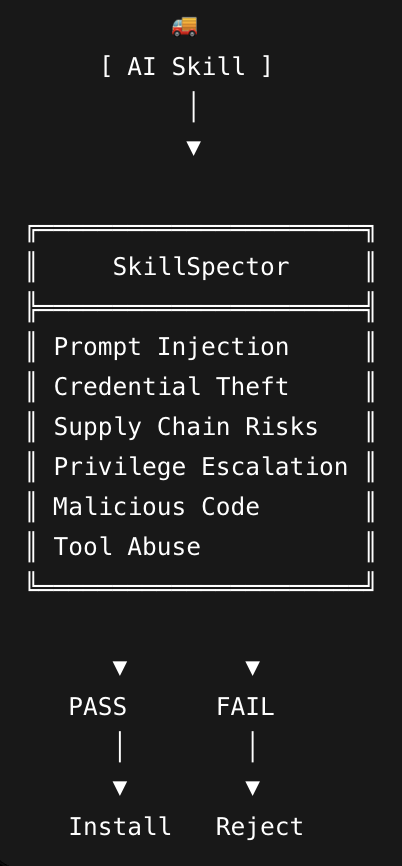
Shopping for AI security products gets confusing fast, so I put together a short field guide that maps the market's product types and what to check in each.
https://t.co/eQQRLZ6nsN
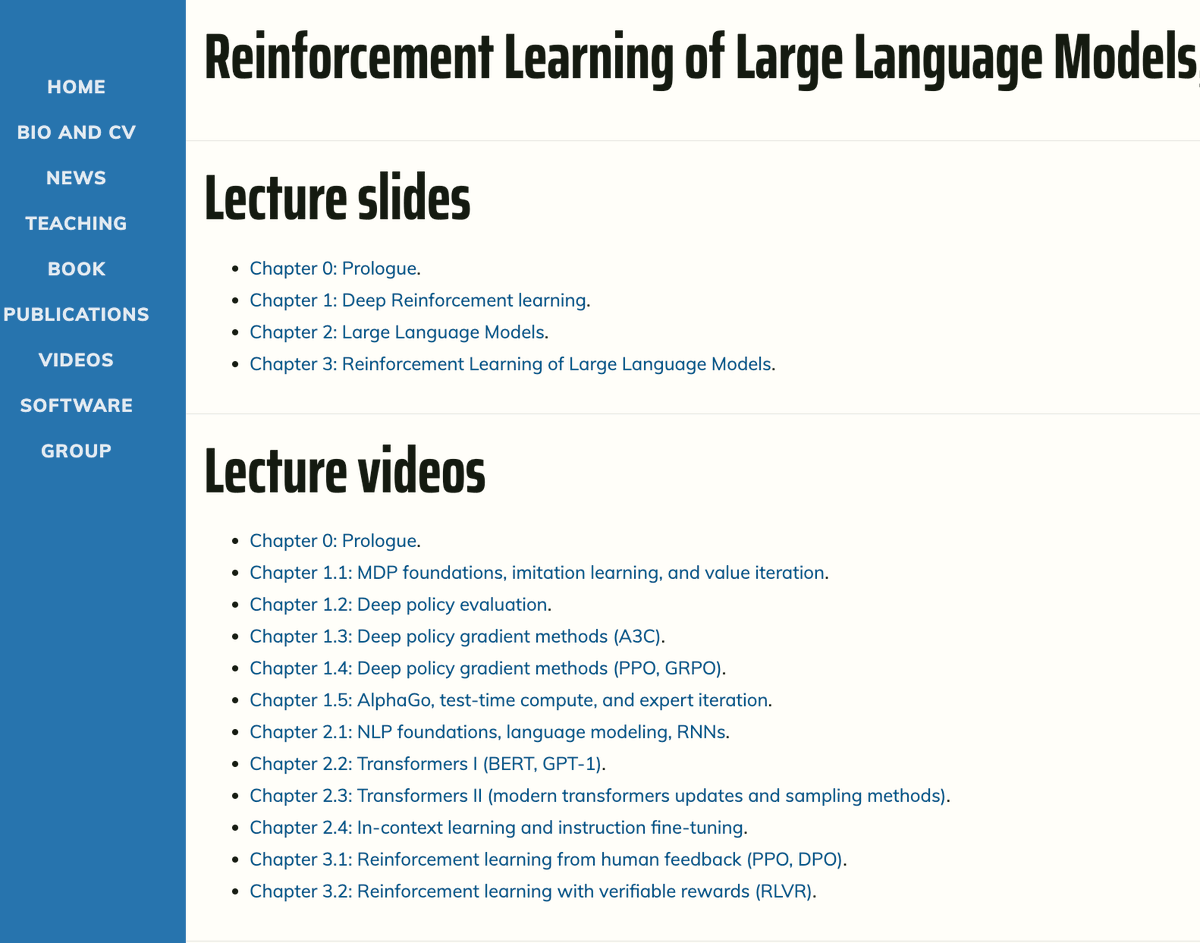
A great lecture series on Machine Learning Hardware & Systems - exploring how ML models are mapped, optimized, and accelerated on modern hardware, from algorithms all the way down to efficient system design.
A solid resource for understanding what happens under the hood of modern AI systems.
https://t.co/c6WZ9Oe5vh
Algorithms by Jeff Erickson - one of the best algorithm books out there.
The illustrations are simply great - I highly recommend this.
https://t.co/8G06RjGnMA
The "assume breach" era is ending. AI-native security is what comes next.
For 20 years, enterprises operated under a simple rule: Assume attackers are already inside. Build detection, response, and resilience accordingly. It worked — until threats started moving at machine speed.
As we wrap up Black Hat USA 2026, the security model is shifting again. AI-native defense isn't just faster incident response — it's predictive, adaptive, and autonomous. It's security that learns, anticipates, and acts before breaches become business crises.
What's changing:
🔴Threat detection moving from reactive to predictive
🔴Security operations shifting from human-led to AI-orchestrated
🔴Defense strategies evolving from "contain the damage" to "prevent the breach"
The enterprises presenting at Black Hat this year aren't just talking about AI tools. They're rebuilding security architectures from the ground up with AI at the core.
Read the full analysis from Dark Reading managing editors Tara Seals and Fahmida Rashid 👉 https://t.co/NDbOKdub1u
#BlackHat2026 #AIinSecurity #CyberDefense #DarkReading20
🚨BREAKING: It’s becoming easier to spot content written with ChatGPT and Claude.
The polished wording, predictable structure, and overly refined tone make it obvious.
Here are 7 prompts to make your writing sound more natural and human:
Agent Observability with Metrics, Logs, and Traces Best Practices
You can’t improve what you can’t see. Agent Observability Best Practices combine the three pillars — Metrics (what’s happening), Logs (exactly what happened), and Traces (how it happened) — to give full visibility into agent runs, tool calls, LLM invocations, costs, and failures.
This is the foundation for debugging, optimization, and reliable production agents.
As a dev, I instrument every agent with rich observability from day one.
Agent Observability Best Practices Cheatsheet:
• Metrics: Track latency, cost, token usage, success rate, tool calls
• Logs: Structured logs with trace IDs, agent version, model, and context
• Traces: End-to-end visibility across agent steps, tools, and external services
• Add cost and quality signals alongside technical metrics
• Tools: OpenTelemetry + LangSmith/Phoenix/Arize + custom dashboards
• Pro tip: Start with tracing on tool calls and LLM invocations — highest immediate value
How observable are your production agents today? Reply below 👇
Follow @AiCamila_ for daily production AI + DevOps tips.
#AgentObservability #Observability #AgenticAI #DevOps