🏛️ POMPEII DIDN'T JUST PRESERVE A CITY. IT PRESERVED THE FINAL MOMENTS OF ITS PEOPLE.
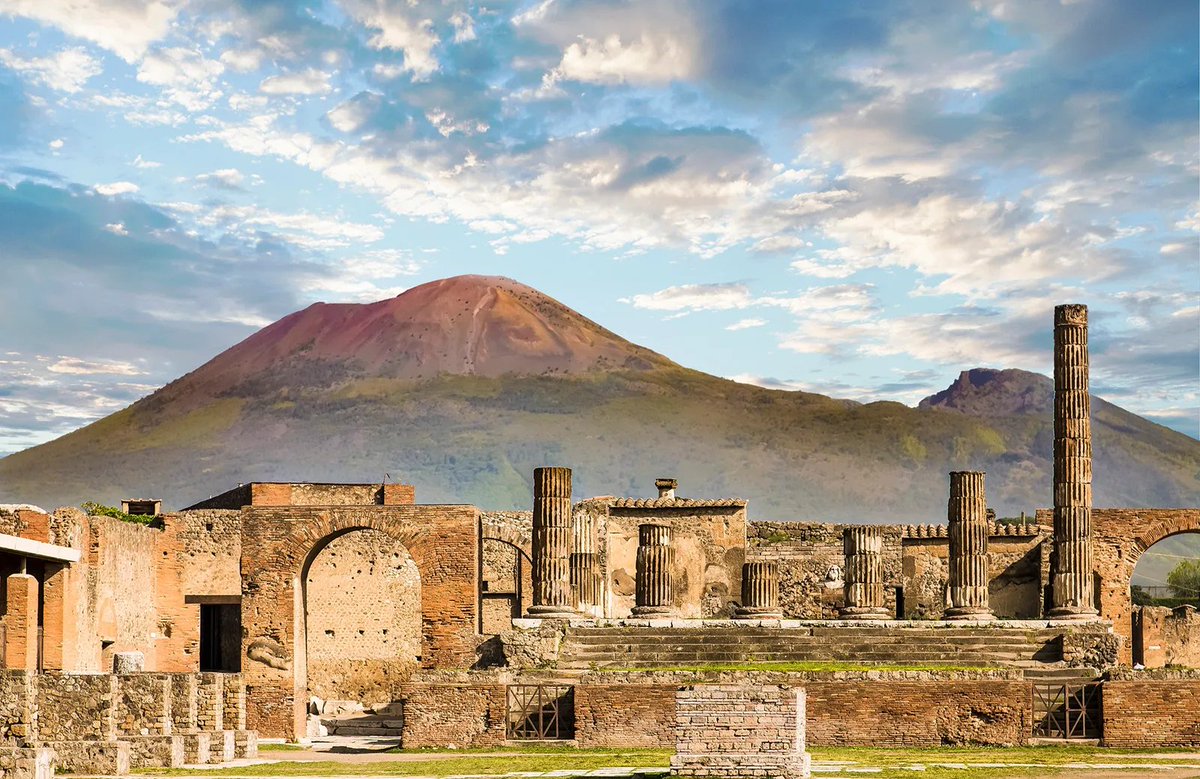
In AD 79, Mount Vesuvius erupted and buried Pompeii beneath volcanic material.
More than 1,000 human victims have been recorded during excavations.
But there's something remarkable about how some of them were preserved.
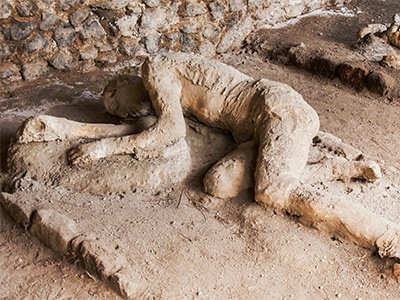
When the victims' bodies decomposed, they left cavities inside the hardened volcanic material.
Beginning in 1863, archaeologist Giuseppe Fiorelli developed a technique of pouring plaster into these cavities.
The result?
A three-dimensional impression of the person's final position.
You can see:
• The shape of their bodies
• Their clothing
• Their posture
• Objects they were carrying
• Sometimes even details of their final moments
But modern science is changing some of the stories we once told about these people.
DNA analysis has shown that some identities and supposed family relationships assigned to famous casts were incorrect.
One presumed mother and child, for example, were found not to be genetically related.
Another important lesson emerged:
Archaeology isn't just about discovering the past. It's also about correcting the stories we tell about it.
Nearly 2,000 years later, Pompeii is still teaching us.
#Pompeii #History #Archaeology #AncientRome #GenesisContent
🍯 A CITY ONCE FACED A 15-FOOT-WAVE OF MOLASSES.
It sounds like something from a cartoon.
It wasn't.
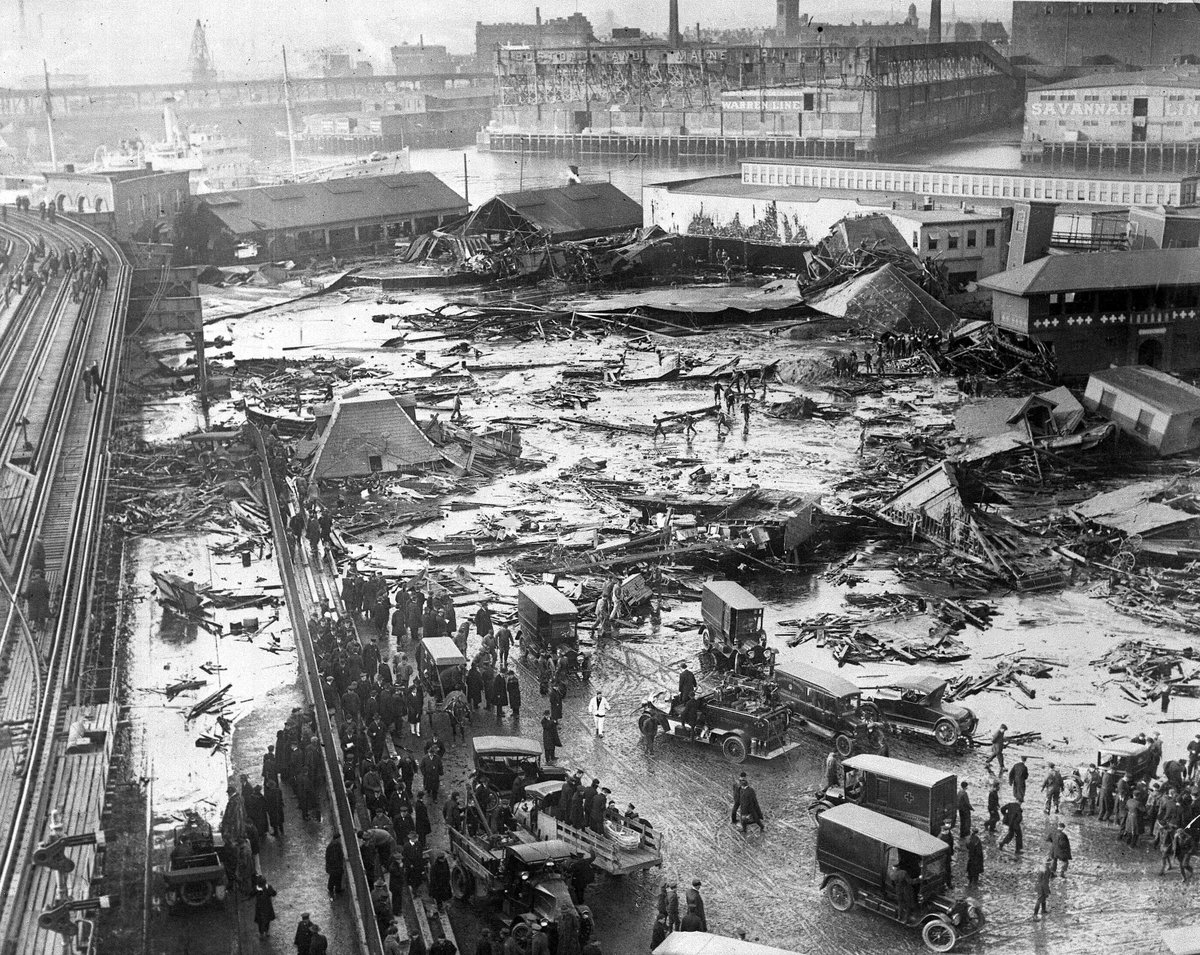
On 15 January 1919, a huge storage tank in Boston's North End suddenly ruptured. Inside were approximately 2.3 million gallons of molasses.
Then the impossible happened.
A massive wave of the thick, sticky liquid rushed through the streets at an estimated 35 miles per hour.
The wave:
🏠 Destroyed buildings.
🚂 Damaged elevated railway infrastructure.
🐎 Killed horses.
👥 Swept people away.
By the time the disaster ended:
21 people were dead and about 150 were injured. But why was molasses moving so violently?
Investigations eventually found that the tank itself was dangerously inadequate.
Later scientific analysis also suggested that temperature played a role: relatively warm molasses had been brought into Boston shortly before the tank ruptured, while the January air was much colder.
As the molasses cooled, it became dramatically more viscous.
The disaster led to a major legal battle and helped highlight the importance of proper engineering standards and inspection.
The cleanup was enormous.
Salt water and sand were used to remove the sticky material, but molasses was carried throughout the neighbourhood on shoes, vehicles and rescue equipment.
For weeks, Boston was dealing with the aftermath. A disaster caused by something most people associate with pancakes.
History can be stranger than fiction.
#History #Boston #Engineering #DidYouKnow #GenesisContent
🍯 A CITY ONCE FACED A 15-FOOT-WAVE OF MOLASSES.
It sounds like something from a cartoon.
It wasn't.
On 15 January 1919, a huge storage tank in Boston's North End suddenly ruptured. Inside were approximately 2.3 million gallons of molasses.
Then the impossible happened.
A massive wave of the thick, sticky liquid rushed through the streets at an estimated 35 miles per hour.
The wave:
🏠 Destroyed buildings.
🚂 Damaged elevated railway infrastructure.
🐎 Killed horses.
👥 Swept people away.
By the time the disaster ended:
21 people were dead and about 150 were injured. But why was molasses moving so violently?
Investigations eventually found that the tank itself was dangerously inadequate.
Later scientific analysis also suggested that temperature played a role: relatively warm molasses had been brought into Boston shortly before the tank ruptured, while the January air was much colder.
As the molasses cooled, it became dramatically more viscous.
The disaster led to a major legal battle and helped highlight the importance of proper engineering standards and inspection.
The cleanup was enormous.
Salt water and sand were used to remove the sticky material, but molasses was carried throughout the neighbourhood on shoes, vehicles and rescue equipment.
For weeks, Boston was dealing with the aftermath. A disaster caused by something most people associate with pancakes.
History can be stranger than fiction.
#History #Boston #Engineering #DidYouKnow #GenesisContent
🍯 A CITY ONCE FACED A 15-FOOT-WAVE OF MOLASSES.
It sounds like something from a cartoon.
It wasn't.
On 15 January 1919, a huge storage tank in Boston's North End suddenly ruptured. Inside were approximately 2.3 million gallons of molasses.
Then the impossible happened.
A massive wave of the thick, sticky liquid rushed through the streets at an estimated 35 miles per hour.
The wave:
🏠 Destroyed buildings.
🚂 Damaged elevated railway infrastructure.
🐎 Killed horses.
👥 Swept people away.
By the time the disaster ended:
21 people were dead and about 150 were injured. But why was molasses moving so violently?
Investigations eventually found that the tank itself was dangerously inadequate.
Later scientific analysis also suggested that temperature played a role: relatively warm molasses had been brought into Boston shortly before the tank ruptured, while the January air was much colder.
As the molasses cooled, it became dramatically more viscous.
The disaster led to a major legal battle and helped highlight the importance of proper engineering standards and inspection.
The cleanup was enormous.
Salt water and sand were used to remove the sticky material, but molasses was carried throughout the neighbourhood on shoes, vehicles and rescue equipment.
For weeks, Boston was dealing with the aftermath. A disaster caused by something most people associate with pancakes.
History can be stranger than fiction.
#History #Boston #Engineering #DidYouKnow #GenesisContent
🍯 A CITY ONCE FACED A 15-FOOT-WAVE OF MOLASSES.
It sounds like something from a cartoon.
It wasn't.
On 15 January 1919, a huge storage tank in Boston's North End suddenly ruptured. Inside were approximately 2.3 million gallons of molasses.
Then the impossible happened.
A massive wave of the thick, sticky liquid rushed through the streets at an estimated 35 miles per hour.
The wave:
🏠 Destroyed buildings.
🚂 Damaged elevated railway infrastructure.
🐎 Killed horses.
👥 Swept people away.
By the time the disaster ended:
21 people were dead and about 150 were injured. But why was molasses moving so violently?
Investigations eventually found that the tank itself was dangerously inadequate.
Later scientific analysis also suggested that temperature played a role: relatively warm molasses had been brought into Boston shortly before the tank ruptured, while the January air was much colder.
As the molasses cooled, it became dramatically more viscous.
The disaster led to a major legal battle and helped highlight the importance of proper engineering standards and inspection.
The cleanup was enormous.
Salt water and sand were used to remove the sticky material, but molasses was carried throughout the neighbourhood on shoes, vehicles and rescue equipment.
For weeks, Boston was dealing with the aftermath. A disaster caused by something most people associate with pancakes.
History can be stranger than fiction.
#History #Boston #Engineering #DidYouKnow #GenesisContent
🍯 A CITY ONCE FACED A 15-FOOT-WAVE OF MOLASSES.
It sounds like something from a cartoon.
It wasn't.
On 15 January 1919, a huge storage tank in Boston's North End suddenly ruptured. Inside were approximately 2.3 million gallons of molasses.
Then the impossible happened.
A massive wave of the thick, sticky liquid rushed through the streets at an estimated 35 miles per hour.
The wave:
🏠 Destroyed buildings.
🚂 Damaged elevated railway infrastructure.
🐎 Killed horses.
👥 Swept people away.
By the time the disaster ended:
21 people were dead and about 150 were injured. But why was molasses moving so violently?
Investigations eventually found that the tank itself was dangerously inadequate.
Later scientific analysis also suggested that temperature played a role: relatively warm molasses had been brought into Boston shortly before the tank ruptured, while the January air was much colder.
As the molasses cooled, it became dramatically more viscous.
The disaster led to a major legal battle and helped highlight the importance of proper engineering standards and inspection.
The cleanup was enormous.
Salt water and sand were used to remove the sticky material, but molasses was carried throughout the neighbourhood on shoes, vehicles and rescue equipment.
For weeks, Boston was dealing with the aftermath. A disaster caused by something most people associate with pancakes.
History can be stranger than fiction.
#History #Boston #Engineering #DidYouKnow #GenesisContent
🍯 A CITY ONCE FACED A 15-FOOT-WAVE OF MOLASSES.
It sounds like something from a cartoon.
It wasn't.
On 15 January 1919, a huge storage tank in Boston's North End suddenly ruptured. Inside were approximately 2.3 million gallons of molasses.
Then the impossible happened.
A massive wave of the thick, sticky liquid rushed through the streets at an estimated 35 miles per hour.
The wave:
🏠 Destroyed buildings.
🚂 Damaged elevated railway infrastructure.
🐎 Killed horses.
👥 Swept people away.
By the time the disaster ended:
21 people were dead and about 150 were injured. But why was molasses moving so violently?
Investigations eventually found that the tank itself was dangerously inadequate.
Later scientific analysis also suggested that temperature played a role: relatively warm molasses had been brought into Boston shortly before the tank ruptured, while the January air was much colder.
As the molasses cooled, it became dramatically more viscous.
The disaster led to a major legal battle and helped highlight the importance of proper engineering standards and inspection.
The cleanup was enormous.
Salt water and sand were used to remove the sticky material, but molasses was carried throughout the neighbourhood on shoes, vehicles and rescue equipment.
For weeks, Boston was dealing with the aftermath. A disaster caused by something most people associate with pancakes.
History can be stranger than fiction.
#History #Boston #Engineering #DidYouKnow #GenesisContent
🍯 A CITY ONCE FACED A 15-FOOT-WAVE OF MOLASSES.
It sounds like something from a cartoon.
It wasn't.
On 15 January 1919, a huge storage tank in Boston's North End suddenly ruptured. Inside were approximately 2.3 million gallons of molasses.
Then the impossible happened.
A massive wave of the thick, sticky liquid rushed through the streets at an estimated 35 miles per hour.
The wave:
🏠 Destroyed buildings.
🚂 Damaged elevated railway infrastructure.
🐎 Killed horses.
👥 Swept people away.
By the time the disaster ended:
21 people were dead and about 150 were injured. But why was molasses moving so violently?
Investigations eventually found that the tank itself was dangerously inadequate.
Later scientific analysis also suggested that temperature played a role: relatively warm molasses had been brought into Boston shortly before the tank ruptured, while the January air was much colder.
As the molasses cooled, it became dramatically more viscous.
The disaster led to a major legal battle and helped highlight the importance of proper engineering standards and inspection.
The cleanup was enormous.
Salt water and sand were used to remove the sticky material, but molasses was carried throughout the neighbourhood on shoes, vehicles and rescue equipment.
For weeks, Boston was dealing with the aftermath. A disaster caused by something most people associate with pancakes.
History can be stranger than fiction.
#History #Boston #Engineering #DidYouKnow #GenesisContent
🍯 A CITY ONCE FACED A 15-FOOT-WAVE OF MOLASSES.
It sounds like something from a cartoon.
It wasn't.
On 15 January 1919, a huge storage tank in Boston's North End suddenly ruptured. Inside were approximately 2.3 million gallons of molasses.
Then the impossible happened.
A massive wave of the thick, sticky liquid rushed through the streets at an estimated 35 miles per hour.
The wave:
🏠 Destroyed buildings.
🚂 Damaged elevated railway infrastructure.
🐎 Killed horses.
👥 Swept people away.
By the time the disaster ended:
21 people were dead and about 150 were injured. But why was molasses moving so violently?
Investigations eventually found that the tank itself was dangerously inadequate.
Later scientific analysis also suggested that temperature played a role: relatively warm molasses had been brought into Boston shortly before the tank ruptured, while the January air was much colder.
As the molasses cooled, it became dramatically more viscous.
The disaster led to a major legal battle and helped highlight the importance of proper engineering standards and inspection.
The cleanup was enormous.
Salt water and sand were used to remove the sticky material, but molasses was carried throughout the neighbourhood on shoes, vehicles and rescue equipment.
For weeks, Boston was dealing with the aftermath. A disaster caused by something most people associate with pancakes.
History can be stranger than fiction.
#History #Boston #Engineering #DidYouKnow #GenesisContent
🍯 A CITY ONCE FACED A 15-FOOT-WAVE OF MOLASSES.
It sounds like something from a cartoon.
It wasn't.
On 15 January 1919, a huge storage tank in Boston's North End suddenly ruptured. Inside were approximately 2.3 million gallons of molasses.
Then the impossible happened.
A massive wave of the thick, sticky liquid rushed through the streets at an estimated 35 miles per hour.
The wave:
🏠 Destroyed buildings.
🚂 Damaged elevated railway infrastructure.
🐎 Killed horses.
👥 Swept people away.
By the time the disaster ended:
21 people were dead and about 150 were injured. But why was molasses moving so violently?
Investigations eventually found that the tank itself was dangerously inadequate.
Later scientific analysis also suggested that temperature played a role: relatively warm molasses had been brought into Boston shortly before the tank ruptured, while the January air was much colder.
As the molasses cooled, it became dramatically more viscous.
The disaster led to a major legal battle and helped highlight the importance of proper engineering standards and inspection.
The cleanup was enormous.
Salt water and sand were used to remove the sticky material, but molasses was carried throughout the neighbourhood on shoes, vehicles and rescue equipment.
For weeks, Boston was dealing with the aftermath. A disaster caused by something most people associate with pancakes.
History can be stranger than fiction.
#History #Boston #Engineering #DidYouKnow #GenesisContent
🍯 A CITY ONCE FACED A 15-FOOT-WAVE OF MOLASSES.
It sounds like something from a cartoon.
It wasn't.
On 15 January 1919, a huge storage tank in Boston's North End suddenly ruptured. Inside were approximately 2.3 million gallons of molasses.
Then the impossible happened.
A massive wave of the thick, sticky liquid rushed through the streets at an estimated 35 miles per hour.
The wave:
🏠 Destroyed buildings.
🚂 Damaged elevated railway infrastructure.
🐎 Killed horses.
👥 Swept people away.
By the time the disaster ended:
21 people were dead and about 150 were injured. But why was molasses moving so violently?
Investigations eventually found that the tank itself was dangerously inadequate.
Later scientific analysis also suggested that temperature played a role: relatively warm molasses had been brought into Boston shortly before the tank ruptured, while the January air was much colder.
As the molasses cooled, it became dramatically more viscous.
The disaster led to a major legal battle and helped highlight the importance of proper engineering standards and inspection.
The cleanup was enormous.
Salt water and sand were used to remove the sticky material, but molasses was carried throughout the neighbourhood on shoes, vehicles and rescue equipment.
For weeks, Boston was dealing with the aftermath. A disaster caused by something most people associate with pancakes.
History can be stranger than fiction.
#History #Boston #Engineering #DidYouKnow #GenesisContent
🍯 A CITY ONCE FACED A 15-FOOT-WAVE OF MOLASSES.
It sounds like something from a cartoon.
It wasn't.
On 15 January 1919, a huge storage tank in Boston's North End suddenly ruptured. Inside were approximately 2.3 million gallons of molasses.
Then the impossible happened.
A massive wave of the thick, sticky liquid rushed through the streets at an estimated 35 miles per hour.
The wave:
🏠 Destroyed buildings.
🚂 Damaged elevated railway infrastructure.
🐎 Killed horses.
👥 Swept people away.
By the time the disaster ended:
21 people were dead and about 150 were injured. But why was molasses moving so violently?
Investigations eventually found that the tank itself was dangerously inadequate.
Later scientific analysis also suggested that temperature played a role: relatively warm molasses had been brought into Boston shortly before the tank ruptured, while the January air was much colder.
As the molasses cooled, it became dramatically more viscous.
The disaster led to a major legal battle and helped highlight the importance of proper engineering standards and inspection.
The cleanup was enormous.
Salt water and sand were used to remove the sticky material, but molasses was carried throughout the neighbourhood on shoes, vehicles and rescue equipment.
For weeks, Boston was dealing with the aftermath. A disaster caused by something most people associate with pancakes.
History can be stranger than fiction.
#History #Boston #Engineering #DidYouKnow #GenesisContent
🍯 A CITY ONCE FACED A 15-FOOT-WAVE OF MOLASSES.
It sounds like something from a cartoon.
It wasn't.
On 15 January 1919, a huge storage tank in Boston's North End suddenly ruptured. Inside were approximately 2.3 million gallons of molasses.
Then the impossible happened.
A massive wave of the thick, sticky liquid rushed through the streets at an estimated 35 miles per hour.
The wave:
🏠 Destroyed buildings.
🚂 Damaged elevated railway infrastructure.
🐎 Killed horses.
👥 Swept people away.
By the time the disaster ended:
21 people were dead and about 150 were injured. But why was molasses moving so violently?
Investigations eventually found that the tank itself was dangerously inadequate.
Later scientific analysis also suggested that temperature played a role: relatively warm molasses had been brought into Boston shortly before the tank ruptured, while the January air was much colder.
As the molasses cooled, it became dramatically more viscous.
The disaster led to a major legal battle and helped highlight the importance of proper engineering standards and inspection.
The cleanup was enormous.
Salt water and sand were used to remove the sticky material, but molasses was carried throughout the neighbourhood on shoes, vehicles and rescue equipment.
For weeks, Boston was dealing with the aftermath. A disaster caused by something most people associate with pancakes.
History can be stranger than fiction.
#History #Boston #Engineering #DidYouKnow #GenesisContent
🍯 A CITY ONCE FACED A 15-FOOT-WAVE OF MOLASSES.
It sounds like something from a cartoon.
It wasn't.
On 15 January 1919, a huge storage tank in Boston's North End suddenly ruptured. Inside were approximately 2.3 million gallons of molasses.
Then the impossible happened.
A massive wave of the thick, sticky liquid rushed through the streets at an estimated 35 miles per hour.
The wave:
🏠 Destroyed buildings.
🚂 Damaged elevated railway infrastructure.
🐎 Killed horses.
👥 Swept people away.
By the time the disaster ended:
21 people were dead and about 150 were injured. But why was molasses moving so violently?
Investigations eventually found that the tank itself was dangerously inadequate.
Later scientific analysis also suggested that temperature played a role: relatively warm molasses had been brought into Boston shortly before the tank ruptured, while the January air was much colder.
As the molasses cooled, it became dramatically more viscous.
The disaster led to a major legal battle and helped highlight the importance of proper engineering standards and inspection.
The cleanup was enormous.
Salt water and sand were used to remove the sticky material, but molasses was carried throughout the neighbourhood on shoes, vehicles and rescue equipment.
For weeks, Boston was dealing with the aftermath. A disaster caused by something most people associate with pancakes.
History can be stranger than fiction.
#History #Boston #Engineering #DidYouKnow #GenesisContent
🍯 A CITY ONCE FACED A 15-FOOT-WAVE OF MOLASSES.
It sounds like something from a cartoon.
It wasn't.
On 15 January 1919, a huge storage tank in Boston's North End suddenly ruptured. Inside were approximately 2.3 million gallons of molasses.
Then the impossible happened.
A massive wave of the thick, sticky liquid rushed through the streets at an estimated 35 miles per hour.
The wave:
🏠 Destroyed buildings.
🚂 Damaged elevated railway infrastructure.
🐎 Killed horses.
👥 Swept people away.
By the time the disaster ended:
21 people were dead and about 150 were injured. But why was molasses moving so violently?
Investigations eventually found that the tank itself was dangerously inadequate.
Later scientific analysis also suggested that temperature played a role: relatively warm molasses had been brought into Boston shortly before the tank ruptured, while the January air was much colder.
As the molasses cooled, it became dramatically more viscous.
The disaster led to a major legal battle and helped highlight the importance of proper engineering standards and inspection.
The cleanup was enormous.
Salt water and sand were used to remove the sticky material, but molasses was carried throughout the neighbourhood on shoes, vehicles and rescue equipment.
For weeks, Boston was dealing with the aftermath. A disaster caused by something most people associate with pancakes.
History can be stranger than fiction.
#History #Boston #Engineering #DidYouKnow #GenesisContent
🍯 A CITY ONCE FACED A 15-FOOT-WAVE OF MOLASSES.
It sounds like something from a cartoon.
It wasn't.
On 15 January 1919, a huge storage tank in Boston's North End suddenly ruptured. Inside were approximately 2.3 million gallons of molasses.
Then the impossible happened.
A massive wave of the thick, sticky liquid rushed through the streets at an estimated 35 miles per hour.
The wave:
🏠 Destroyed buildings.
🚂 Damaged elevated railway infrastructure.
🐎 Killed horses.
👥 Swept people away.
By the time the disaster ended:
21 people were dead and about 150 were injured. But why was molasses moving so violently?
Investigations eventually found that the tank itself was dangerously inadequate.
Later scientific analysis also suggested that temperature played a role: relatively warm molasses had been brought into Boston shortly before the tank ruptured, while the January air was much colder.
As the molasses cooled, it became dramatically more viscous.
The disaster led to a major legal battle and helped highlight the importance of proper engineering standards and inspection.
The cleanup was enormous.
Salt water and sand were used to remove the sticky material, but molasses was carried throughout the neighbourhood on shoes, vehicles and rescue equipment.
For weeks, Boston was dealing with the aftermath. A disaster caused by something most people associate with pancakes.
History can be stranger than fiction.
#History #Boston #Engineering #DidYouKnow #GenesisContent
🎓 OXFORD WAS ALREADY TEACHING STUDENTS CENTURIES BEFORE THE AZTEC EMPIRE EXISTED.
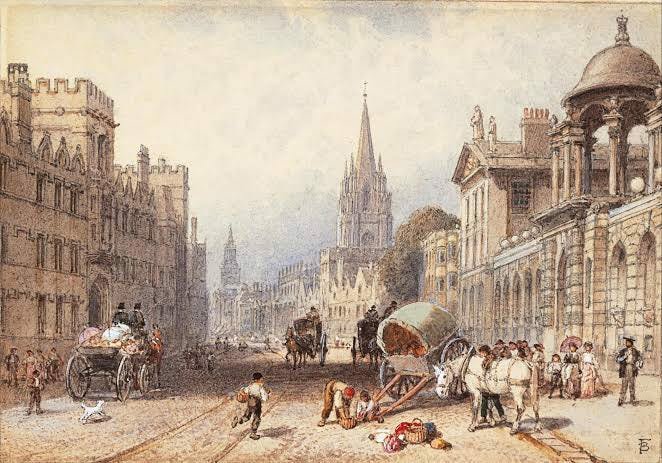
The University of Oxford has no single known founding date. But there is clear evidence that teaching was taking place at Oxford by 1096.
Now put that into perspective.
The Aztec capital of Tenochtitlan was founded around 1325. That means Oxford was already an established centre of learning more than 200 years before Tenochtitlan was founded. And Oxford wasn't simply old compared with the Aztecs.
When Oxford was developing as a centre of learning:
🏰 The Norman conquest of England was still relatively recent.
⚔️ The Crusades had not yet begun.
🕌 The Islamic world contained some of the world's greatest centres of scholarship.
🌎 The Americas were still centuries away from the rise of the Aztec Empire.
Oxford continued evolving through the Middle Ages, the Renaissance, the Reformation and the Industrial Revolution.
Today, it is regarded as the oldest university in the English-speaking world with nine centuries of continuous existence.
Imagine walking through Oxford today knowing that people were studying there nearly 1,000 years ago.
Some institutions don't just have history. They ARE history.
#History #Education #Oxford #DidYouKnow #GenesisContent
🎓 OXFORD WAS ALREADY TEACHING STUDENTS CENTURIES BEFORE THE AZTEC EMPIRE EXISTED.
The University of Oxford has no single known founding date. But there is clear evidence that teaching was taking place at Oxford by 1096.
Now put that into perspective.
The Aztec capital of Tenochtitlan was founded around 1325. That means Oxford was already an established centre of learning more than 200 years before Tenochtitlan was founded. And Oxford wasn't simply old compared with the Aztecs.
When Oxford was developing as a centre of learning:
🏰 The Norman conquest of England was still relatively recent.
⚔️ The Crusades had not yet begun.
🕌 The Islamic world contained some of the world's greatest centres of scholarship.
🌎 The Americas were still centuries away from the rise of the Aztec Empire.
Oxford continued evolving through the Middle Ages, the Renaissance, the Reformation and the Industrial Revolution.
Today, it is regarded as the oldest university in the English-speaking world with nine centuries of continuous existence.
Imagine walking through Oxford today knowing that people were studying there nearly 1,000 years ago.
Some institutions don't just have history. They ARE history.
#History #Education #Oxford #DidYouKnow #GenesisContent
🎓 OXFORD WAS ALREADY TEACHING STUDENTS CENTURIES BEFORE THE AZTEC EMPIRE EXISTED.
The University of Oxford has no single known founding date. But there is clear evidence that teaching was taking place at Oxford by 1096.
Now put that into perspective.
The Aztec capital of Tenochtitlan was founded around 1325. That means Oxford was already an established centre of learning more than 200 years before Tenochtitlan was founded. And Oxford wasn't simply old compared with the Aztecs.
When Oxford was developing as a centre of learning:
🏰 The Norman conquest of England was still relatively recent.
⚔️ The Crusades had not yet begun.
🕌 The Islamic world contained some of the world's greatest centres of scholarship.
🌎 The Americas were still centuries away from the rise of the Aztec Empire.
Oxford continued evolving through the Middle Ages, the Renaissance, the Reformation and the Industrial Revolution.
Today, it is regarded as the oldest university in the English-speaking world with nine centuries of continuous existence.
Imagine walking through Oxford today knowing that people were studying there nearly 1,000 years ago.
Some institutions don't just have history. They ARE history.
#History #Education #Oxford #DidYouKnow #GenesisContent
🎓 OXFORD WAS ALREADY TEACHING STUDENTS CENTURIES BEFORE THE AZTEC EMPIRE EXISTED.
The University of Oxford has no single known founding date. But there is clear evidence that teaching was taking place at Oxford by 1096.
Now put that into perspective.
The Aztec capital of Tenochtitlan was founded around 1325. That means Oxford was already an established centre of learning more than 200 years before Tenochtitlan was founded. And Oxford wasn't simply old compared with the Aztecs.
When Oxford was developing as a centre of learning:
🏰 The Norman conquest of England was still relatively recent.
⚔️ The Crusades had not yet begun.
🕌 The Islamic world contained some of the world's greatest centres of scholarship.
🌎 The Americas were still centuries away from the rise of the Aztec Empire.
Oxford continued evolving through the Middle Ages, the Renaissance, the Reformation and the Industrial Revolution.
Today, it is regarded as the oldest university in the English-speaking world with nine centuries of continuous existence.
Imagine walking through Oxford today knowing that people were studying there nearly 1,000 years ago.
Some institutions don't just have history. They ARE history.
#History #Education #Oxford #DidYouKnow #GenesisContent
🎓 OXFORD WAS ALREADY TEACHING STUDENTS CENTURIES BEFORE THE AZTEC EMPIRE EXISTED.
The University of Oxford has no single known founding date. But there is clear evidence that teaching was taking place at Oxford by 1096.
Now put that into perspective.
The Aztec capital of Tenochtitlan was founded around 1325. That means Oxford was already an established centre of learning more than 200 years before Tenochtitlan was founded. And Oxford wasn't simply old compared with the Aztecs.
When Oxford was developing as a centre of learning:
🏰 The Norman conquest of England was still relatively recent.
⚔️ The Crusades had not yet begun.
🕌 The Islamic world contained some of the world's greatest centres of scholarship.
🌎 The Americas were still centuries away from the rise of the Aztec Empire.
Oxford continued evolving through the Middle Ages, the Renaissance, the Reformation and the Industrial Revolution.
Today, it is regarded as the oldest university in the English-speaking world with nine centuries of continuous existence.
Imagine walking through Oxford today knowing that people were studying there nearly 1,000 years ago.
Some institutions don't just have history. They ARE history.
#History #Education #Oxford #DidYouKnow #GenesisContent