FOR THE FIRST TIME IN 53 YEARS, THE KNICKS ARE NBA CHAMPIONS 🏆
New York defeats San Antonio 4-1 in the NBA Finals, capturing their third championship in franchise history!
Congratulations to Ioannis Verginadis, MSc, PhD, a recipient of the 2025 AACR-Novocure Cancer Research Grant. He is exploring the therapeutic potential of combining TTFields with radiation therapy and immunotherapy in pancreatic cancer.
#AACRGrants@Novocure@YVerginadis
Every time you get a cancer biopsy, the lab makes a tissue slide that costs about $5. It shows the shape of your cells under a microscope, and every cancer patient already has one on file.
There’s a much fancier version of that test called multiplex immunofluorescence (basically a protein-level map showing which immune cells are near your tumor and what they’re doing). It costs thousands of dollars per sample, takes specialized equipment most hospitals don’t have, and barely scales. But it’s the kind of data oncologists need to figure out whether immunotherapy will actually work for you. Right now, only about 20 to 40% of cancer patients respond to immunotherapy, and one of the biggest reasons is that doctors can’t easily tell whether a tumor is “hot” (immune cells actively fighting it) or “cold” (immune system ignoring it).
Microsoft, Providence Health, and the University of Washington trained an AI to analyze the $5 slide and predict what the expensive test would show across 21 different protein markers. They called it GigaTIME, trained it on 40 million cells in which both the cheap slide and the expensive test coexisted, and then turned it loose on 14,256 real cancer patients across 51 hospitals in 7 US states.
The results landed in Cell, one of the most selective journals in biology. The model generated about 300,000 virtual protein maps covering 24 cancer types and 306 subtypes. It found 1,234 real, verified connections between immune cell behavior, genetic mutations, tumor staging, and patient survival that were previously invisible at this scale. When they tested it against a completely separate database of 10,200 cancer patients, the results matched up almost perfectly (0.88 out of 1.0 agreement).
Nature Methods named spatial proteomics (mapping where specific proteins sit inside your tissue) its Method of the Year in 2024, and specifically cited GigaTIME in a March 2026 update as a model that “democratizes” this kind of analysis. The full model is open-source on Hugging Face. Any cancer research lab with archived biopsy slides, and most of them have thousands, can now run virtual immune profiling without buying a single piece of new equipment.
Summer Research Opportunity!
Incoming @WashU Freshmen or rising Sophomores who have not yet worked in a lab, we have a great experience for you in #CancerBio!
Apply by Feb 27 - https://t.co/21IHaKFhAP
#UndergraduateResearch#radonc
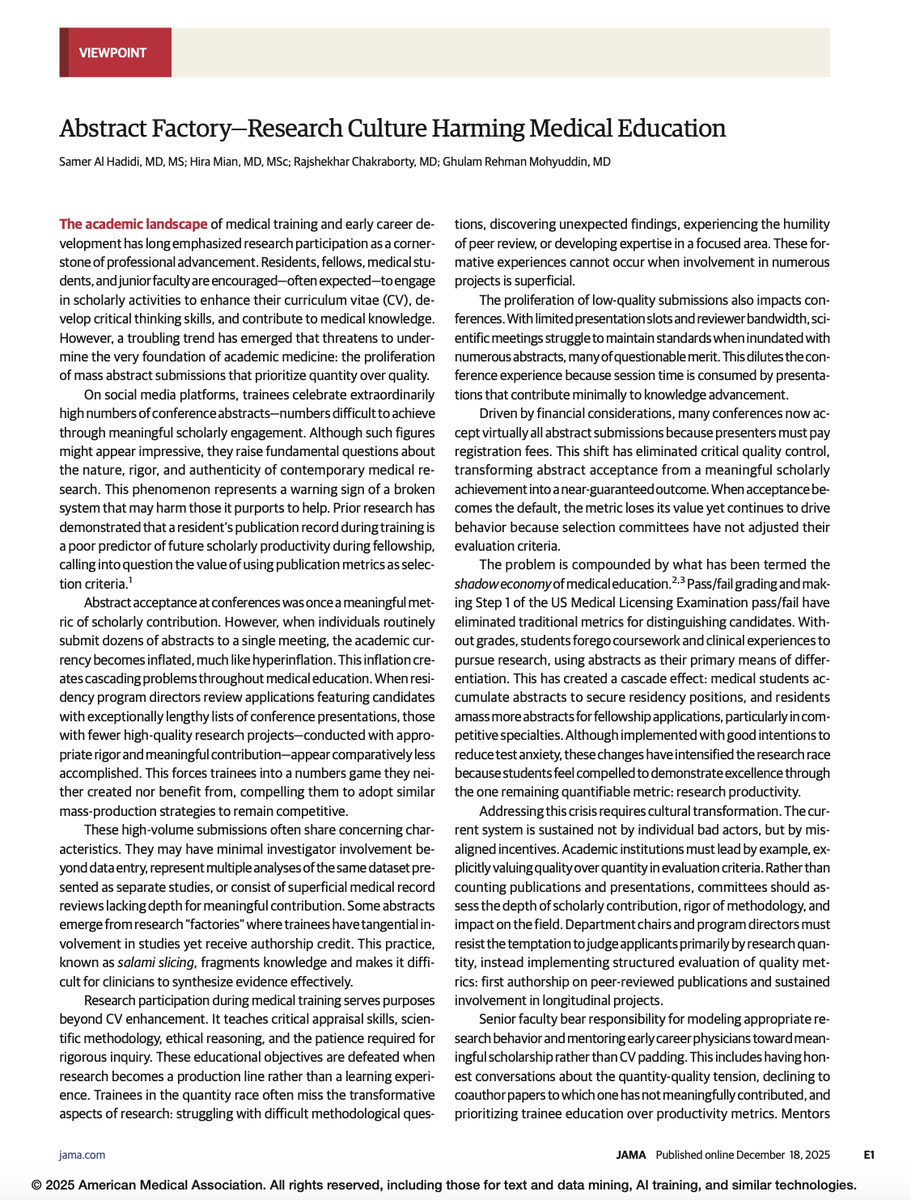
Great short piece about the “Research Arms Race” in medical education. Even as an M1 the pressure to produce before clerkships is on many students’ minds.
Check our viewpoint published @JAMA_current#MedEd
Abstract Factory—Research Culture Harming Medical Education
The "abstract factory" is destroying medical education. Trainees and junior faculty compete with abstract counts instead of meaningful research. Result: inflated CVs, diluted conferences. We shouldn't celebrate this—you don't need publications to be a great doctor.
➡️https://t.co/IMBhy45L1K
@utswcancer@rajshekharucms@HiraSMian@ManniMD1@HemOncFellows@ASCOTECAG
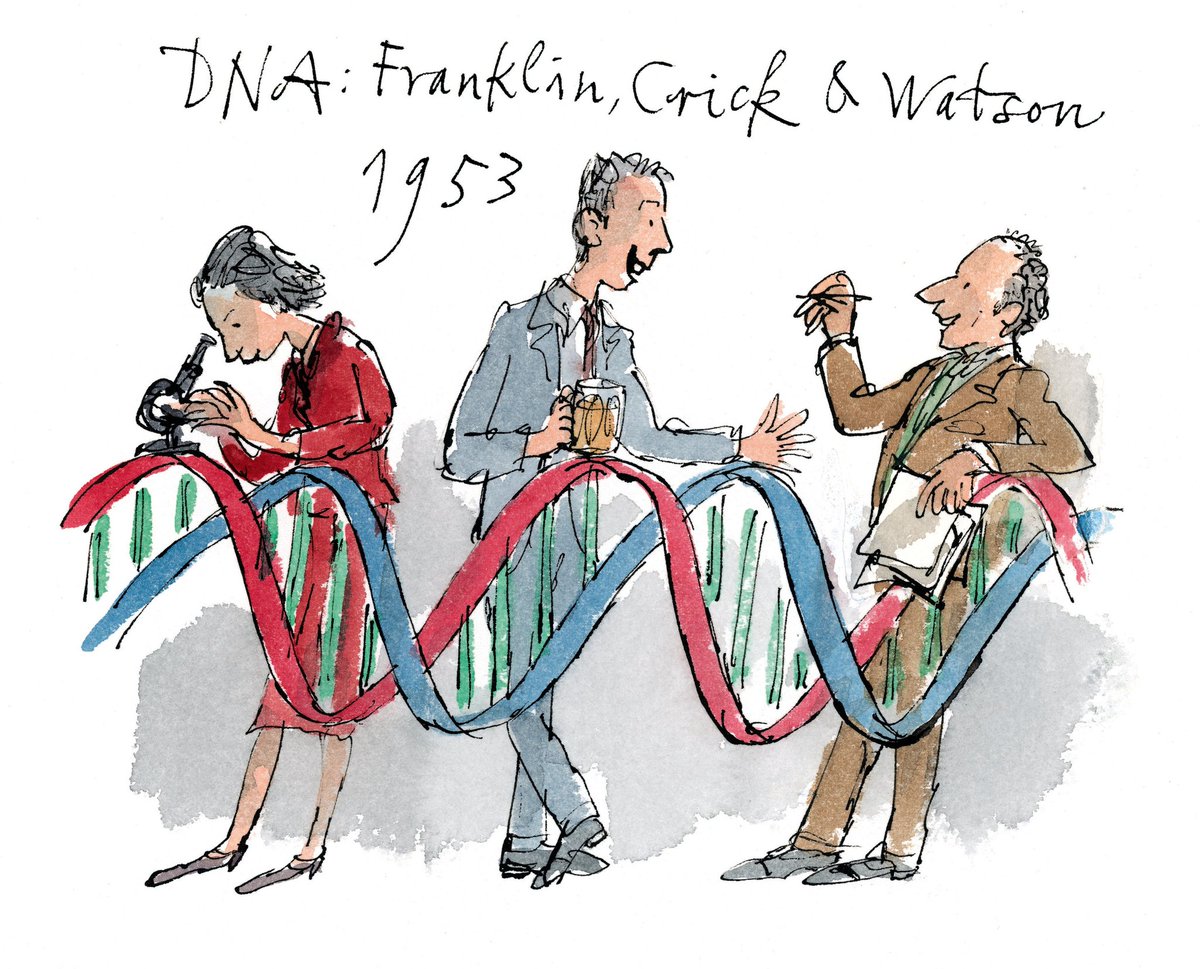
The death of the Nobel Prize-winning pioneer of DNA, James Watson, has been announced. He was 97.
Together with Francis Crick, Rosalind Franklin and Maurice Wilkins, he identified the double-helix while working @DeptofPhysics. They famously announced that they had "discovered the secret of life" in the now-legendary Eagle Pub in 1953.
https://t.co/81Ag5yVwR1
Illustration by Quentin Blake for Cambridge's 800th anniversary.
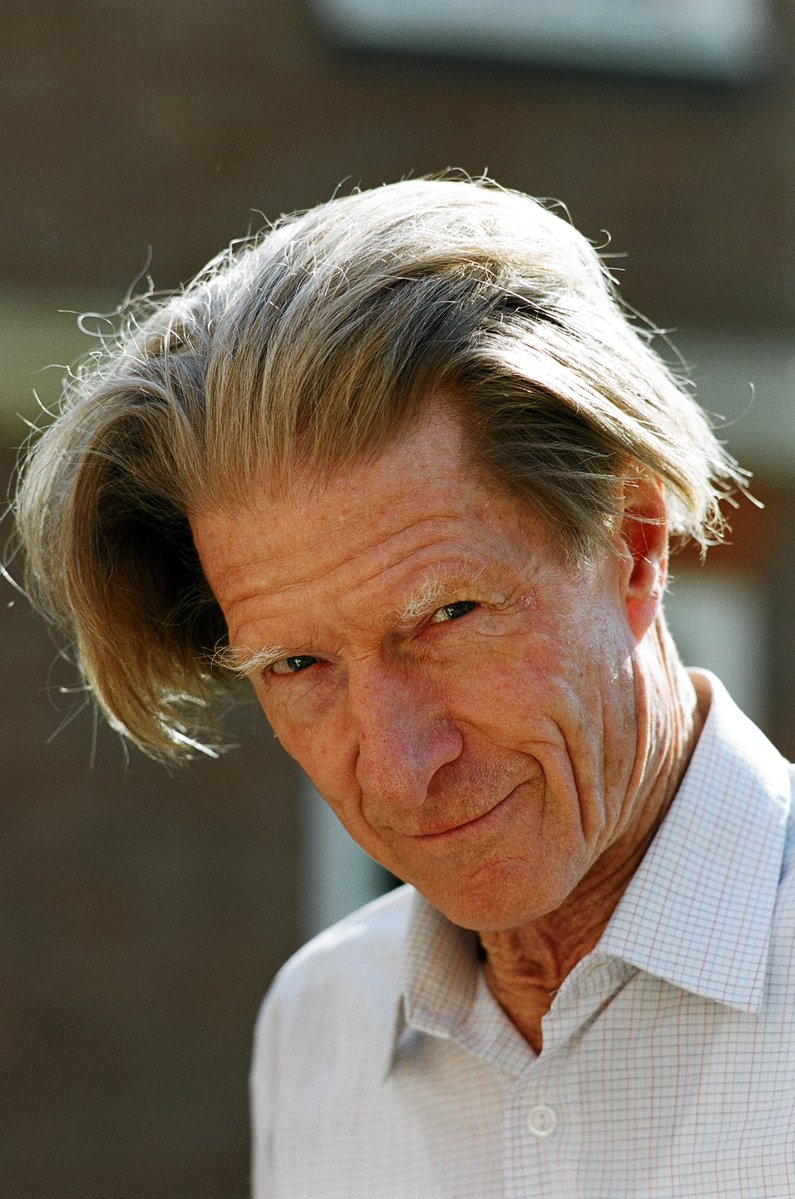
A Nobel-winning scientist of great modesty and humour, John Gurdon died on 7 October. Not only did he make a discovery that laid the foundations for the field of stem cell research, he also created one of the best environments for research at the Wellcome / CRUK Gurdon Institute. https://t.co/p0NXMM7RmJ
Meet the 2025 TIME Fellows.
This new cohort is already:
🧠 Investigating brain aging & resilience
🧪 Advancing immune + genome repair
📊 Building tools for molecular biomarker discovery
🎙️ Driving science storytelling & startup ideas
They are the future of #agingbiology.
Thrilled to see our work on murine oesophageal #Epithelioids published in @NatureGenet, after many years of hard work alongside @AlbertHerms during our postdoc at Phil Jones' lab @Sangerinstitute and built on the foundational work by @MariaPAlcolea
https://t.co/DINJ7FeyoX
We are excited to share our lab’s first research article! https://t.co/GKlHK0WjLz We have developed Transferrin Receptor Targeting Chimeras (TransTACs), a novel class of heterobispecific antibodies designed for targeted degradation of membrane proteins. https://t.co/spmBr6jp7w
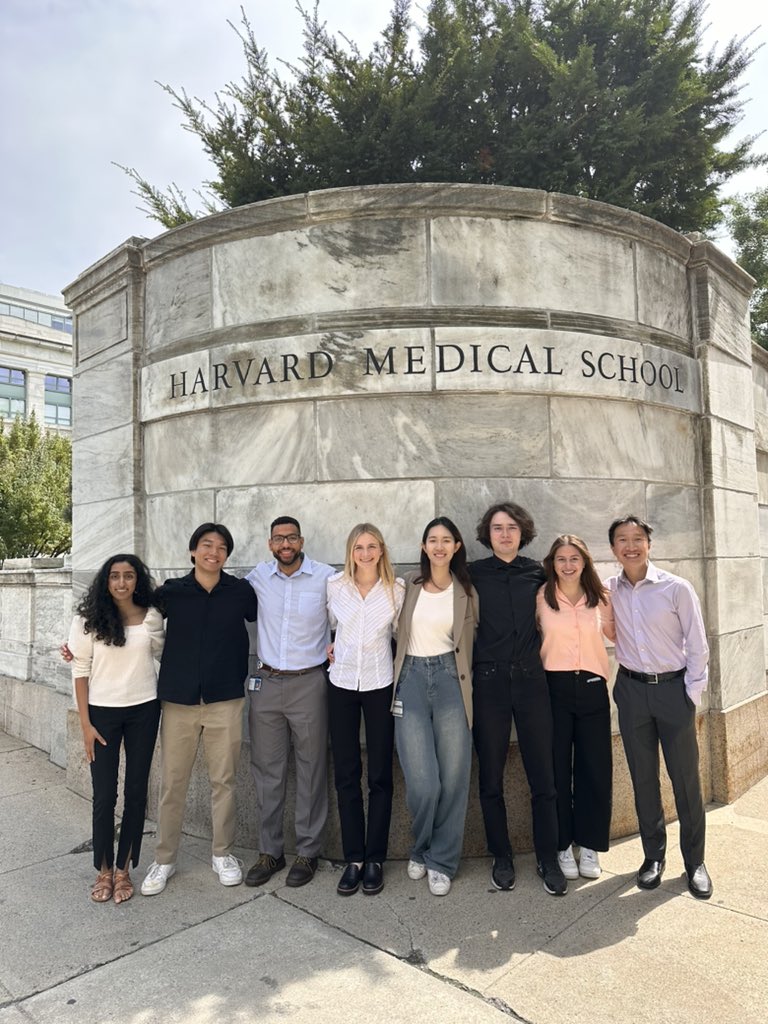
Had a wonderful summer at HMS and Dana Farber working on PD-L1 targeted degraders in the @xinzhoulab. Thank you to the BCMP Summer Scholars program @HMS_BCMP@PiotrSliz and especially to Dr. Xin Zhou for having me, Larry Shue for his mentorship, and everyone in the Zhou lab!
Proton therapy increases precision and reduces the dreaded symptoms that often accompany radiation treatment. As home to the largest #protontherapy center in the world, we've treated over 10,000 local patients while expanding our reach across the region. https://t.co/qW9WwfO49B