💤 New Research 💤
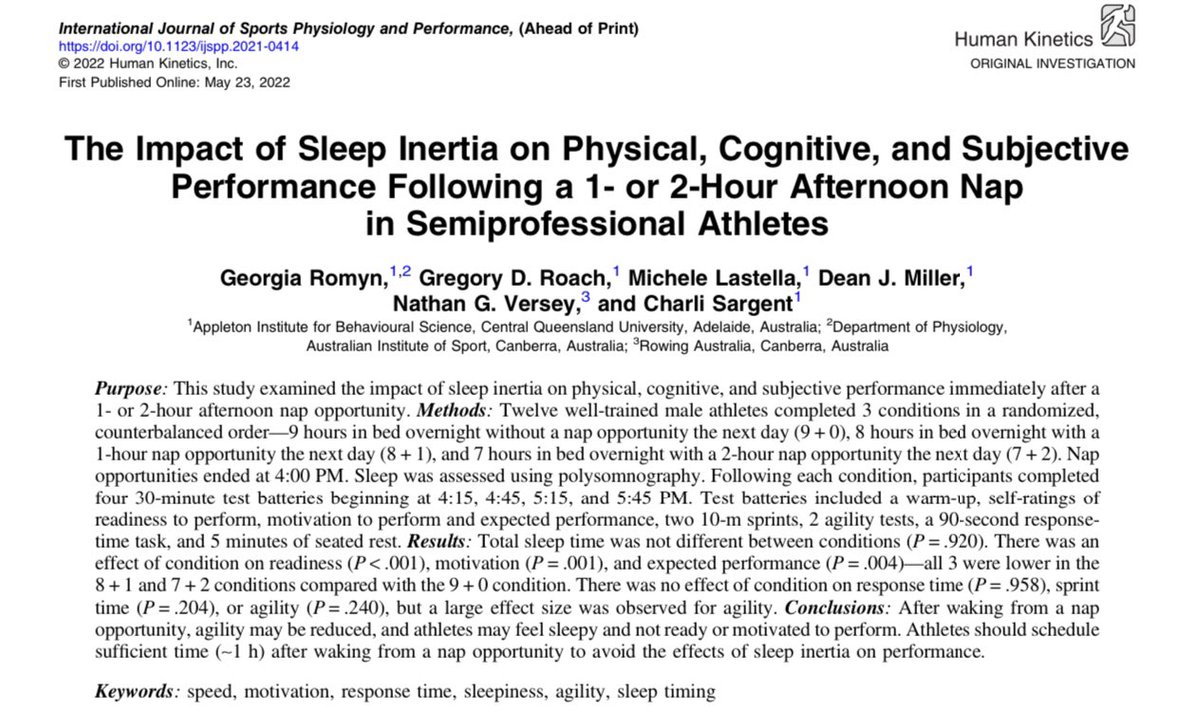
The impact of #sleep inertia on physical 🏃♂️, cognitive 🧠 & subjective #performance after a 1 or 2 hr arvo #nap in semiprofessional #athletes
Delighted to get this one out via @IJSPPjournal https://t.co/UCi1py5Mz9
#sportscience
Practical applications ⬇️
One of my favourite things is sleep brand founders, from supplements to eye masks to digital therapies, all "cured" "fixed" or "solved" their chronic insomnia with the product and never had a poor might's sleep again... This sort of codswallop is not fair on poor sleepers...
@SleepAndSports@DrSianAllen@WHOOP CBD content & absence of THC may be misleading. THC contamination may result in:
Excessive daytime sleepiness
Cognitive impairment
Increased sleep disturbance
Possible reduction in strength and aerobic capacity.
At this time better things we can do to improve sleep 😴
@SleepAndSports@DrSianAllen@WHOOP Great points re sleep staging & pain/anxiety!
In the short term SWS may increase at the expense of REM sleep. Long term both SWS & REM may decrease with tolerance.
Very little research around dose, timing, methods of consumption, & cannabinoid concentrations.
On the contrary:
#Naps can ⬆️ #alertness & other benefits.
Acute vs later effects depend e.g. on duration:
Naps <15-20 min ⬇️ risk of subsequent [#sleep] inertia.
As opposed to the idea below that NSDR would equal 1-2 h of sleep, there is a lot of science behind #napping 🧵
@dralysuh@sleepscientist We studied a model (FitBit HR Charge) vs. PSG in athletes. Fitbit tended to overestimate total sleep time & was poor at automatically detecting short sleep/naps. Best to review start & end time of sleep periods, & manually input correct start/end times of sleep period, each day.
🚨❓ Work in invasion/striking team sports: managing injury, prescribing / monitoring exercise, or training loads, or in a coaching / skill capacity?
Please complete our ~10-minute survey🧠
👉🏼 https://t.co/XooxFeaWvx
PLEASE RT🔁
FREE!【Japan High Performance Sport Symposium】
"Individualized Performance Optimization Through Developing Resilient Athlete Support System" (On-demand: Feb.15-Mar.15)
@inigomujika_en@hiitscience@PaulBLaursen@ShonaHalson@Jad_AdrianWJ
Registration: https://t.co/ieOljoCu2K
Female athletes are a hot topic right now 🧐
But what about female coaches, officials, performance staff, operations & business staff?
Together with @DrAntheaClarke, @AlexHRoberts & Dr Clare MacMahon, we propose a new framework ➡️
https://t.co/2t5YwG1txv
@SportInSocietyJ
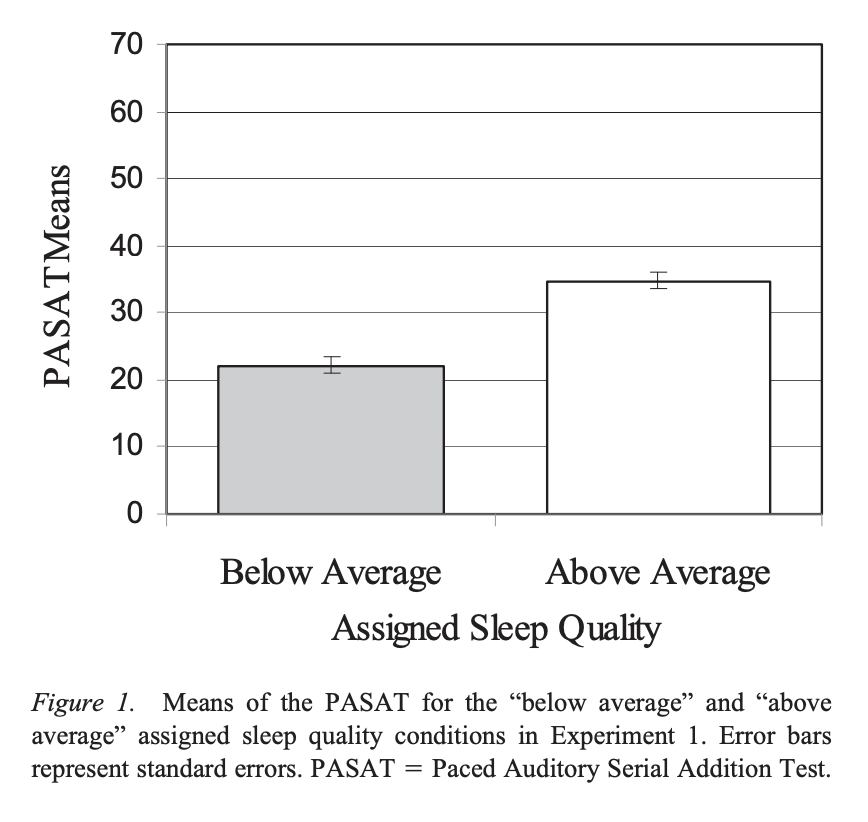
Take those Sleep Scores with a pinch of salt! 😴
In this study, when people were assigned with a poor sleep quality rating their cognitive performance was worse...
Even if their self-reported sleep quality was good!
If you’re new to tracking personal or athlete data (subjectives, HRV, sleep, etc), rest assured that optimal status metrics are not required for a high level of physical performance. This should be fairly unsurprising given that none of these are measures of physical performance.
Please listen to this message if you are believing the data your wearable is giving you on sleep stages. I've recently been working with an international footballer and if we believed the data on deep sleep and rem sleep they were basically dead. They were sleeping fine
@thesleepgeek Exactly! Increases anxiety & the risk of orthosomnia. So much education needed when working with athletes, & in clinical practice. Not to mention we can’t really manipulate our sleep staging any way. Don’t even get me started on sleep/recovery/readiness scores and sleep numbers!
Don't miss my top secret tips to help you get back to sleep if you wake up in the middle of the night in this 12 min episode. Thanks for interviewing me on the podcast!
https://t.co/1hOlMQSWEd
The 3 best S&C coaches I’ve ever met in my life have a combined 749 followers on this app and a total of 1582 total tweets.
Don’t get lost in social media validation folks.
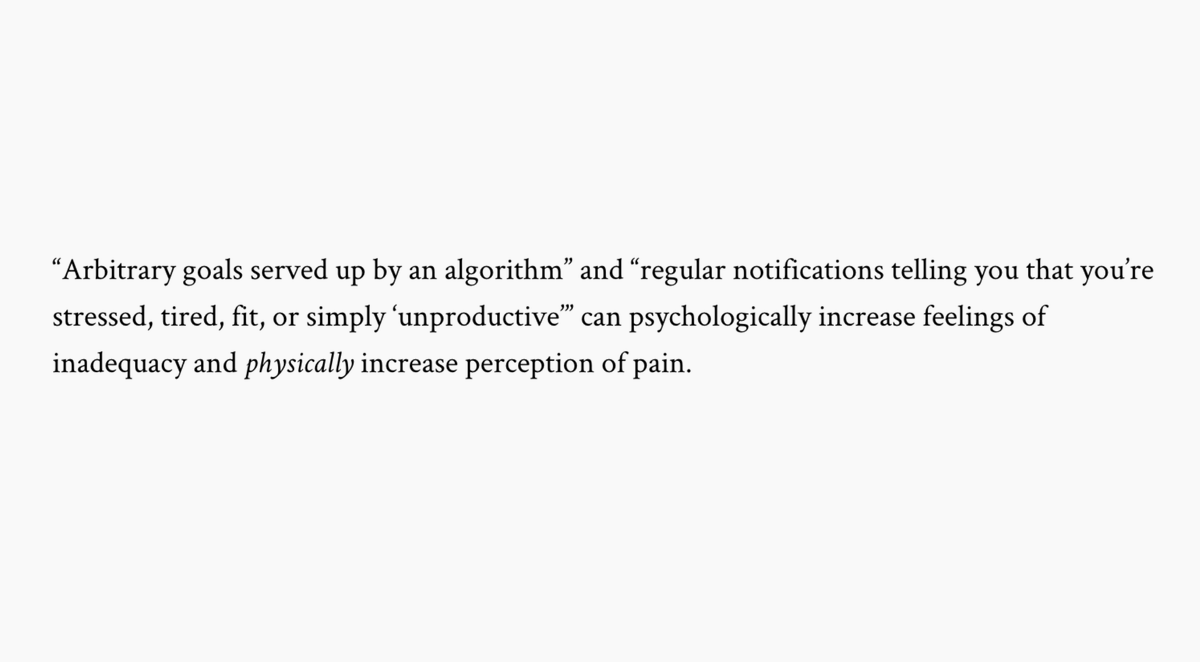
Can getting negative feedback from a wearable make you *less* confident about your health or performance?
Interesting article here on wearables and 'nocebo' effects 👇