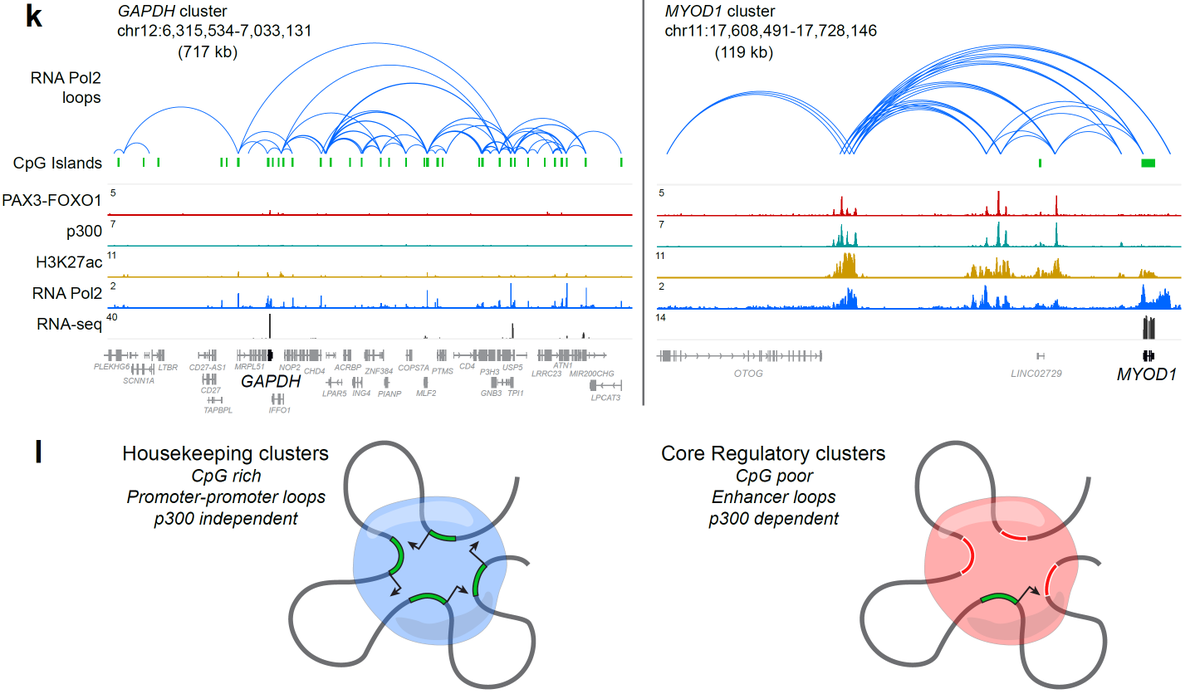
Exciting new insights on CpG islands (CGIs) regulation by transcription factors (TFs)! CGIs drive most transcription initiation with unclear regulation. We find that chromatin-opening TFs are key players—following a surprisingly simple rule.
https://t.co/mXkDodTALR
1/9
We mapped transcriptional start sites (TSS) using CAGE revealing that TF removal shifts the TSS to an adjacent secondary TF position.
➡️ The TF closest to a TSS dominates where transcription starts and output.
4/9
Check out this article: Infant with rare, untreatable disease becomes first to successfully undergo personalized gene therapy - https://t.co/wGdyGYIyF0
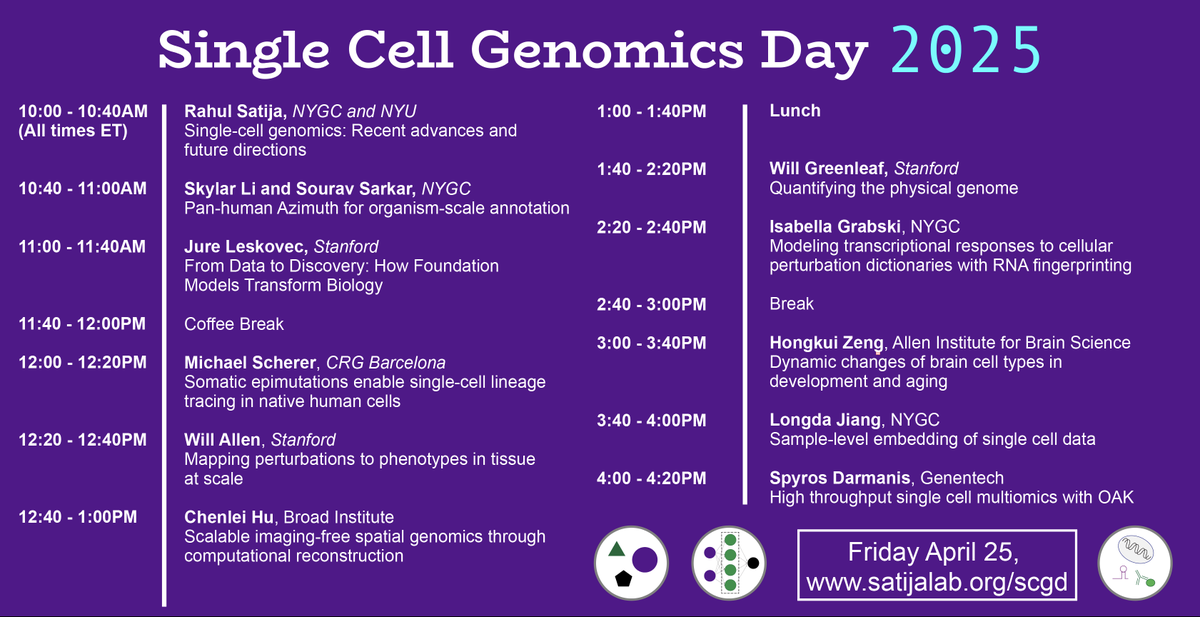
Interested in single cell genomics but need help getting started? Check out the full agenda for our Single Cell Genomics Day on Friday 4/25. All talks will be live-streamed (no registration required) at https://t.co/JqaO6urVPF
⭐ Huge NEWS for the Human Cell Atlas! ⭐
The Human Cell Atlas signs a partnership with the UNESCO. @humancellatlas@UNESCO
Tremendous recognition of the Human Cell Atlas (HCA) project's vision, ethical standards, and global impact. UNESCO, renowned worldwide for promoting open science, educational development, and ethical frameworks, now formally acknowledges the HCA’s efforts and mission. This collaboration honors HCA’s commitment to building a truly representative atlases of the global human population, underscoring our dedication to inclusivity, openness, and equity in scientific research.
As we move forward into the next exciting phase, developing also disease-specific atlases, this partnership with the UNESCO will empower us to tackle significant global health challenges, including diseases endemic to regions and worldwide pandemics.
Today, I'm feeling even prouder to be part of the HCA! 🧡 Looking forward to contributing further to building this remarkable effort in an inclusive, equitable, and truly global manner.
https://t.co/1ERz8f8NFB
We think that all memory is stored in the brain. But our study published today in @NatureComms shows that all cells—even kidney cells—can count, detect patterns, store memories, and do so similarly to brain cells. My first (co)corresponding author paper!🧵https://t.co/biaahYiPRW
@andygxzeng Wonderful resource! I'm just wondering how well the Mk trajectory is represented given megs are particularly tricky to isolate. Any insights?
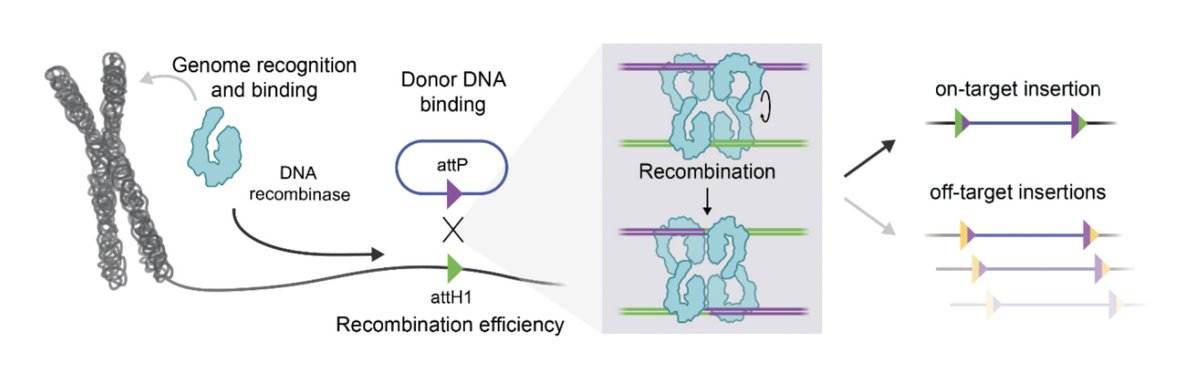
🧵In new work, we report a systematic engineering roadmap to optimize large serine recombinases (LSRs) for direct, site-specific insertion into the human genome 🧬. We achieved over 50% insertion efficiency and 97% genome-wide specificity, a 10X improvement over our previous work
@arjunrajlab@Yifang17957864@SRouhanifard This has been a pipe dream for so long! I still remember trying to make smartFlare work. What a waste of time and money that was.
@trader280 @jueyun_chilis @hodgetwins Of course no public agency would take such risk. It would immediately get defunct on the first incident. The public doesn't want to gamble with their money
These two trends are consistently seen for regulatory DNA. So keep this in mind before wasting time and compute on architecture engineering and huge foundation models. 3/3
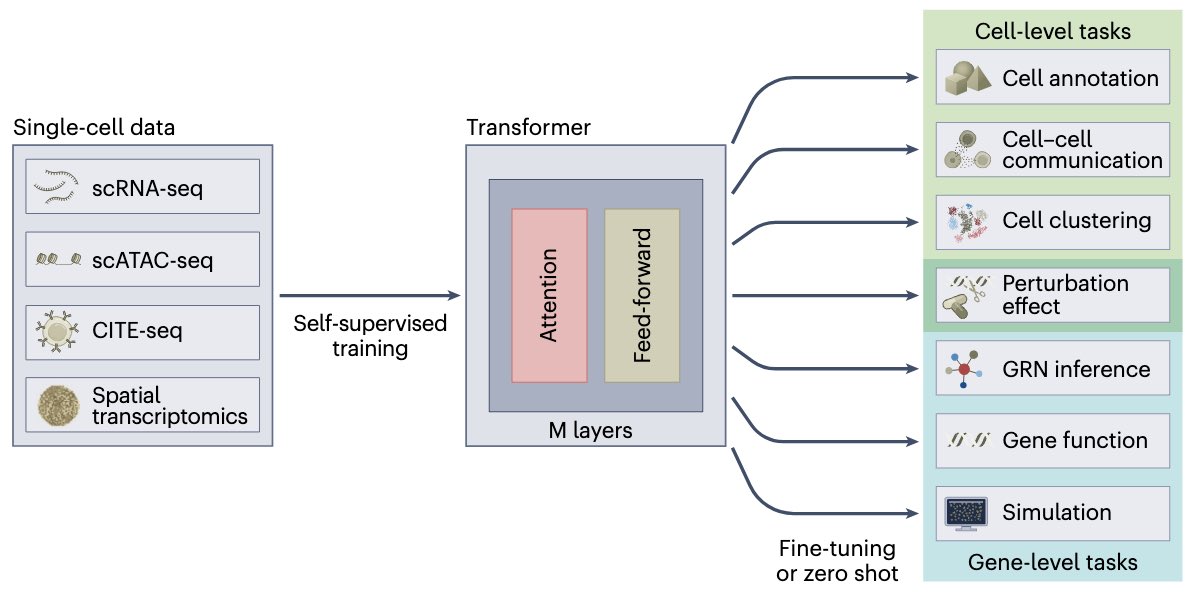
Want to learn how transformers and large-language models can help to organize&understand single cell profiles?
Led by @arturszalata, we review current such approaches in single cell genomics and give perspectives towards foundation models etc. https://t.co/9Cpk0YZJee