Des bactéries anciennes sur le continent américain https://t.co/UJ5GlO8I6F Un projet collaboratif que nous avons publié dans Science, et qui apporte un éclairage nouveau sur l'origine et l'évolution de Treponema pallidum.
Did SARS-CoV-2 Also Contaminate Swiss Mass Media? A Retrospective Analysis of French-Speaking News Articles During the First Pandemic Wave https://t.co/f9CKzgEbXk #mdpicovid via @MDPIOpenAccess
Fantastic outreach project in the form of a board game by @unil colleagues. Reinforces Lausanne as the probable world capital of microbiology-themed educational games! (Cue @GilbertGreub’s MyKrobs https://t.co/opwmBbeR2P)
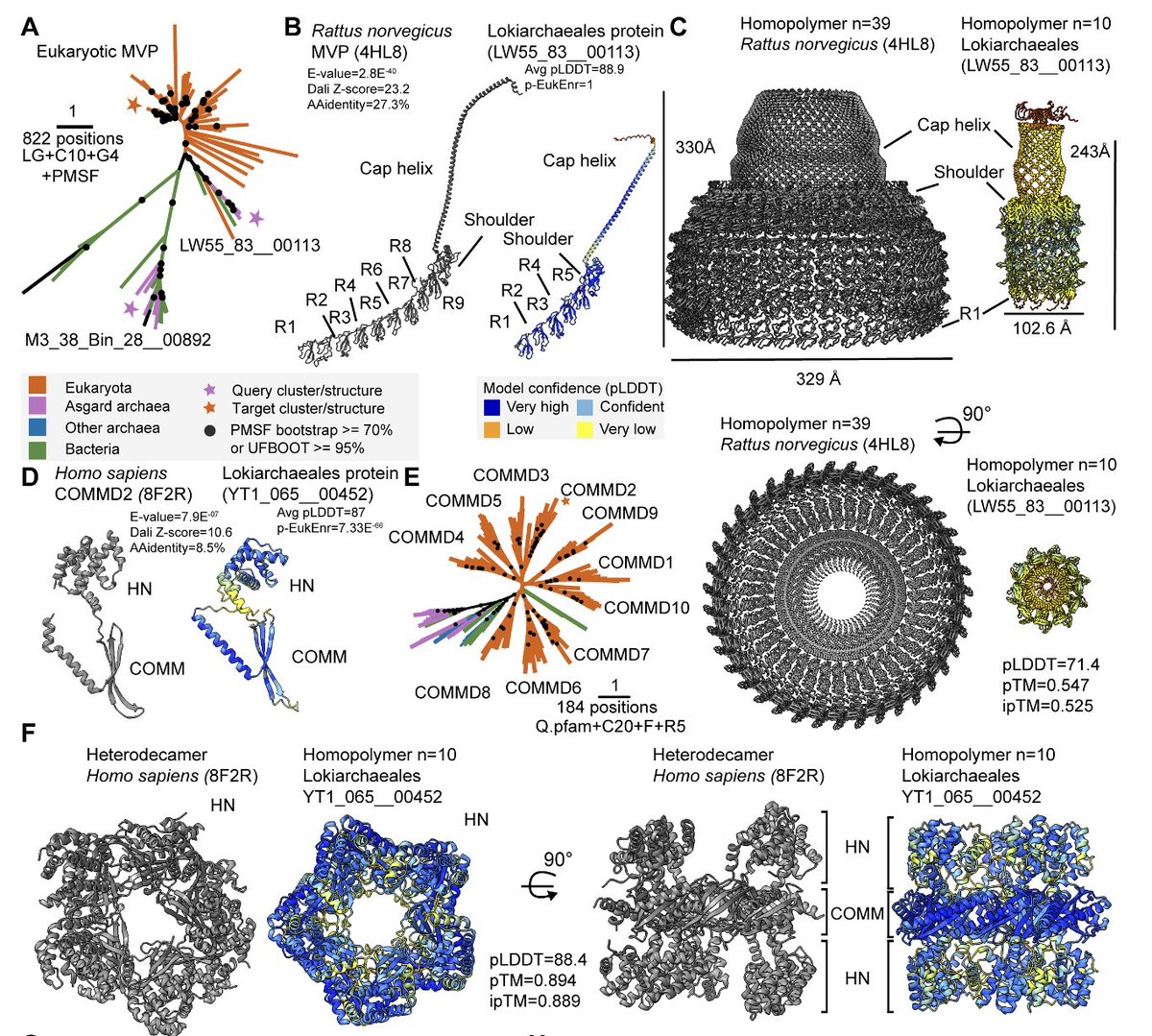
Our latest: Using de novo protein structure prediction and sensitive sequence searches we found many new eukaryotic signature proteins in Asgard archaea, suggesting the archaeal ancestor of eukaryotes was more complex than previously assumed. @koestlste https://t.co/SoxnBM2Iu6
#MDPIDiagnostics#OpenAccess#microbiology
"The Impact of Laboratory Automation on the Time to Urine Microbiological Results: A Five-Year Retrospective Study" by Antonios Kritikos et al. @GilbertGreub
📄Read the full paper here: https://t.co/EKD3Nwi0G1
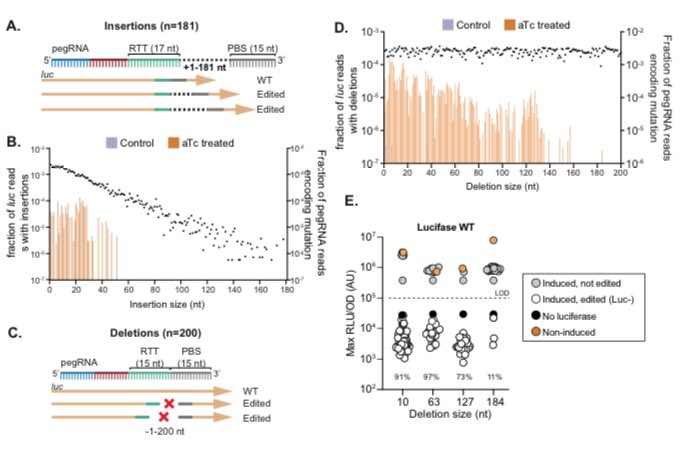
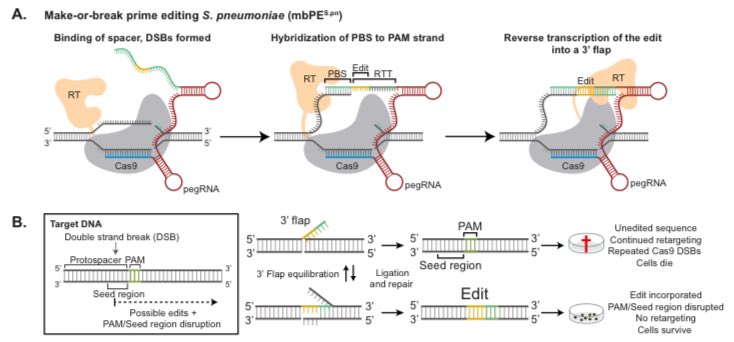
We show mbPE can make single base pair substitutions, multiple substitutions, insertions and deletions. Basically all you need. There are still some limitations such as the max length of insertions (~50bp) and deletions (~127bp)
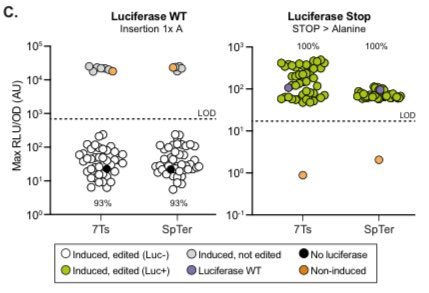
While DNA double strand breaks are a serious issue in eukaryotic systems, for smaller bacterial genomes that do not contain NHEJ, this is not necessarily a problem. Therefore we changed to a nuclease-based system which we called Make-or-break prime editing (mbPE).
This is a game changer for how we do genetics in our lab! Fantastic effort by Monica, @MVMazzuoli@AxelJans Anne-Stephanie & @liuxuescience 1/n https://t.co/BgEukZCIWR