It’s been a pleasure and an honour to serve as department Chair this year. Today we celebrated together excellence in teaching, mentorship, service, and recognized alumni that make us proud and give back to the community. @uOttawaScience
We have exciting news! Northern Nanopore has been acquired by Oxford Nanopore Technologies! Read the press release here: https://t.co/ur8Xybb0kV @nanopore
Congratulations to Yaser Saleem, physics PhD graduate and this year's recipient of the University of Ottawa Computational Physics Award.
Read more: https://t.co/f24MXGrJMC
Congratulations to Professor Michel Godin, who has been awarded a 2023 University of Ottawa Excellence in Education Prize!
He is outstanding in the classroom and in the laboratory and has been recognized by students and peers alike.
I really enjoyed this explanation of attosecond photonics, this year's winner of the Nobel prize in physics. Also includes a shoutout to uOttawa's Paul Corkum! https://t.co/FBMPnXGLfk
We are hiring a bilingual (Fr/En) colleague for a Tenure-track Assistant Professor Position in Experimental Condensed Matter Physics and 2D Quantum Materials.
https://t.co/zUmr2pEAxx
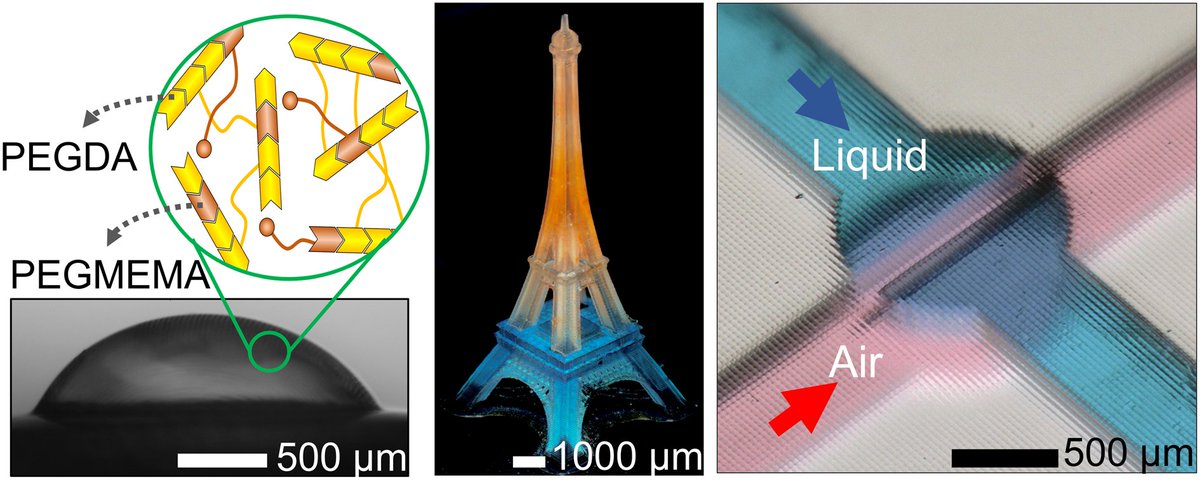
Tunable resins with PDMS-like elastic modulus for stereolithographic 3D-printing of multimaterial #microfluidic actuators
Alireza Ahmadianyazdi, Isaac Miller & Albert Folch @FolchLab@UWBioE
🔗https://t.co/jKsDpfRstt
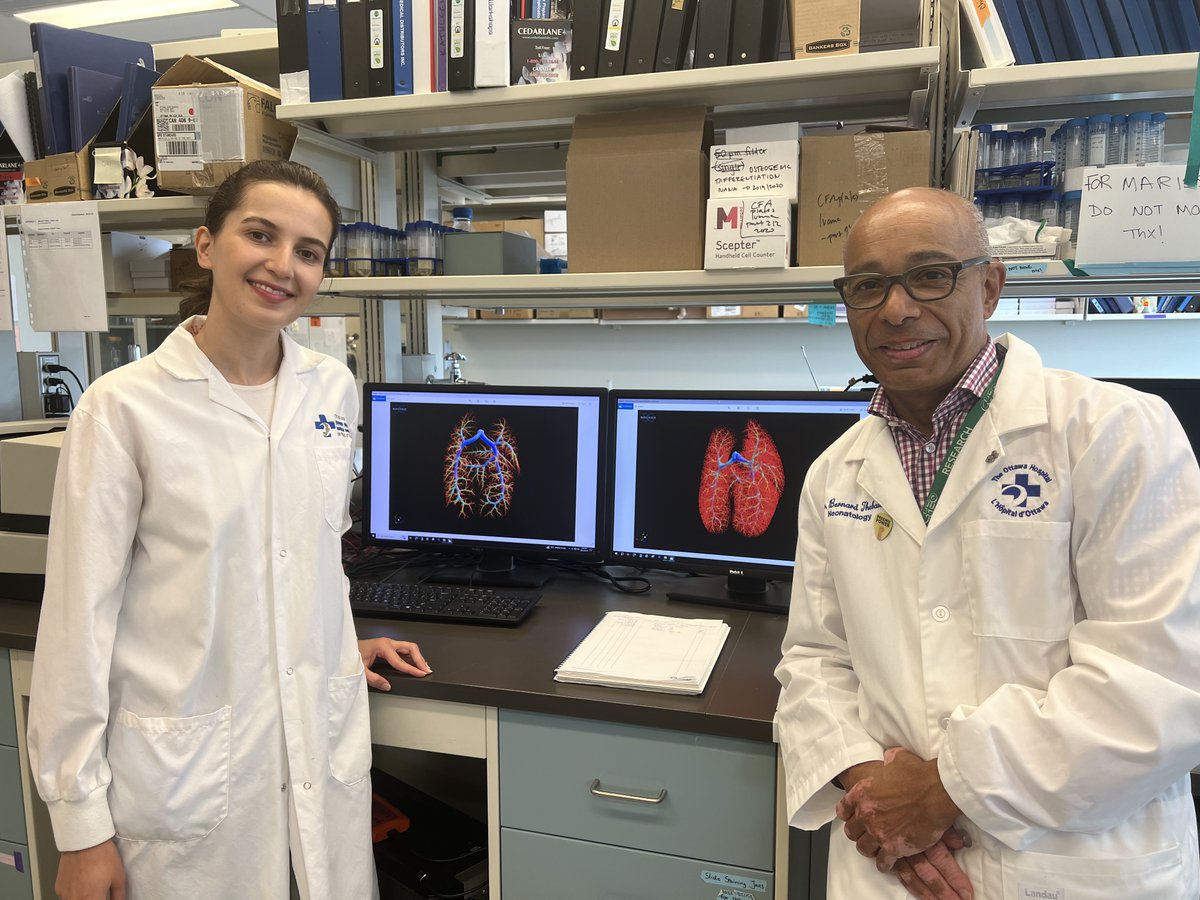
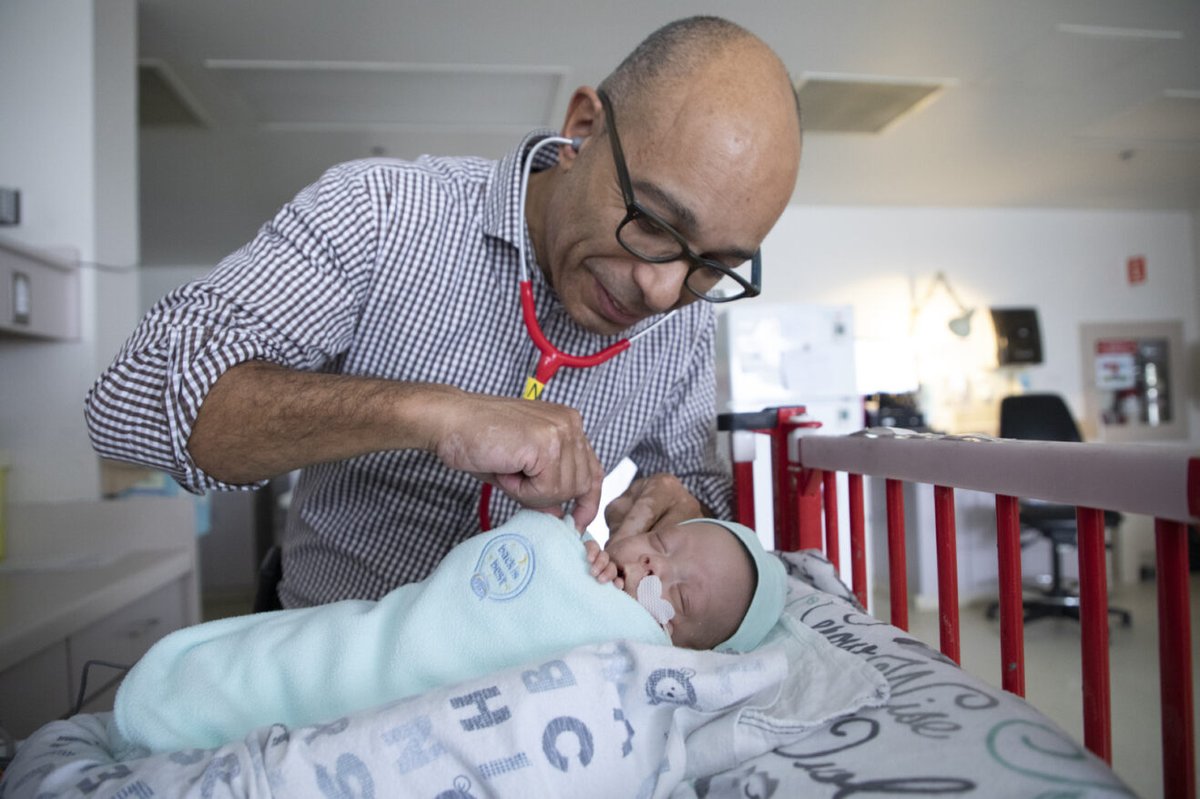
Today on #WorldLungDay, SCN is highlighting the work of Dr. Bernard Thébaud, who is leading a world-first clinical trial using #StemCells to help heal the lungs of preterm babies. Read the full interview here: #RegenMed https://t.co/jhMTadAGeY @LabThebaud@OttawaHospital@CHEO
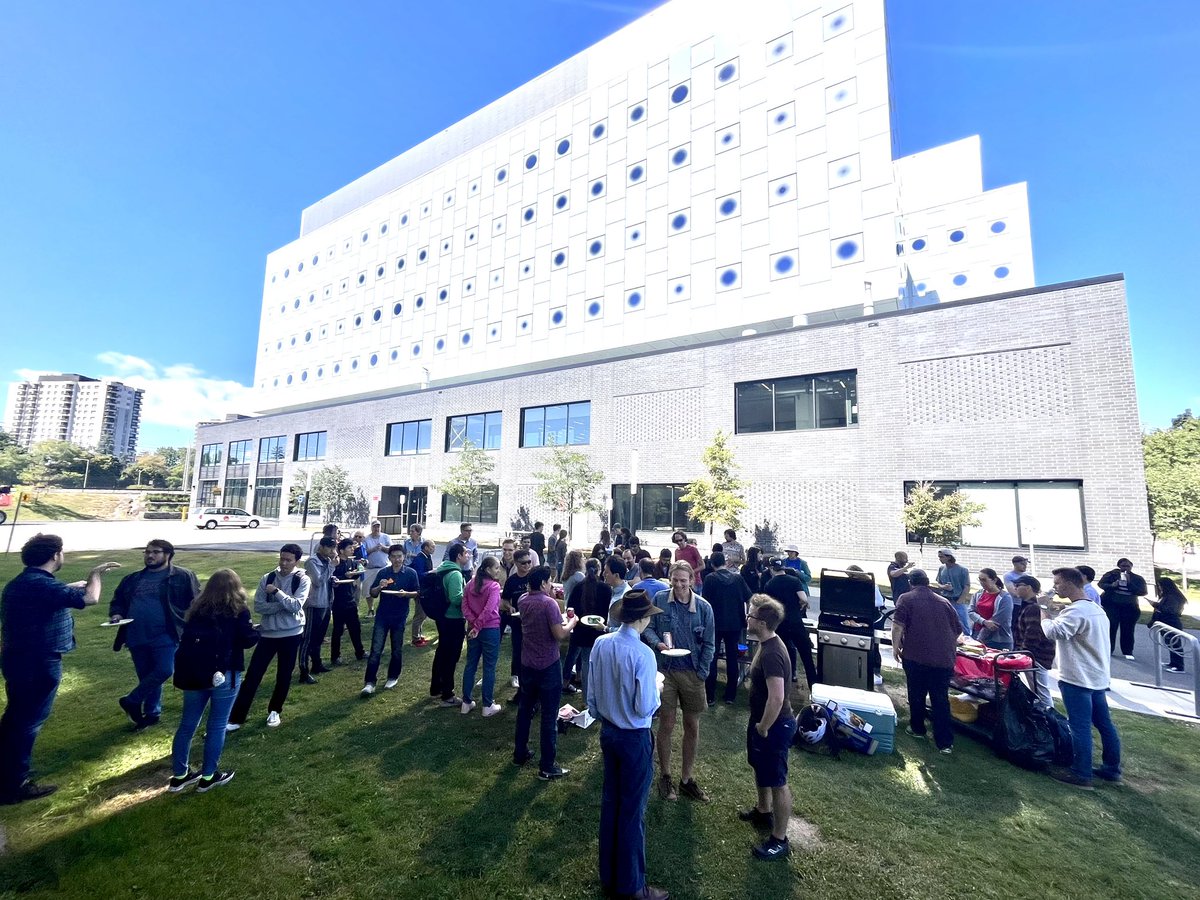
Great turnout for the department Welcome Back BBQ! The grad students did an amazing job organizing and I may have used the Chair privilege to sponsor the ice cream :)
This is how I advise my #PhD students to write research manuscripts (in case someone finds it helpful).
General points:
1. Research questions addressed by your manuscript are key and should guide you.
2. Don’t view your manuscript as an article. See it as a STORY.
3. Pick the writing style that is easily understood by a broader community. Make reading easy.
4. Most of data should get into the paper. If some doesn’t support the hypothesis, it still must be in the Suppl. Information. It must show the reproducibility limits.
5. Make the paper shorter, not longer. Cut out things that may sound like ‘bluff’ or ‘decoration’ of the story. Use well-defined terminology, don’t invent it unless clearly necessary.
6. Focus on reporting & explaining the numbers. Minimize discussions of qualitative outcomes and your imagination.
▫️
Specific steps:
1️⃣ First, formulate and polish the key questions that your study addresses. It may take hours or even days (even though you've been doing research in this area for years). A single study should address no more than 1-3 key questions. It’s your perfect start for writing.
2️⃣ Write down the structure of your STORY first: Sections and Subsections that will answer those questions. Into each subsection, put 1-2 sentences that formulate the message(s) from this subsection. It will hugely help you navigate the manuscript later and save a lot of time.
3️⃣ Write approximate messages in the conclusion section. Usually, no more than 1-4 sentences.
▫️
At this point, SHARE your [structure+questions+messages] document with your advisor for feedback. Toss it back and forth until you both converge. You can also include major collaborators if needed.
▫️
4️⃣ Write the introduction part. Put down the paragraphs that introduce a reader into the key question(s) of the manuscript and the background of your story.
5️⃣ Write the main text for each section, smoothly and firmly. Each paragraph should add a separate value and end with a message-like sentence. Follow the “First… Second… Third…” structure for paragraphs when possible, it gives rigor and readability to your story.
6️⃣ Write the conclusions. Add a broader perspective that is justified and not generic.
7️⃣ Write the abstract. It must have simple terminology and clearly explain what readers can find inside the paper. It also should contain the key conclusions.
8️⃣ Write up 4-5 different titles and spend >30 mins with your team discussing which title sounds best.
Finally, iterate on the resulting draft within your team.
The number of drafts can easily exceed 20.
▫️
❗In addition, I always emphasize that a high quality of your research paper:
- sharpen your writing and analytical skills.
- shapes your reputation.
- shows who you are as a researcher and communicator.
▫️
p.s. Everyone has a different style of advising and writing. You can adopt only some specific steps if you find them helpful.
p.p.s. Another way that we sometimes use is by starting with figures ('story in figures' style).
#AcademicTwitter #AcademicChatter
Finally it’s arrived! Foldscope 2.0. We have been working on this for many years - so thrilled to see this out! Will write a longer thread on new features shortly - but finally we have swappable lenses (3!!). Your support allows us to bring microscopy to all corners of the world.
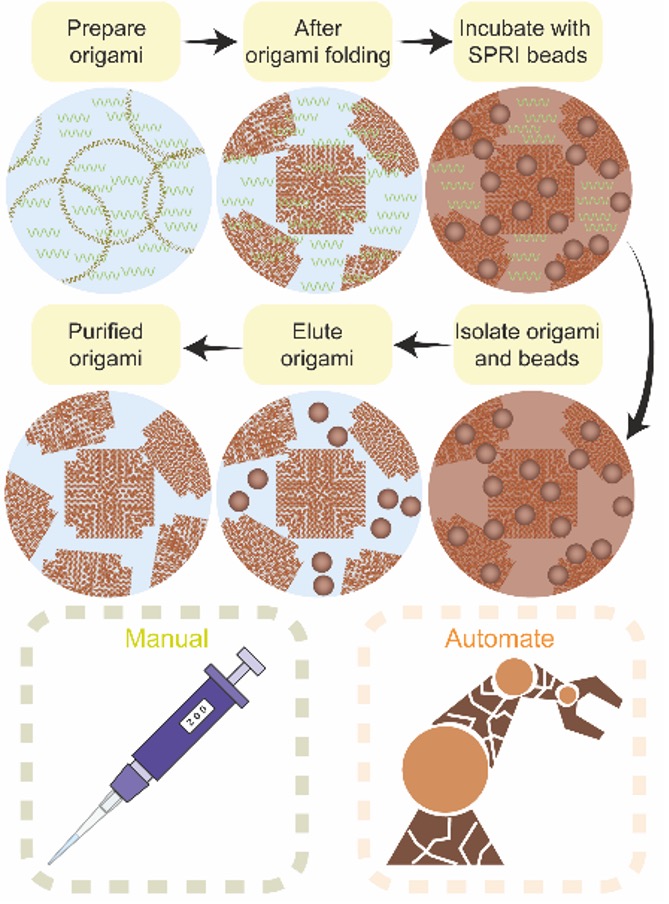
Excited to share our work on how to automate the purification of DNA origami. No centrifugations, no columns, just a pipette (or a 🤖) and a magnet! Brilliant idea of @chalmerscccc @Gayathr06377645 in collaboration with @EarlhamInst@EI_single_cell https://t.co/thavfMXscY
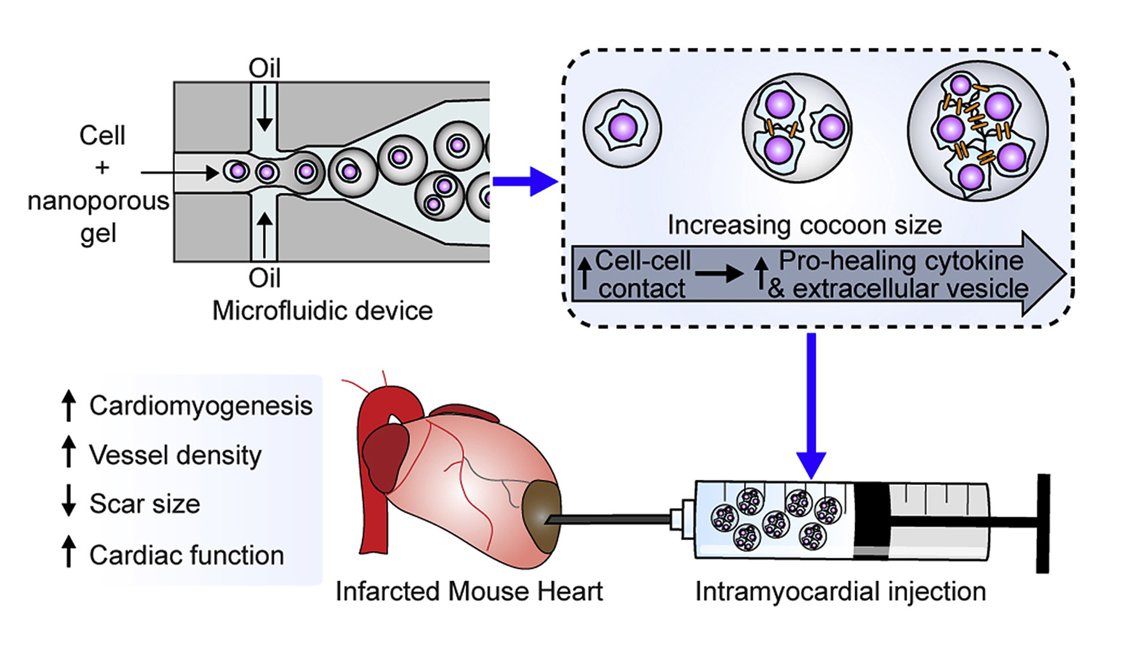
Cocooning stem cells using a new microfluidic device boosts cell survival by restoring vital cell-cell contact in the cocoon to increase the healing effect of transplanted cells. See it here:
https://t.co/FawdXoQrSY
At uOttawa, we have a bold vision to enhance our competitive edge in #MedicalInnovation!🌐
From state-of-the-art #MedicalLaboratories to core facilities & beyond, the Advanced Medical Research Centre (AMRC) will provide an array of innovative resources!
👉https://t.co/fxGWSlIkrS