It is July, I’m staffing the PN clinic and once again, it is essential to emphasize to the new PN/NM fellows the critical role of the clinical phenotype in diagnosing peripheral neuropathies.
NCS/EMG are valuable, but the neurological exam is the most important (as it should be in neurology but many have forgotten).
This is the neuropathy clinical phenotype classification I find the most helpful:
1-Isolated small fiber neuropathy
2-Length-dependent peripheral neuropathy (or distal symmetric polyneuropathy)
3-Multiple mononeuropathies
4-Mononeuropathy
5-Asymmetric neuropathy
6-Polyradiculoneuropathy
7-Plexopathy (brachial or lumbosacral, many times a radiculoplexus neuropathy)
8-Sensory neuronopathy
9-Motor neuronopathy
I always tell my trainees they don’t have to memorize the causes of each phenotype. If you define the syndrome correctly, you can ask a Chatbot what are the most likely causes. If you add the time course (tempo), presence of autonomic dysfunction, presence of systemic features (weight loss, rashes, fever, night sweats, or anasarca), comordities and response to immunotherapy, the chatbot will provide you an expert level discussion and differential.
1- Isolated Small Fiber Neuropathy
-Pure small fiber neuropathy.
-Only temperature and pinprick dysfunction on exam.
-Ankle reflexes must be normal in patients < 60 yo.
-NCS must be normal for age.
2- Length-dependent peripheral neuropathy (or distal symmetric polyneuropathy)
-Sensory predominant neuropathy, can also have motor involvement, distal predominant, worsens in an ascending length-dependent fashion: foot->leg-> hands/knee->elbow/anterior abdomen.
3- Multiple Mononeuropathies
Involvement of two or more non-contiguous (separate) motor, sensory or sensorimotor peripheral nerves.
4- Mononeuropathy
Involvement of a single sensory, motor or sensorimotor peripheral nerve.
5-Asymmetric neuropathy
It’s the pattern of overlapping multiple mononeuropathies.
Length-dependent polyneuropathy (distal predominant) involving bilateral extremities in an asymmetric fashion demonstrated by at least one grade of motor power difference by the Medical Research Council strength scale, more than 50% difference in sensory testing and involved individual nerves could not be identified separately.
6-Polyradiculoneuropathy
Proximal and distal weakness and sensory loss in the four limbs.
Can be distal>proximal; distal=proximal or distal<proximal.
7- Plexopathy
-Proximal and distal weakness in a single limb with decreased/absent reflexes and sensation loss (can be only proximal or only distal in brachial plexopathies; and of course can be bilateral).
- On exam can look like a radiculopathy or multiple radiculopathies.
-Plexopathies usually have more dense sensation loss than radiculopathies and may cause alodynea (pain caused by non-painful stimulus) which is rarer in radiculopathies.
8- Sensory Neuronopathy or Ganglionopathy
-The cell body of the sensory neurons are affected, usually asymmetric and affecting distal and proximal limbs, patchy, can affect the face or whole body, must have sensory ataxia and preserved strength.
- Can be accompanied by pseudoathetosis.
9- Motor neuronopathy
-Pure motor syndromes.
-The body of the motor neurons are affected.
-Usually asymmetric and distal predominant, accompanied by atrophy, fasciculations, decreased/absent reflexes (can also have upper motor neuron signs) and normal sensory exam.
Posted by former US Congressman @AdamKinzinger on Facebook. Beautifully written, in both form and substance:
Hey everyone, happy Sunday. Are you ready for some good news? I know I am.
We are told, over and over, that America has gone cold on the rest of the world. That we have decided the people on the other side of the ocean are a threat to be kept out. That the welcome mat got rolled up and put away for good.
Then a soccer team from the North African nation of Algeria showed up in Lawrence, Kansas, and within a week the whole town was wearing green.
For today's Good News Sunday, I want to tell you about one of the best things happening in this country right now. It is happening at a soccer tournament, and it has almost nothing to do with soccer.
The World Cup is here, 48 teams playing across the United States, Canada, and Mexico. Each team in the tournament picks a base camp, one town to live and train in between matches. Germany set up shop in Winston-Salem, North Carolina. Spain is training in Chattanooga, Tennessee. And Algeria, playing two of its games up the road at Arrowhead, picked Lawrence and made it home for the summer.
What the people of Lawrence did with that is the part I can't stop thinking about.
It started small, with a whole town of people who had never given Algeria much thought deciding, more or less overnight, that this was their team now. Flags went up in shop windows. Folks pulled on the green jerseys. People drove over just to catch a glimpse of the players. And then a local news crew stopped an older gentleman on a Lawrence sidewalk, standing in front of a storefront draped in a whole row of Algerian flags he had clearly just gone out of his way to find.
They asked him what he actually knew about the country whose colors he was flying. He grinned, paused for a beat, and said something along the lines of: not much yet — but we want to welcome you here. There is no agenda in that man. Nothing performative. Just a neighbor, thrilled to his bones that these strangers chose his town, and perfectly at ease with the fact that he has a lot left to learn about them.
The welcome only got bigger from there.
The University of Kansas, the state's flagship school that calls Lawrence home, sent its marching band out to the training ground. They had spent the previous days learning Algeria's national anthem, note for note, and they played it as the players walked out for practice. Think about what that means for a moment.
These men are thousands of miles from their families, living out of a hotel in the American Midwest, preparing for the biggest sporting event of their professional lives. And the first thing they hear when they step onto the grass is the sound of their own country's song, played by a hundred American college kids in red and blue who learned it just for them. Several of the players stopped walking. A few of them looked like they weren't sure what to do with themselves.
Algeria did its part, too. The team opened a training session to the public and spent the afternoon out on the grass with neighborhood kids, walking them through drills, signing autographs, posing for pictures. There are children from small-town America who are going to be telling the story of the day they trained with a World Cup team for the rest of their lives. And the Algerians have spent the last week calling themselves honorary Kansans, falling hard for a corner of a state most of them could not have found on a map two months ago.
But it's not just Lawrence.
This is happening all over the country, in towns you would never expect.
The city of Alexandria, Virginia threw a street festival with an evening of Croatian food and music, and wrapped a city bus in the team's red and white. After crowds in Spokane, Washington flocked to watch Egyptian superstar Mohamed Salah, a brand-new Egyptian restaurant in town suddenly had locals lining up for food most of them had never tasted. All told, 19 American communities that are not hosting a single match still raised their hand to take in a national team and call them neighbors for a month.
There is a story we get told constantly about who we have become. That Americans have soured on outsiders. That we have decided the rest of the world is a threat. That we look at people who do not talk like us or pray like us or come from where we come from and see a problem instead of a person.
And then a college town in Kansas goes and learns every note of a North African country's national anthem, just so a group of strangers feel at home for a few weeks. An old local stands in front of a row of its flags and tells them, in so many words: we don't know much about you yet, but we are awfully glad you came.
That is who we actually are when nobody is telling us to be afraid. The band on the field, playing somebody else's song as if it were their own. The neighbor who knows next to nothing about you and waves you in anyway. We forget it sometimes. The good news is that it takes about one afternoon to remember.
That, my friends, is good news for your Sunday.
— Adam
Presented at #AANAM:
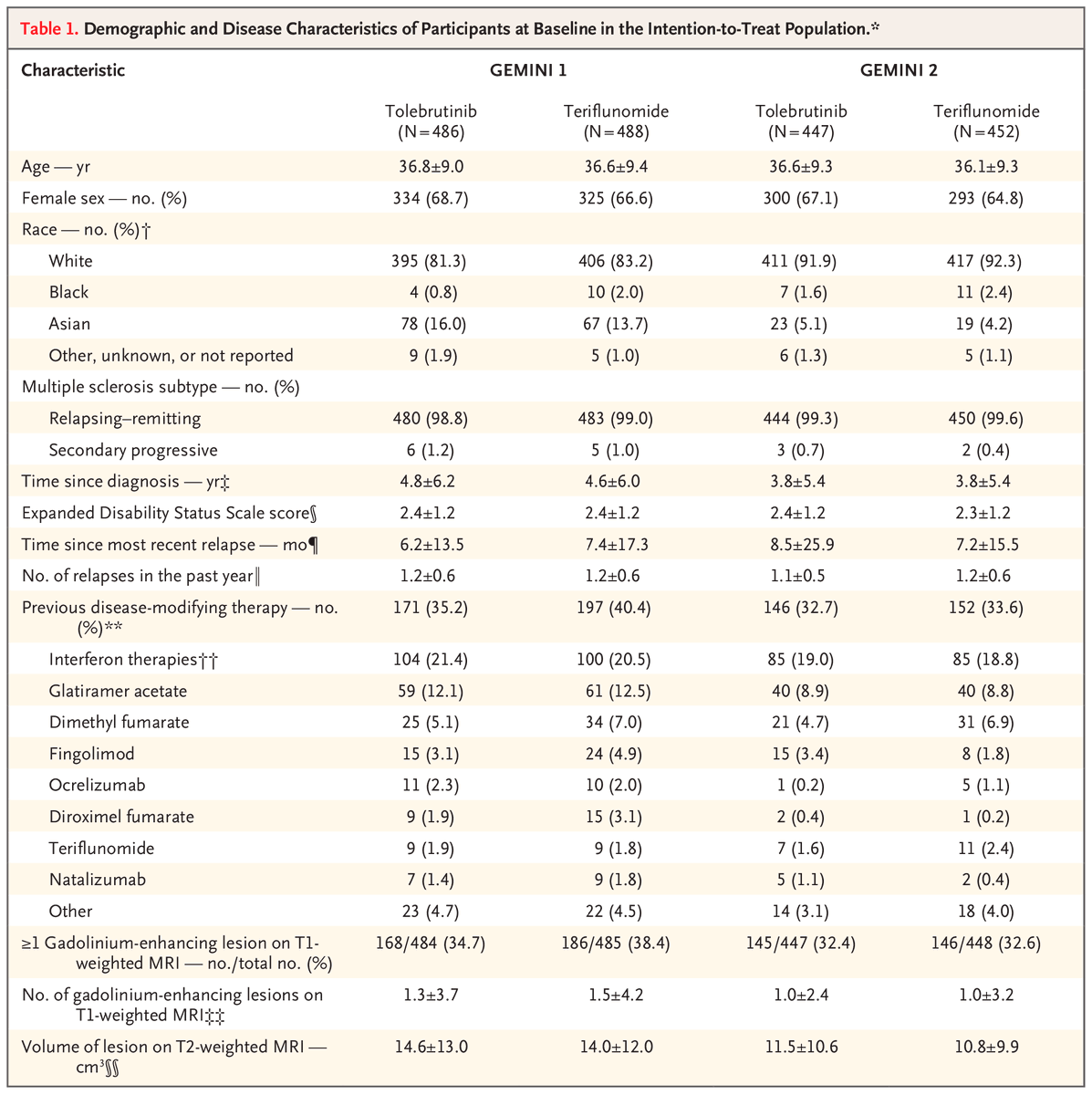
In the GEMINI 1 and GEMINI 2 phase 3 trials in relapsing multiple sclerosis, tolebrutinib (a brain-penetrant BTK inhibitor) was not superior to teriflunomide at reducing annualized relapse rates. Full results: https://t.co/aZvOkjVWpf
@AANmember
The cholesterol wars are over.
LDL won.
New guidelines. Four landmark trials. An oral PCSK9 inhibitor that matches injectables. And data proving we should be treating patients we currently aren't.
Here's everything clinicians need to know. 🧵
Tiny Lab-Grown Spinal Cords Could Hold the Key to Healing Paralysis | University of Minnesota
Researchers have created a remarkable new approach to repairing spinal cord injuries by merging 3D printing, stem cells, and lab-grown tissues.
They engineered tiny scaffolds that guide stem cells to form nerve fibers capable of bridging severed spinal cords. In experiments with rats, this method restored nerve connections and movement, offering new hope that one day similar techniques could help people living with paralysis.
Breakthrough in Spinal Cord Injury Treatment
For the first time, scientists at the University of Minnesota Twin Cities have successfully combined 3D printing, stem cell science, and lab-grown tissues to explore a new approach for treating spinal cord injuries.
Details of the work appear in the journal Advanced Healthcare Materials, a peer-reviewed scientific journal.
Spinal cord injuries affect more than 300,000 people in the United States, according to the National Spinal Cord Injury Statistical Center. There is still no treatment that can fully reverse the paralysis and long-term damage these injuries cause. One of the biggest barriers to recovery is that nerve cells die, and the remaining fibers cannot regrow across the site of injury. The Minnesota team designed their study to directly address this challenge.
3D-Printed Scaffolds and Stem Cells
The researchers developed a specialized 3D-printed structure known as an organoid scaffold. This tiny framework contains microscopic channels that are filled with spinal neural progenitor cells (sNPCs). These cells, which originate from human adult stem cells, can divide and develop into specific types of mature nerve cells.
“We use the 3D printed channels of the scaffold to direct the growth of the stem cells, which ensures the new nerve fibers grow in the desired way,” said Guebum Han, a former University of Minnesota mechanical engineering postdoctoral researcher and first author on the paper who currently works at Intel Corporation. “This method creates a relay system that when placed in the spinal cord bypasses the damaged area.”
Successful Transplants in Animal Models
In their study, the researchers transplanted these scaffolds into rats with spinal cords that were completely severed. The cells successfully differentiated into neurons and extended their nerve fibers in both directions—rostral (toward the head) and caudal (toward the tail)—to form new connections with the host’s existing nerve circuits.
The new nerve cells integrated seamlessly into the host spinal cord tissue over time, leading to significant functional recovery in the rats.
Toward Future Clinical Translation
“Regenerative medicine has brought about a new era in spinal cord injury research,” said Ann Parr, professor of neurosurgery at the University of Minnesota. “Our laboratory is excited to explore the future potential of our ‘mini spinal cords’ for clinical translation.”
While the research is in its beginning stages, it offers a new avenue of hope for those with spinal cord injuries. The team hopes to scale up production and continue developing this combination of technologies for future clinical applications.
Read more:
https://t.co/wBJoUxi6Pn
A Johns Hopkins robot known as SRT-H removed a gallbladder by itself with 100% accuracy after watching surgery videos.
It identified arteries, clipped ducts, cut tissue, and even adapted when the visuals changed mid-procedure.
It followed voice commands like "grab the gallbladder head" and adjusted in real-time, just like a human trainee.
It exhibited the expertise of a skilled human surgeon, even during unexpected scenarios typical in real-life, medical emergencies.
The surgery was done on a life-like model, not a real person.
Viewpoint: Chronic immune-mediated peripheral nerve myelinopathies (CIPNM) require precise diagnosis and updated nomenclature due to diverse clinical presentations. https://t.co/JAc5gPhIx6
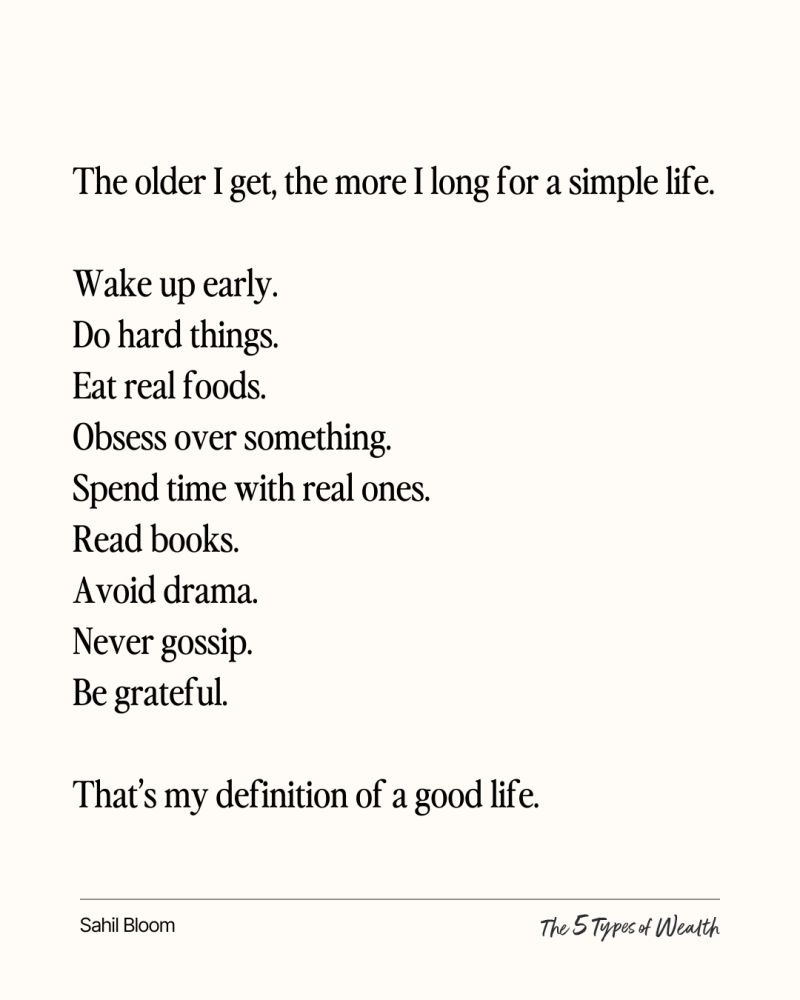
My definition of a good life fits on a napkin.
Wake up early.
Do hard things.
Eat real foods.
Obsess over something.
Spend time with real ones.
Read books.
Avoid drama.
Never gossip.
Be grateful.
That’s my definition of a good life.
📌 Want wisdom that helps you focus on what truly matters?
Download my Favorite Books PDF (free) and join 800,000+ who get my newsletter: https://t.co/tx76jL2u18
Evidence keeps accumulating for the environmental toxin exposure link to Parkinson's disease, beyond pesticides. Today on trichloroethylene, used in dry cleaning
https://t.co/8xNex4ErE7
Happy Pythagorean Triple Square Day!
Today’s date is made of 3 perfect squares and they form a Pythagorean triple: 3² + 4² = 5²
This only happens once a century.
In an increasingly digital society, where technology brings distant people closer together, yet often creates distances between those who are physically close, sport proves a valuable and concrete means of bringing individuals together, providing a healthier sense of the body, of space, effort and real time. It helps to preserve a healthy contact with nature and with real life, where genuine love is experienced.
The Ice Bucket Challenge is viral again. But for the ALS community, the urgency to find a cure has been front and center since Pat, Pete, and Anthony got soaked back in 2014. Let’s make ALS history. Raise your bucket. #IceBucketChallenge
In this paper Dionisio et al describe 48 patients with gMG who received efgartigimod treatment under the Early Access to Medicine Scheme. The data shows after one cycle of treatment 75% of refractory patients with MG were defined as treatment responders. Efgartigimod was well tolerated, the proportion of patients with minimal symptom expression with successive treatment cycles and no rescue treatments were required during the study period.
https://t.co/zUoNOkAW3G
Shinohara: #AI can be used to help distinguish #MS from other causes of white matter lesions such as migraine or blockage of blood small blood vessels. #ACTRIMS