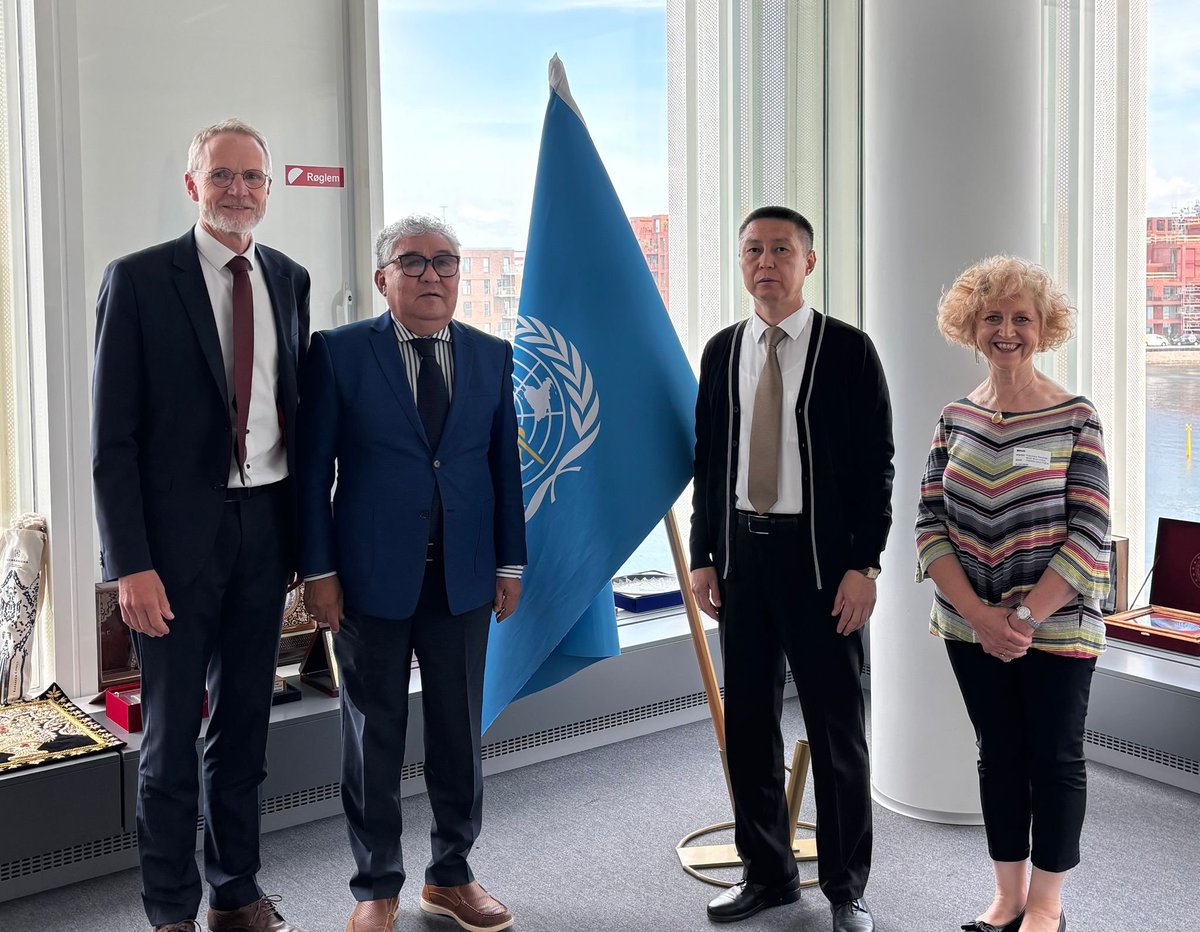
Access to safe water, sanitation & climate-resilient health services is essential for people affected by the Aral Sea crisis.
WHO/Europe’s Gundo Weiler & IFAS Chair Askhat Orazbai agreed to prioritize these areas.
Next steps: a joint proposal & engagement with dev't partners.
Since March, this has included:
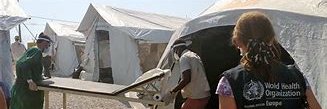
▶️coordinated and interregional responses to Hantavirus and Ebola
▶️ continued support to Ukraine’s health recovery
▶️ the launch of the Pan-European Commission on Climate and Health’s Call to Action and new heat-health guidance
▶️ the Small Countries Initiative meeting in Riga, with an ambitious outcome statement on workforce, digitalization and health security
▶️ 12 appointments to our Scientific Advisory Board
▶️ stronger collaboration with WHO collaborating centres, medical specialty associations and other partners.
These are only a few examples, but together they show the same direction: #EPW2 moving into practical action with stronger emergency readiness and response, deeper partnerships and better use of science and innovation.
I am grateful to Iceland for hosting us, SCRC Chair Ásta Valdimarsdóttir and all members for their guidance.
2/2
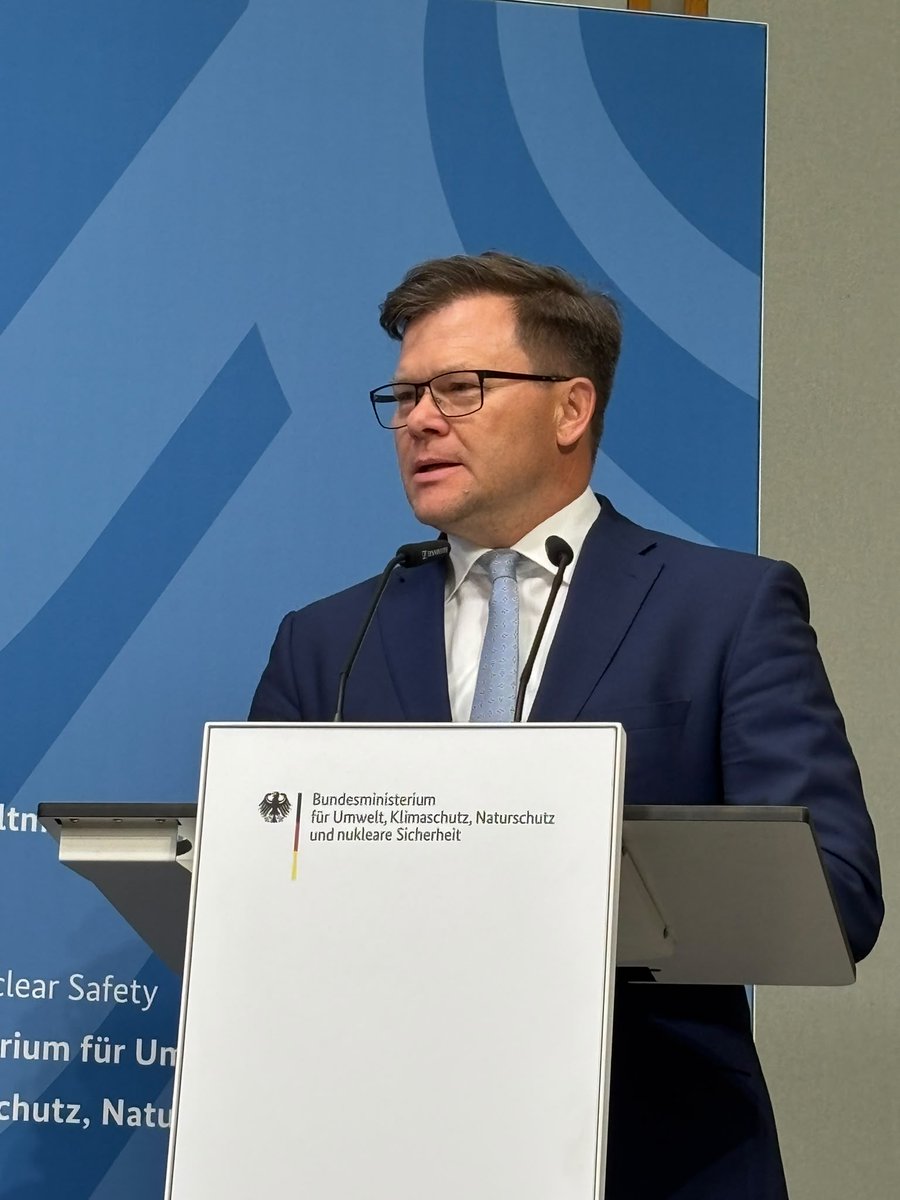
Today in Berlin, we launched WHO’s new Heat–Health Action Plans Guidance – a practical roadmap to help countries, regions and cities protect people from extreme heat.
I was pleased to launch it together with 🇩🇪Federal Environment Minister @schneidercar and Berlin Senator Dr Ina Czyborra, as well as 🇪🇺 Commissioner @WBHoekstra and @UN Assistant Secretary-General @SelwinHart, who joined us online.
Europe is warming faster than any other continent. More than 200,000 people across the Region have died from heat in just the past 4 years. We can prevent these deaths with the right systems in place.
The Guidance is available here: https://t.co/Q7dvlFDfQT
1/2
In Berlin, I had a valuable exchange with Prof. Hendrik Streeck, Member of the German Bundestag and Federal Government Commissioner on Addiction and Drug Issues.
We discussed how @WHO can keep rebuilding trust and demonstrating relevance in a changing world: through technical excellence, political neutrality and stronger engagement beyond traditional circles.
This also matters for national health policy – including how we protect young people from the surge in nicotine use, driven by new tobacco products that lure teenagers into addiction through flavours, digital marketing, easy availability and low prices.
Grateful for Prof. Streeck’s perspective as a leading virologist now serving in politics, and for our shared interest in WHO as a unifying force in a fragmented global health architecture.
Today, we brought together leaders of medical specialty associations from the European Region to explore how we can work together in new and more impactful ways.
The potential is enormous.
Specialty associations bring deep clinical expertise, trusted professional networks and a direct understanding of patients’ needs and health system realities.
@WHO brings a public health mandate, a whole-of-health-system perspective, close work with governments and the convening power to connect partners.
By combining these strengths, we can better support countries and improve health outcomes across the Region.
The meeting culminated in the signing of a joint statement proposing closer collaboration with associations in addressing the health workforce crisis, strengthening prevention and health promotion, using digital tools and AI responsibly, preparing health systems for future threats, and advancing climate action for health.
This is the kind of partnership at the heart of our Second European Programme of Work: working differently, with stronger alliances, to deliver greater impact for people.
@UEMSEurope | @EASLnews | @EPHA_EU | @EuroRespSoc | @escardio | @ESEndocrinology | @IDFEuropeBXL | @FIGOHQ | @EBCOG_EU | @WoncaEurope | @WHO_Europe
A landmark Call to Action on climate and health was launched today in Geneva.
The Pan-European Commission on Climate and Health (PECCH) released 17 recommendations, including a bold proposal for @WHO to recognize climate change as a public health emergency of international concern.
PECCH’s recommendations point to four practical shifts:
▶️treating climate change as a health security threat
▶️building health systems that can withstand climate shocks
▶️ backing local solutions in cities and communities
▶️ stopping the financing of harm and investing in health, prevention and resilience
The European Region is heating at about twice the global average rate. Air pollution from fossil fuel combustion is linked to around 1,700 deaths every day across the Region.
This is the reality behind PECCH’s message: our response must match the evidence.
Read the full Call to Action here: https://t.co/rIplPj6VGf
1/2
Health is shaped by more than healthcare and personal choice. What factors make the biggest difference?
What does health promotion look like?
Join us to discuss
📅 29 April 2026 🕙 10:00–12:30 CET
📅 30 April 2026 🕙 10:00–12:30 CET
Register 👇
https://t.co/SuSE2f4BTx
Alcohol increases the frequency and severity of intimate partner violence. In the WHO European Region, where alcohol consumption is the highest globally, it is estimated to account for around 40% of deaths from interpersonal violence.
Today, I joined a @WHO_Europe expert consultation bringing together specialists from different disciplines - alcohol policy, gender-based violence and public health communication - to better understand this link and discuss how to prevent harm, reduce violence and make communities safer.
I stressed that we need communication that 1) raises awareness on alcohol’s role in violence, 2) supports effective policy solutions, and 3) helps governments take evidence-based action.
I was pleased to see members of the EVID-ACTION Youth Network join the morning session. Their perspectives are vital in shaping stronger and more innovative responses.
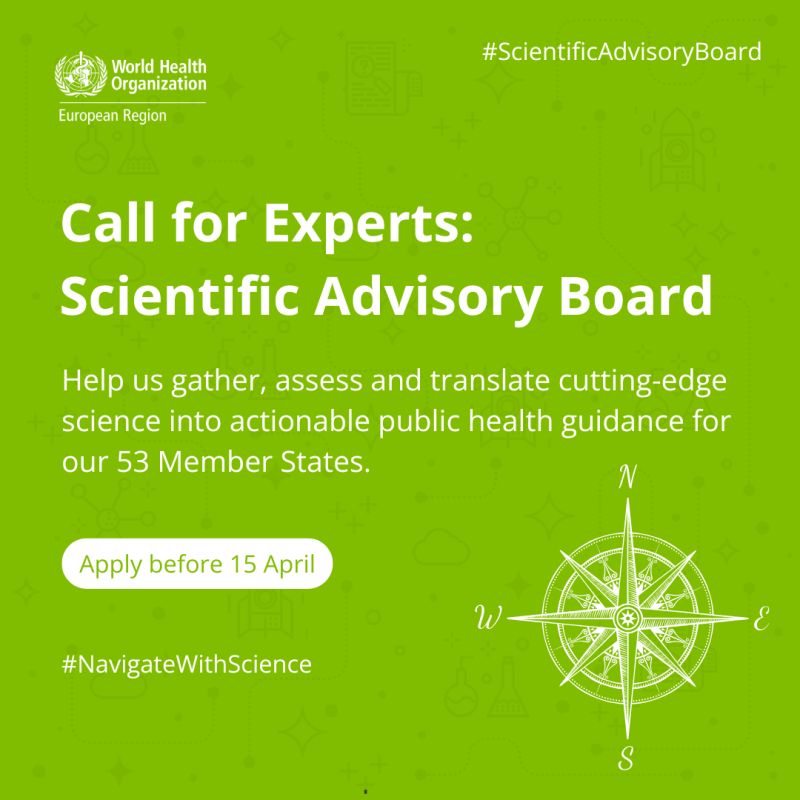
I invite leading experts from across disciplines to apply to join WHO/Europe’s new Scientific Advisory Board (SAB).
This new Board will help strengthen the scientific foundations of our work – from identifying knowledge gaps to turning evidence into clear, practical policy advice for our 53 Member States.
The SAB will be an important step in delivering the Second European Programme of Work (EPW2), our health compass for the next 5+ years, with its strong emphasis on scientific governance, innovation and impact.
Deadline for applications: 15 April
To learn more about the advisory board & apply: https://t.co/4f1kkFpJRp
Join the virtual consultation and share your experiences and lessons learned, contribute to shaping priorities for health and well-being in our Region!
📅29 April 2026 🕙 10:00–12:30 CET
📅30 April 2026 🕙 10:00–12:30 CET
https://t.co/SuSE2f4BTx
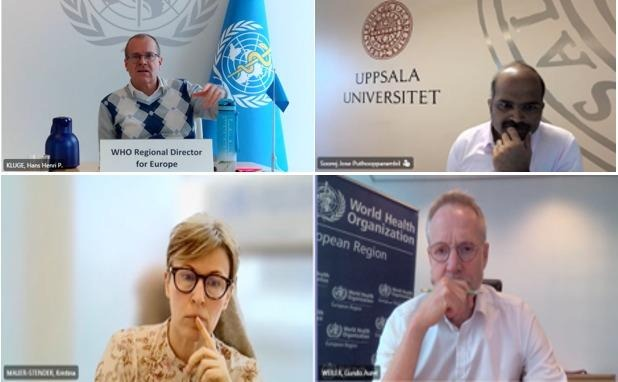
To keep migrant health high on the agenda amid declining funding, we at WHO/Europe are strengthening partnerships across our network, including with WHO collaborating centres.
With that in mind, I met with Soorej Jose Puthoopparambil, Head of the WHO Collaborating Centre at Uppsala University. We explored how collaborating centres can play a more prominent role in supporting our work on migrant health - a priority area in the new European Programme of Work (#EPW2).
Looking ahead, we aim to strengthen interregional collaboration across WHO regions - migration movements span regions, and our response to migrant health must do the same.
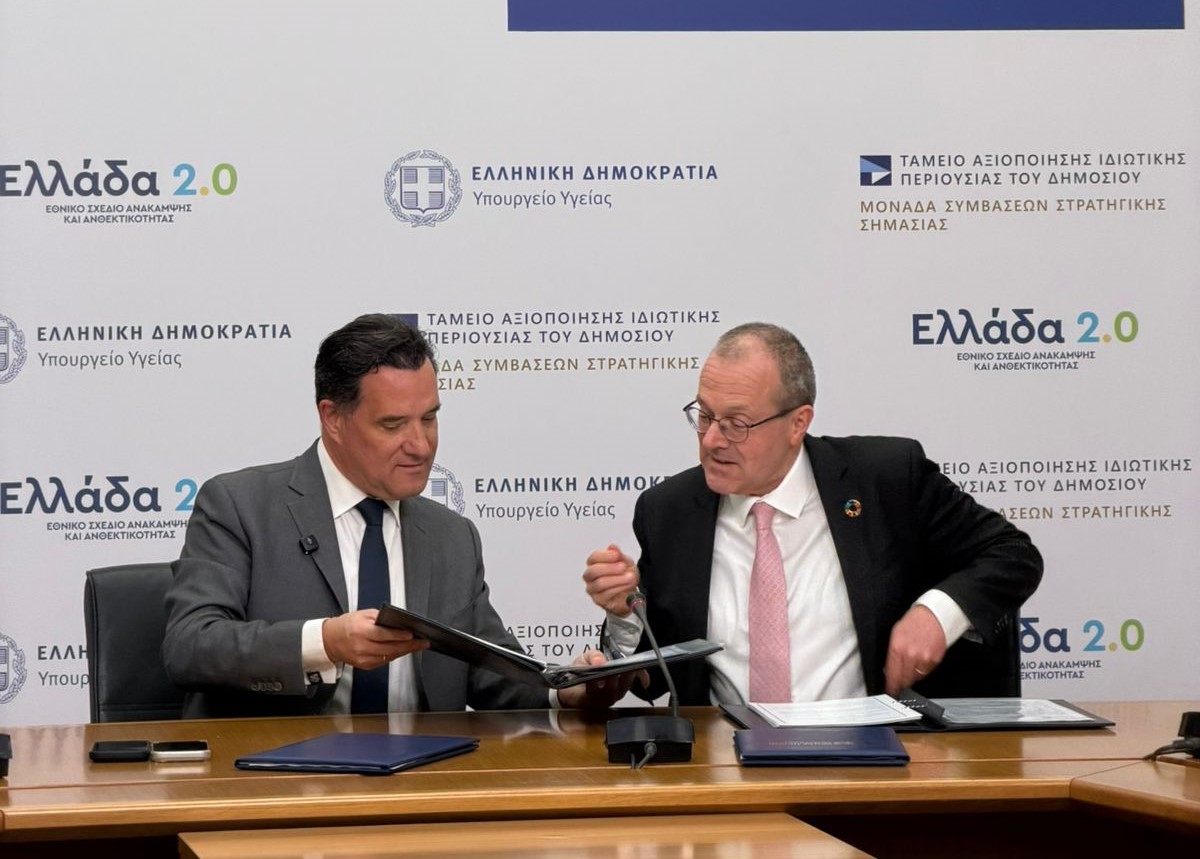
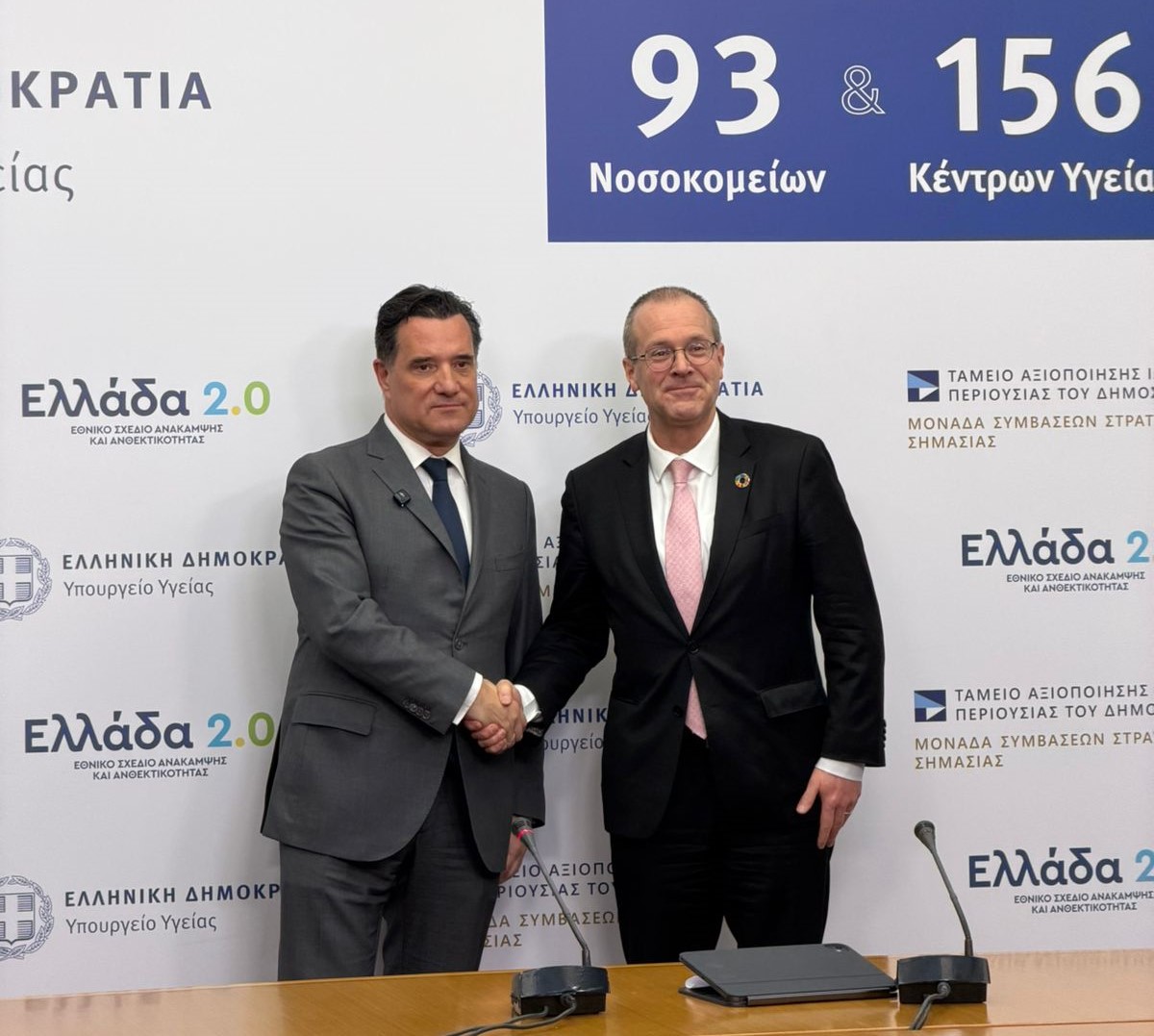
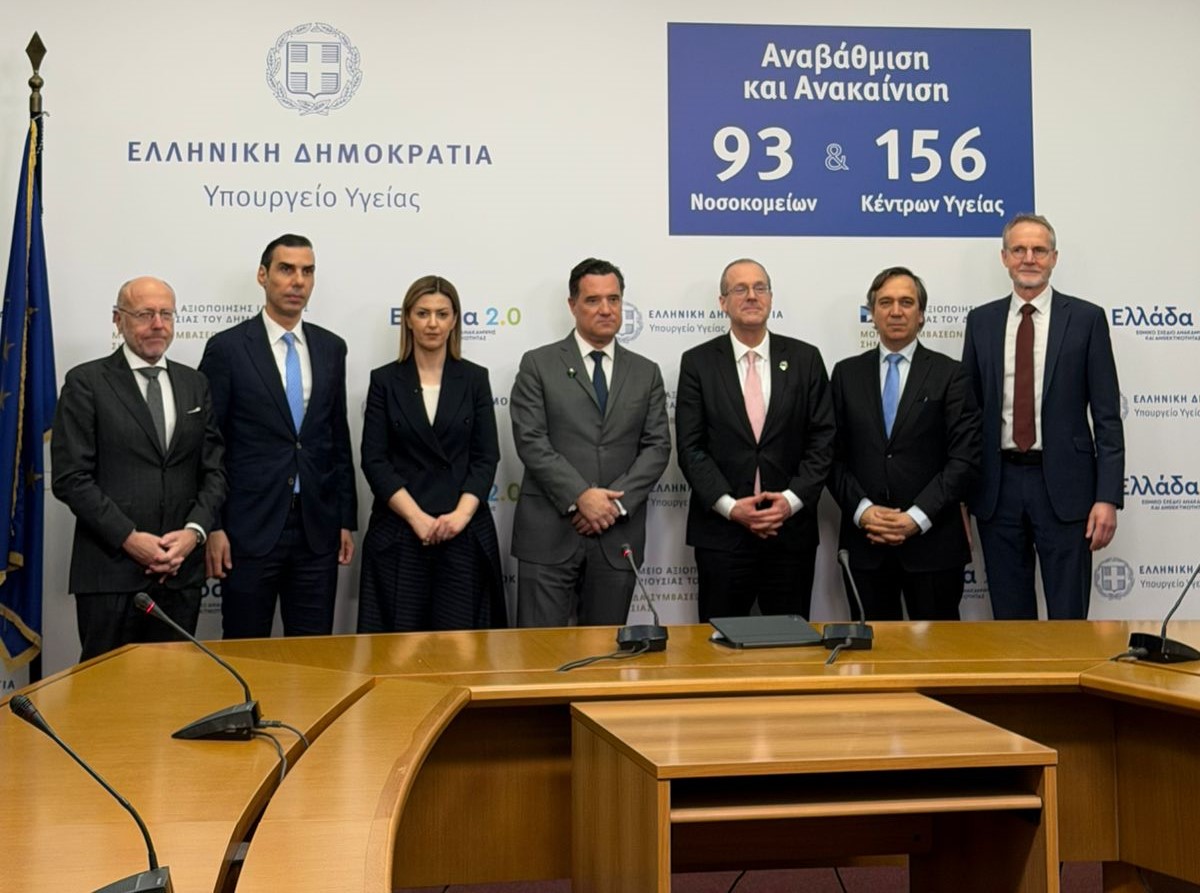
In Athens, 🇬🇷 Health Minister Adonis Georgiadis and I signed 2 collaboration agreements to advance quality of care and mental health services for children & adolescents across the WHO European Region.
Ευχαριστώ, Ελλάδα!
We agreed to scale up Health-IQ - Greece’s WHO-supported programme to improve quality of care - by launching the Quality-for-All platform today. Building on progress already made in measuring, monitoring and reporting quality, the platform will expand impact across hospitals and other health services.
I thanked Minister Georgiadis for his strong support of @WHO's work in #Greece and his long-standing commitment to quality of care, patient safety, and health system reform.
Childhood cancer survival can reach 91% in some parts of the European Region, while in others it can be as low as 43%.
This is not the future we want for our children. We can change it, and this is where partnership matters.
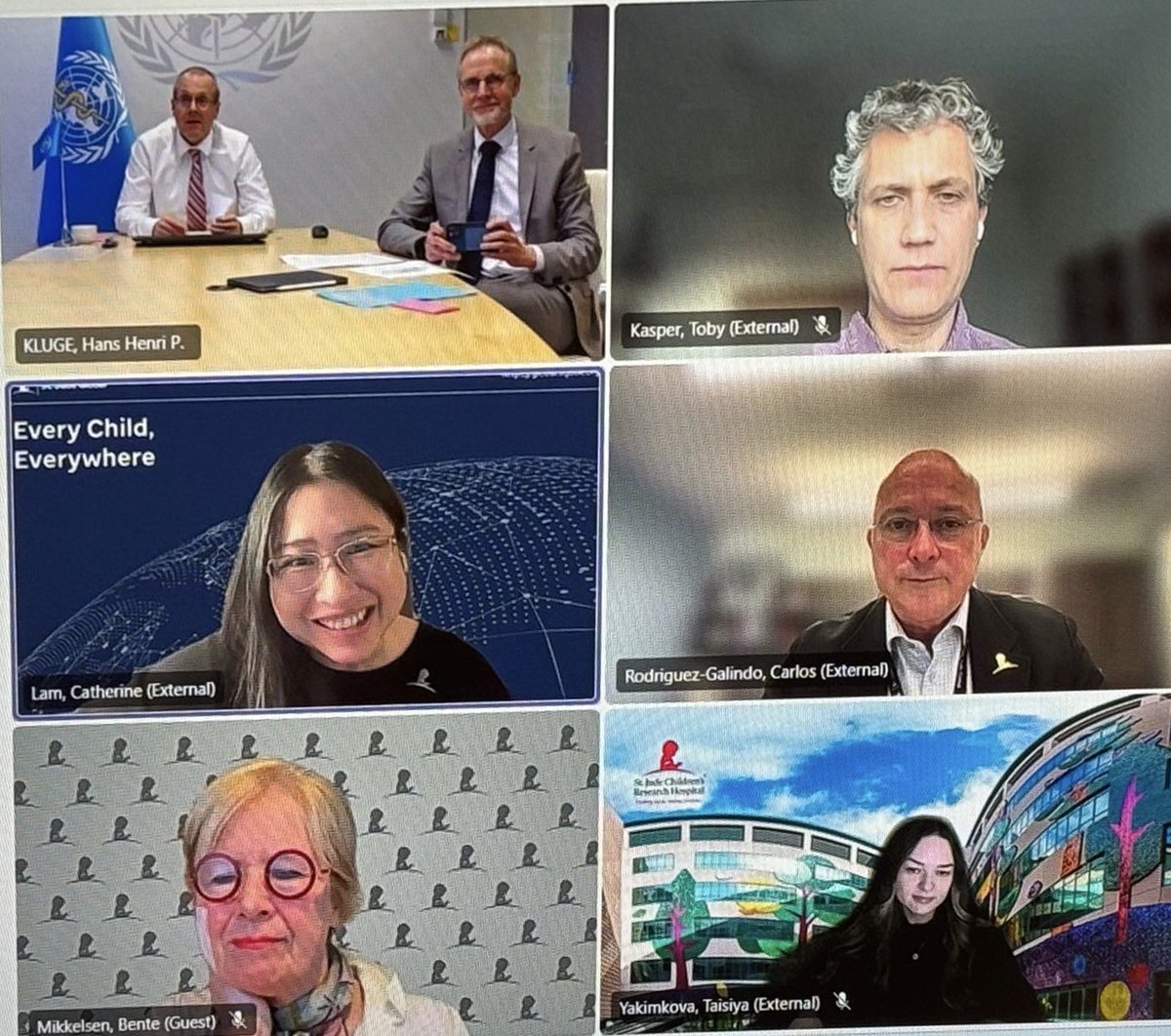
I was inspired by my meeting with Dr Carlos Rodriguez-Galindo, Executive Vice President of @StJude, and the leadership of St. Jude Children’s Research Hospital, where we reaffirmed our collaboration to close this gap by helping countries to:
▶️ include childhood cancer into national cancer plans
▶️ train health teams & update treatment protocols
▶️ strengthen services like palliative care, lab diagnostics & nursing.
Our joint work now supports 7 countries through the Global Initiative for Childhood Cancer and 2 countries through the Global Platform for Access to Childhood Cancer Medicines.
Even in challenging times for global health, @WHO will continue its efforts in this area - because every child deserves the same chance to live.
Grateful to St Jude for steadfast support.
Noncommunicable diseases (NCDs) are the world’s leading killers and a major drain on public health spending.
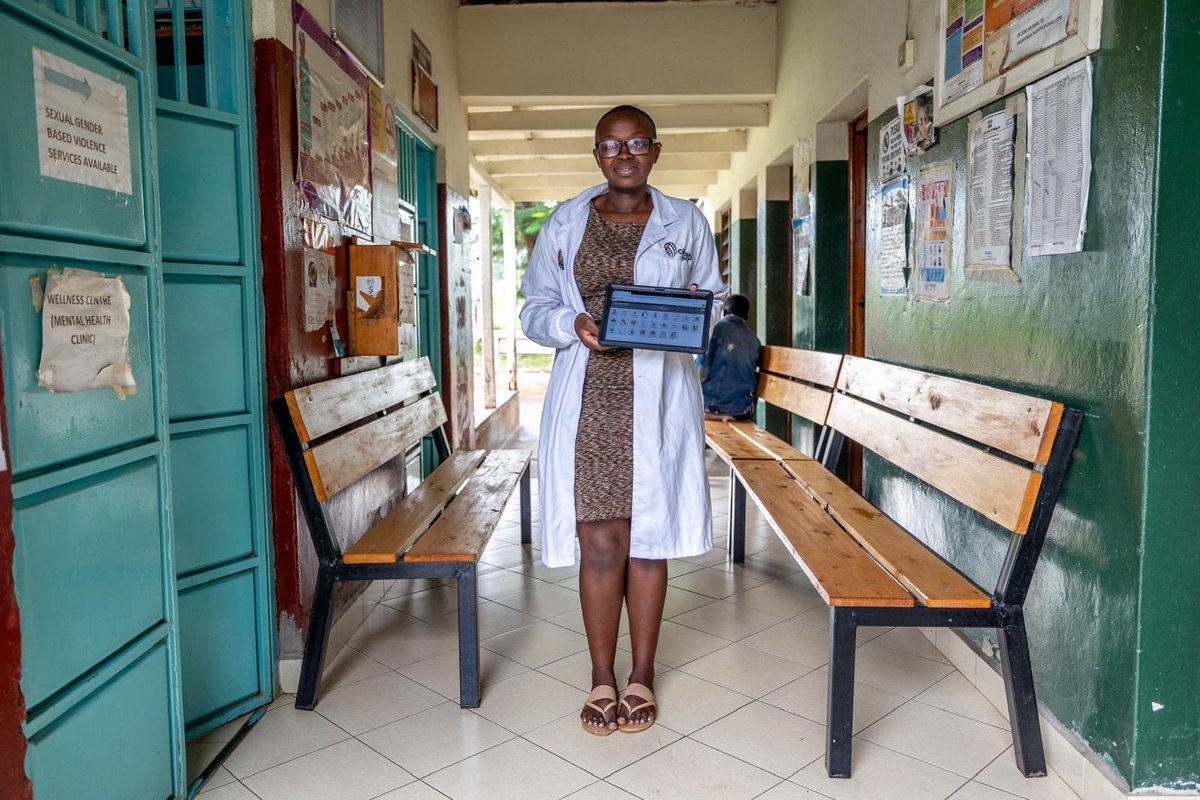
To support health facilities treating people with diseases like cancer and heart diseases, @WHO has released its NCDs Digital Solutions for Facility-Based Monitoring toolkit.
This new package of advice will improve the speed at which individuals will receive care, facilitate follow-up, and enhance the quality of services.
To #BeatNCDs, continued and innovative action is needed. I encourage countries and partners to adopt, adapt and scale up use of WHO’s digital solutions for NCDs and achieve measurable impact at national scale.
https://t.co/nRvlS1d3Ji
We stand at a crucial moment for global health: the architecture that delivered extraordinary gains over the last 30 years is no longer equipped for the challenges ahead.
This urgency shaped our high-level discussion in Berlin, hosted by @WorldHealthSmt & @KASonline, where we examined the European Region’s role in reshaping the global health system.
I am grateful to Germany 🇩🇪 for its leadership in convening this event at such a pivotal moment in world history - a time when multilateralism is fragmented and development assistance for #health has fallen by around 40%.
1/4
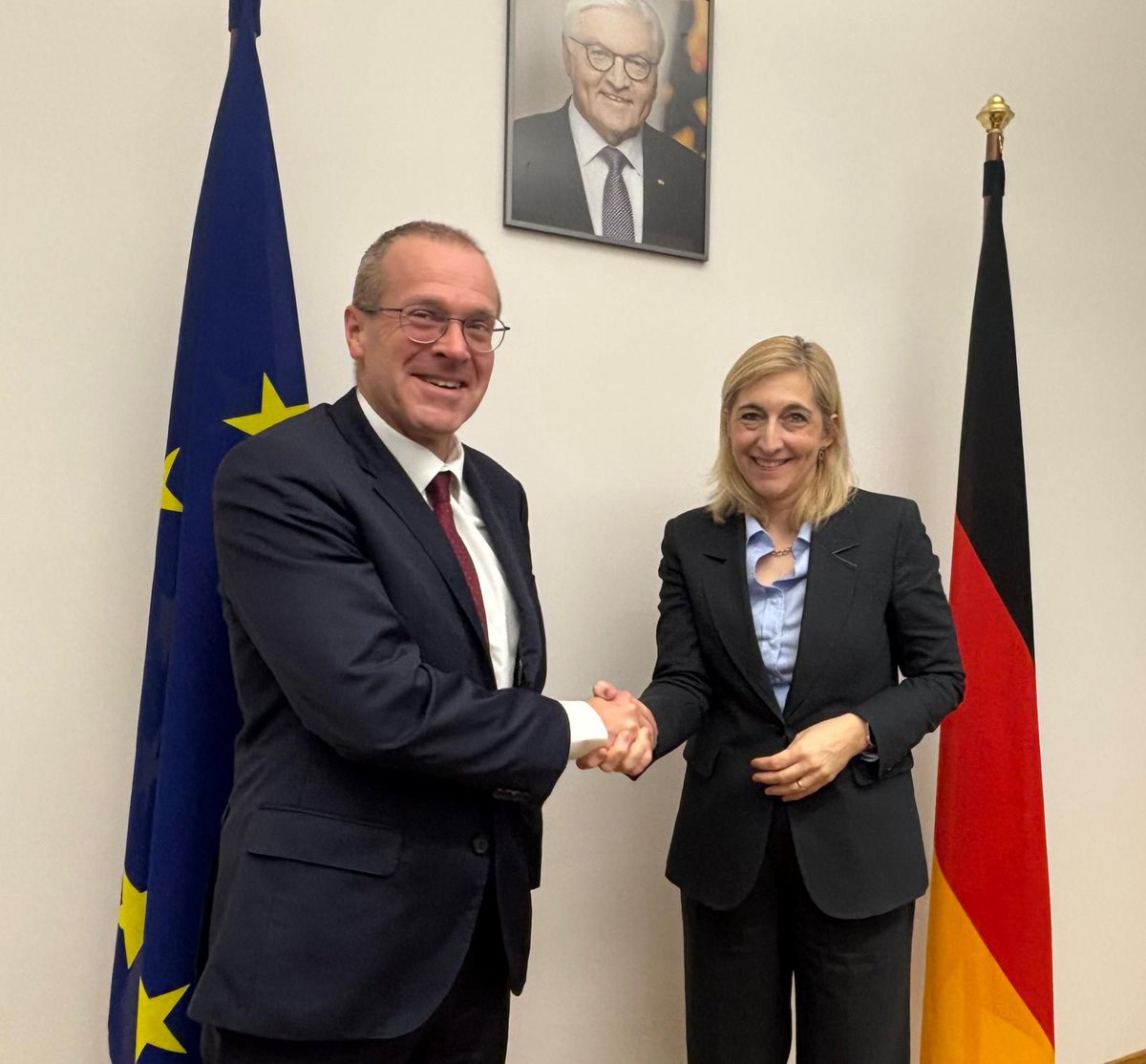
In my meeting with 🇩🇪 Health Minister Nina Warken in Berlin, I thanked Germany for its longstanding support for global health and multilateralism — standing by @WHO in difficult moments and setting an important example.
We also discussed the need to better explain to people how multilateral cooperation directly benefits their lives.
We agreed to work closer together on hospital reforms, the safe use of AI to strengthen primary health care, regional health security, and efforts to ensure people have trusted information to make the best decisions about their health.
I also briefed the Minister on my Special Initiative to strengthen the health-sector response to violence against women & girls and welcomed #Germany’s commitment in this area – at a time when rates remain high and #health services are often the weakest link.
#HealthForAll
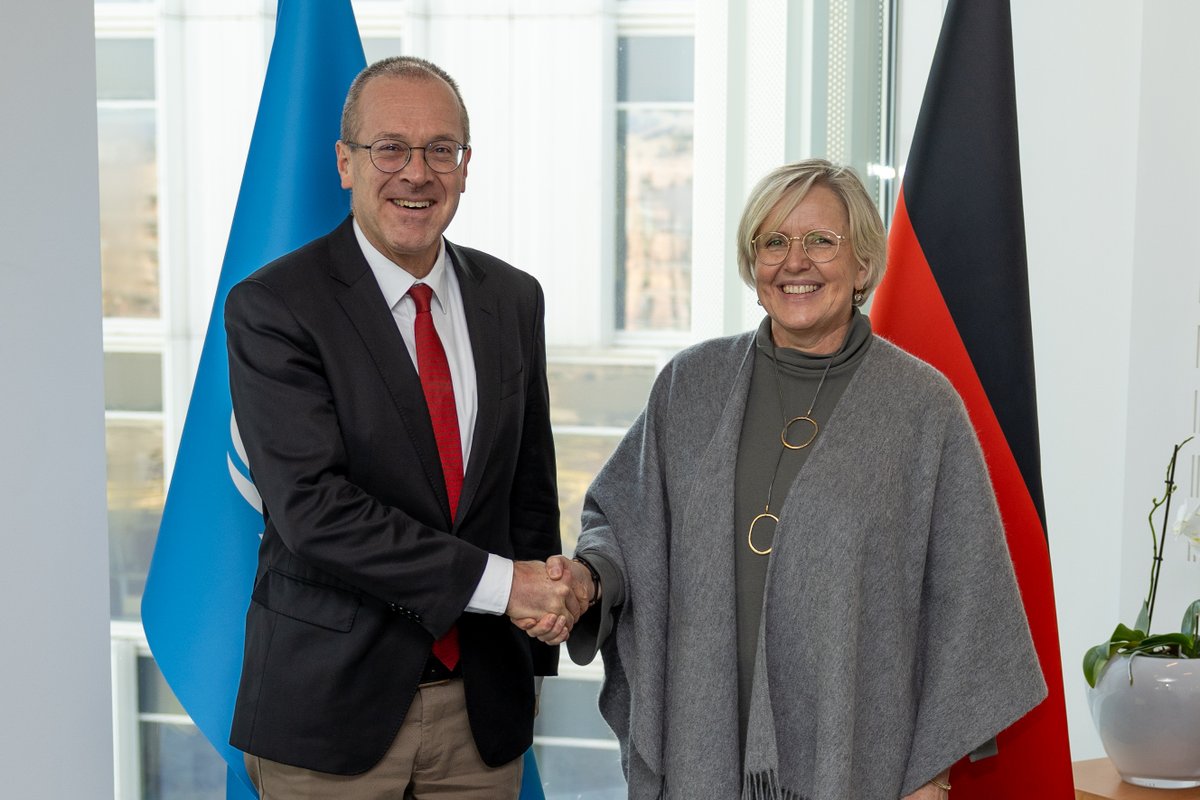
Pleased to meet today with Ms Anke Meyer, Germany’s new Ambassador to Denmark, at @UNCityCPH.
I thanked 🇩🇪 Germany for standing with us, as we reimagine the WHO/Europe of the Future - making it stronger, more agile, politically neutral & indispensable partner for all Member States.
We explored how we can work together on shared priorities - from tackling violence against women & girls, to supporting healthy ageing, addressing the health impacts of climate change, and driving innovation in health care, including the smart use of AI.
We also discussed our shared approach to health diplomacy in times of crisis and conflict, and I appreciated #Germany’s continued support to #Ukraine.
#HealthForAll
In the age of crises, climate change, demographic shifts, and instability, Europe cannot afford to let #innovation stay in the lab!
WHO/Europe’s new approach—co-design, connect, catalyze—aims to reduce these barriers for better health.
https://t.co/K50x17qpUC
#EPW2#RC75