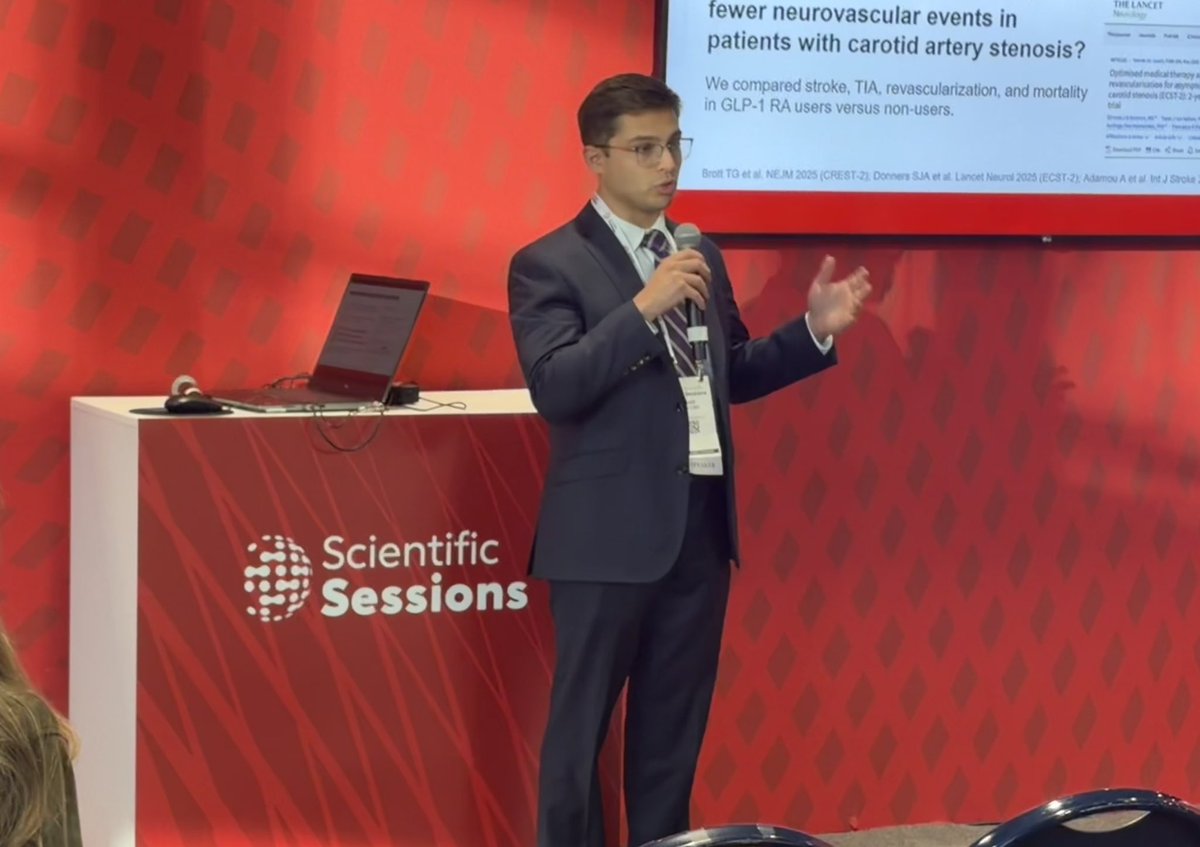
To map or not to map after PFA? At the 2026 @westernAFib, @EP_mom1 reviewed real-world studies on remapping after first-pass PVI, focusing on catheters without integrated mapping.
Join us for #WAFIB2027, Feb. 25–27! Register at https://t.co/t68i0nfT5T
@nmarrouche#EPeeps
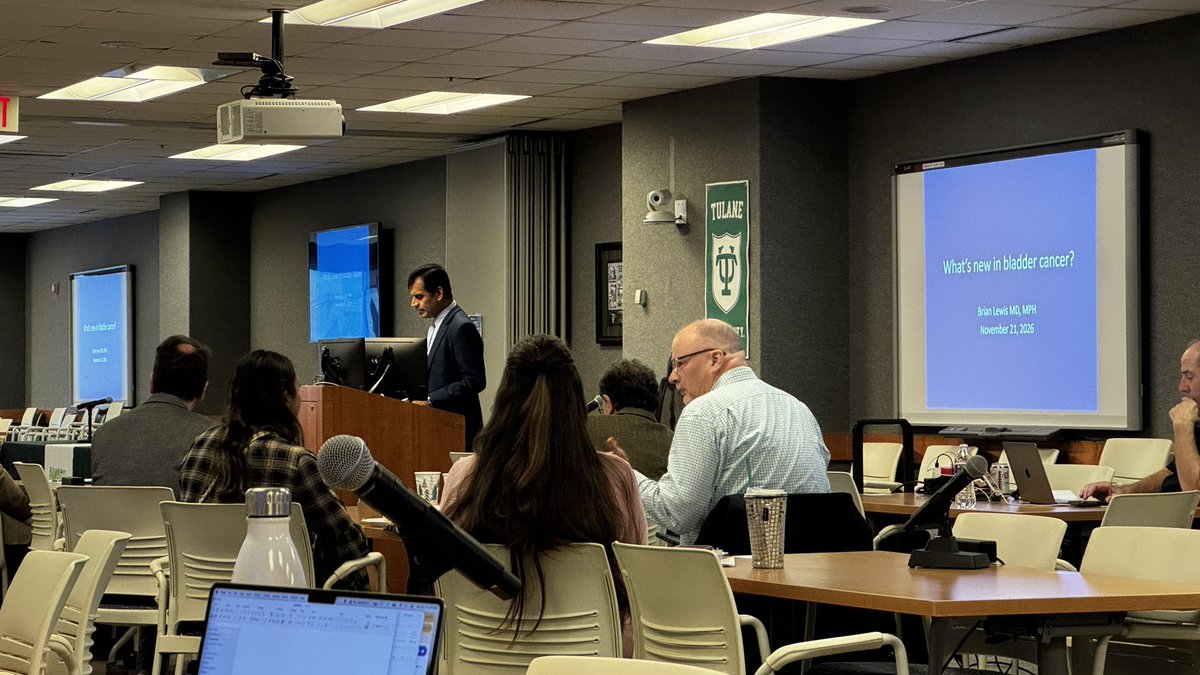
Great talk by @AmitabhCPandey on #AI in #cardiovascular care and research at Annual Essentials in Internal Medicine Symposium!
Engineers need to understand the challenges physicians face when integrating AI into clinic to close the loop. Close collaboration is essential.
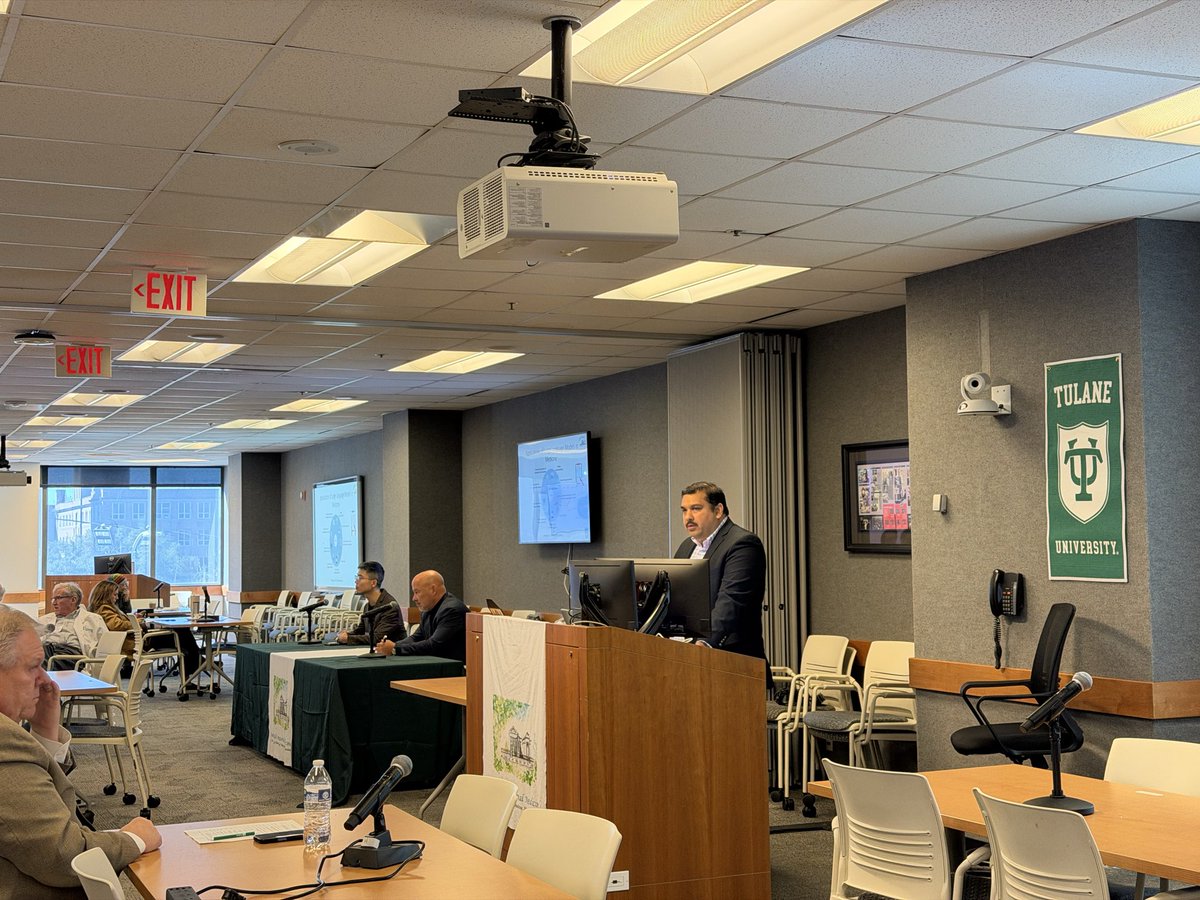
Wonderful kickoff to the 7th Annual Essentials in Internal Medicine Symposium. Amazing conference that has an outstanding line up of speakers w/ keynote by @kcferdmd. Great job by @AIrimpen Dr. Wild for leading & organizing along with others. @TulaneMedicine@TulaneDDoM@Tulane
Excited to share our work at #Aortic2026! 🫀
Check out our presentation at the POD stations!
We found that preoperative AF was associated with increased long-term mortality and heart failure following ascending aortic aneurysm repair, highlighting the importance of considering AF management, including surgical treatment strategies, in this population.
@AATSHQ@jamil_borgi@nmarrouche@Tulane_Surgery@TulaneTriad@HanFengGHD
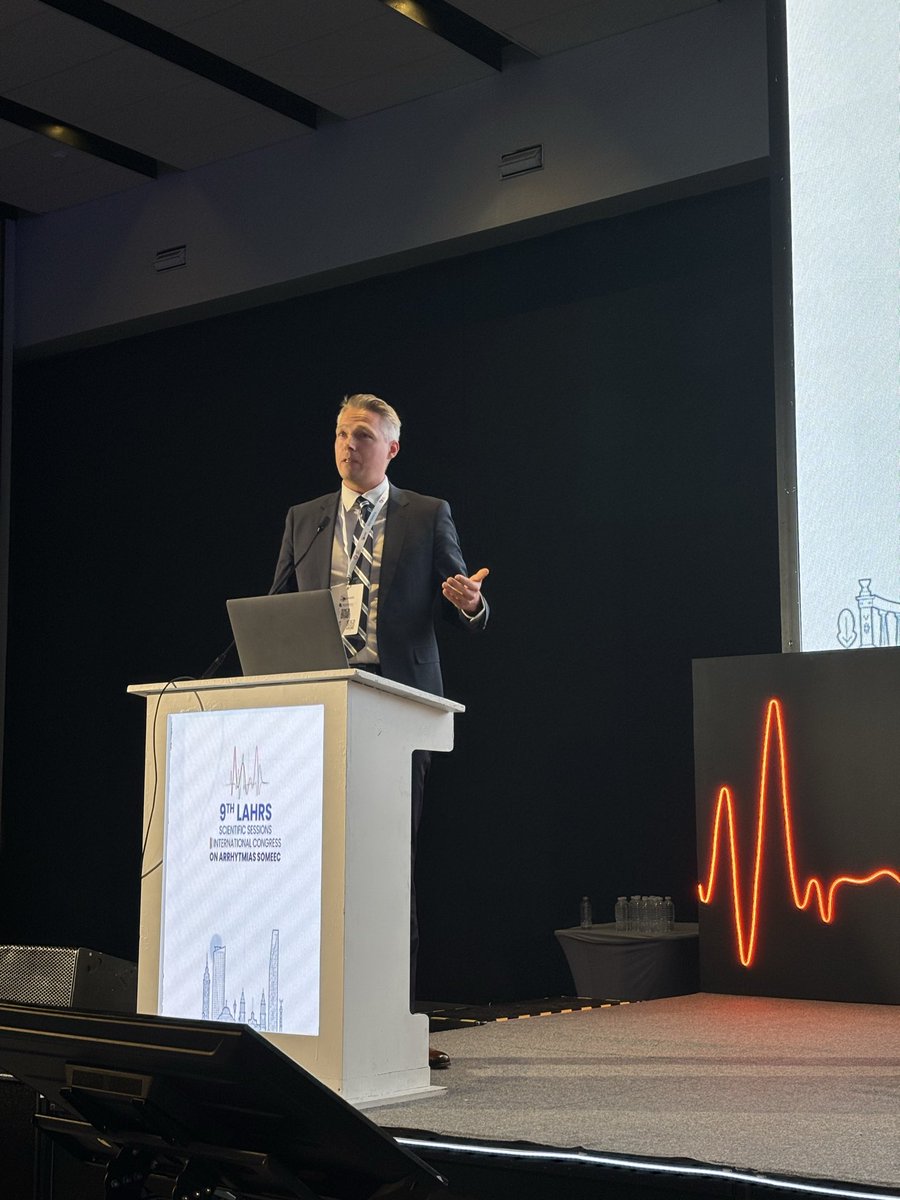
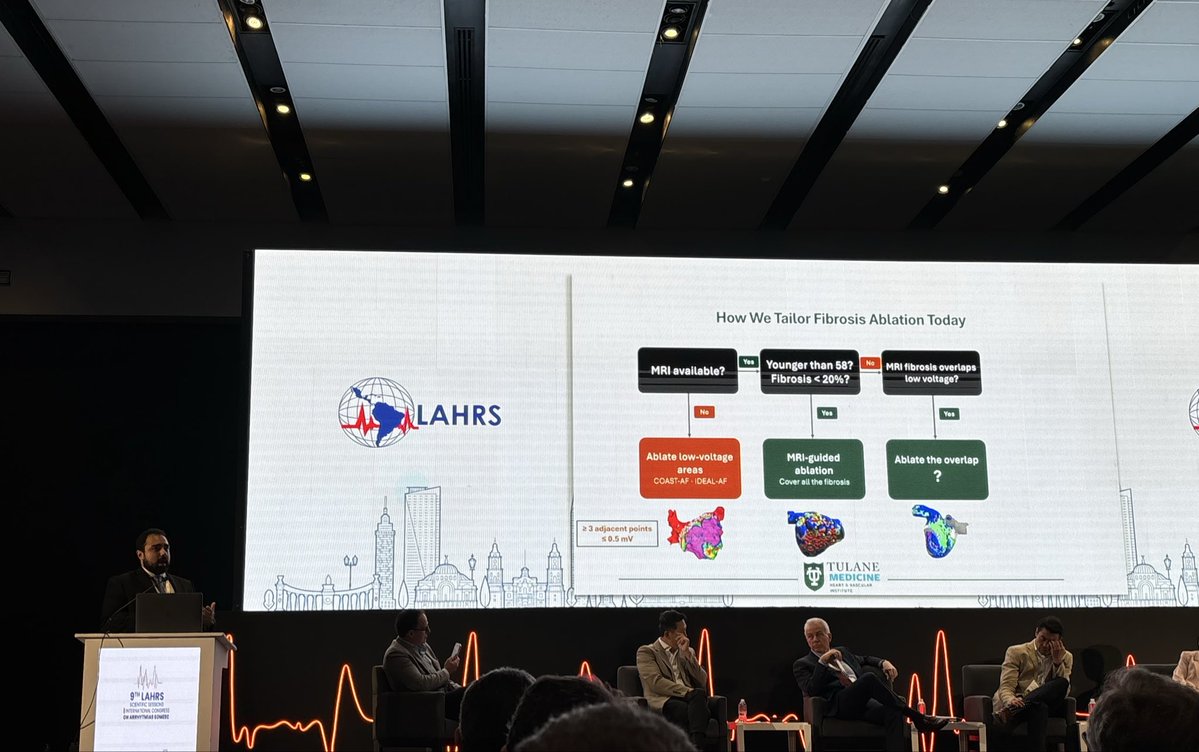
Honored to present at #LAHRS2026 on atrial myopathy and tailored AF ablation!
Exploring MRI-guided, EAM-guided, and combined approaches to target atrial myopathy.
Extremely grateful to @nmarrouche and the entire @TulaneTriad team for this opportunity! 🙏
Cool concept at #Aortic2026@AATSHQ! Interested in an abstract? You don’t have to look through endless rows of posters! You can just find one of the Presentations on Demand (POD) stations and look up the abstract you want to see and watch the presentation!
@nmarrouche@HanFengGHD@jamil_borgi@TulaneTriad@Tulane_Surgery
First time at the Aortic Symposium and very excited for the two days to come, packed with sessions, video abstracts and panels rounding experts in all things Aorta-related. Particularly interested in the beast: Ascending Aortic Dissection! #Aorta2026@AATSHQ@jamil_borgi@TulaneTriad@Tulane_Surgery
🚨 Hot off the press in @JCardioEP!
More lesions, better outcomes? Not in paroxysmal AF.
Of 18,891 first-time PAF ablations (TriNetX), >1 in 4 (27.2%) went beyond PVI (PVI+) 🧵👇
Co-led by @mabou_khalil & @MassadChristian at @TulaneTriad#EPeeps#AFib
https://t.co/74k1BB2WoM
For nearly 20 years, our teams have worked to understand #AFib through the biology of the #atrial substrate. What began as a hypothesis around atrial fibrosis is becoming increasingly clear.
The question may no longer be simply: PVI versus substrate ablation?
The more important question is: Which AF patient has a modifiable atrial substrate, where is it, and can we reliably eliminate it?
DECAAF I established that atrial fibrosis matters and strongly predicts ablation outcome.
DECAAF II then tested MRI-guided fibrosis ablation in persistent AF. The overall trial was neutral, but the mechanistic lesson was important: identifying fibrosis alone was not enough. Intended ablation did not always translate into durable scar, and benefit appeared related to both disease extent and effective substrate coverage.
IDEAL-AF and COAST-AF now add another piece.
IDEAL-AF selected only patients with meaningful low-voltage substrate for randomization. When that substrate was specifically targeted with clear electrical endpoints, outcomes improved substantially over PVI alone.
COAST-AF tells a similar story. The overall trial was negative, but among patients who actually had low-voltage areas, substrate ablation significantly improved outcomes. Patients without demonstrable substrate did not appear to benefit.
These studies may therefore be defining the same biology from different directions:
No significant atrial substrate → PVI may be enough.
A demonstrable, modifiable atrial myopathy → PVI alone may be inadequate.
Advanced, diffuse disease → simply adding more ablation may not overcome the biology.
The next phase of AF ablation should move beyond “more ablation” toward precision substrate therapy: identify the AF fibrosis/myopathy phenotype, select the right patient, define the abnormal tissue accurately, and ensure that it is truly modified or isolated.
The future is not empiric substrate ablation. It is targeting the AF substrate in the right patient, at the right stage of disease.
@chris_sohns@PrashSanders@peterkistler3@S_NarayanMD@Phiso_de@netta_doc@TinaBaykaner@DrRoderickTung@Ed_Gerst@shivkumarmd@Siddmann@gautamsand@drjohnm@TulaneTriad
Honored to present our preclinical findings at #AHA26! 🫀
Does PFA create less ventricular scar, or are we not seeing it?
Using preclinical PFA models, we found that LGE-MRI 2 (~50 min post-contrast) best visualizes ventricular lesions at 1 and 2 months!
@nmarrouche@TulaneTriad