@trtspor Nolacak ki, herkes hata yapabilir, bu paylaşımı yapan bence daha büyük hata yapmıştır, çok gereksiz olmuş, değmez. Adamı bi de hapise atın, insanda biraz sevket, afetme duygusu ve tolerans olur. Yakışmadı @trtspor
Excited for tomorrow’s AANP Teaching Rounds on cIMPACT: #Meningioma with Dr. Felix Sahm from Heidelberg—this will be a fantastic session! Don’t miss it!
https://t.co/onYoIAVK9N
#neuropath#pathx#pathology
Scientists have created the first atlas of specific key patterns of brain ‘chatter’ and determined how these patterns change over the entire human lifespan
https://t.co/f85aYhS3d6
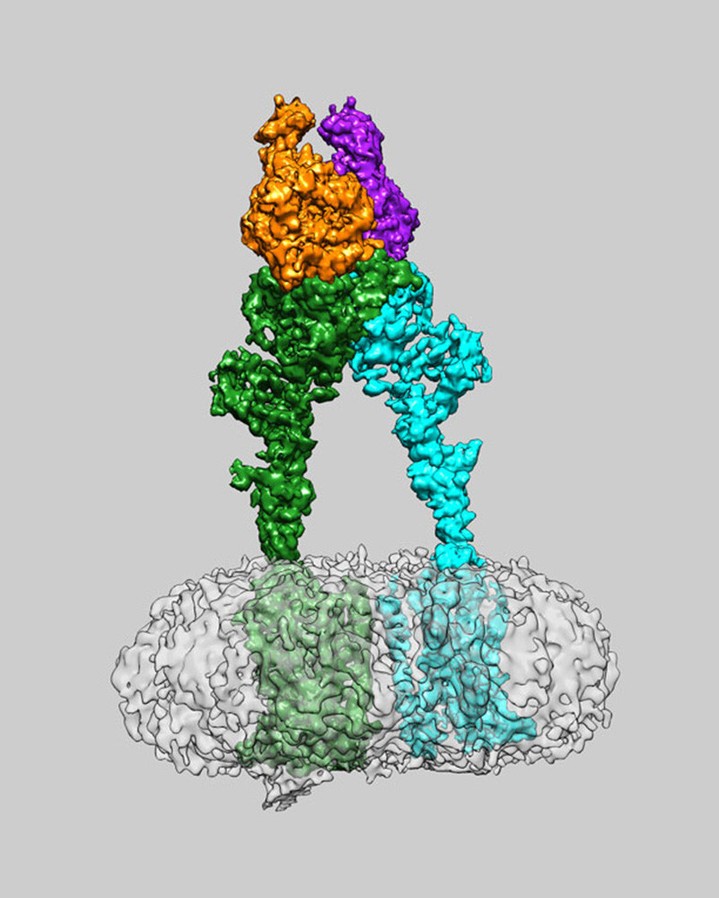
What do you get when #NationalProteinDay and #NationalPokémonDay meet? Pikachurin. ⚡
A 2023 @scisignal study solved the structure of this extracellular protein that plays an essential role in vision.
In the retina, light is perceived by photoreceptor cells that transmit signals to neurons called bipolar cells, which in turn relay the signal to the retinal ganglion cells that form the optic nerve. The activation of bipolar cells by photoreceptor cells depends on the precise positioning of multiprotein complexes on the surfaces of both cell types.
Pikachurin is an extracellular matrix protein that bridges these complexes by making contacts with the membrane protein dystroglycan on the photoreceptor cell and the receptor GPR179 on the bipolar cell, thus ensuring that photoreceptor cells are properly aligned with the bipolar cells.
Learn more: https://t.co/VMUWllSbr9
Immune cells engineered to detect extremely low levels of a target antigen have eliminated kidney, ovarian and pancreatic tumours in mice — a feat that has been near impossible using conventional CAR-T immunotherapies. https://t.co/b6LgmJmcgG
Great review on therapeutic targeting of neuroimmune mechanisms in neurodegeneration @NatRevDrugDisc
The review discusses the role of the central and peripheral immune systems in neurodegeneration. These insights could help redirect future drug discovery efforts toward immune targets that complement existing therapies aimed at core pathological features.
https://t.co/MZqxldCqud
A cubic millimeter of mouse brain with 75,000 neurons, vizualized by @quorumetrix :
https://t.co/2UvxxneSw2
Watching the way the signals propagate through the layers, with pyramidal cells integrating and processing 11,061 inputs at a time is mindbending.
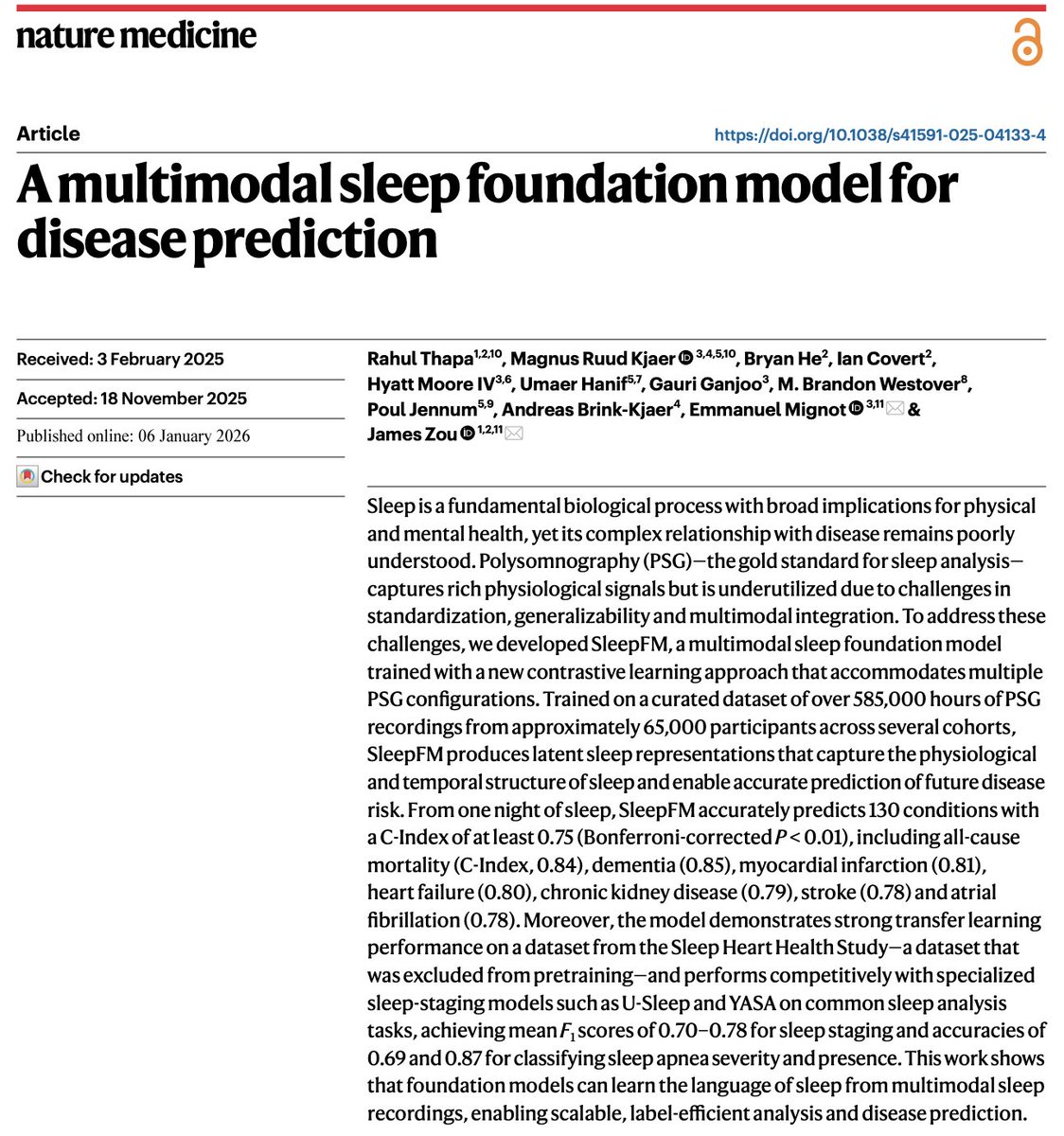
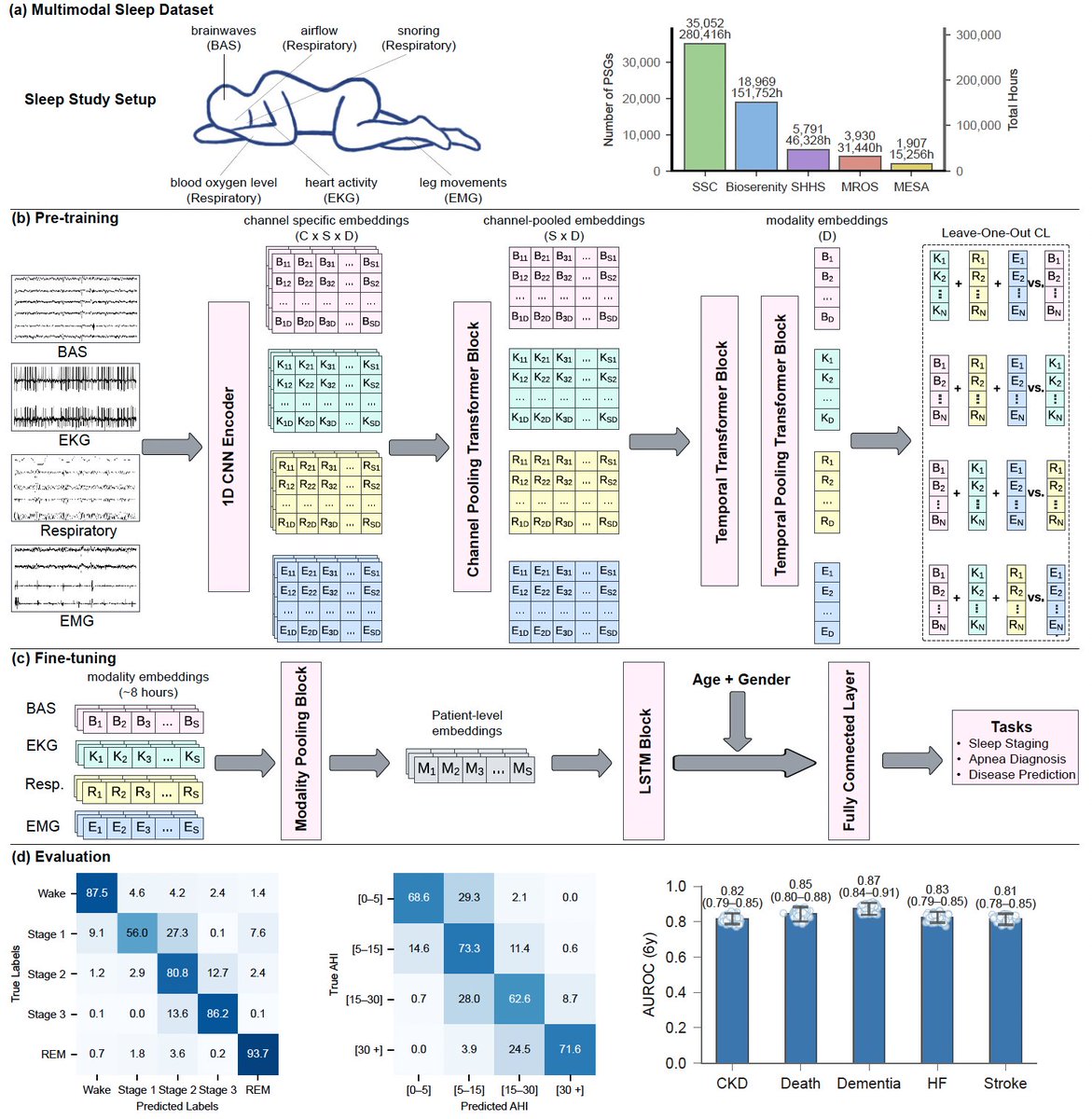
Today in @NatureMedicine we report that AI can predict 130 diseases from 1 night of sleep🛌
We trained a foundation model (#SleepFM) on 585K hours of sleep recordings from 65K people—brain, heart, muscle & breathing signals combined.
AI learns the language of sleep🧵
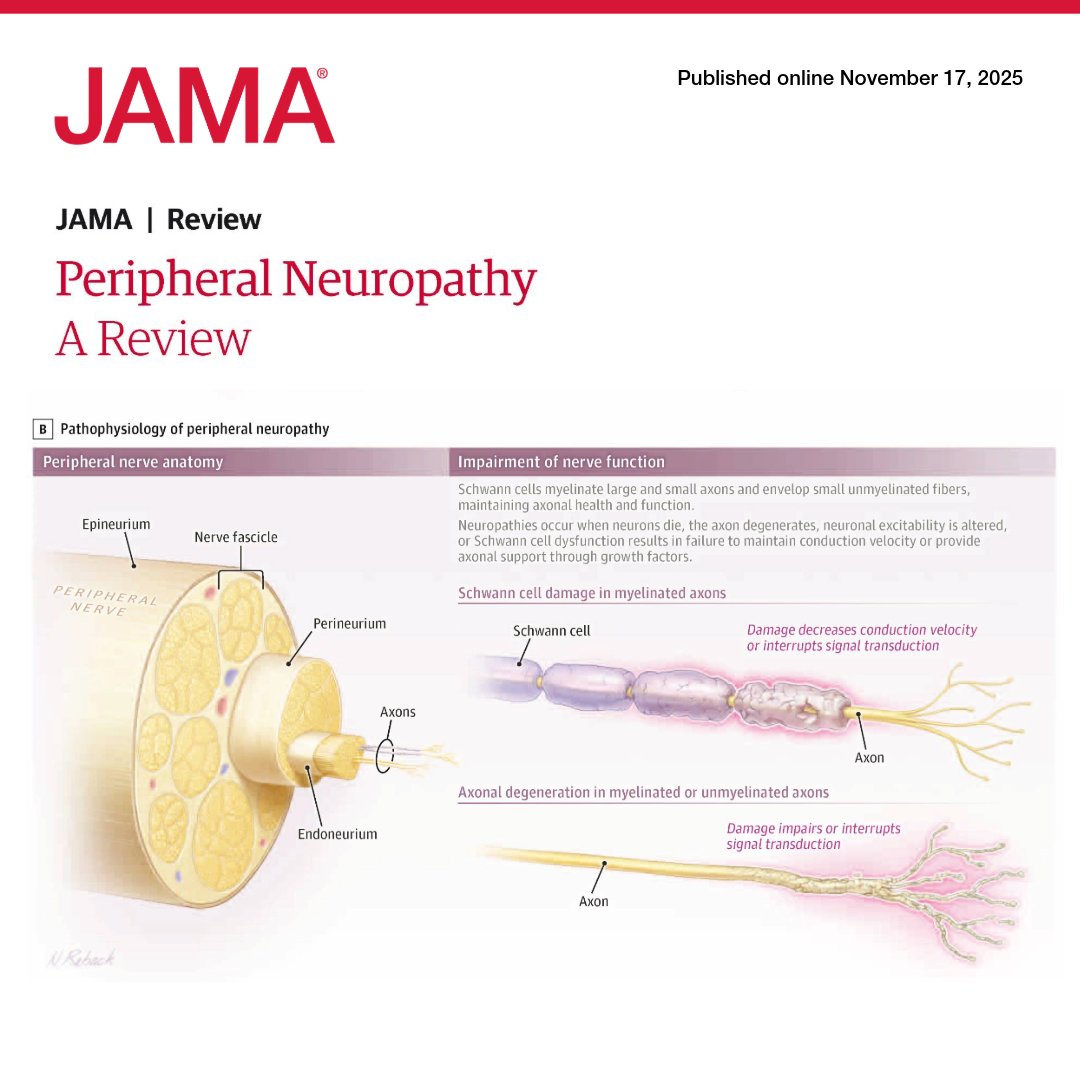
Peripheral neuropathy, defined as damage to the peripheral nerves, affects approximately 1% of adults worldwide.
This Review summarizes the pathophysiology, clinical presentation, diagnosis, and treatment of length-dependent peripheral neuropathy. 🧵
https://t.co/tgk8h7SdEL
You’re looking at neurons growing and connecting in real time 🧠. A 65-hour recording of hippocampal activity in a rat brain.
The hippocampus plays a crucial role in memory and learning. In this footage, neurons extend their dendrites and axons, building and reshaping connections across days. Capturing this process live offers a rare view into how neural circuits form and reorganize.
Why this matters ⬇️
1️⃣It’s a continuous, multi-day recording of living hippocampal neurons under the microscope
2️⃣You can clearly see dendritic branching and network formation
3️⃣It reveals the dynamic processes that drive brain development and plasticity
Observing growth at this resolution helps researchers understand how neurons connect—and how disruptions in these processes might contribute to neurological or psychiatric conditions.
Credit to Louis Romet and Dr. Christophe Leterrier for the video
This year’s chemistry laureate Omar Yaghi was born in Amman, Jordan, in 1965 to parents who were refugees from Palestine. When we spoke to him he shared his story:
“I grew up in a very humble home, we were a dozen of us in one room, sharing it with the cattle that we used to raise. I was born in a family of refugees, and my parents could barely read or write. My father finished sixth grade and my mother couldn’t read or write. It’s quite a journey. Science allows you to do it. Science is the greatest equalising force in the world.
Smart people, talented people, skilled people exist everywhere. That’s why we really should focus on unleashing their potential through providing them with opportunity.”
Today Yaghi shared the 2025 Nobel Prize in Chemistry with Susumu Kitagawa and Richard Robson for their work developing metal–organic frameworks.
Learn more about the prize: https://t.co/4nmszg1ZIR