Founder of @HarvestPlus. Began his mission on biofortification in 1993; 1 of 4 Laureates of the World Food Prize 2016. FAGA Super Senior Golf Champ 2018 MD.
“Food Systems” is a paralyzing construct for actionable investments and interventions. Understanding complexities of food systems leads to inaction. Let the focus be on individual key foods. See “The Carrot Strategy: A Time to Choose” here.
https://t.co/Ivl0Xkkr33
With less land for wheat production, Pakistan recognizes the need for more research and improved wheat varieties (e.g. Zinc with high zinc) @CGIARclimate@HarvestPlus@WorldFoodPrize
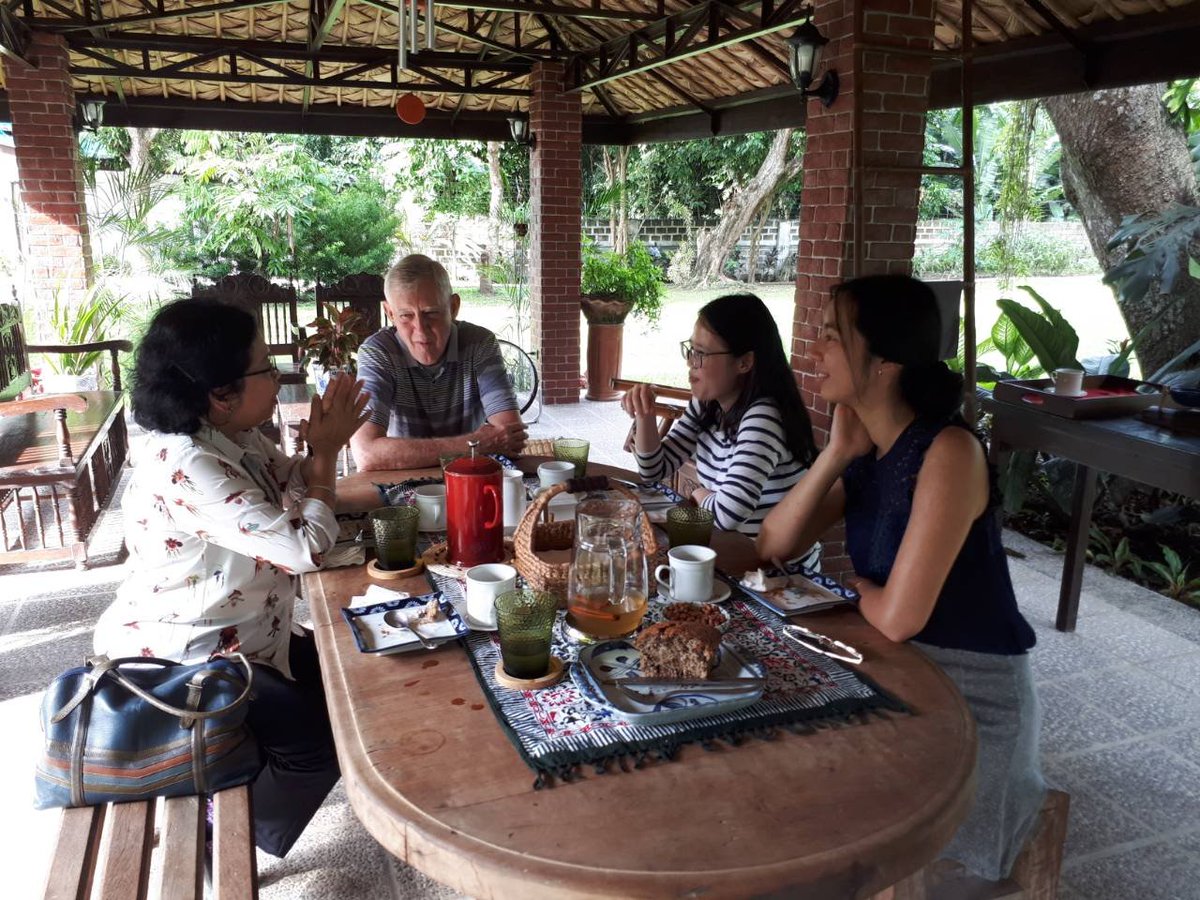
Cristina and recently hosted for merienda two summer interns at the International Rice Research Institute, to discuss their research on nutrition security. From left to right are Cecilia Acuin of IRRI (mentor), myself, Le Ngoc Thao and Priscilla Trinh, a Borlaug-Ruan intern.
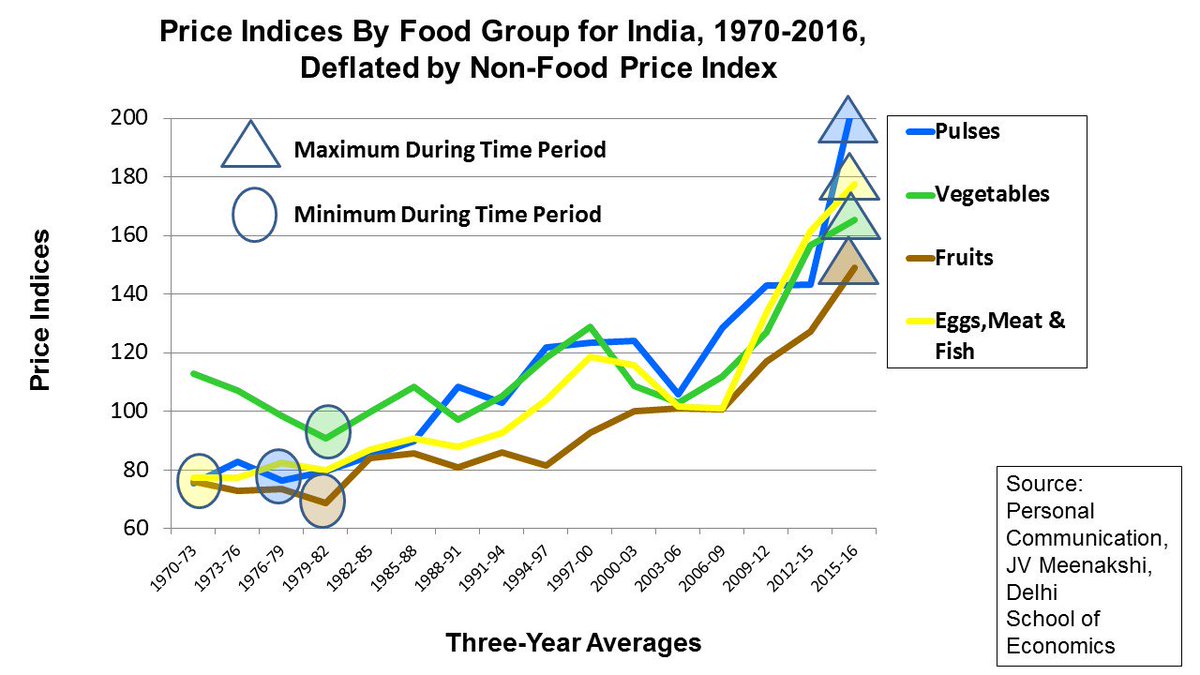
Bravo Heady-Alderman for highlighting high non-staple prices as barrier to dietary quality. See India price trends for non-staples; cereal prices have declined. Biofortification adds micronutrients to diets at no extra cost to consumers
Healthy foods are expensive compared to less-nutritious staples in developing countries – while unhealthy snack foods are growing cheaper, according to a new study by IFPRI’s Derek Headey and Harold Alderman https://t.co/2KFiue1TEI Paper here: https://t.co/F8uP4cpSlR @WorldBank
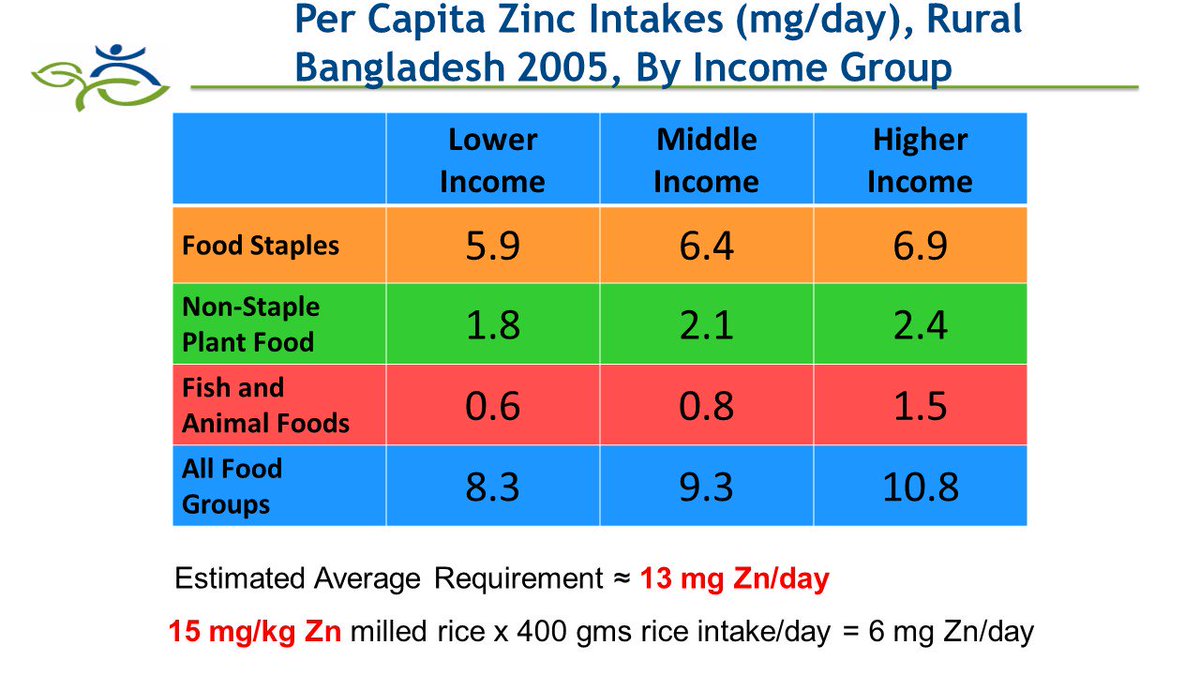
In view of rising CO2 levels, consider in the attached table how important milled rice is in total zinc intakes in Bangladesh. Biofortification (conventional breeding) could double zinc intakes (density from 15 mg/kg to 30 mg/kg), countering effect of rising CO2 levels
Bravo Crop Trust. Diversity in bean germplasm banks made it possible for RAB and CIAT plant breeders to develop high iron beans (ten varieties released so far) which now account for 20% of bean production in Rwanda
@JonEntine I really like this tweet by Jon Entine. A key to improving dietary quality is to improve the productivity of vegetables, thereby lowering vegetable prices which have been rising steadily for decades. Here is one promising approach
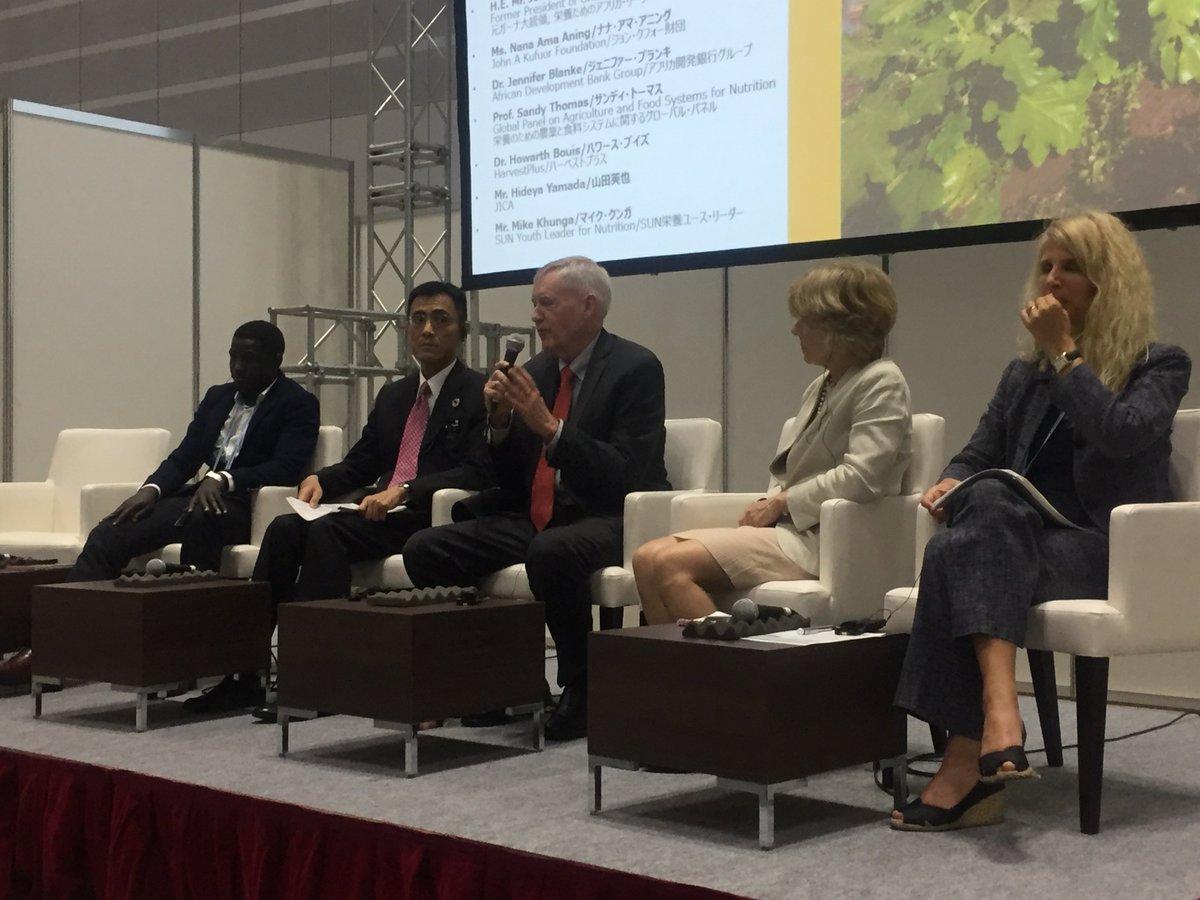
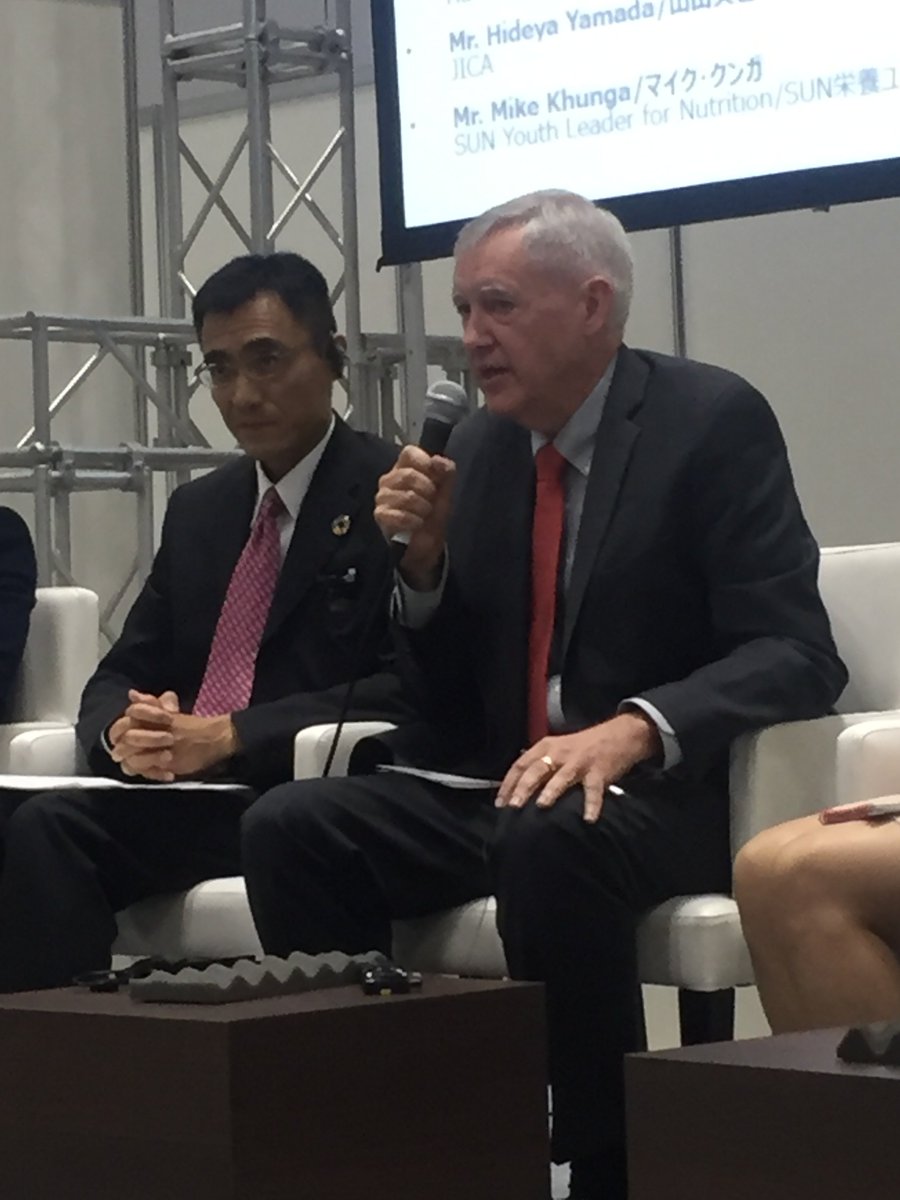
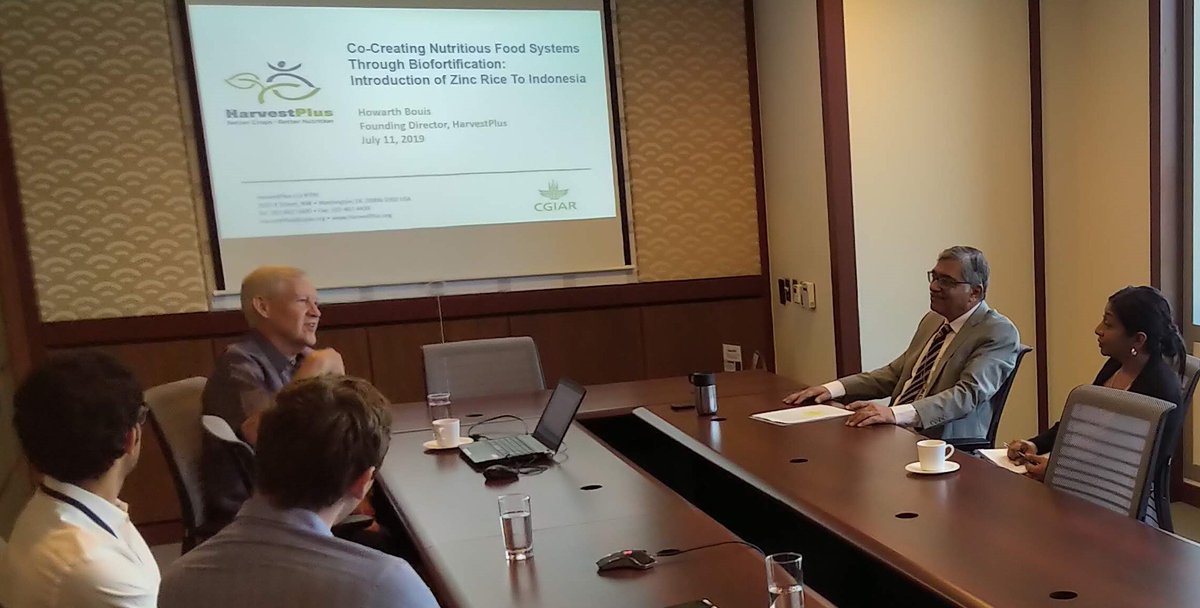
Residing as of July 1 in the Philippines. On July 11, I gave a seminar at the Asian Development Bank, ADB is planning a conference Transformative Change for Nutritious Food and Rural Prosperity to be held later this year
After distributing 10 Billion vitamin A capsules over the last 20 years - and saving millions of lives! - we should ALSO at the same time undertake activities to treat the underlying causes of vitamin A deficiencies
Do not forget to submit your abstracts for the @MNForum 5th Global Conference! Only one week left. We would love to hear from your research and to welcome you to Bangkok in March 2020! https://t.co/5M7bnqMmKT
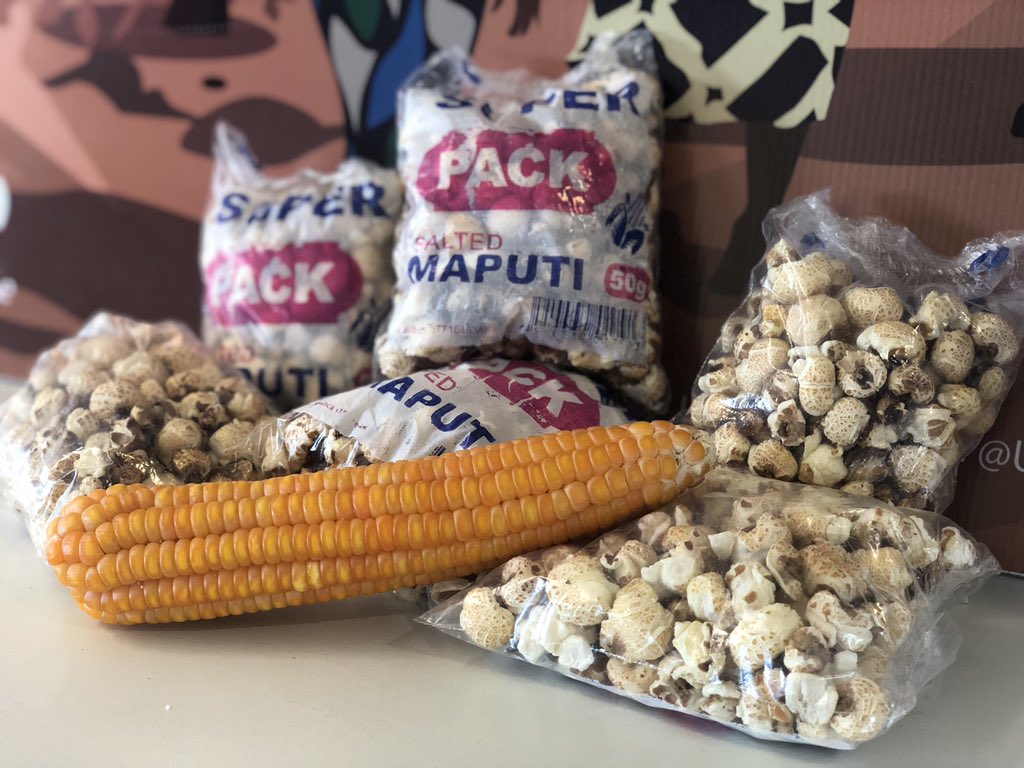
Office snacks -
bio-fortified vitamin A orange maize🌽maputi🍿
🇬🇧#UKaid-supported
@LFSPZim🇿🇼promotes the growing & consumption of bio-fortified crops.
Bio-fortification is a way to improve the health of families by improving the nutritional impact of the crops they already eat💪