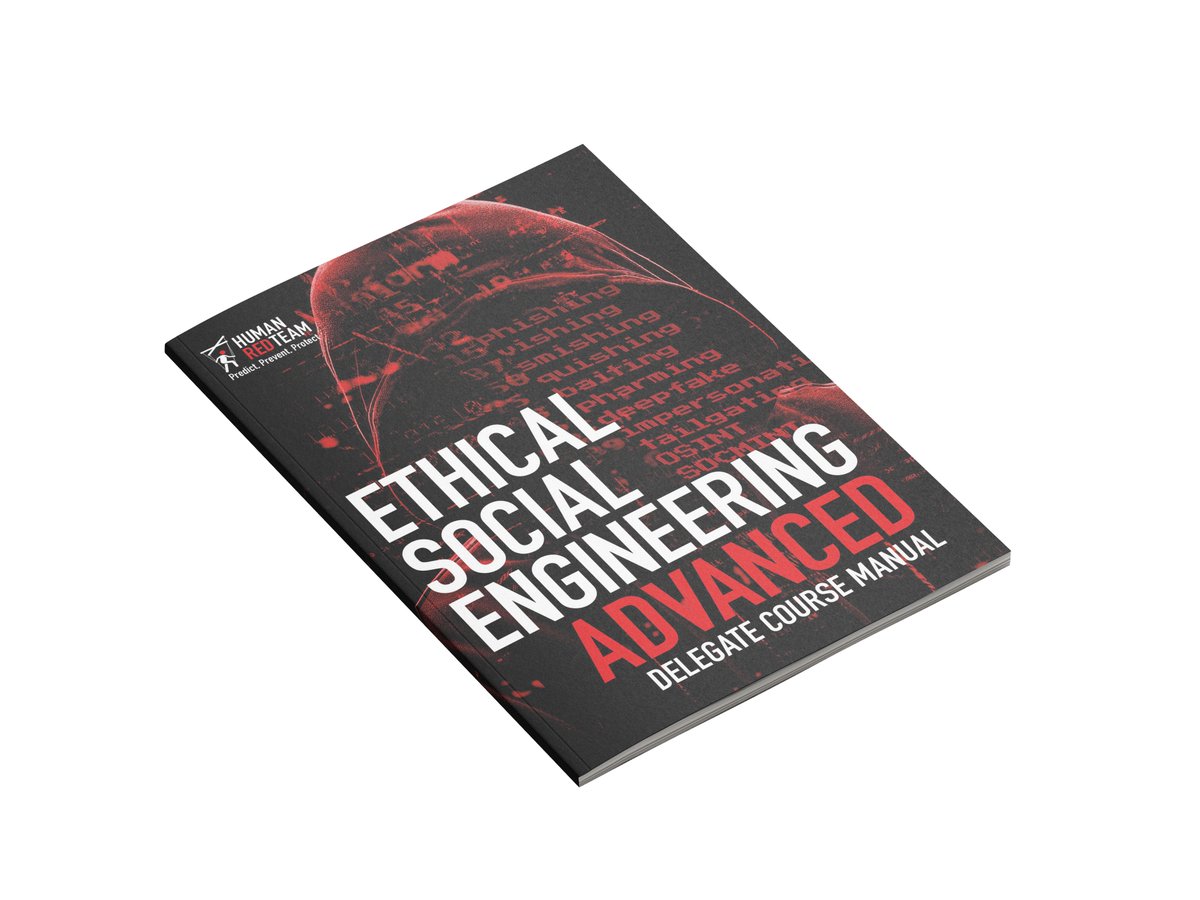
The only NCSC-Assured ethical social engineering course in the UK that awards the APMG CP-ESE® certification is now open for registration for the June 2026 course.
Train ethically. Think like an attacker. Defend like a pro.
Find out more: https://t.co/16Vk6C6pyJ #CyberSecurity #SocialEngineering #SecurityTraining #RiskManagement #humanresilience #CPESE #HumanRedTeam
Interested in undertaking an ONLINE Postgraduate Certificate or a Masters by Research in Covert Action, HUMINT and the Psychology of Intelligence Elicitation? Then why not consider studying with BUCSIS. (Sept 26 entry) To view programmes details go via https://t.co/xxjcAh9SNn
NEW ARTICLE: Full article: How and why Rapport Outperforms Persuasion in Military Interrogations #elicitation#ORBIT#intelligence https://t.co/jiN6XthpvO
Book recommendation for anyone working in security, leadership, or human behaviour: 'The Interrogator' by Raymond F. Toliver.
It tells the remarkable true story of Hanns-Joachim Scharff, a WWII Luftwaffe private soldier who became the most effective interrogator of captured Allied pilots, entirely without coercion or force.
His secret? Rapport. Research. Patience.
Scharff arrived at every session already armed with meticulous background detail on his subject. He'd take prisoners for walks in the woods, share meals, and steer casual conversation with surgical precision, extracting critical intelligence while his subjects genuinely believed they'd given away nothing.
As one former POW put it: "If you talked about the weather or anything else, he no doubt got some information or confirmation from it."
Here's what makes this book so relevant today:
Scharff's playbook reads like a manual for modern social engineering. Pretexting, open-source intelligence gathering (OSINT), building false familiarity, and exploiting the human instinct to fill silence. These are the same techniques that underpin phishing messages, vishing calls, and corporate espionage right now.
Scharff was so respected that after the war, the US military invited him to lecture on his methods. His techniques are still taught in interrogation schools today.
---
We use the Scharff method as a live case study on the UK's National Cyber Security Centre Assured 'Ethical Social Engineering - Advanced' course.
The next cohort runs 29 June – 3 July 2026. If you want to understand how these timeless influence techniques translate directly into today's threat landscape, and how to defend against them, this is the course for you.
Find out more at https://t.co/U8fJFWKVfL
#Cybersecurity #SocialEngineering #NCSCAssured #EthicalHacking #BookRecommendation #HumanRedTeam #OSINT #Infosec #Leadership #EthicalSocialEngineering
The unclassified version of the latest issue of CIA’s Studies in Intelligence (Vol. 70, No. 1, March 2026) is now available for download at https://t.co/FBcTQlcMmW
🚨 Launching: The OSINT Tools Library
A curated, investigator-first directory of tools used in real cases.
→ https://t.co/U5CJ3JJmHE
We’re building the largest and best maintained OSINT tools resource and need your help.
Reply and tag a tool we should add 👇
On 10 March: @uniofwarwick's Professor Richard J. Aldrich speaks to the @AJ_Institute Intelligence and Security Programme's Digital Seminar Series at 11:00 EST/15:00 GMT/16:00 CET
US intelligence, Secrecy, and the Media in the 21st Century 🇺🇸
Register:
https://t.co/Ghd6J1sbTh
We are aware of recent reports regarding targeted phishing attacks that have resulted in account takeovers of some Signal users, including government officials and journalists. We take this very seriously.
To be clear: Signal’s encryption and infrastructure have not been compromised and remain robust. These attacks were executed via sophisticated phishing campaigns, designed to trick users into sharing information – SMS codes and/or Signal PIN – to gain access to users’ accounts. 1/4
During WWII, Hanns Scharff served as the Luftwaffe's master interrogator at Ausburg, responsible for questioning captured Allied fighter pilots. While his colleagues employed harsh physical and psychological torture, Scharff developed an entirely different method. He treated prisoners as guests rather than enemies, taking them on walks through the German countryside, sharing meals, and discussing topics like art, aviation, and family life. He never wore his uniform during sessions and presented himself as a fellow aviation enthusiast rather than an interrogator.
His approach was devastatingly effective. Pilots would inadvertently reveal crucial intelligence during casual conversations, not even realizing they were being interrogated. Scharff became so successful that he was assigned nearly every important American fighter pilot captured in Germany. His techniques were so humane that after the war, not a single former prisoner filed a complaint against him. Instead, many considered him a friend.
After the war, the United States Air Force brought Scharff to America to teach his revolutionary interrogation methods, which emphasized building rapport over intimidation. He became a naturalized American citizen in 1950 and began a second career as a mosaic artist. His intricate mosaic works can be found throughout the United States, including at the California State Capitol, the Cinderella Castle at Disney World, and the Great Seal at the entrance of the CIA headquarters in Langley, Virginia.
Scharff's legacy lives on in modern interrogation techniques. His methods proved that intelligence gathering through empathy and conversation yields far more reliable information than torture or threats. He passed away in 1992, leaving behind a unique legacy as both a wartime interrogator and a celebrated artist, proving that even in the darkest times, humanity and effectiveness need not be mutually exclusive.
#archaeohistories
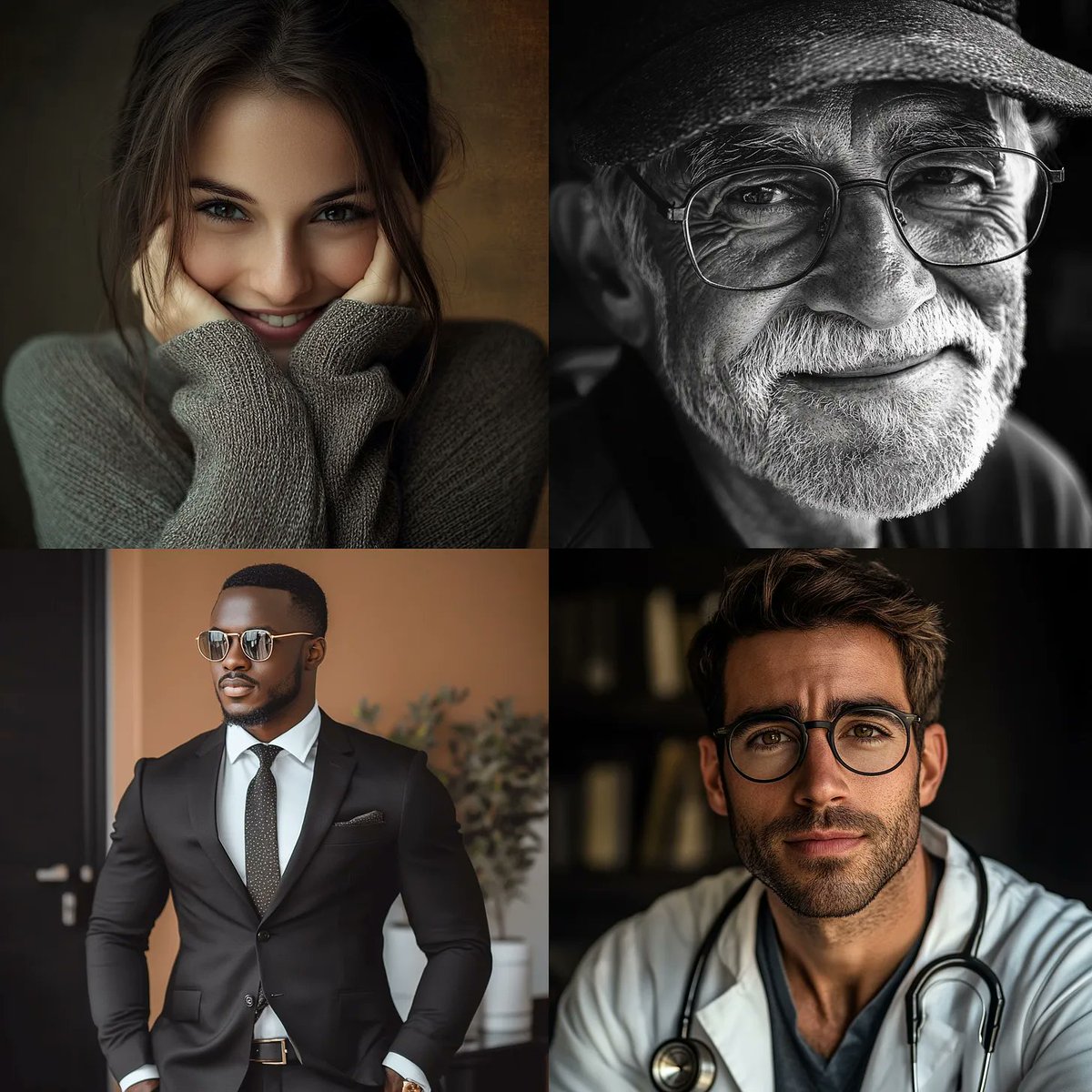
In Episode 10 of The OSINT Podcast, @jakecreps talks you through how synthetic faces generated by Nano Banana Pro passed every detector as fully human - and zooming in increased confidence scores.
Read more here: https://t.co/OXco2FU7fa
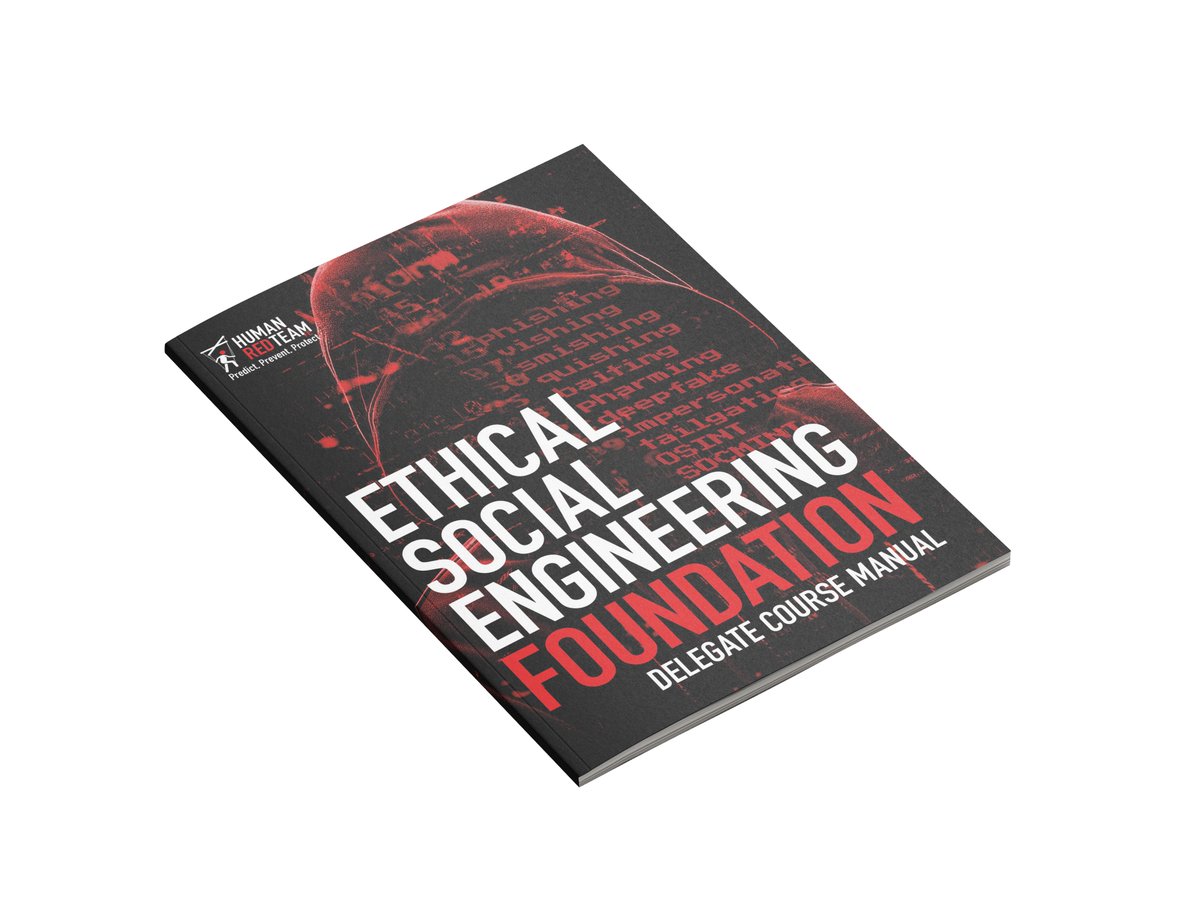
2026 Training Schedule Released: Ethical Social Engineering Foundation & @NCSC-Assured Advanced Courses.
Build practical, ethical social engineering capability - grounded in real-world scenarios and defensive outcomes.
Whether you’re strengthening your security education programme, sharpening your readiness, or developing internal testing skills, these courses are designed to make an impact fast.
✅ Foundation: Core principles, frameworks, and safe practices.
📅 Online delivery: 30 Mar, 04 May, 14 Sep, 12 Oct.
✅ Advanced (NCSC-assured): Deeper techniques, planning, engagement delivery, and reporting
📅 In-person delivery: 13-17 Apr, 01-05 Jun, 07-11 Sep, 26-30 Oct.
Train ethically. Think like an attacker. Defend like a pro.
Get in touch: https://t.co/DLzoo5IzPT
#CyberSecurity #SocialEngineering #SecurityTraining #RiskManagement #humanresilience
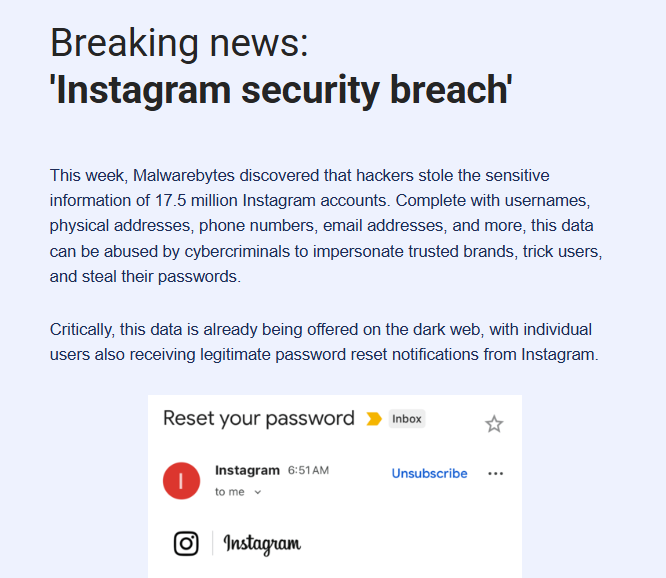
🚨Cyber Alert - Instagram breach exposes data of 17.5 million accounts
A major security breach affecting Instagram was discovered this week by Malwarebytes, revealing that 17.5 million user accounts were compromised.
The stolen data includes usernames, email addresses, phone numbers, physical addresses, and more.
The stolen data is already available on the dark web, and some users have begun receiving real Instagram password reset notifications, indicating active attempts to exploit the breach.
Source: https://t.co/BfcpXYyr7b
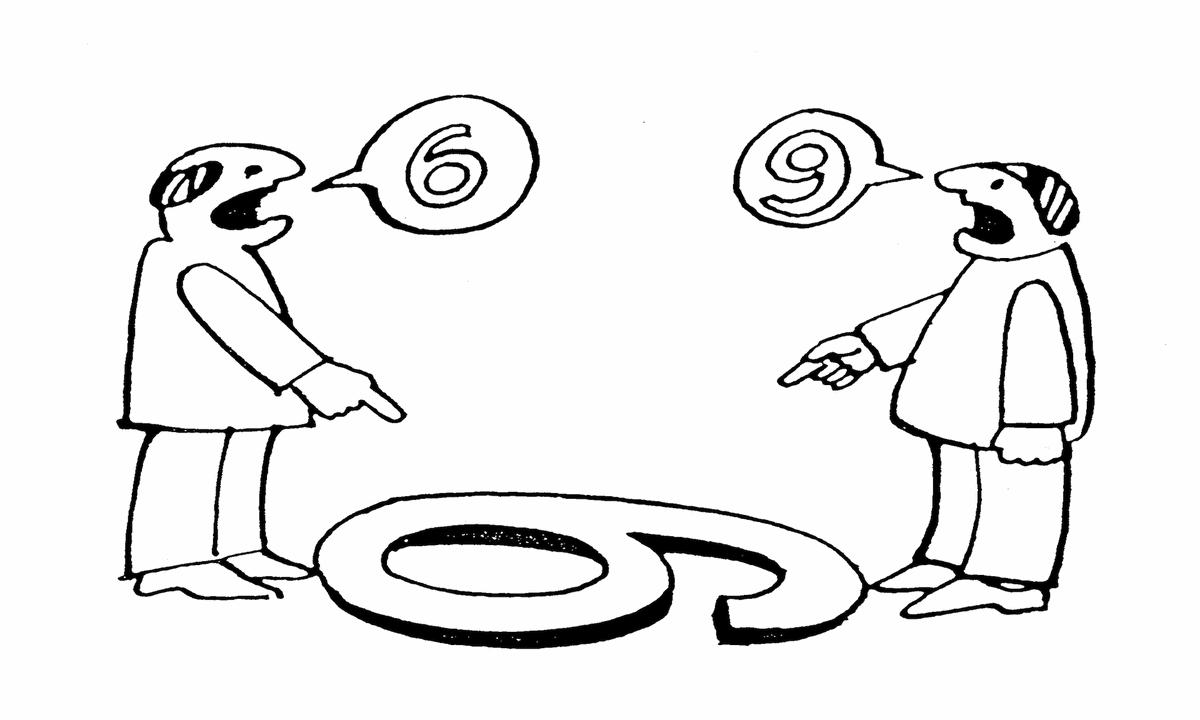
Yesterday, 3M people found my weird obsession with cognitive biases.
A "cognitive bias" is a systematic error in thinking that destroys decision-making.
7 more of the most powerful (and dangerous) cognitive biases I've found: 🧵
1. Confirmation Bias:
If someone wanted to get sensitive info from you without raising suspicion — who would they send?
A peer?
A panicked tech?
A clipboard intern?
A flattering exec?
We all have blind spots. This counter-elicitation drill helps you spot yours: https://t.co/Ikp3fiBROp