🚨❗ Results of the FIRST EVER trial comparing ultra-processed food (UPF) and minimally-processed food (MPF) diets following healthy dietary guidelines on health (and the longest trial of UPF to date) published today in Nature Medicine
What did we find?
A Thread… 🧵
1/
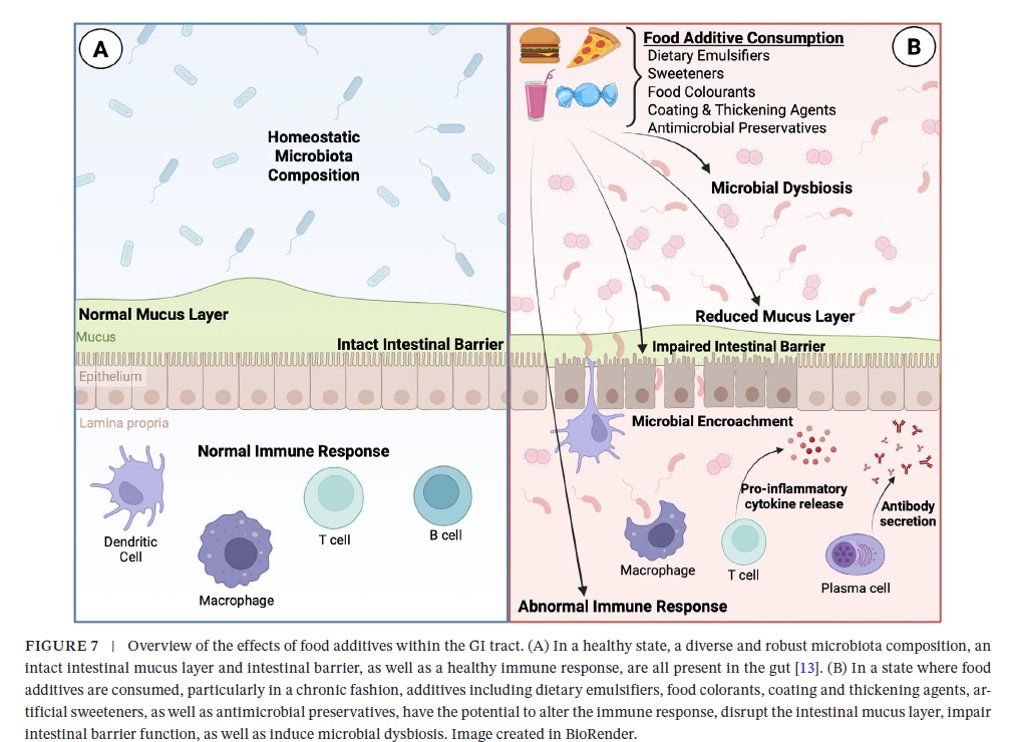
A solid review of how food additives common in UPFs impact gut health—especially their role in intestinal inflammation. Timely in highlighting the need for broader changes in food safety policy.
https://t.co/UFdvQk0QaP
It is with deep sorrow that IARC announces the passing of Professor Pierre Hainaut, former head of our Molecular Carcinogenesis Unit.
He will be remembered not only for his brilliant mind but also for the profoundly human spirit behind the science.
https://t.co/90SzABOTvJ
The end of an era in public health / prevention/ early detection of cancer. Truly a giant in the field, and one of the most humble, kindest people I've met. He will be missed
@IARCWHO@IARC_DIR@CancerGridIndia@WHO https://t.co/kfrl3AOvl5…
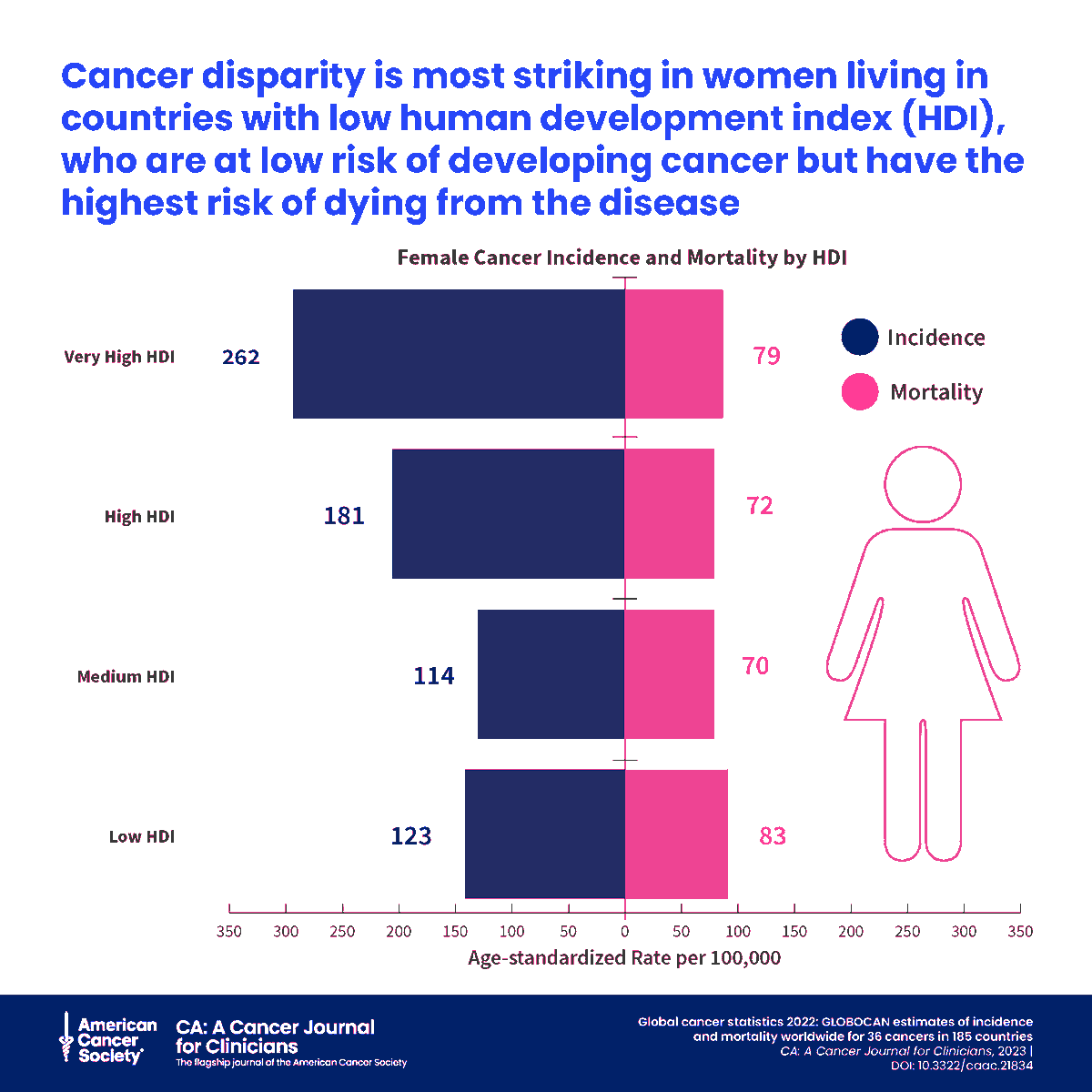
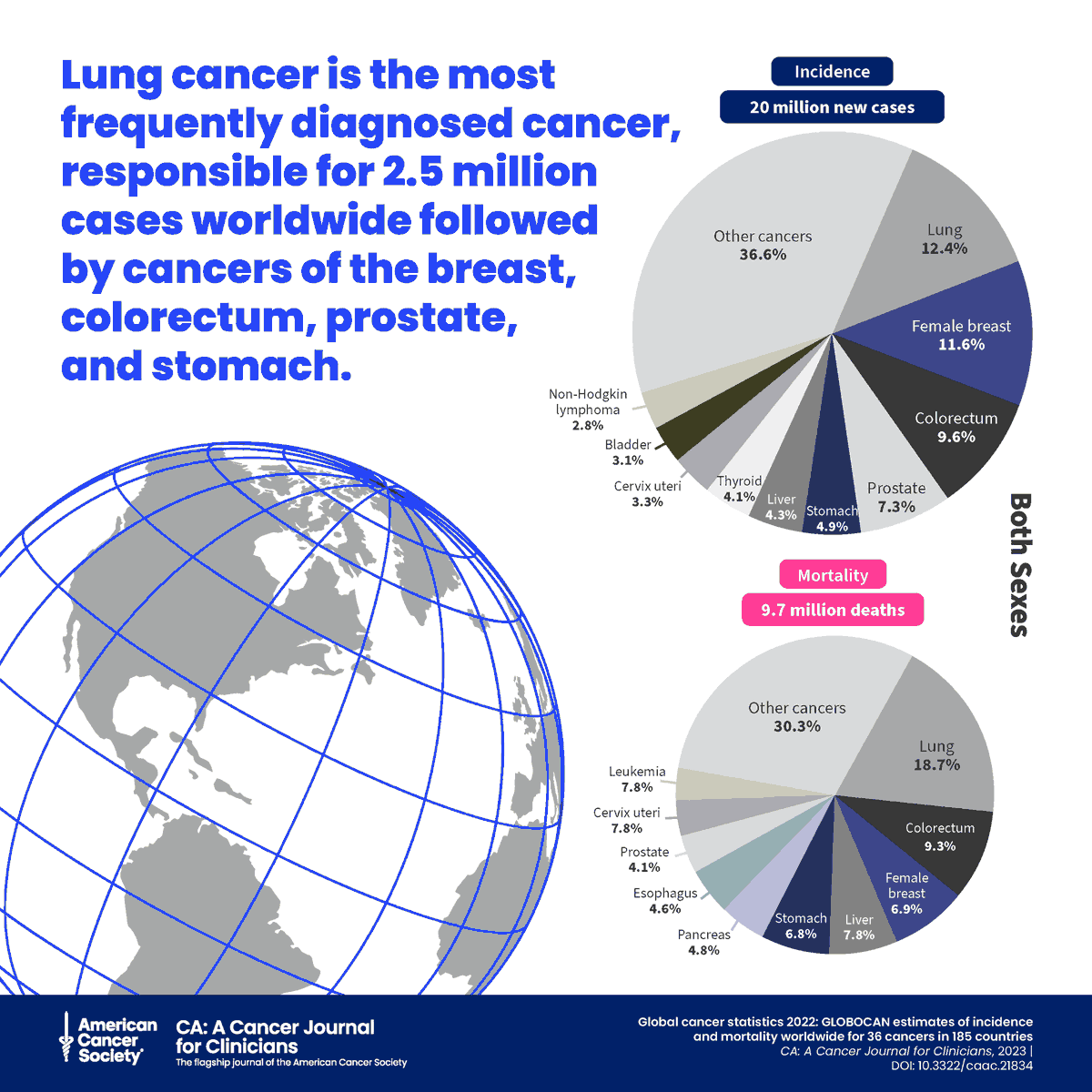
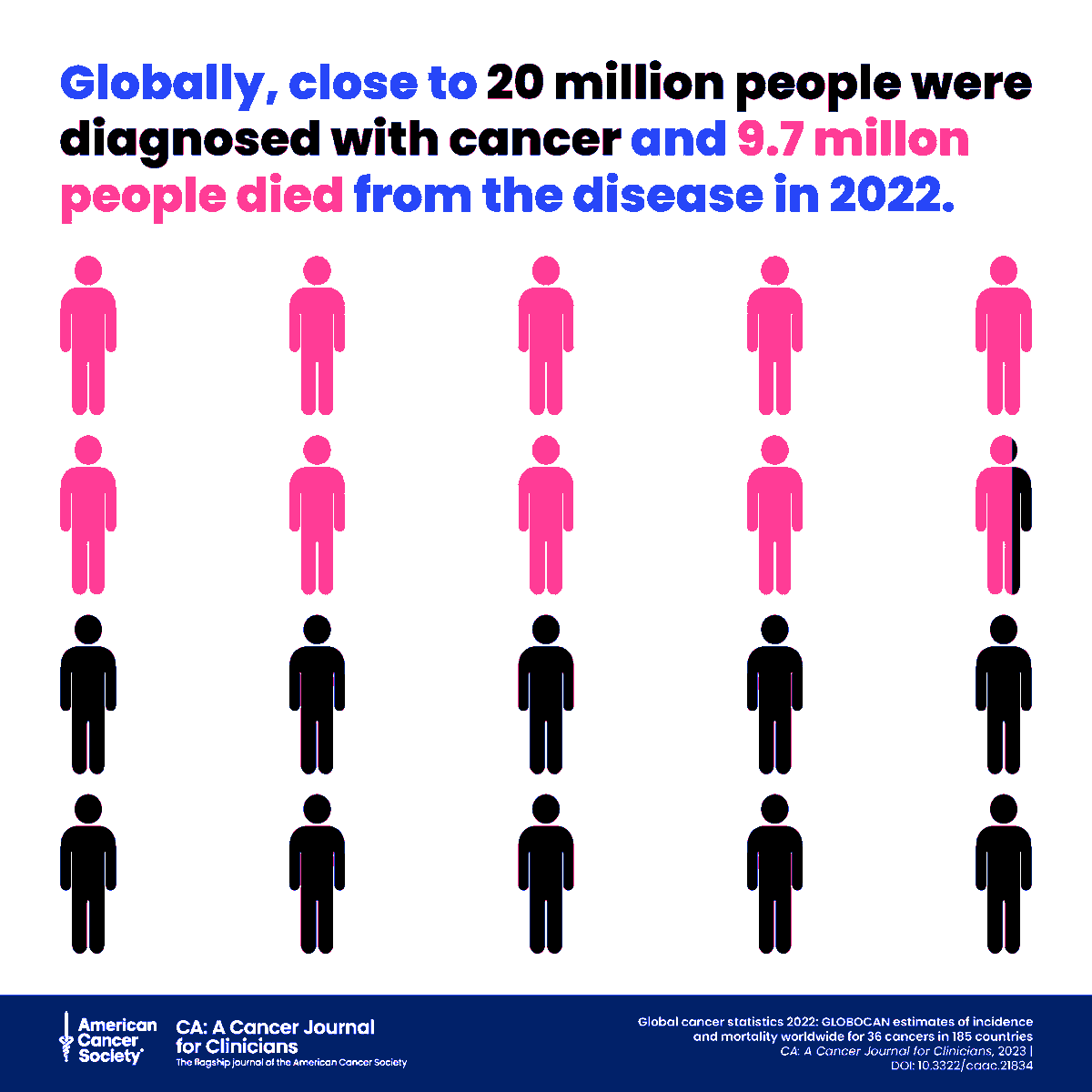
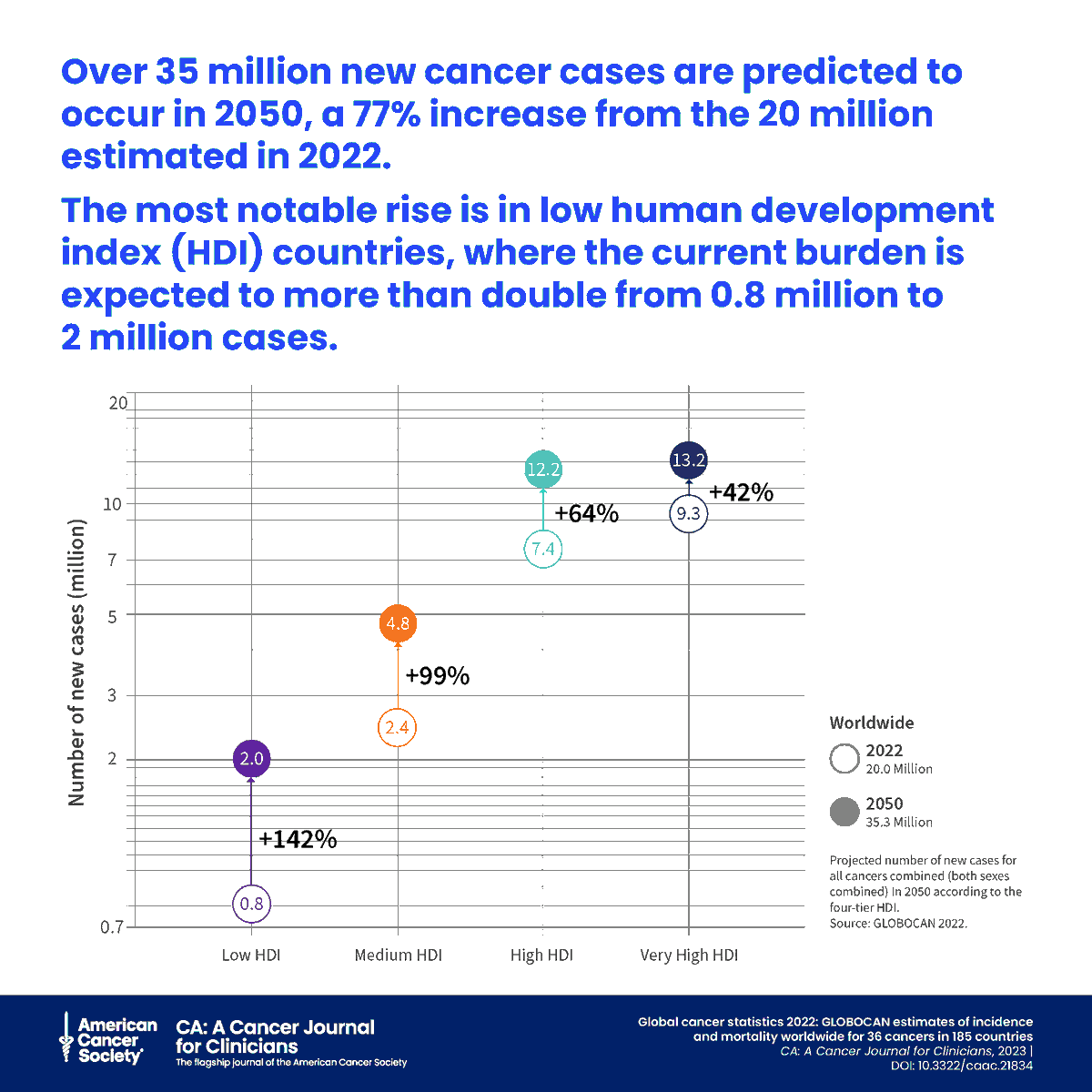
☀️ Summer stats check-in: Nearly 20M new cancer cases & 10 million cancer deaths occurred worldwide in 2022. By 2050, annual incidence could hit 35M, a 77% increase.
Analysis from @IARCWHO & @AmericanCancer urges targeted, global prevention:
https://t.co/bsCqp2Y12L
@OncoAlert
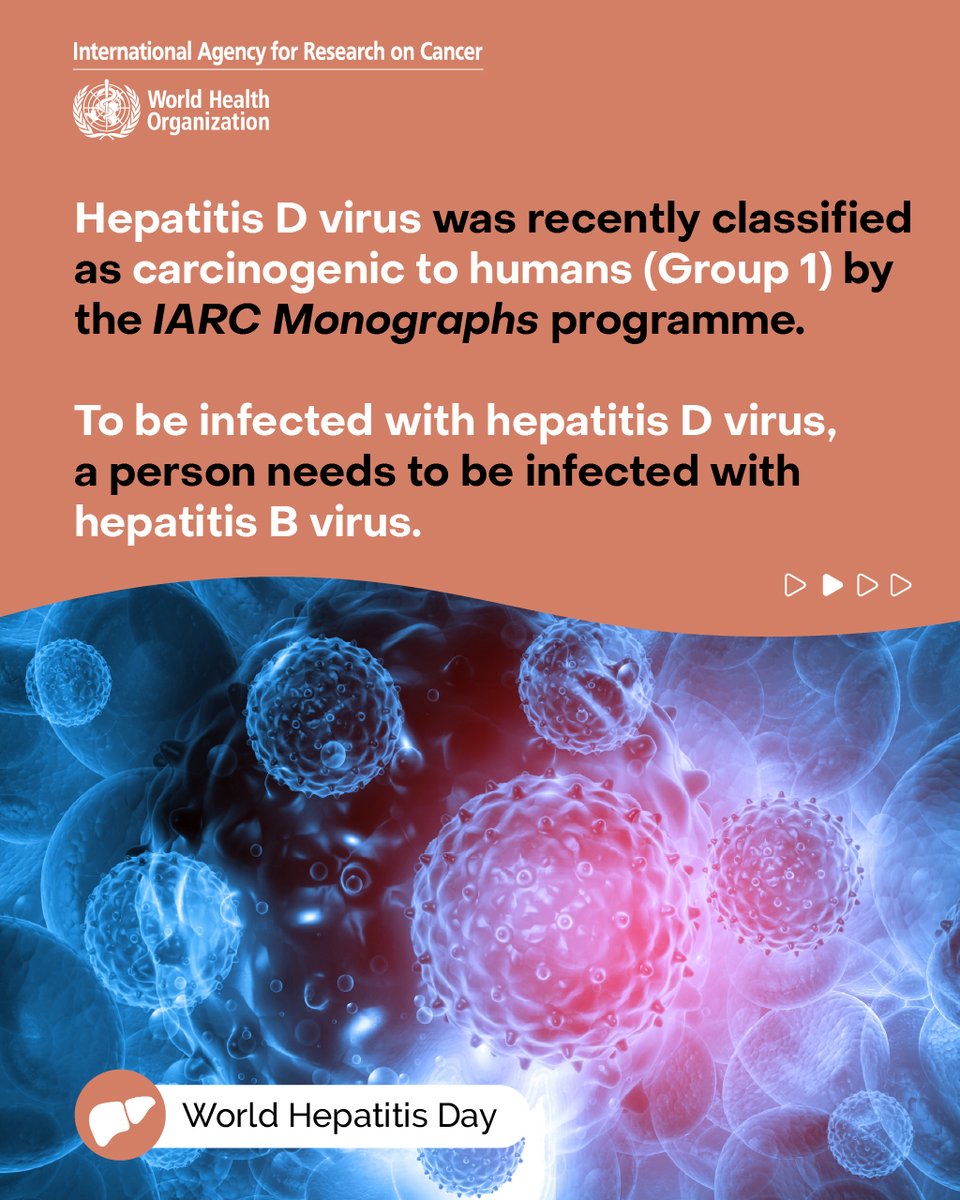
Chronic infection with viral hepatitis kills about 3500 people every day.
#WorldHepatitisDay
IARC & @WHO call for urgent action to dismantle the financial, social & systemic barriers – including stigma – to #hepatitis elimination & #LiverCancer prevention. https://t.co/Kncl66MtCE
Resistance Training and Mortality Risk: “This systematic review and meta-analysis provides the strongest evidence to date that resistance training is associated with reduced risk of all-cause, cardiovascular disease, and cancer-specific mortality” https://t.co/iZ45WS0t6U
IARC & @AmericanCancer launch The #Cancer Atlas, 4th Ed, a landmark publication to shape strategies across the cancer continuum!
The Atlas draws on IARC's work to give an overview of cancer burdens, risk factors, & proven measures for prevention & control https://t.co/xepxvOZsSt
In a 🆕 video, Dr IARC’s @Lyonpaul Brennan presents the latest findings which may explain why #ColorectalCancer is rapidly 📈 in young adults.
Watch & learn what the team found, how they found it, & what it may mean for cancer prevention & early detection.
https://t.co/vtELAqQAum
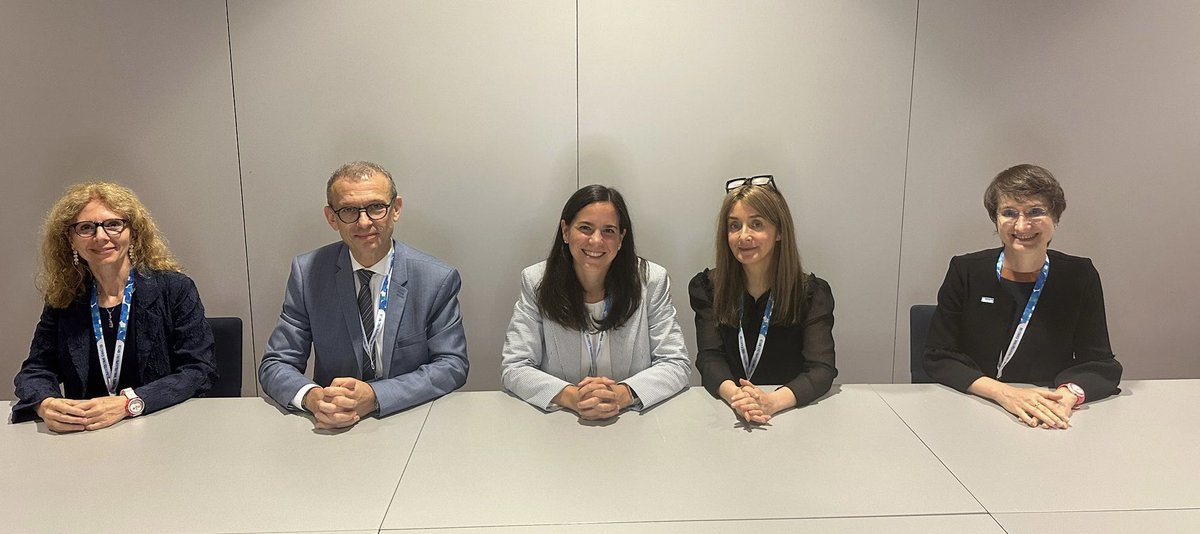
Thank you to all the panelist for joining me during this #PressBriefing at @myESMO#ESMOGI25
Highlighting the main hot topics of the conference of its wider spread to the public
🛟Prevention
💊New therapies
🫂Relevance of quality of life
⌚️Digital oncology
#ESMOAmbassadors
The monograph on #talc⚪️, the 1st monograph in IARC Monographs Volume 136: Talc & Acrylonitrile, now available online.
This monograph was accelerated in response to public health demand.
Full volume expected out in coming months.
Visit the Vol 136 webpage:
https://t.co/Pl3zVV1g4r
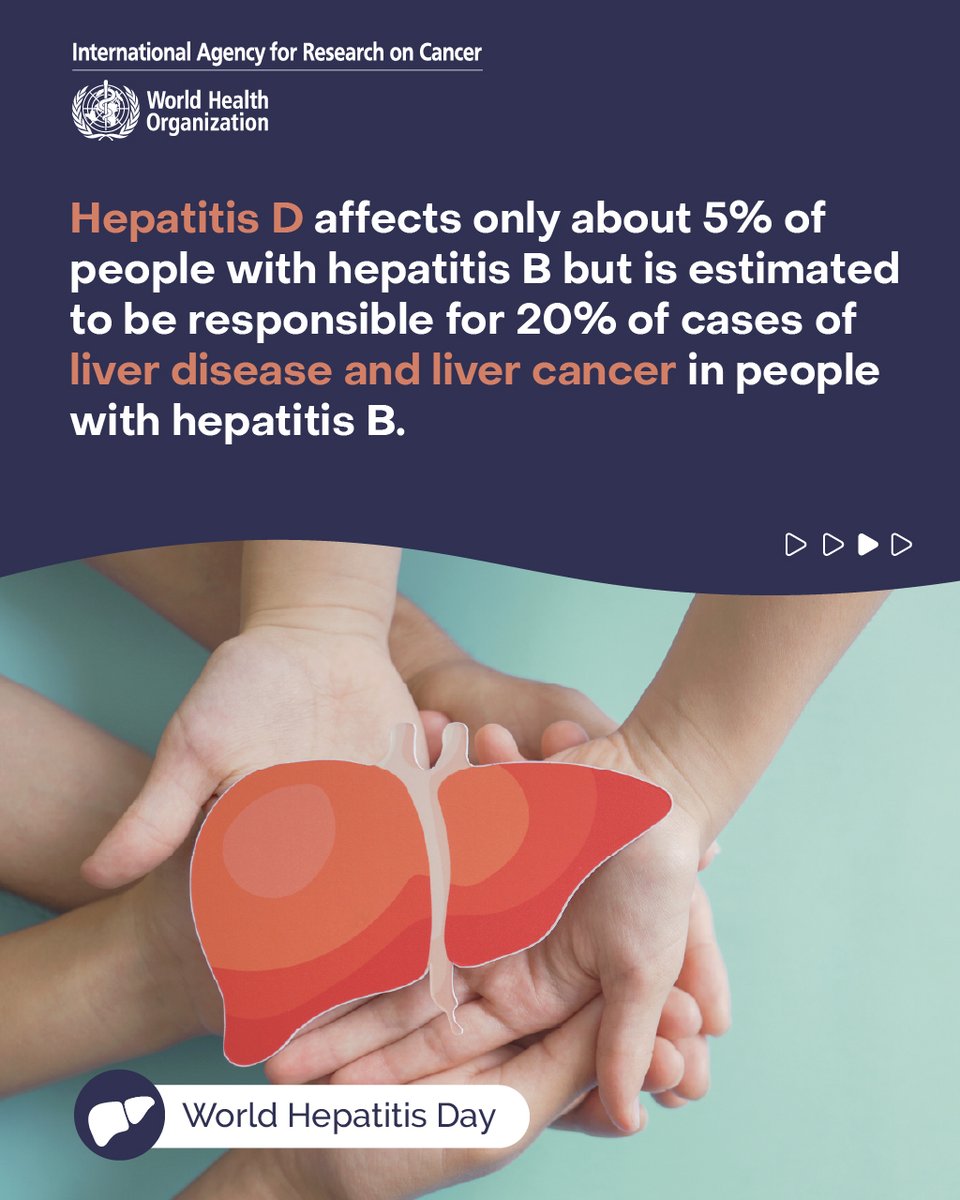
IARC has evaluated the carcinogenicity of #hepatitis D virus #HDV, human cytomegalovirus (HCMV), & Merkel cell polyomavirus (MCPyV). Outcome is published in a summary article in
@TheLancetOncol.
Full assessment to be published as IARC Monographs📙 Vol 139 https://t.co/Gyuq168SUM
A new Spanish translation of the User’s Guide to Essential TNM, Guía del Usuario TNM Esencial, is now available from IARC.
This publication presents a simplified system that enables cancer registries to assign #cancer stage at diagnosis.
https://t.co/v8I0RGdWMk
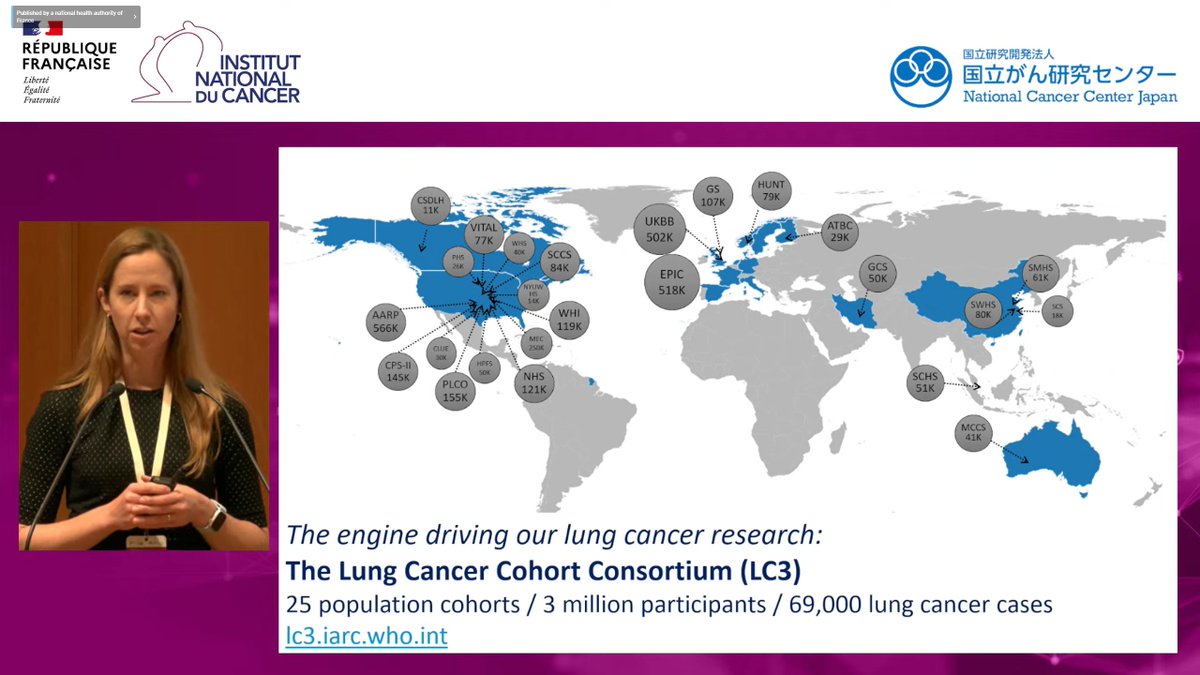
"#LungCancer has the epidemiological fingerprint of a 'screenable' cancer type"
IARC's Dr @hilaryarobbins presented at the #G7Cancer Conference on Poor Prognosis Cancers, organized by @Institut_cancer and NCC Japan in #Paris, with @IARC_Dir & other IARC scientists in attendance.
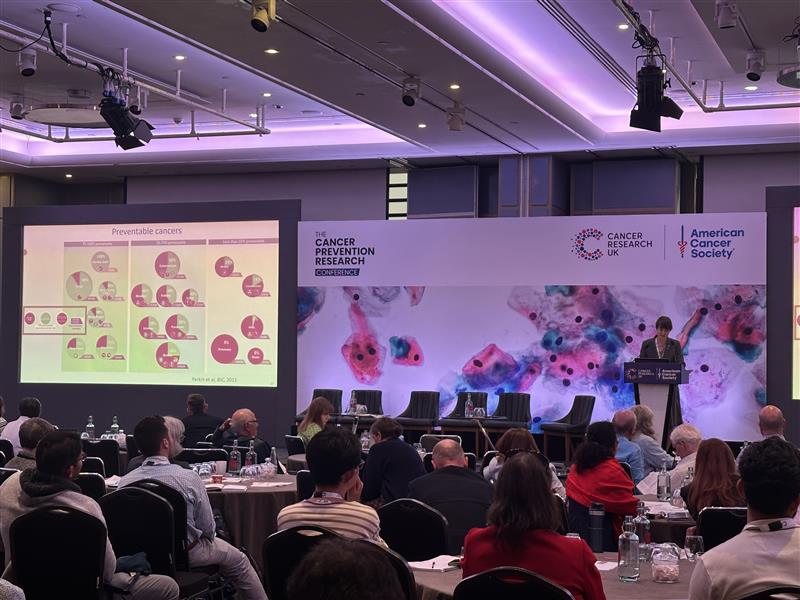
A wonderful final keynote talk from @IARC_DIR highlighting the impact of cancer and the real need and opportunity for cancer prevention. A call to action for this engaged audience and beyond! #PrevConf25
"Predictions indicate that the annual number of 🆕 cases of #cancer will reach 35.3 million by 2050.
That is a 7⃣7⃣% increase over the estimate for 2022.
[...]
The greatest increases are predicted in low-& middle-income countries."
@IARC_Dir Dr Elisabete Weiderpass at #PrevConf25