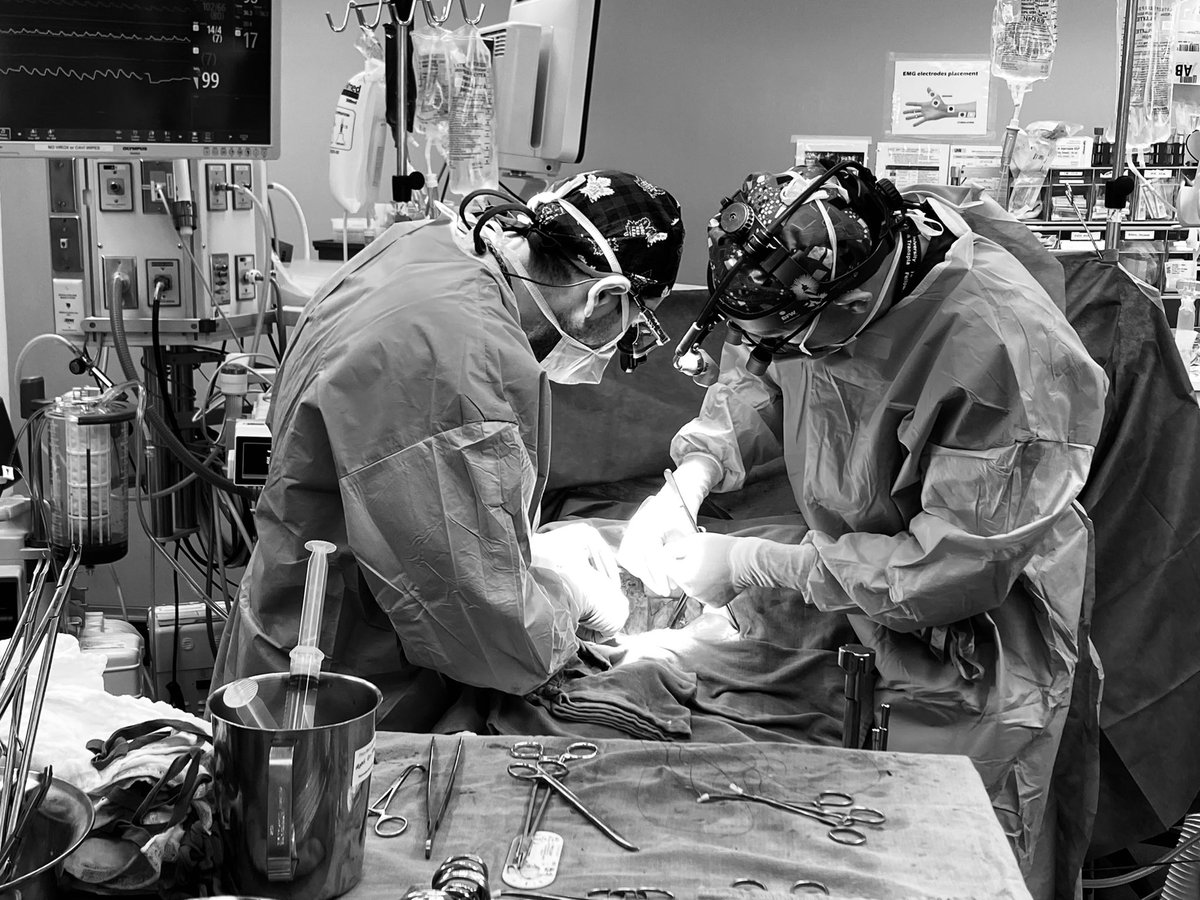
@agtruesdell I just use everything that comes in kit, take a look with US, mark spot, clean, then go parasternal or apical approach blind, enter, so bubbles with echo tech taking pictures subcostal, confirm, dilate, place drain
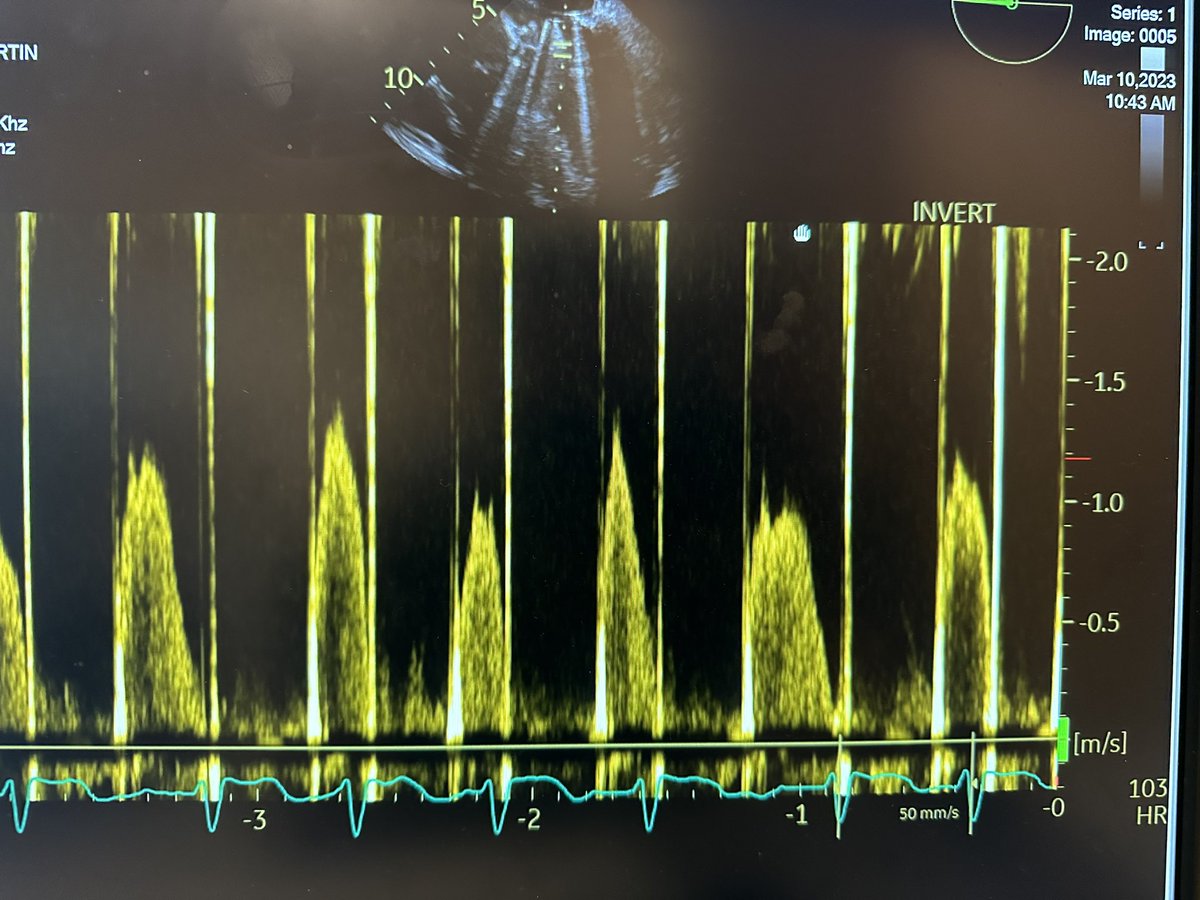
Thoughts? 50 yo M with hx of afib & s/p On-x MVR 2016, unknown size, admitted with afib RVR and newly depressed LVEF 35%, clean cors, PCWP 30, LVEDP 10. TEE without obvious thrombus/pannus. Mean gradient 7.5, PHT 61, peak E 1.6. HR 110 during TEE.
Fluoro showed decreased leaflet movement of one leaflet. Is there significant prosthetic stenosis? Control afib / cardiovert and everything will get better? Lysis protocol?
First solo PCI as an attending, NSTEMI RCA culprit, took 2 hrs with IVUS, guideliner, IVL and a Megatron stent post dilated to 5.0. Tortuousity and calcium made things tough. Things I learned, use a more supportive wire earlier on. #scai#CardioTwitter
@FiedlerAmy@purviparwani@UCSFCTSurgery@UCSFCardiology@HeartUCSF@UCSFSurgery@tomcnguyen as mentioned above by OP, the patient gave permission, the phone is held by someone not involved in the sterile field, yes it’s the OR but that doesn’t mean they aren’t paying attention or being safe. There are times that you can safely take a “breather” in the OR.
[1] #Hemodynamics Tweetorial #2
Heart failure pt in ICU is -3.5L after 2d of aggressive diuresis. On day 3, urine output is ⬇️and BUN/Cr is ⬆️
You personally wedge #PAC at bedside and obtain a mean wedge 17 mmHg (a normal mean wedge is 6-10 mmHg). Admission wedge was 24




![FSotoMD's tweet photo. [1] #Hemodynamics Tweetorial #2
Heart failure pt in ICU is -3.5L after 2d of aggressive diuresis. On day 3, urine output is ⬇️and BUN/Cr is ⬆️
You personally wedge #PAC at bedside and obtain a mean wedge 17 mmHg (a normal mean wedge is 6-10 mmHg). Admission wedge was 24 https://t.co/uCviL2SL9n](https://pbs.twimg.com/media/Feq1bgWWYAEEcQs.jpg)