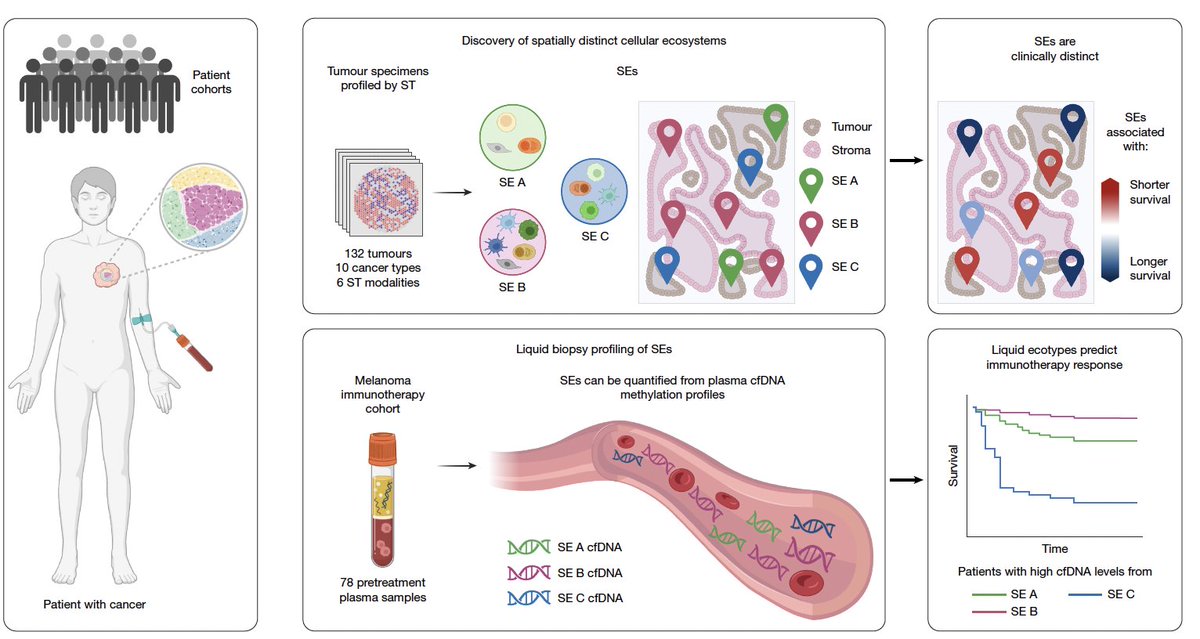
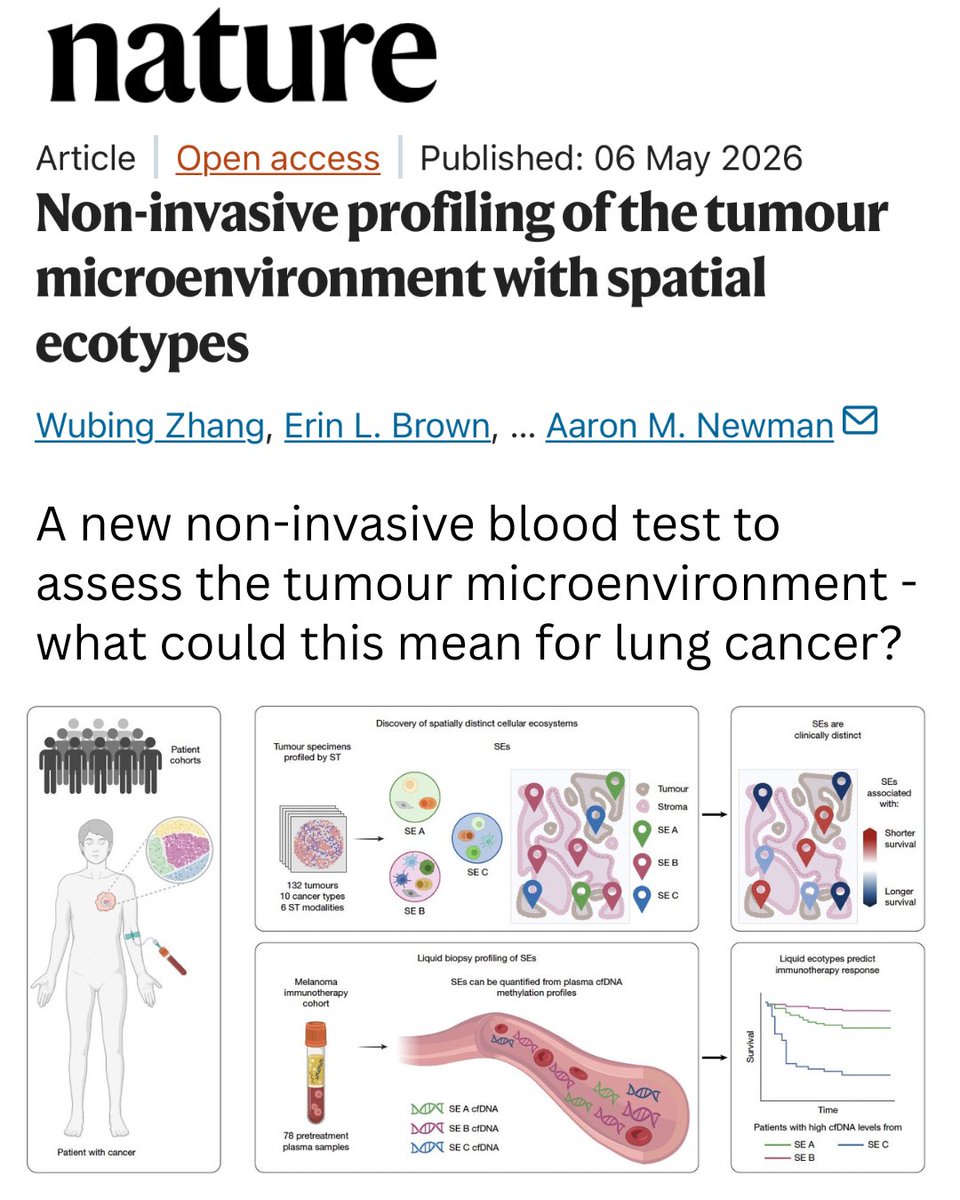
We've known how important the tumor microenvironment is for cancer progression and treatment, but we never had a non-invasive blood test to assess it. Today, as reported @nature, one has been discovered https://t.co/rDaF5YUwTq
A new study in Nature explores whether the tumour microenvironment could be profiled less invasively - & is being described by leading researchers as a significant step forward.
Researchers mapped patterns in how immune & cancer-related cells organise around tumours across several cancer types, incl. #lungcancer.
Understanding this usually requires tumour tissue, which can be hard to obtain & impractical to repeat over time.
This early research suggests blood-based approaches may one day give a wider view of what’s happening around a tumour - pointing toward more precise, less invasive ways to guide treatment. #LCSM
https://t.co/YuwEte5plH
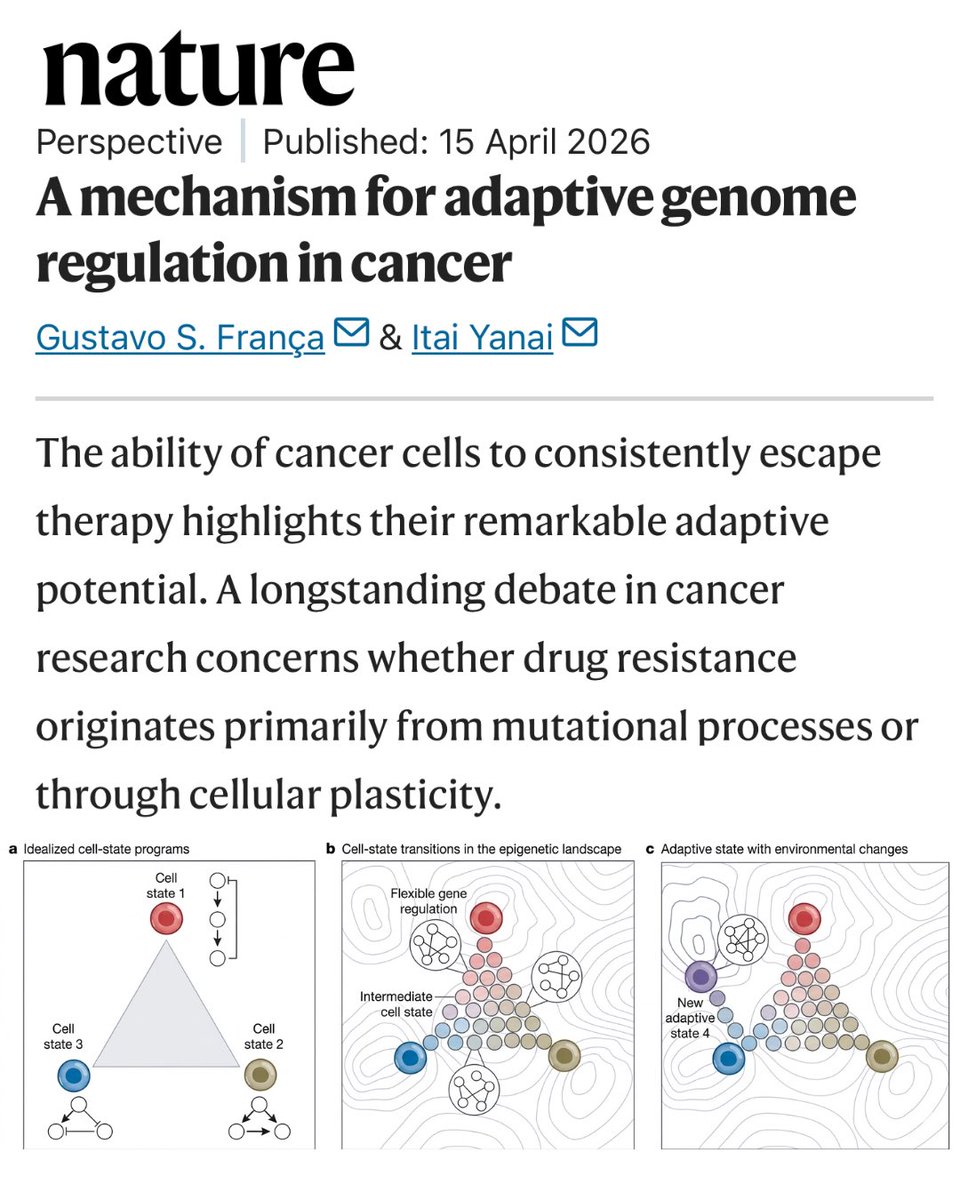
New research in Nature suggests cancer cells can learn to resist therapy, not by mutating, but by reprogramming themselves.
In #lungcancer, resistance to targeted treatments is a significant challenge. Understanding how this happens is an important step in the search for better treatment
🔗 https://t.co/RvSA6FljUj #LCSM
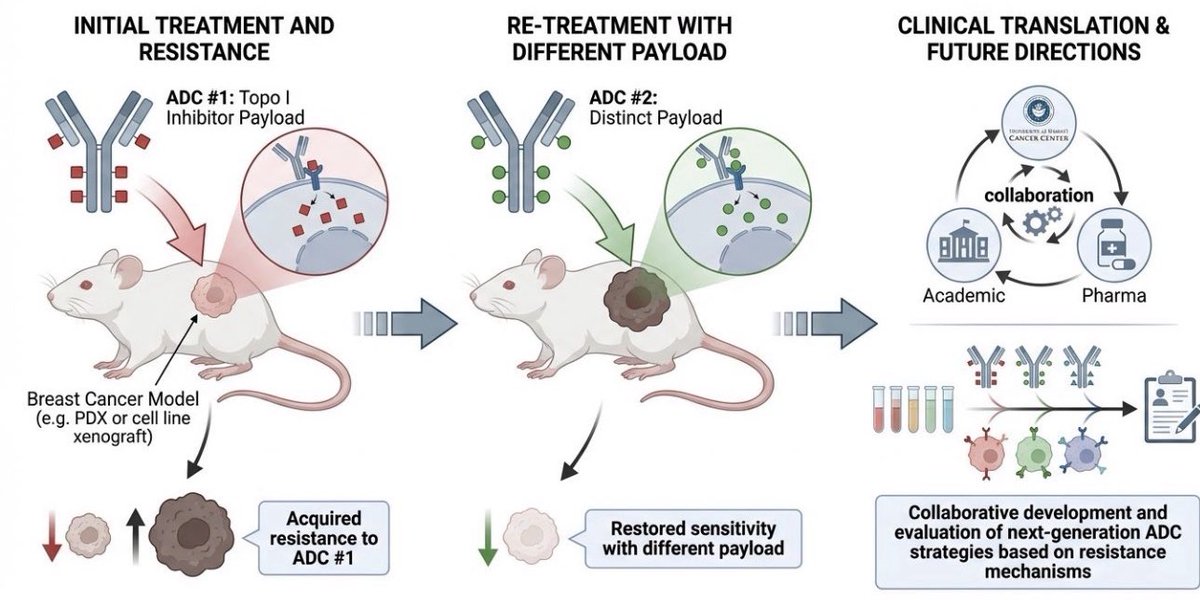
Tumors resistant to one ADC can regain sensitivity to another ADC with a different payload.
Our work shows payload choice—not just target expression—may extend clinical benefit in breast cancer. No evidence that sequential of FDA approved drugs are beneficial in the clinical setting.
https://t.co/WOquXHML7i
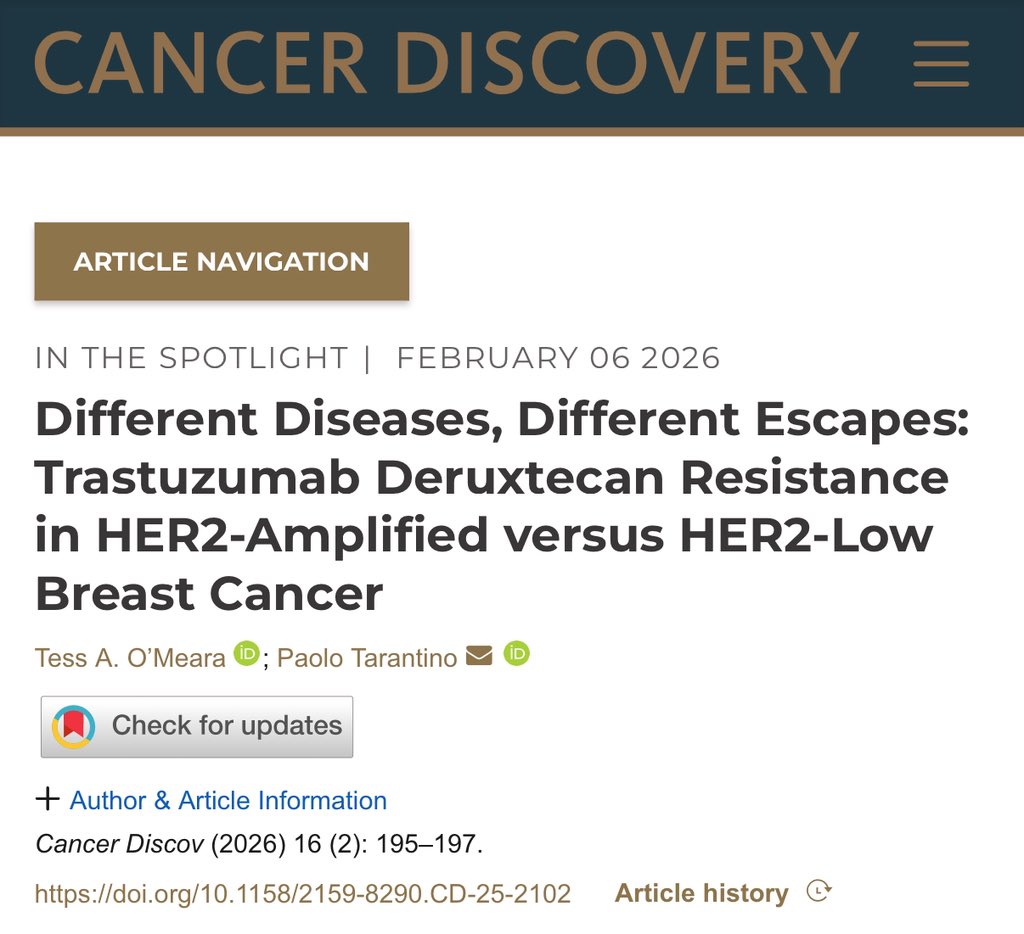
T-DXd resistance mechanisms are complex, heterogenous, context-dependent. In our Spotlight piece just published in @CD_AACR, @tess_omeara and I comment on recent findings, highlighting potentially different paths to resistance in HER2+ and HER2-low MBC. https://t.co/aObv7DjzEw
DESTINY-Breast09, PATINA, HER2CLIMB-05… how to put it all together? How to treat HER2+ MBC in 2026? Nice Bridging the Gap piece by @ValenzaCarmine providing a framework for integrating the multiple new frontline option for HER2+ disease.
https://t.co/ehcz3RuEhn
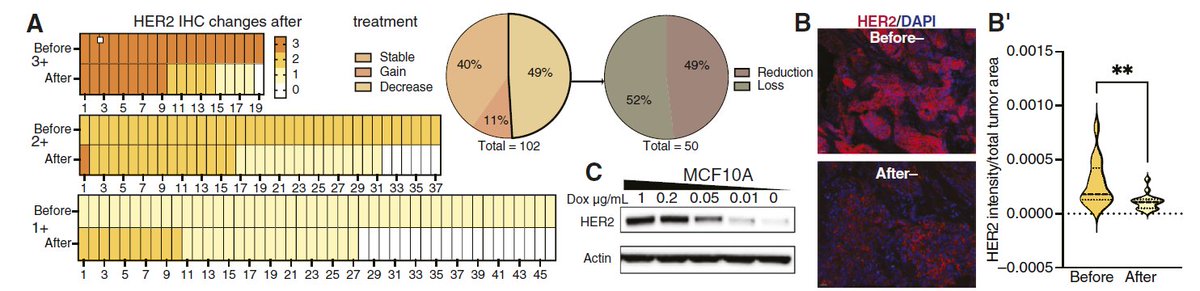
🧬🛡️ HER2-low tumors escape HER2 ADCs by losing the target
• True HER2 loss is uncommon in HER2-amplified disease but frequent in HER2-low, where HER2 isn’t oncogenic
• On HER2 ADC therapy, ~50% of tumors reduce HER2; among reducers, ~half become IHC 0
• Reduced HER2 → impaired ADC internalization, not payload resistance
• ERBB2 ECD variants disrupt antibody binding and phenocopy antigen loss
• Suggested strategy: multi-target payload delivery to bypass target dependence and improve durability
https://t.co/fAFUEr3V3p
New perspective in @NatureRevCancer
Defining precancer: a grand challenge for the cancer community
https://t.co/ApQjyCiElC
From @theNCI Precancer Think Tank Team, we hope the article provides researchers with a framework to start addressing key topics in preneoplasia research.
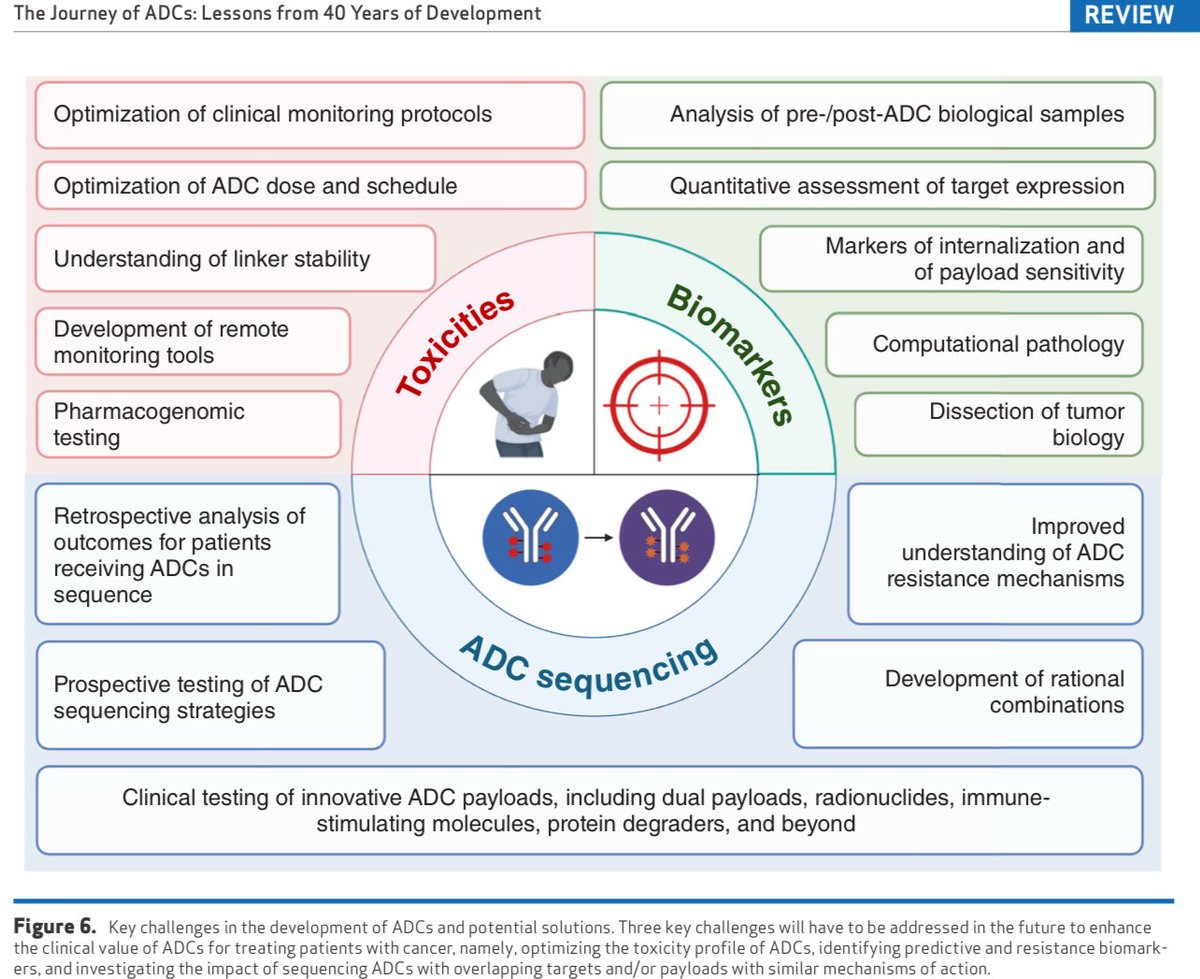
What happens to an ADC after its infusion? How does it interact with tumor & immune cells, what causes response & resistance? Take a deep dive in the molecular world of ADCs though our last review, led by @AlfredZippelius and published in @NatureRevCancer. https://t.co/oF1cqtOe4p
ctDNA analysis of SONIA published on @NatureMedicine. 34% of the patients had high ctDNA before entering the study, and derived a PFS2 benefit from an early (first line) use of CDK4/6-inhibitors. Patients with low ctDNA, instead, derived no benefit. https://t.co/9DMLLo8lOn
🧵 CRP vs Procalcitonin – Inflammation vs Infection?
Both rise in systemic illness.
But they don’t speak the same language.
Let’s break down when to use CRP, when to trust Procalcitonin—and when both lie. 👇
@IhabFathiSulima @DrAkhilX @Janetbirdope@emcrit@andrewsuleh@Lupusreference #MedTwitter
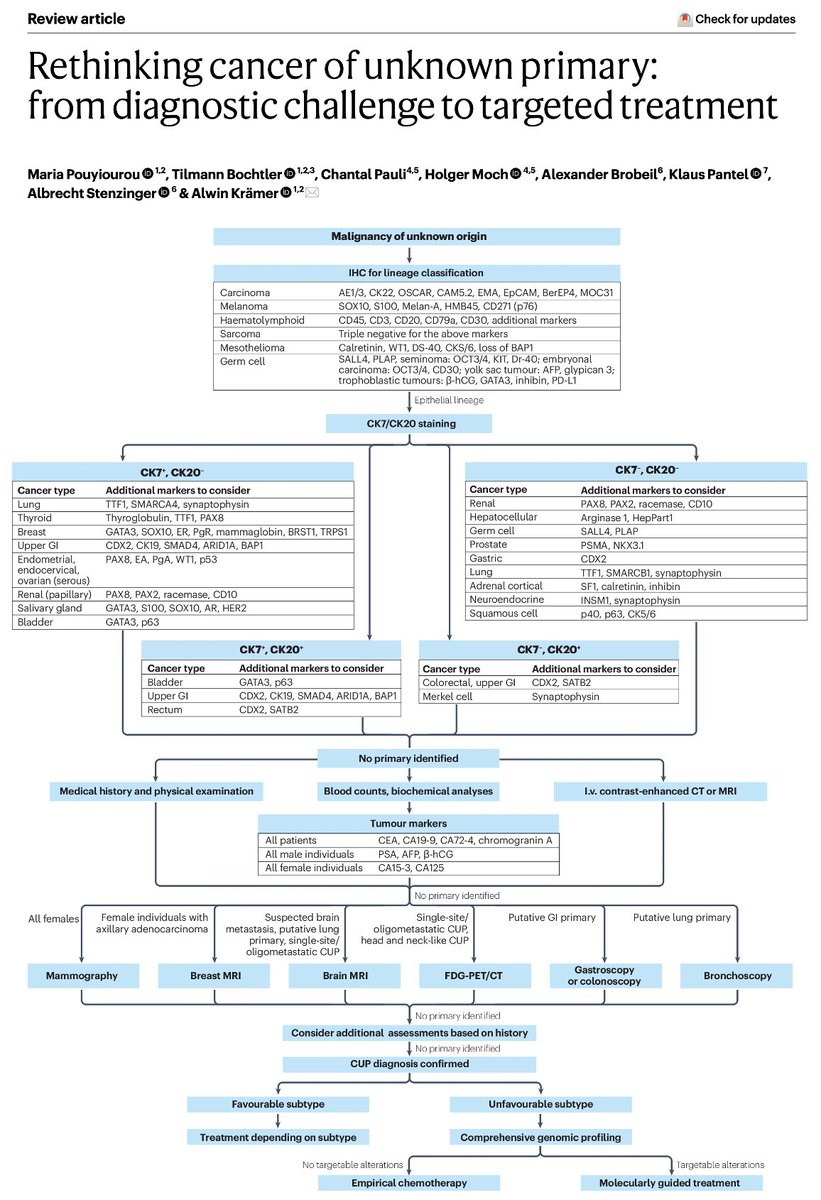
Excellent review in @NatRevClinOncol📣🌟
An integrated algorithm for Cancer of Unknown Primary diagnosis & treatment combines histologic morphology, IHC, gene expression profiling & genomic sequencing, establishing a new therapeutic paradigm.
https://t.co/GsDZ6ysPcw @OncoAlert
Multiple ADCs have outperformed chemo for treating mBC. Yet their most transformative impact is expected in the curative setting. DB11 will report at #ESMO25 & much more is coming. We review the field in our latest NPJ Breast review, led by Pooja Patel. https://t.co/PgzaEPWqu3
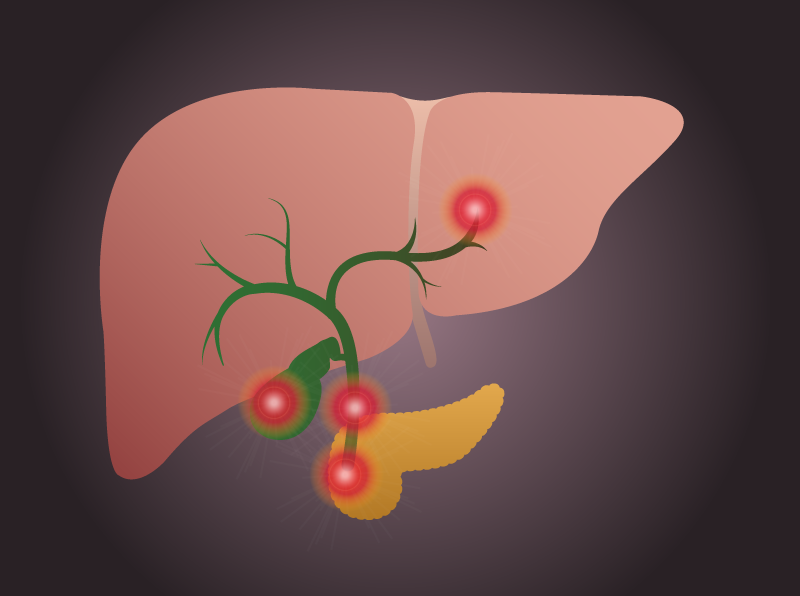
A new cell line atlas of biliary tract cancers uncovers new subtypes and potential drug targets for better treatment of these deadly diseases. Learn more: https://t.co/CIubxKAVMp
@MGBResearchNews@targetcancer