Happily sharing our recent publication with you:
IFN-γ lowers tumor growth by increasing glycolysis and lactate production in a nitric oxide-dependent manner: implications for cancer immunotherapy https://t.co/Rp2UWWWZxX @iiscbangalore#Immunotherapy#CancerResearch
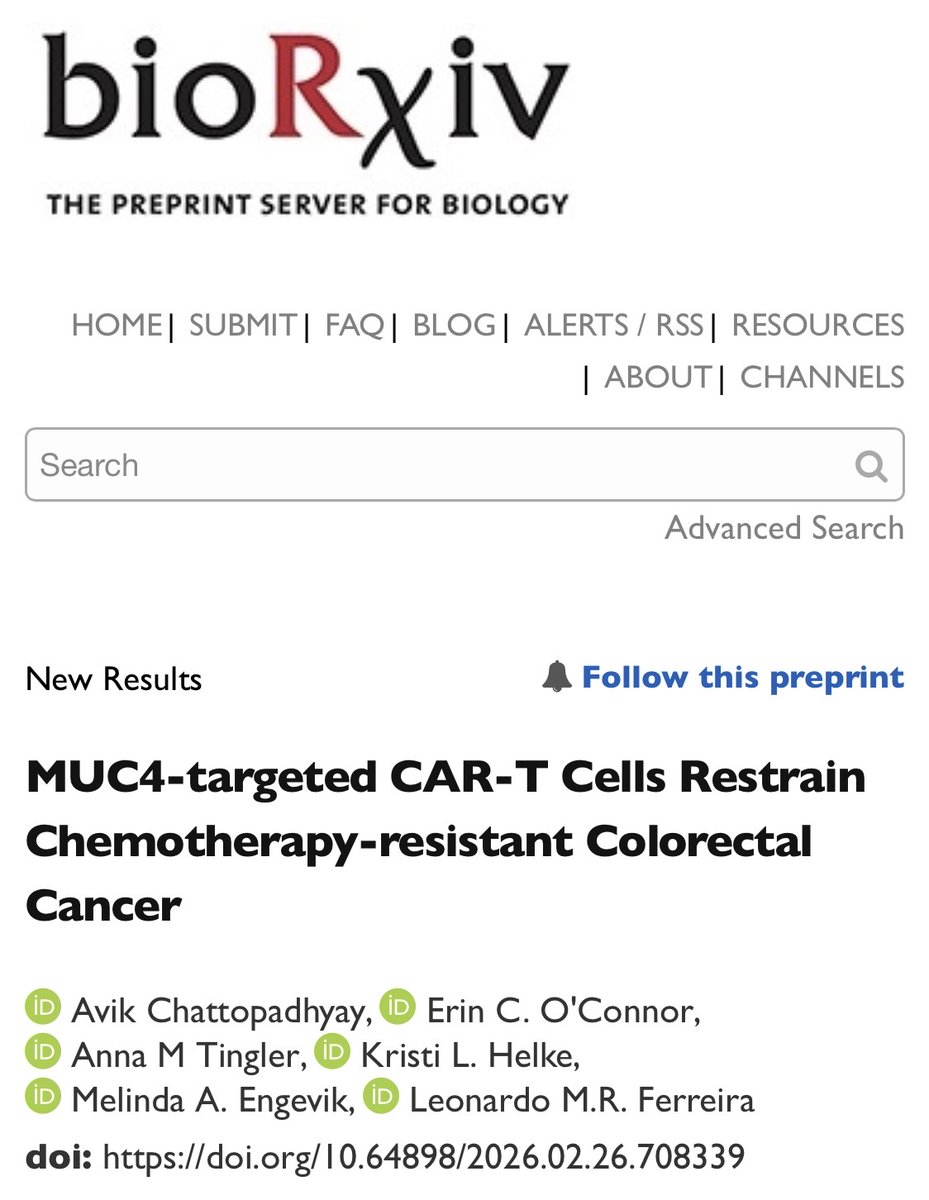
Starting the month right with a new preprint! We’re developing a CAR T cell therapy for chemotherapy resistant colorectal cancer! #immunologymatters
https://t.co/li6cIZfUIj
A kaleidoscope of Interferon-gamma signaling: from changes in nicotinamide metabolism, through protein–protein interaction networks, to disease associations.
Experience Interferon-gamma signaling like never before!
@iiscbangalore
https://t.co/Ce5OiVLEdl
Understanding the difference between Standard Deviation (SD) and Standard Error (SE) is crucial for accurate data interpretation. SD measures the variability within your data, indicating how spread out the individual data points are from the mean.
In contrast, SE measures the uncertainty around the sample mean as an estimate of the population mean. It reflects the precision of the mean, with SE decreasing as the sample size increases, making your estimate more reliable.
The relationship between SD and SE is given by the formula: SE = SD / √(sample size). While SD remains relatively constant with larger samples, SE diminishes, highlighting the reduced uncertainty in the mean estimate.
A common mistake in research is using the “±” notation without specifying whether it refers to SD or SE, leading to potential misinterpretation of the data. Clear distinction is essential for transparency and accuracy in reporting.
Key Takeaways:
• Use SD to describe data variability.
• Use SE to indicate the precision of the mean.
• Always specify which measure you are reporting.
Researchers at IISc have developed a fluorescence-based technique to distinguish between antibiotic-sensitive and antibiotic-resistant pathogens, with high accuracy.
https://t.co/GAdJc50kLH
#IIScresearch
After a lot of effort, and multiple rounds of improvement, this work, forming the main part of my Master’s Thesis at IISc in the lab of Prof. Dipankar Nandi @DipankarNandi97 , is finally out.
A brief thread - (1/n)
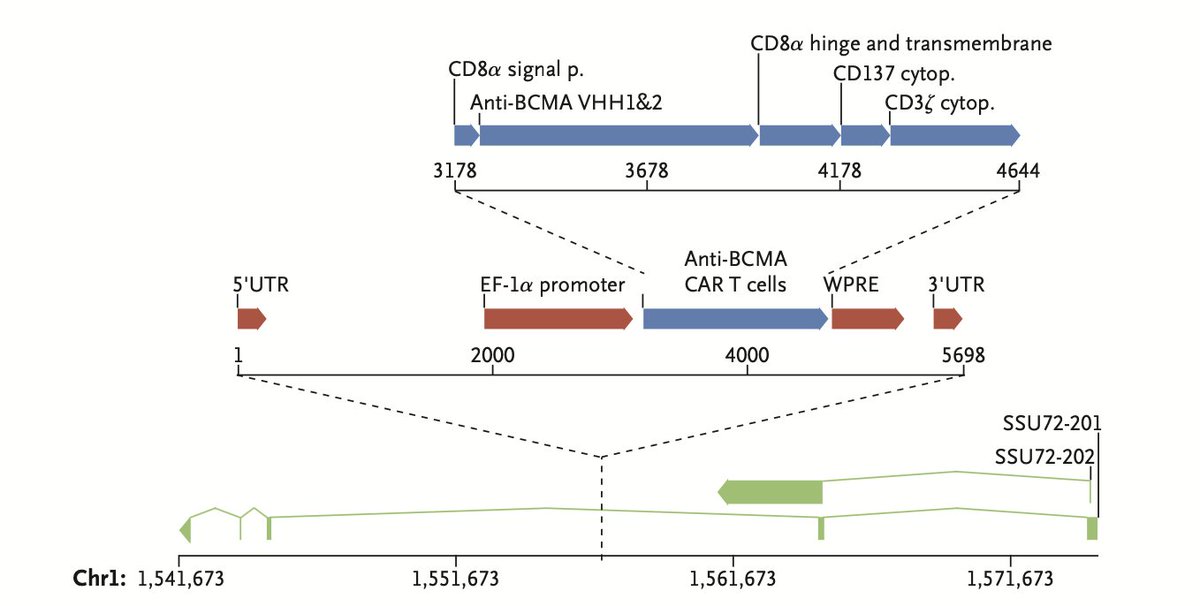
CAR T cell-derived lymphoma found in a patient! A timely, careful, and intriguing case report @LombardiCancer@Georgetown in the New England Journal of Medicine @NEJM that leaves us with more questions than answers.
https://t.co/f0SVkWawgk
https://t.co/E0BkEHOEbm
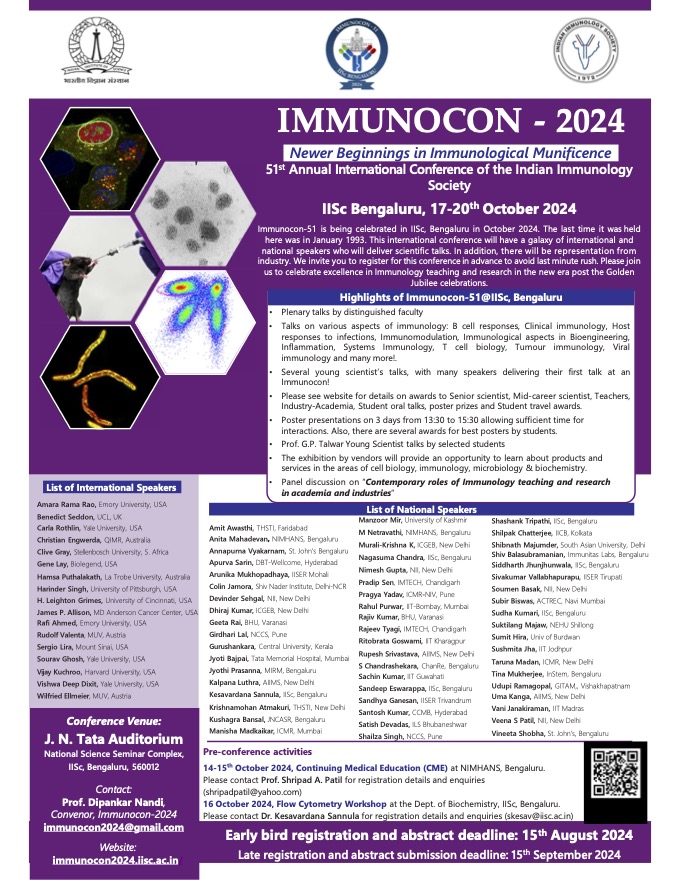
The 51st Annual International Conference of the Indian Immunology Society is taking place at IISc.
📆Dates: 17-20 October 2024
✍️Register and submit your abstracts here: https://t.co/80yp7VZwPO
🚨Deadline for abstract submission: 15 August 2024
#Immunocon2024
Our review on mitochondria and inflammatory diseases is out now. Is a break in the 2 billion year old endosymbiotic relationship with mitochondria a basis for RA, MS, IBD, asthma and more?
https://t.co/sFeOCVEmCa
https://t.co/Mohche7T3H
We are excited to announce the winners of Sun Pharma Science Foundation’s ‘Science Scholar Awards’ 2023. We hope this recognition encourages these young minds to pursue research as a career and commit themselves towards the advancement of science.
#ReachingPeopleTouchingLives