Led by co-first authors [@itskristinali ] & me in the [@AranyLab] at [@PennCVI] / Penn Medicine. Code + data are public (Zenodo). Preprint:
https://t.co/glqqQnoumG
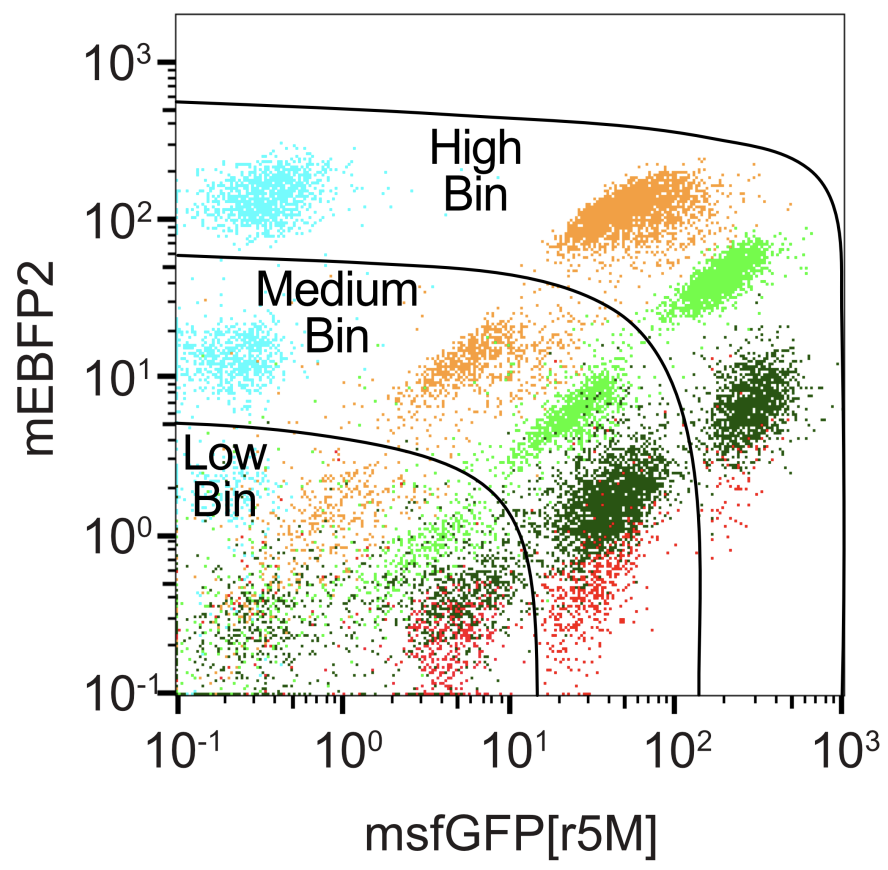
🧵New preprint! We built a way to run CRISPR functional genomics at scale directly inside the living mouse heart: in vivo compressed AAV-Perturb-seq. 585 gene knockouts, read out one cardiomyocyte at a time.
https://t.co/glqqQnoumG
We also flipped it: a combination of 41 gene perturbations reconstructs the failing right-ventricle transcriptome (r ≈ 0.6). Weights learned from mouse heart failure stratified human RV failure by severity with no refitting (ρ = 0.71).
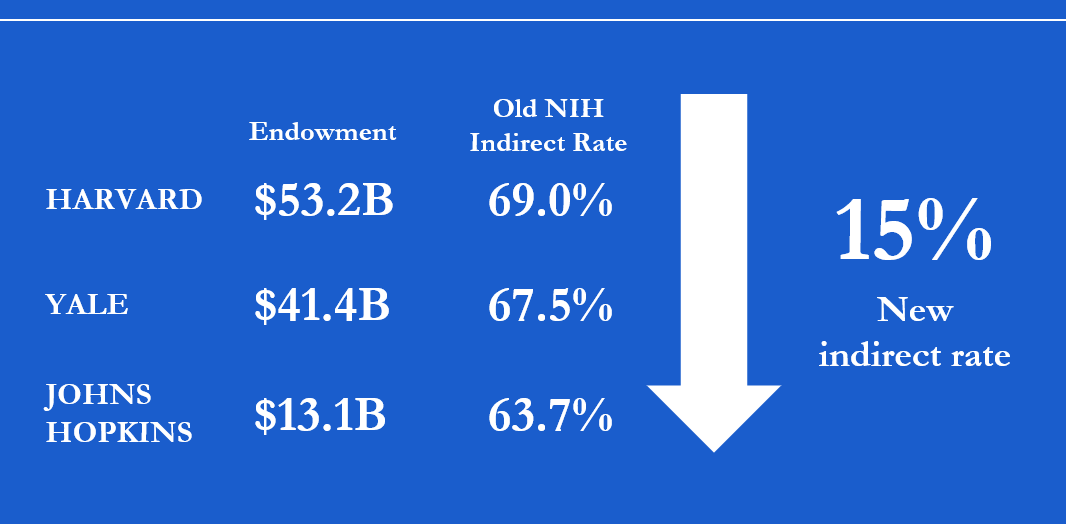
🧵 Many “hot takes” about the reduction of @NIH indirect grant costs to 15%.
Let’s lay out the facts about the university grant management process & accounting. And then use this to project likely short and longer term impacts of the policy.
Last year, $9B of the $35B that the National Institutes of Health (NIH) granted for research was used for administrative overhead, what is known as “indirect costs.” Today, NIH lowered the maximum indirect cost rate research institutions can charge the government to 15%, above what many major foundations allow and much lower than the 60%+ that some institutions charge the government today. This change will save more than $4B a year effective immediately.
Big #RegenerativeMedicine advance! New study demonstrates the use of iPSC-heart muscle to treat a patient with heart failure. The patches successfully engrafted, contributing to heart repair. Patient survived 3 months before receiving a heart transplant https://t.co/3jDbvl7NKo
Thrilled to see our paper published @Nature.
https://t.co/kg6fSuUeI1
This is a great teamwork with @JamesCranley who is my master of human heart!
Happy to be as a member of @teichlab, and thank you to Sarah, @NosedaMichela, and everyone who is around us.
Since the discovery of CRISPR-Cas systems, people have wondered if a similar type of system exists in eukaryotes. Today, we report in @Nature the characterization of Fanzor, a eukaryotic RNA-guided system that can be reprogrammed for human genome editing. https://t.co/aKLMMEBRkk
Can you express multiple genes from a single mRNA at programmable ratios without long intervening sequences or peptide overhangs? 🤔 Yes, with SEMPER! 😉 Congrats @mtduan, @ishaanjdev and coauthors on this new tech for mammalian synbio & gene therapy. https://t.co/iJgHuNmMR2
LOV-Turbo is published today in @naturemethods and plasmids for LOV-Turbo are available on Addgene, here:
https://t.co/fzZBUXfjQK
We hope many people will use LOV-Turbo in exciting new ways!
https://t.co/nl3wrGRku4
If you plan to use NanoLuc BRET to activate LOV-Turbo, please reach out, as we are engineering improved LOV-Turbo + NanoLuc variants with higher BRET efficiency.
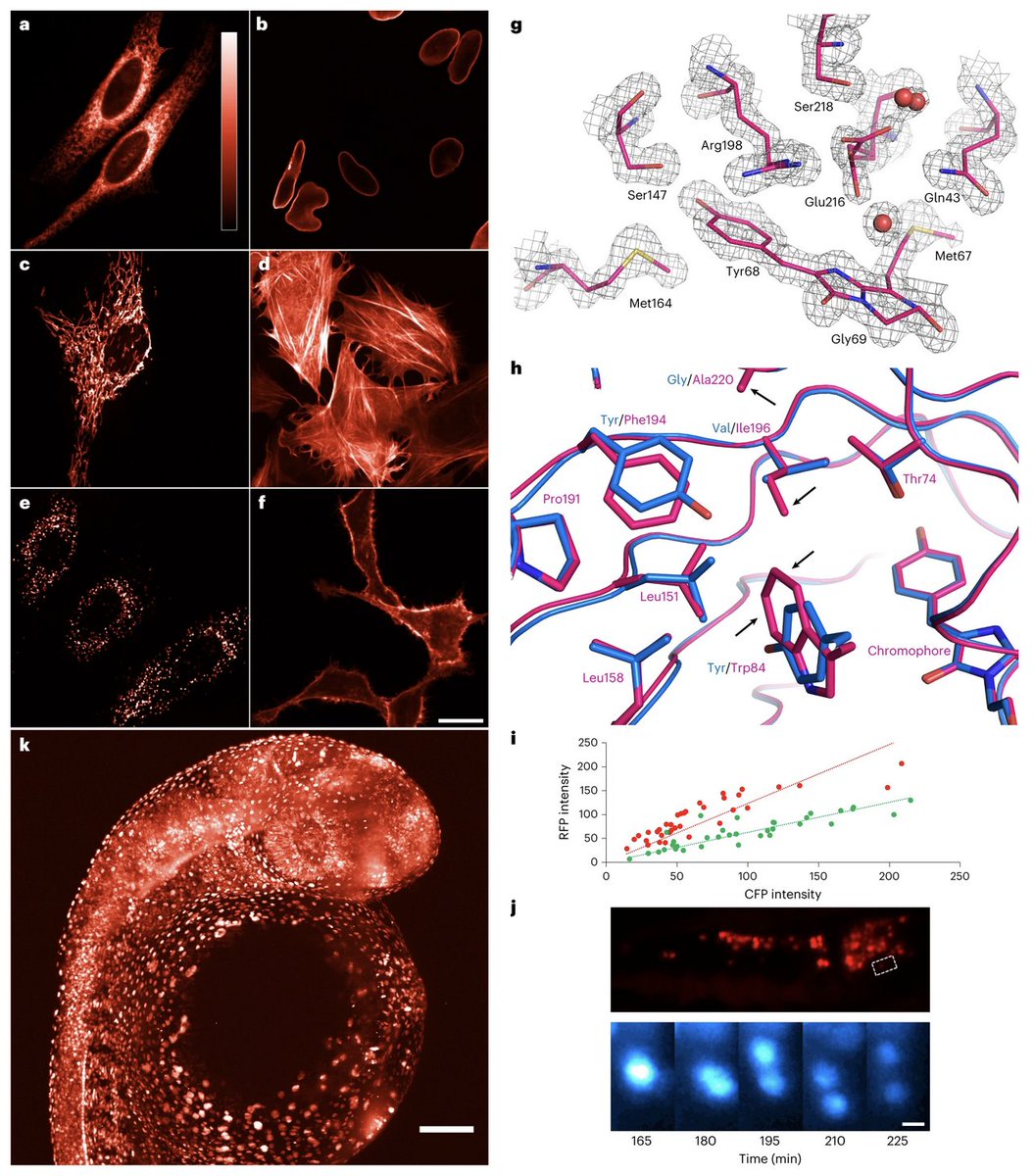
Finally out: mScarlet3
A brilliant and fast-maturing red fluorescent protein.
Congrats to the teams of Dorus Gadella and Antoine Royant!
https://t.co/PhyF2I8dOe
Imagine you could stain whole adult mice with standard IgG antibodies. What you couldn't do! We present wildDISCO technology for this🤗, creating the first whole body vascular, lymphatic, and nerve atlases. By @HongchengM@jieluo692 https://t.co/c2F91KQPv4 🧵👇🏼(turn on the sound)