History in the making
In this new image from our @NASAArtemis II crew, you can see Orientale basin on the right edge of the lunar disk. This mission marks the first time the entire basin has been seen with human eyes.
🚨: You are looking at the first direct photograph of 'ANOTHER SOLAR SYSTEM WITH MULTIPLE PLANETS', with the a sun like star.
See those two dots with arrows pointing to them?
They're giant planets, located 307 lightyears away.
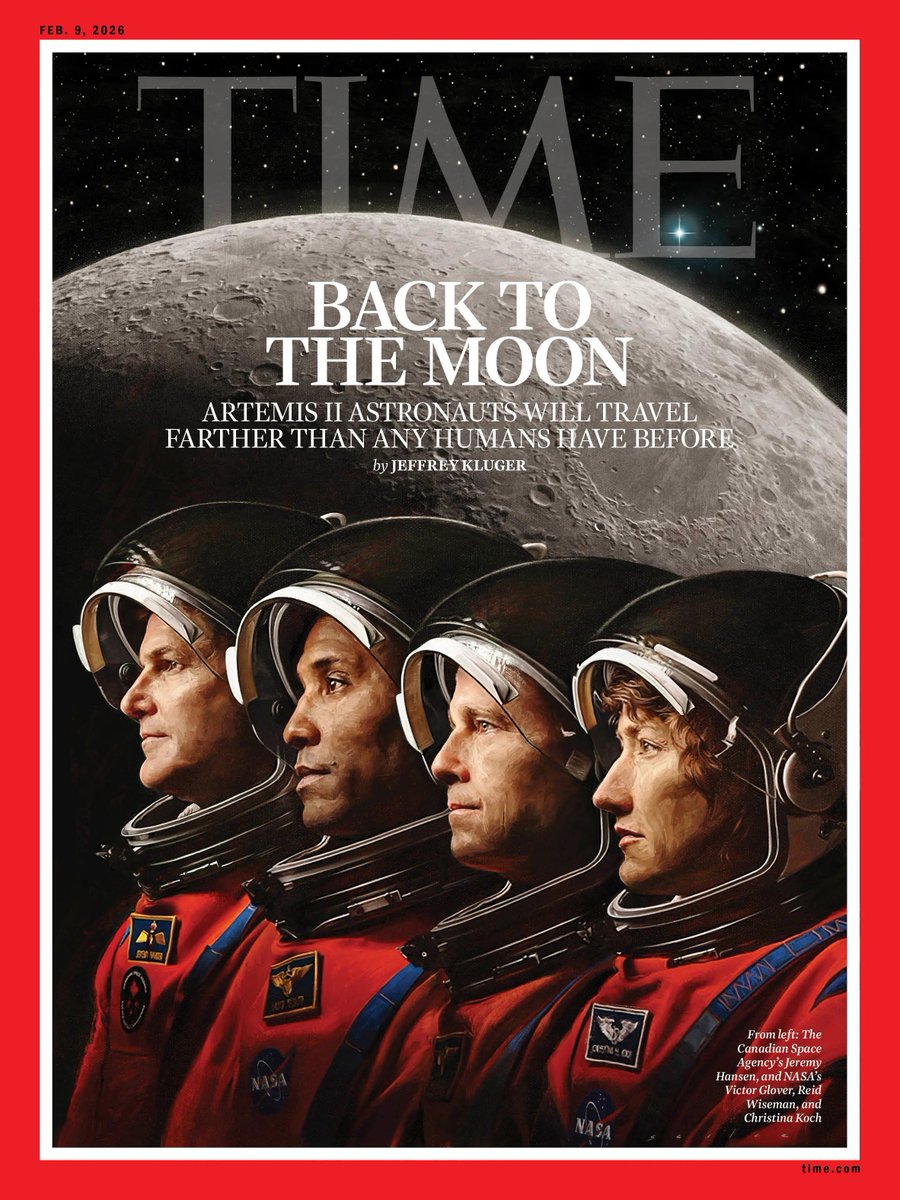
Launch windows for Artemis II. Sadly only one daylight and one dusk option. All others are full on night. For visual and impact reasons, I wish it was a daylight launch 😪
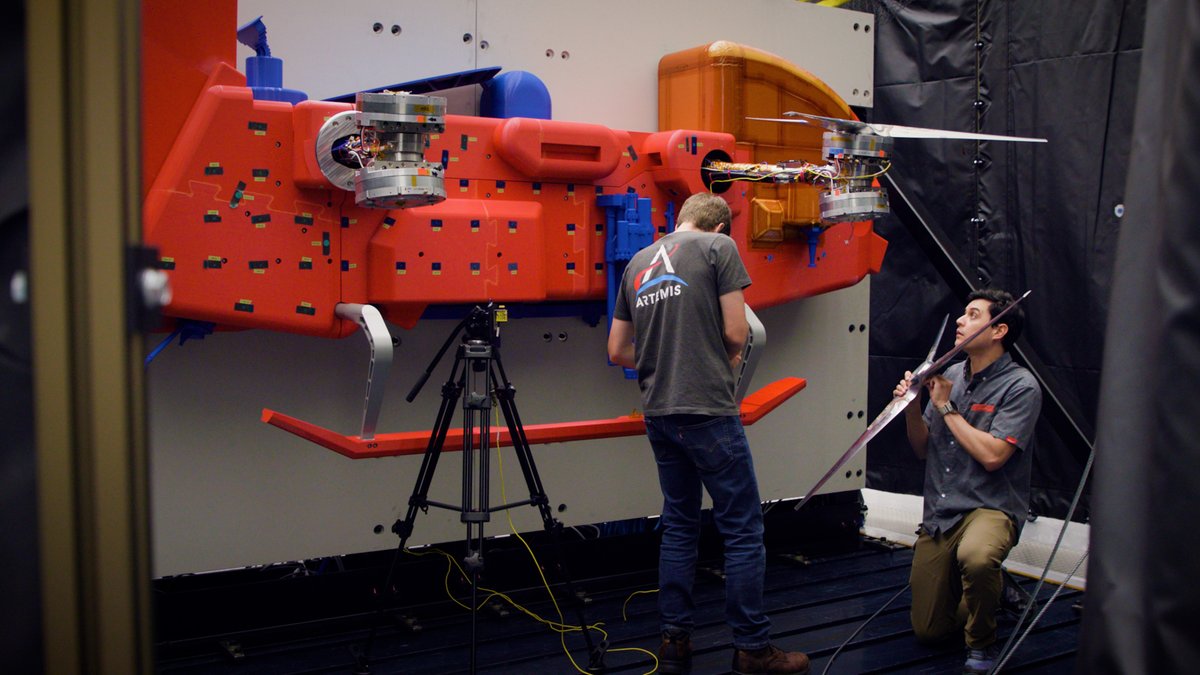
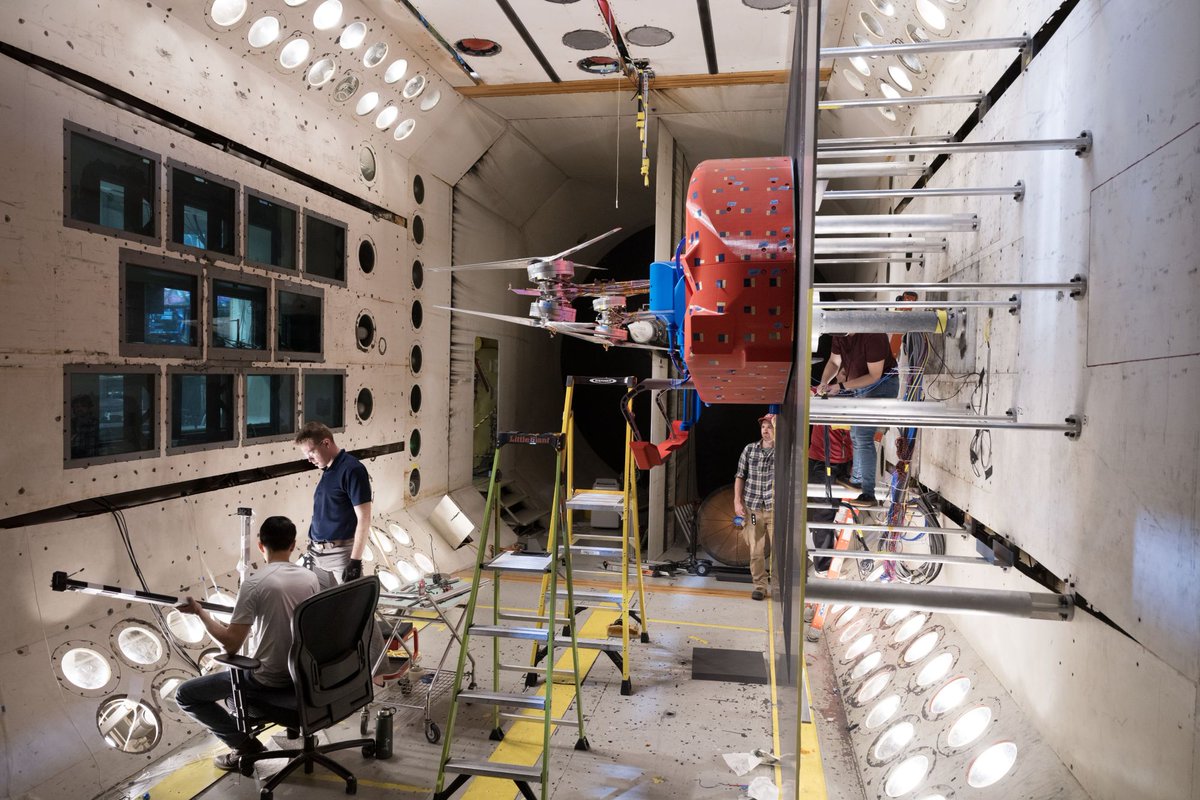
Set for launch in 2028, NASA’s Dragonfly mission will explore Saturn’s moon Titan. And the work is underway to ensure that this first-of-its-kind project can fulfill its ambitious exploration vision.
Read about the testing being done at the Johns Hopkins Applied Physics Laboratory and other contributions from organizations around the world for this mission >> https://t.co/T8l6qgACHi
I binged hours of Andrew Huberman’s advice so you don’t have to.
Here are 5 simple protocols that rewired how I work, rest, and reset (backed by science):
Exercise, meals & social events can shift your circadian wake-sleep timing but the most powerful driver of your alertness & sleepiness is light. Viewing bright light wakes you up & dim/dark settings = more sleepiness, as does blocking short wavelength light (not just blue light).
This is true and can be seen across mediums
Songs people are touched by specific lyrics from verses or the chorus
TV and Film people remember specific scenes
That’s why whatever you do, do it a lot
Because people will only remember a little bit
NEW: Scientists have brought back dire wolves using ancient DNA, with the first born on October 1, 2024, over 10,000 years after their extinction
The genome was reconstructed by Colossal from ancient DNA found in fossils
The fossils date back 11,500 and 72,000 years
Colossal Biosciences said: "This moment marks not only a milestone for us as a company but also a leap forward for science, conservation, and humanity. From the beginning, our goal has been clear:
To revolutionize history and be the first company to use CRISPR technology successfully in the de-extinction of previously lost species.
By achieving this, we continue to push forward our broader mission on—accepting humanity’s duty to restore Earth to a healthier state."
Kawasaki Unveils CORLEO: A Hydrogen-Powered Robotic Horse
EXCLUSIVE FULL VIDEO
—
On April 5, 2025, Kawasaki Heavy Industries introduced the CORLEO, a groundbreaking hydrogen-powered, four-legged robotic vehicle designed for human riders, at the Osaka-Kansai Expo.
This innovative robotic with motorcycle engineering, aims to redefine off-road mobility while prioritizing sustainability.
The CORLEO is powered by a 150cc 20 horsepower hydrogen engine that generates electricity to drive motors in each of its four legs. Hydrogen is supplied from a rear-mounted canister with a distance projection of ~150 miles.
Each leg features two separate rubber hooves, designed to absorb uneven terrain and provide non-slip stability on surfaces like grass, gravel, and rocky paths.
The rear legs move independently from the front, absorbing shocks during walking or running, while the rider maintains a forward-leaning posture for better visibility when navigating obstacles like steps.
Riders control the CORLEO by shifting their center of gravity, detected through sensors in the footpegs and handlebars. The stirrups are adjustable for optimal positioning, and an onboard display provides real-time navigation and posture feedback, making the ride intuitive and user-friendly.
This design not only caters to thrill-seekers but also holds potential for accessibility, offering a new mobility solution for individuals with disabilities.
The CORLEO draws inspiration from sci-fi concepts like the "Mechanical Horse," a trope seen in media such as Mazinger Z and Star Wars (e.g., General Grievous' Tsmeu-6 Bike). However, Kawasaki's creation is grounded in practical innovation, aiming to combine the charm of equestrian activities with cutting-edge technology.
Atlas is demonstrating reinforcement learning policies developed using a motion capture suit. This demonstration was developed in partnership with Boston Dynamics and @rai_inst.