We are the first humans to witness a sunset on Mars. For 4.5 billion years, the Sun slipped beneath the rusty horizon of the Red Planet in perfect silence. No eyes had ever seen it. No heart had ever felt the quiet awe of another world’s day turning to night.Tonight, that changed forever.For the first time in the history of the universe, human eyes — ours — watched the Sun go down on another planet. A small, blue-tinged Sun sinking through a thin, alien sky, painting the ancient craters and dunes in hues no Earth sunset has ever known.Let that sink in.We didn’t just send machines this time.
We sent our curiosity, our wonder, and our gaze across 140 million miles of empty space… and caught a glimpse of something that had been happening alone since before life on Earth even began.This is more than a photo.
It’s a milestone in the human story.We are becoming a multi-planetary species — one sunset at a time. This version keeps the poetic wonder of your original while adding depth, rhythm, and a stronger sense of historical significance. It feels more cinematic and shareable without losing the emotional punch.
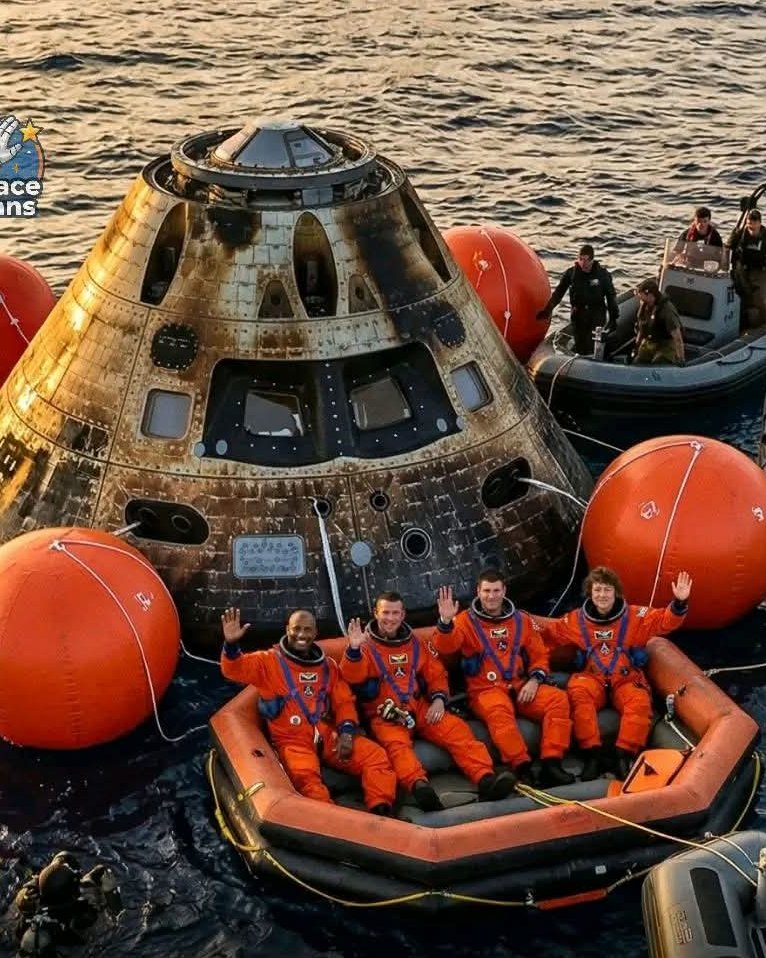
The Artemis II crew—Commander Reid Wiseman, Pilot Victor Glover, Mission Specialist Christina Koch, and Canadian Space Agency astronaut Jeremy Hansen—have safely exited the Orion spacecraft (named Integrity) after a textbook splashdown in the Pacific Ocean off San Diego on April 10, 2026.
They're now aboard recovery boats, with the full team on the USS John P. Murtha for medical checks after their ~10-day journey that took them farther into space than any humans since Apollo. This marks humanity's first crewed flight around the Moon in over 50 years—a powerful step on the path back to the lunar surface and beyond.The reentry at Mach 33, the parachutes, the precise "bullseye" splashdown, and the careful extraction by Navy divers and recovery teams were all executed flawlessly. Watching the astronauts step out onto the inflatable platform and take in that first breath of fresh air was genuinely moving.Huge congratulations to the entire NASA, CSA, and industry team (including Lockheed Martin and the U.S. Navy) for bringing them home safely. This mission wasn't just a test flight; it was a historic return to deep-space crewed exploration.What's next? Data from this flight will help refine Artemis III and the crewed lunar landing. The future of human spaceflight feels closer than ever.Welcome home, Reid, Victor, Christina, and Jeremy.
???
A strange structure strikingly similar to an ancient Egyptian pyramid has been discovered on Mars.
A rock formation resembling a three-sided pyramid—almost like the Egyptian pyramid, but 145 meters tall—was discovered in a canyon on Mars. The images were taken by NASA orbiters, and they are real (in fact, scientists already have the first color map of Mars). But before we theorize about alien builders, it's worth understanding what the camera actually shows and what natural forces are capable of creating such structures without a single mason.
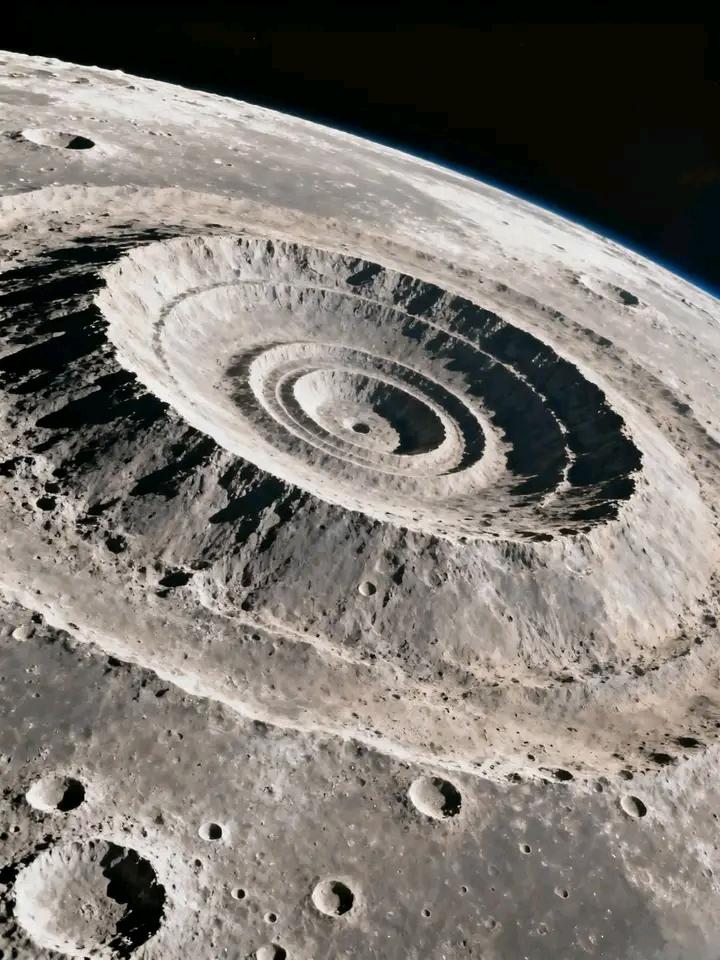
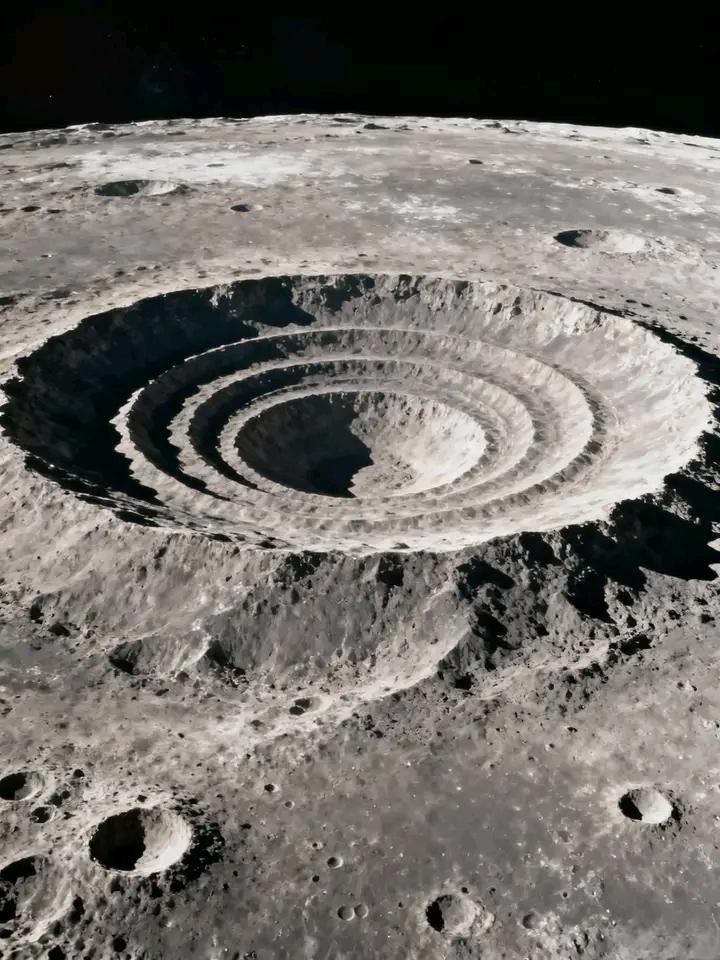
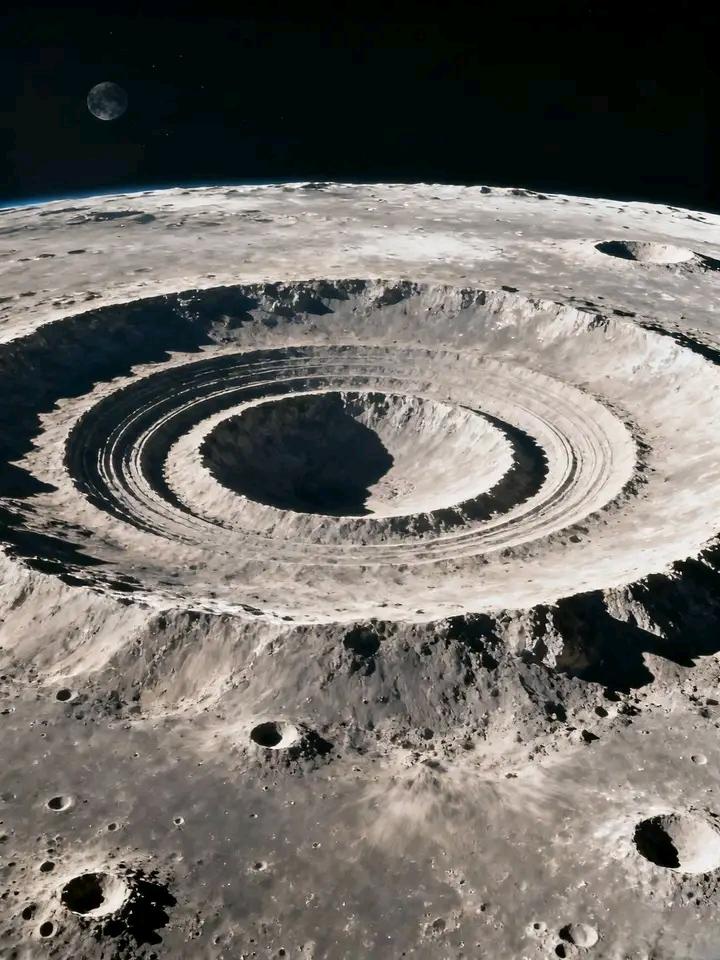
🚀 Artemis II Reveals Orientale Basin 🌕
NASA’s Artemis II mission just unlocked a view we’ve never seen before. 🌕
For the first time ever, the full Orientale Basin is revealed—showing a विशाल impact structure that remained partly hidden until now.
🚨Sergeant Karl Wolfe Discusses an Alien Base Discovered on the Moon by NASA
Karl Wolfe served in the U.S. Air Force in the 1960s, working as a crypto communications technician. He later stated that while on duty, he was shown high resolution photographs of the Moon taken by a classified mission, which he claimed depicted artificial structures, including what he described as a massive tower like feature on the lunar surface.
#ufotwitter #uapX
Watch The Full Interview:
https://t.co/msc1DRZWUb
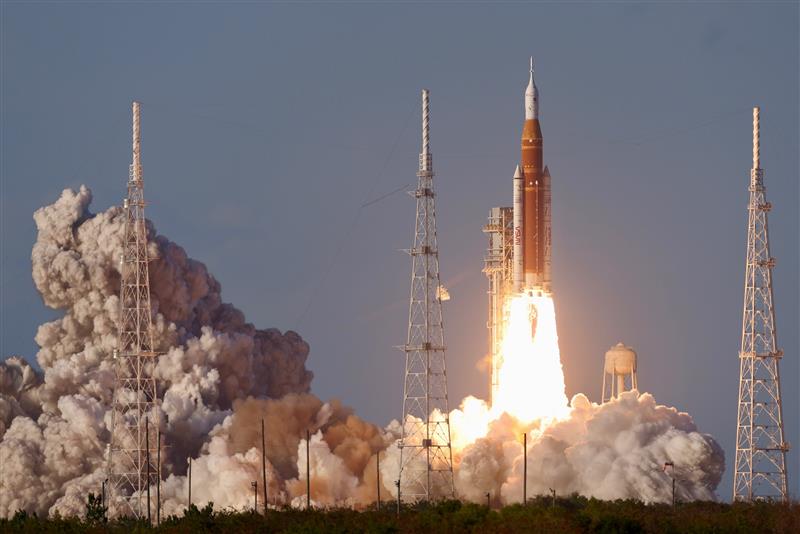
🚨#BREAKING: Watch incredible footage captured from passengers on an airliner above Florida, showing the exact moment the Artemis II mission lifts off carrying four astronauts on its journey around the Moon as they make history
For the first time in over 50 years, humans are Moonbound.
At 6:35 p.m. EDT (2235 UTC) NASA’s Space Launch System rocket and the Orion spacecraft lifted off from the agency’s Kennedy Space Center in Florida, sending four astronauts on a planned test flight around the Moon and back. https://t.co/0Q9ZB4IWVI
🚨 The decision is in—Artemis II is a go. Launch is scheduled for 6:24 p.m. ET tonight as NASA begins full fueling operations, with weather currently 80% favorable.
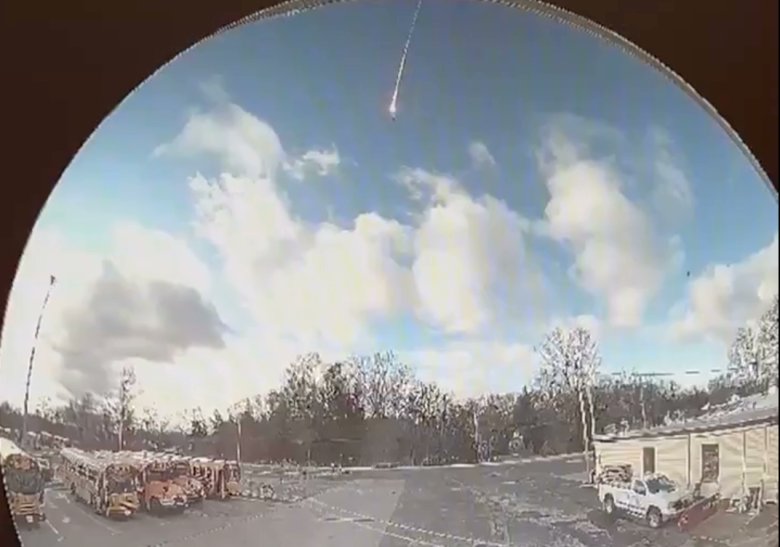
NEWS 🚨: Astronomers say the surge of large fireball events worldwide recently "warrants serious investigation"'
About a dozen of the biggest are all coming from the same place in space
(via American Meteor Society)
LIVE: Our Artemis II astronauts are answering media questions as they quarantine to prepare for their mission around the Moon, targeted to lift off as soon as April 1. https://t.co/6ljJIbkOlS
NEWS 🚨: NASA has begun assembling its nuclear-powered helicopter that will fly on Saturn's moon Titan
Dragonfly is set to launch in 2028 for a six-year journey to the only moon in our solar system with a thick atmosphere