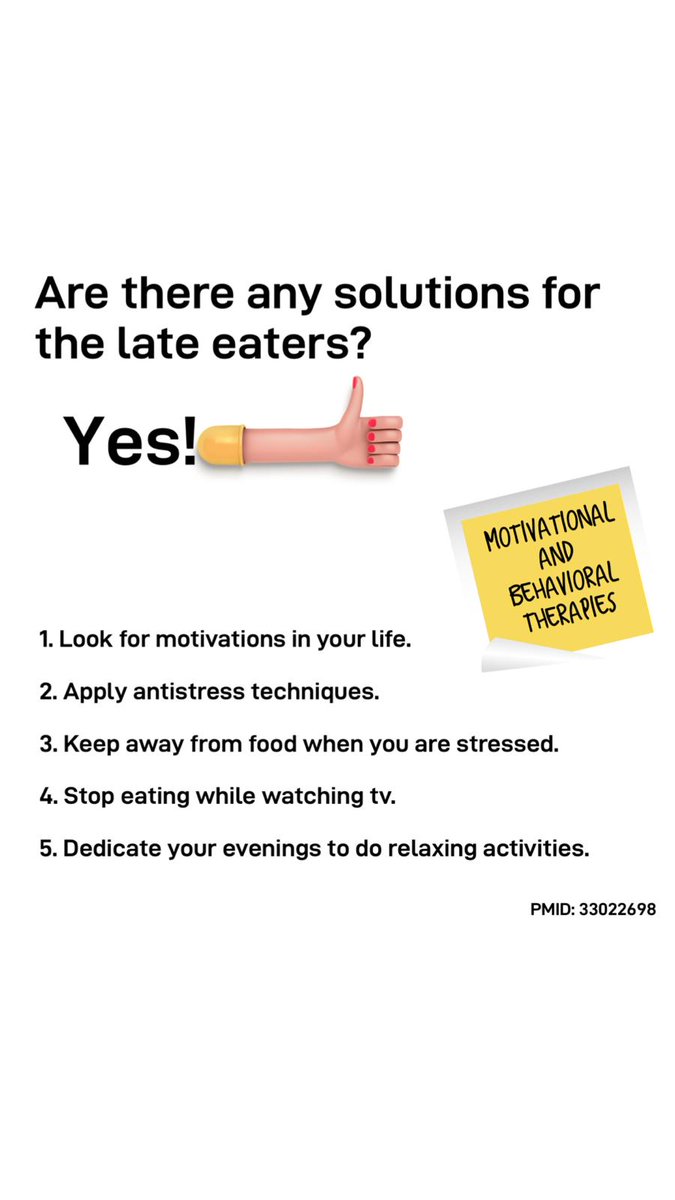
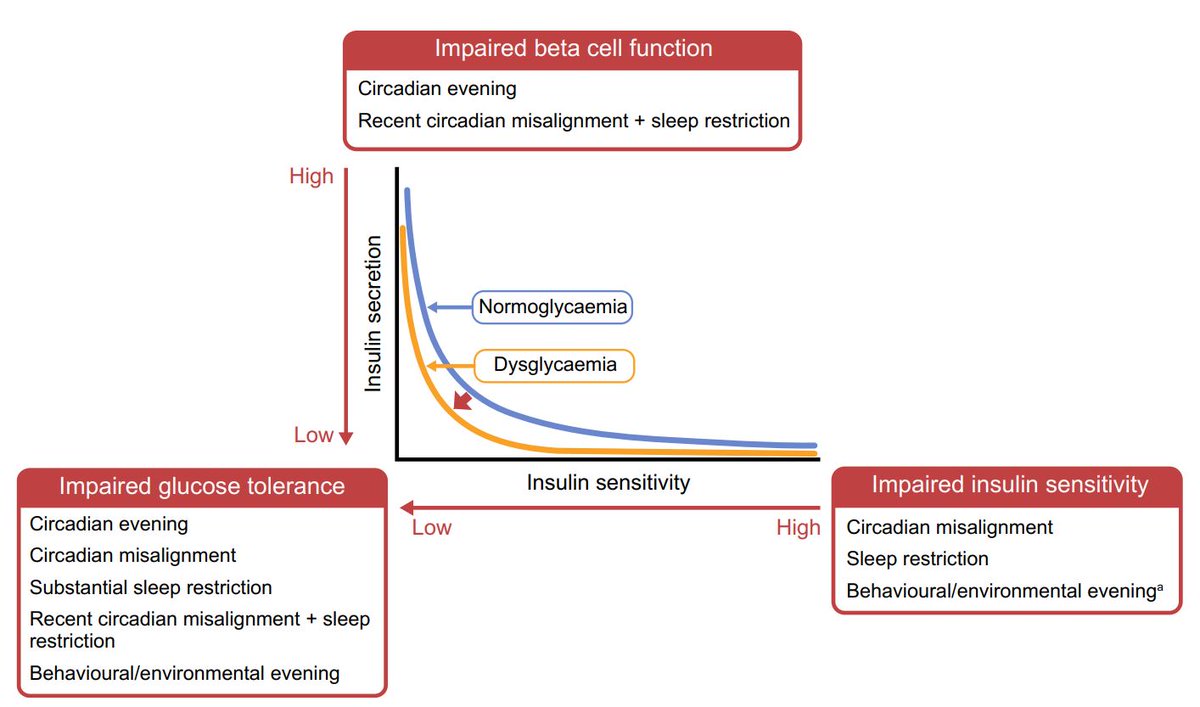
High melatonin concurrent with carb intake (think late-night dinners) impairs glucose tolerance due to insulin secretion defects, especially in MTNR1B G-risk allele carriers.
Paper: https://t.co/fTBRFvFltf
@martagaraulet@rsaxenalab@DrCelineVetter @MGH_RI @AmDiabetesAssn
Calling all trainees! Postdoctoral Fellowship opportunity in circadian misalignment, meal timing, and human metabolism at @BrighamWomens and @HarvardMed. Click here to learn more: https://t.co/NmMUsQ6yJB
New study by Drs. Sarah Chellappa, Frank Scheer, & colleagues: Nighttime eating causes internal #circadian misalignment and impaired glucose tolerance in humans, while restricting meals to the daytime prevents both. @ScienceAdvances@BrighamResearch https://t.co/AliEW1uMPo
Drs. Czeisler and @smwrajaratnam, @MarkCzeisler & colleagues found that mental health symptoms were elevated in a Sept. ‘20 nat’l survey compared to pre-#COVID19 levels. Multigenerational caregivers, sexual minorities & those w/ insomnia among highest risk https://t.co/z5GHhpg7oZ
In analysis of 3,362 overweight & obese adults, we found that late eating was associated with cardiometabolic risk factors, higher leptin levels in the morning, and reduced efficacy of a weightloss intervention.
@hsdash@AJCNutrition@nutritionorg
https://t.co/sDIM75wfPC
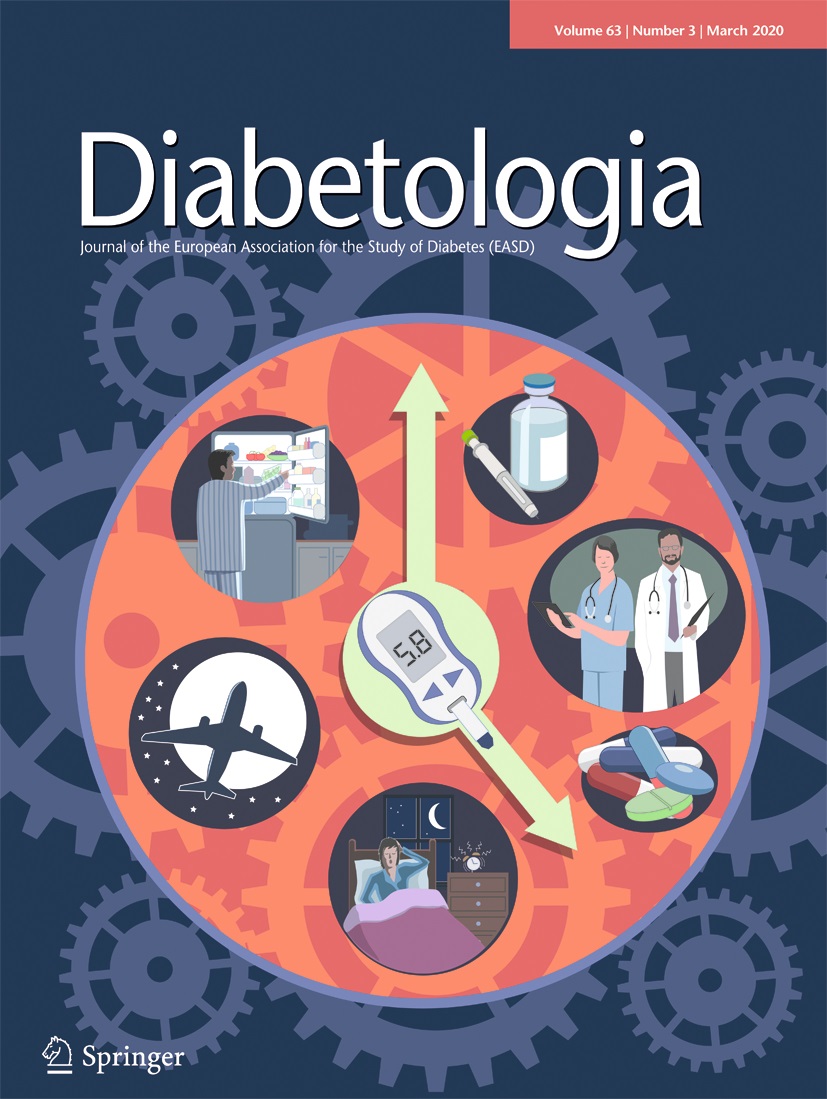
The cover of our March issue depicts a clock, representing circadian time. Mason et al provide an overview of the influence of the endogenous circadian system and its disruption on glucose control in healthy individuals and individuals with T2D https://t.co/HdjLsQKgiX
New study in @PLOSBiology shows that the timing of meals affects how food is oxidized or stored in older adults, which may have implications for the optimal eating habits. https://t.co/zOVoOsDcUX
Our new paper is online! Based on 22 years of data and 732,835 fatal accidents, we show that the spring DST transition increases fatal accident risk by 6%. Risk estimates are higher for mornings and positions further west in a time zone! https://t.co/c7ZEb0HdxR @CUBoulderIPHY
New review by @martagaraulet, @JQianClock, and others: Melatonin Effects on Glucose Metabolism: Time To Unlock the Controversy
“We propose that the relative timing between elevated melatonin concentrations and glycemic challenge should be considered...”
https://t.co/ItTa8JBRlS
New research in @PNASNews on the link between molecular #bodyclock in humans and type 2 diabetes, offering the possibility to use clock modulators as a potential pharmacological intervention to combat this disorder. https://t.co/jlNtyVwmFY
#Glucose metabolism is regulated by the #circadian system. Understanding how circadian disruptions adversely impact glycaemic control may aid in prevention and treatment of type 2 diabetes mellitus #T2D@BrighamWomens https://t.co/HdjLsQsEUn #toptweet
New #sleeploss and #metabolomics publication in SLEEP @ResearchSleep: Developing preliminary blood metabolomics-based biomarkers of insufficient sleep in humans https://t.co/h2aUMgebsO
Promising findings for early work in this area...further work needed
Just published in @CurrentBiology by @mspitschan and @ollen44: no evidence for a contribution of short-wavelength sensitive cones in the acute alerting and melatonin-supressing response to evening light exposure in humans. https://t.co/HIqFCxMjSQ
A 3-meal diet consisting of a high-carb breakfast, a lunch, and a small dinner was found to result in #weightloss & improved blood sugar levels in a small group of diabetic patients. Randomized clinical trial published in @ADA_Journals. #ChronoHealth
https://t.co/n5yq5tRWuH