In ~3k older adults followed for decades, we found that changes towards later breakfast was linked to health problems (depression, fatigue & oral) and a modestly higher risk of death.
@CommsMedicine@MGBResearchNews
Press: https://t.co/O71RbvKltY
Paper: https://t.co/EXZ7vmpOhM
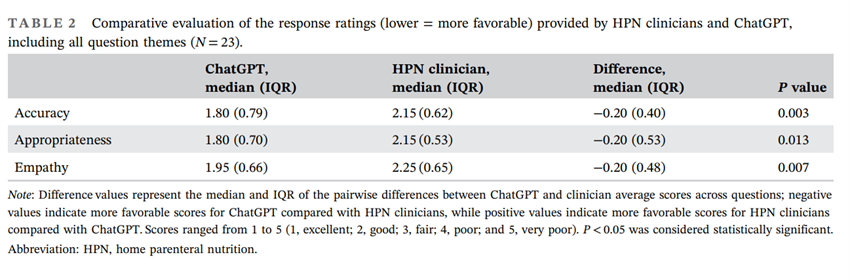
🟥Comparing ChatGPT with healthcare provider responses to home parenteral nutrition questions
📌ChatGPT puede apoyar la atención de la #NPD y la educación del paciente, especialmente en temas médicos y de estilo de vida generales
📌 Sin embargo, los problemas clínicos complejos requieren experiencia médica
https://t.co/KgX0jSUuqf
@NutriSeen
In a new study, researchers from @MGHanesthesia and colleagues found that meal timing in later life may matter for health and longevity. The study was published in @CommsMedicine.
Read more: https://t.co/PUfPbjdbm6 https://t.co/efLEwQieFR
The findings of a study in @CommsMedicine suggest that later meal timing, especially breakfast, could serve as a simple marker of health in older adults and may guide future strategies for healthy aging. https://t.co/b3HNfpNTiL
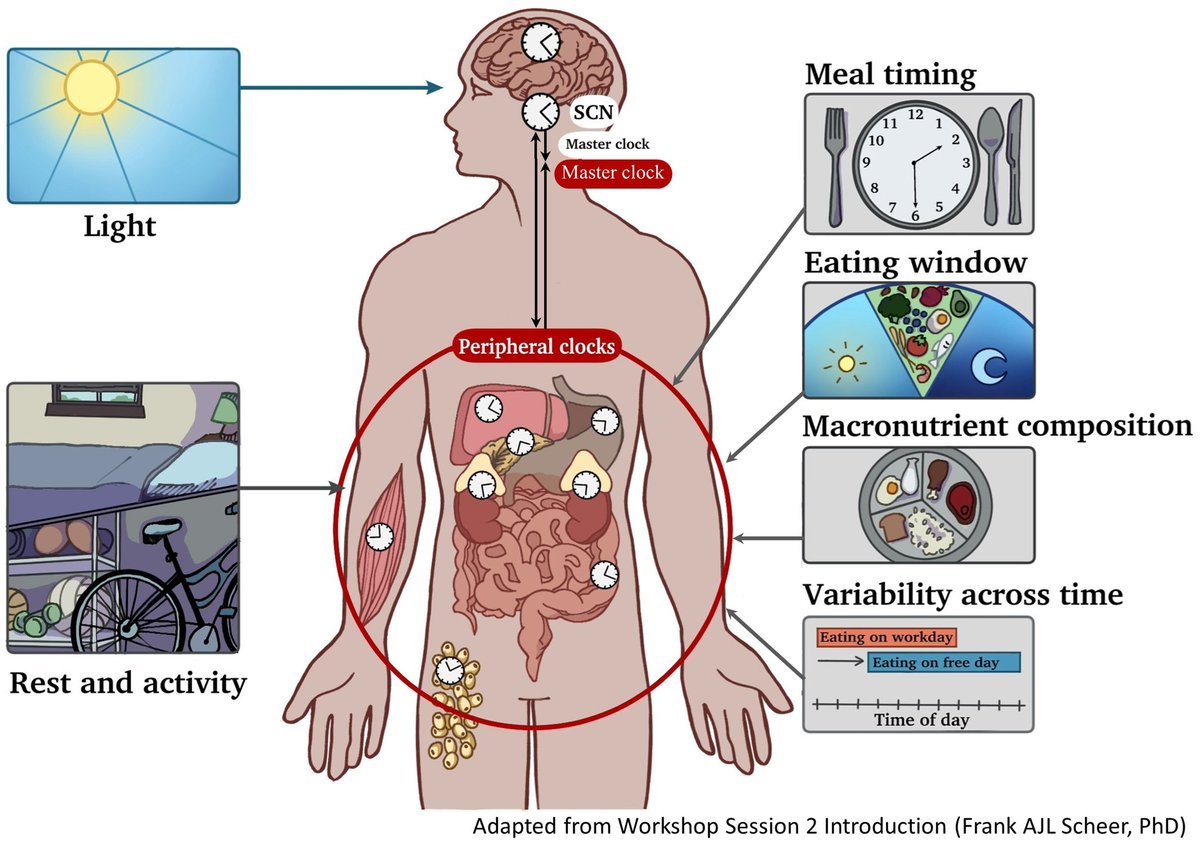
🧬 Eat early, weigh less—even if you’re genetically at risk. New study: early meal timing may reduce obesity risk in people with high polygenic scores.
📖 https://t.co/YSDQBBWWB4
🗣 See expert commentary: https://t.co/tHJAu2iFat
#ObesityRisk#Genetics#MealTiming#ObesityJournal
#Shifts toward later meal times, especially delayed breakfast, in #OlderAdults are linked to increased health challenges and higher mortality risk, highlighting the importance of consistent meal #Timing. @MassGenBrigham@NaturePortfolio https://t.co/sl7QLd7Ddp https://t.co/74hIIyf1ZO
Meal timing in later life may matter for health and longevity found in new paper.
“Meal timing trajectories in older adults and their associations with morbidity, genetic profiles, and mortality” https://t.co/tKcnMLw9Cr
Meal timing in later life may matter for health and longevity
Researchers found that as older adults age, they tend to eat breakfast and dinner at later times, while also narrowing the overall time window in which they eat each day.
Later breakfast time was consistently associated with having physical and mental health conditions such as depression, fatigue and oral health problems.
Difficulty with meal preparation and worse sleep were also linked with later mealtimes.
Notably, later breakfast timing was associated with an increased risk of death during follow-up.
Individuals genetically predisposed to characteristics associated with being a “night owl” (preferring later sleep and wake times) tended to eat meals at later times.
Source in comments.
Trending in #Nutrition:
https://t.co/hvHhX9E9ZY
1) Early meal timing & obesity
2) Daily step pattern & physical function (@IJBNPA)
3) Plant-based food & cardiometabolic health
4) Low-fat vs whole milk (@AJCNutrition)
5) Dairy intake & health outcomes (@ejcneditor)
The findings of this one suggest that early meal timing may help in weight loss maintenance in the long term, and that it may also mitigate the increased risk of obesity by genotype.
Early meal timing is associated with improved long-term weight-loss maintenance and may offset the impact of genetic risk factors for #Obesity, highlighting the role of circadian alignment in metabolism. https://t.co/CDXVE8dYfR https://t.co/cr2NZ9v8U3
Gracias al podcast Instant Genius por invitarme a hablar sobre las siestas 😴
Thank you to the Instant Genius podcast for the invitation to talk about napping 😴
https://t.co/7wMJiER2CS
📌La calidad del sueño, clave en la absorción de nutrientes y el #metabolismo.
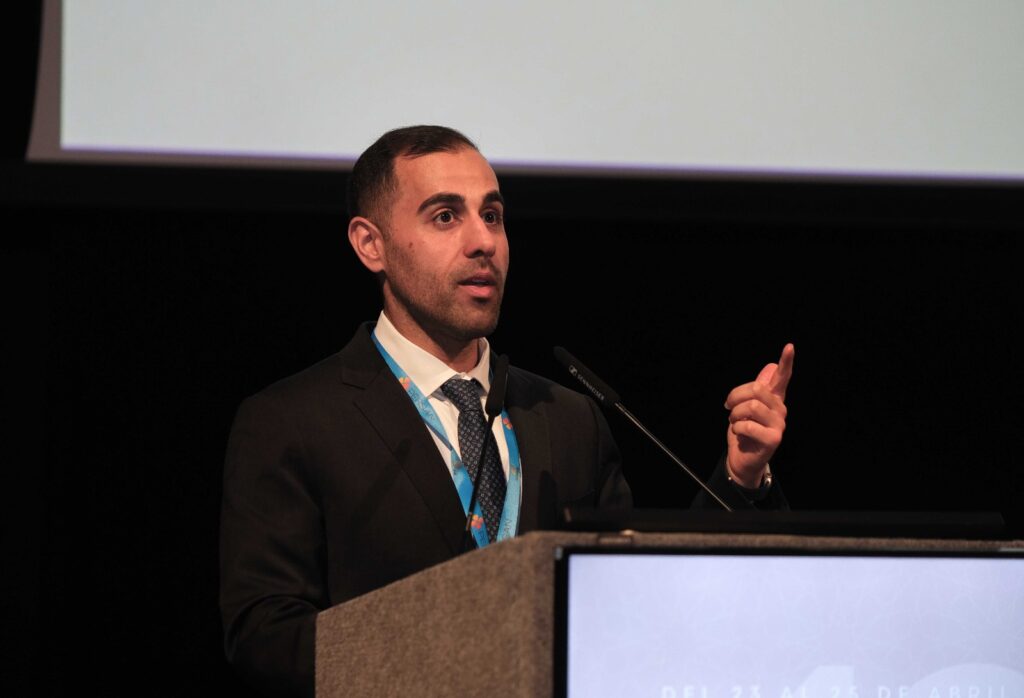
🗣️Lo explicó en detalle el Dr. Hassan S. Dashti, profesor de la Facultad de Facultad de Medicina de Harvard, en #SENPE2025
👇👇👇
https://t.co/dXC3YLuvBj
"Artificial Intelligence in Cancer-related Malnutrition and Cachexia: A Transformative Tool in Clinical Nutrition" by @totocarbone, an exciting editorial for @jnutritionorg.
Check it out:
https://t.co/1LfGjmV2ev
Since our 2021 GWAS on daytime napping, 35+ papers have used Mendelian randomization to examine its links to 90+ health outcomes.
We’ve summarized the evidence in this new review to tackle the big question: are naps good for you?!
Find out here: https://t.co/etwc5MJE45