This is a wonderful oppty in the downstate area for the 1st time. No specific prior research experience is needed; only an interest in EMS research & a desire to learn. If you've considered this over the past year, you should apply! Apps due June 1st:
https://t.co/nF20dYv1fC
The IBSC JTA for hospital paramedic is live!
Consider contributing to the first-of-its-kind blueprint for paramedics working in hospital-based roles. The information will help shape the role for the present and the future.
https://t.co/ZWtV9ihKqy
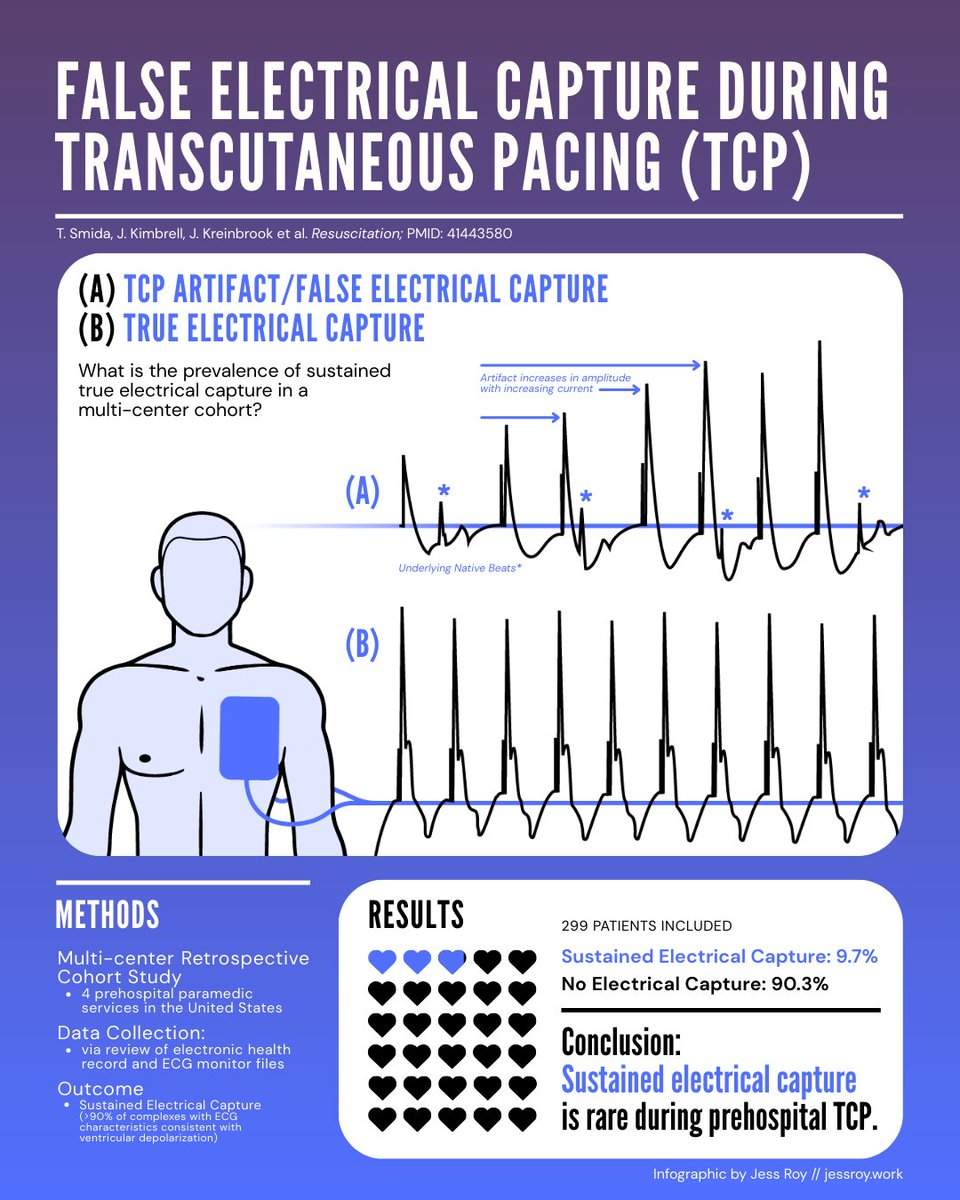
Transcutaneous pacing (TCP) is used to treat unstable bradycardia. In this multi-center study of TCP performed by paramedics, only 9.7% had sustained electrical capture, suggesting the procedure is frequently performed ineffectively.
@ResusJournal
https://t.co/Hl5gGWztjV
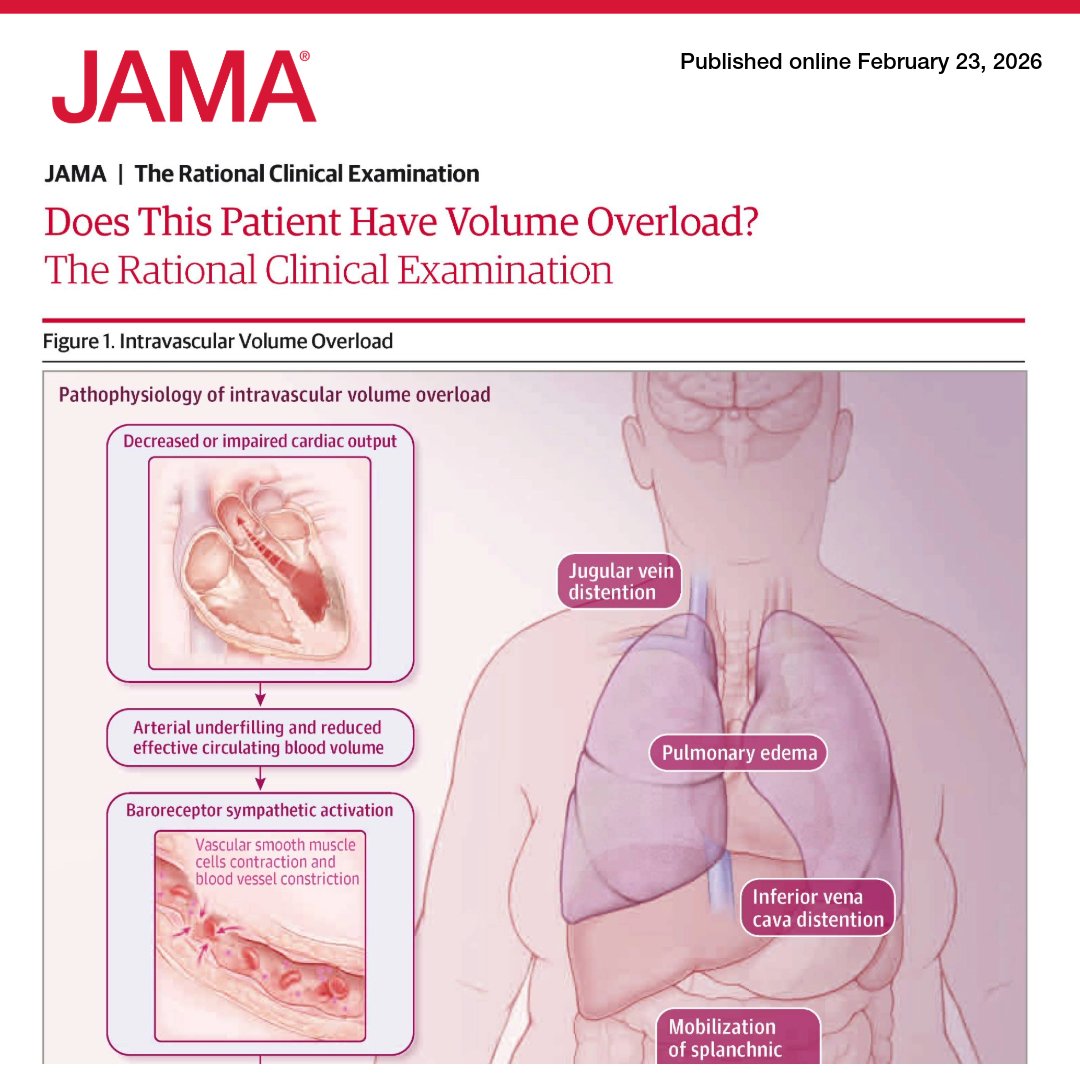
How can volume overload be reliably excluded at the bedside?
📊 This Rational Clinical Examination evaluates the diagnostic accuracy of clinical examination, radiographic imaging, and laboratory testing in assessing volume overload in nonintubated patients.
https://t.co/AkRpUEwfbJ
Grateful to @mklevy10 for calling attention to a major patient safety gap at the @NAEMSP annual meeting. Medication scanning matters, especially in high-risk EMS and hospital environments. We’re focused on solving this in Handtevy Mobile. #NAEMSP2026
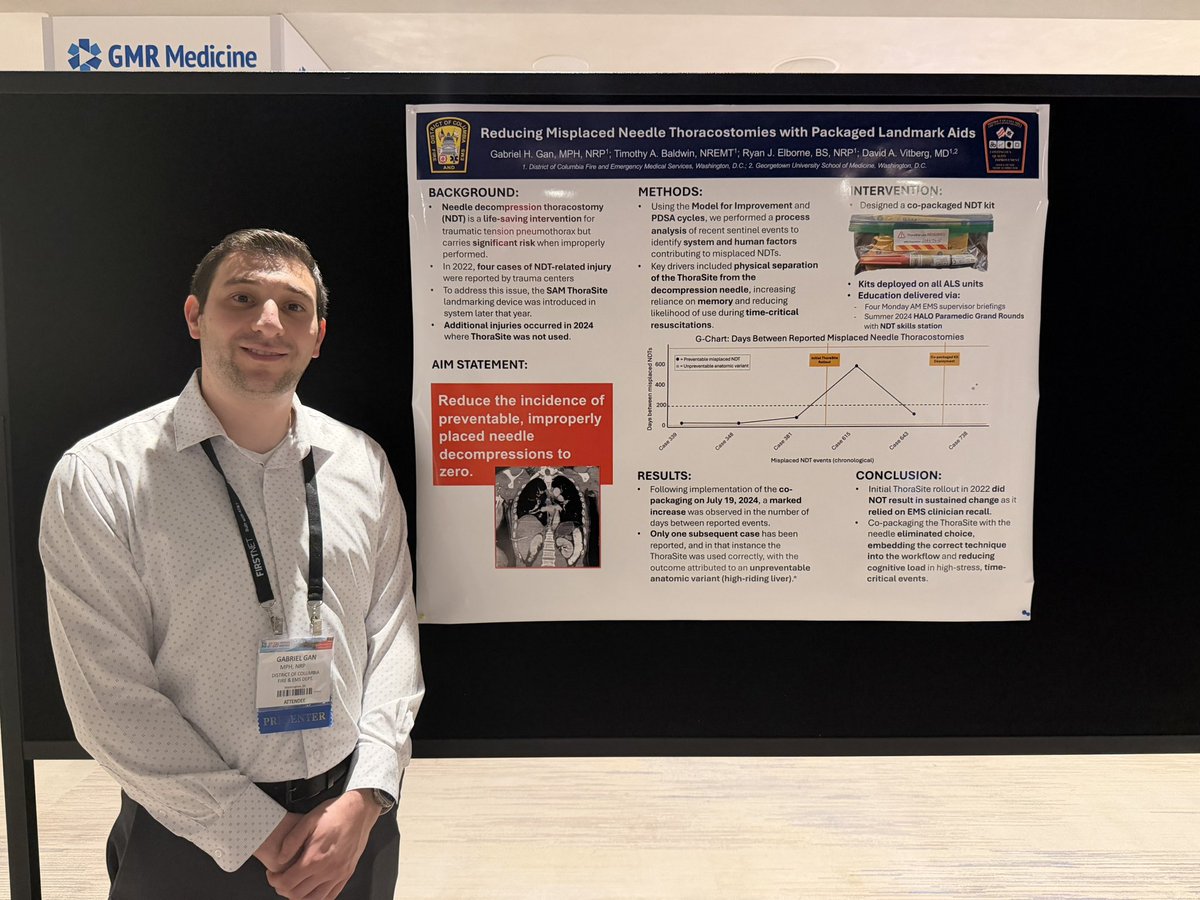
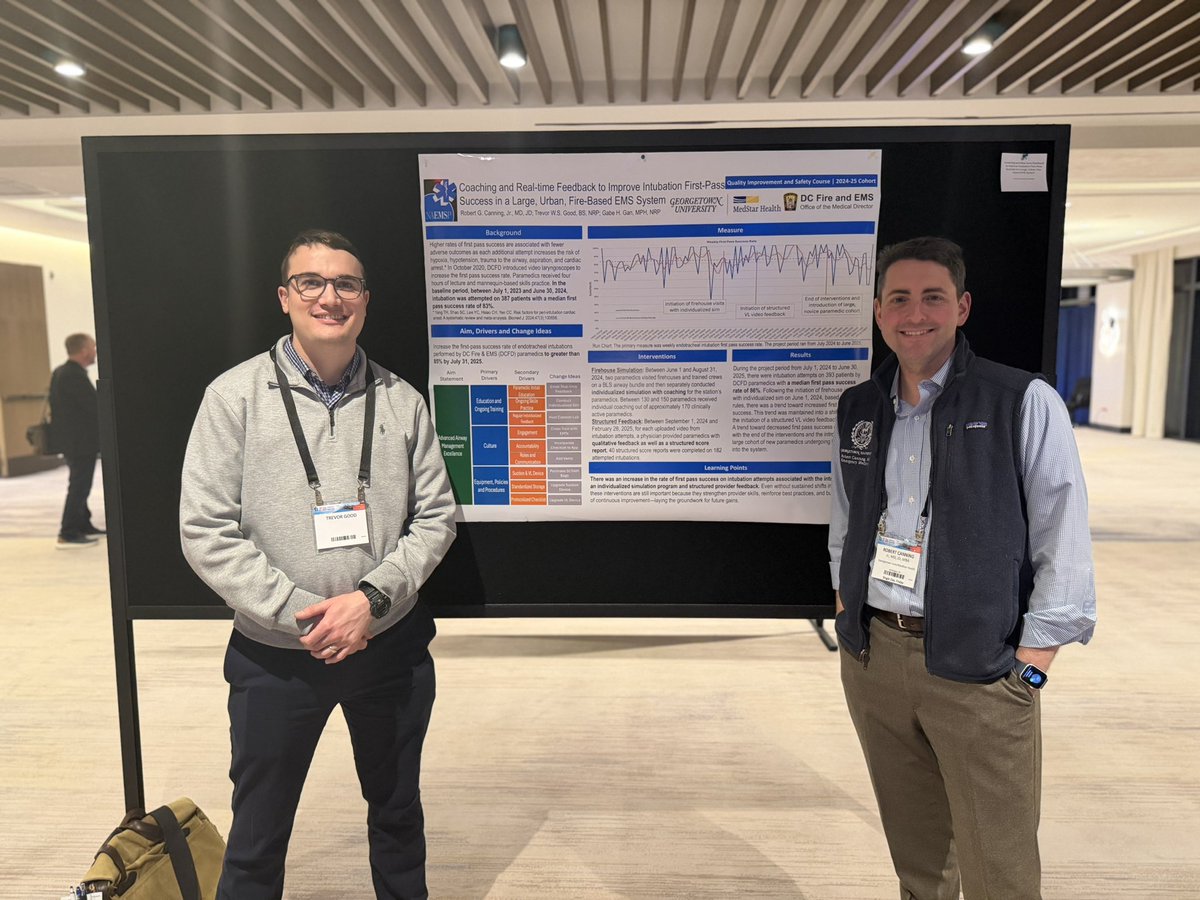
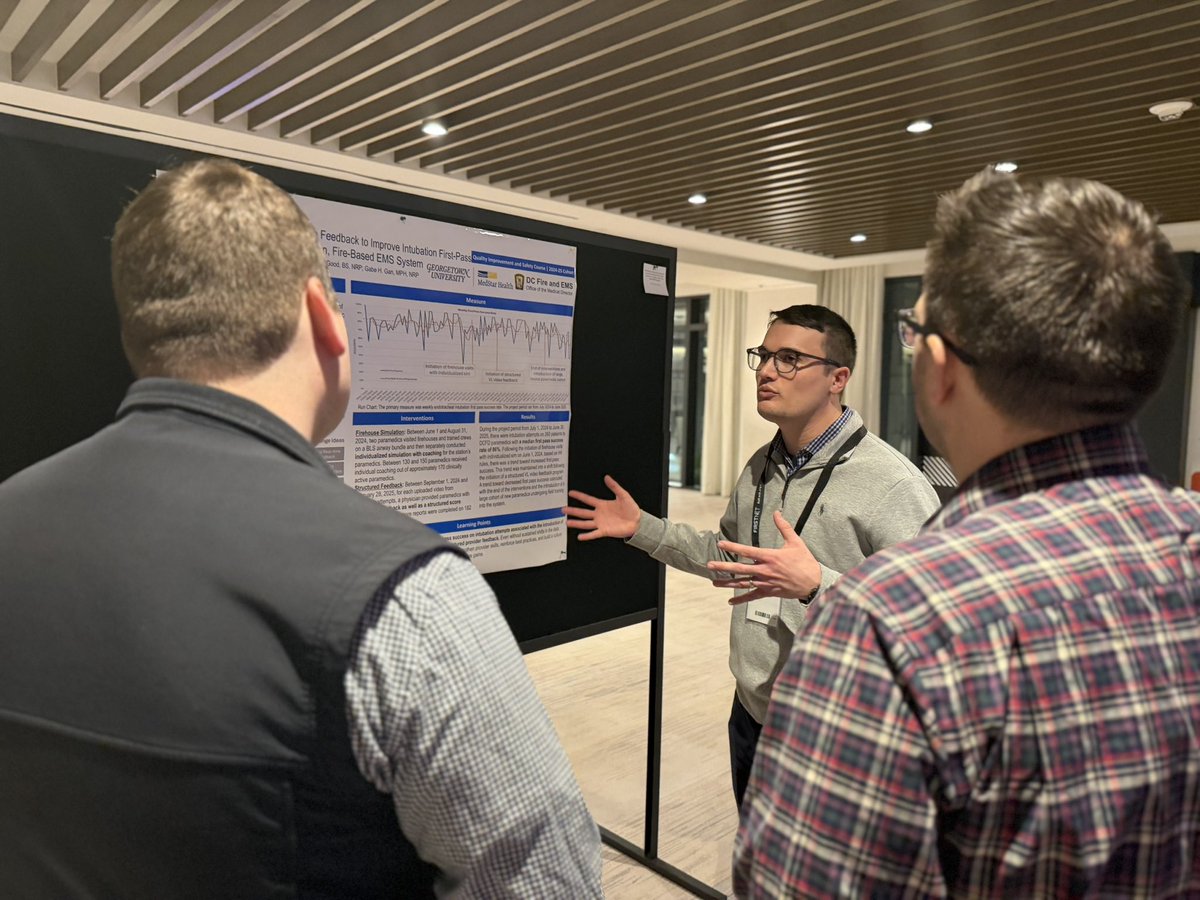
@dcfireems presented three quality improvement posters at this year’s @NAEMSP conference in Tampa, FL. Posters focused on improvements to airway management, needle decompression, and blood administration processes. #NAEMSP2026
Learn more about the Vital Signs EMS Games and how they bolster provider skill sets and teamwork.
Listen to the episode.
Scan QR code or visit:
https://t.co/ALySsifgsH
Transcutaneous pacing (TCP) is an intervention for unstable bradycardia. Electrical stimulus is provided ~1/s to increase heart rate. With transvenous pacers and chronotropic meds, TCP is mostly limited to the prehospital setting and low-resource centers.
We suck at TCP.
🧵
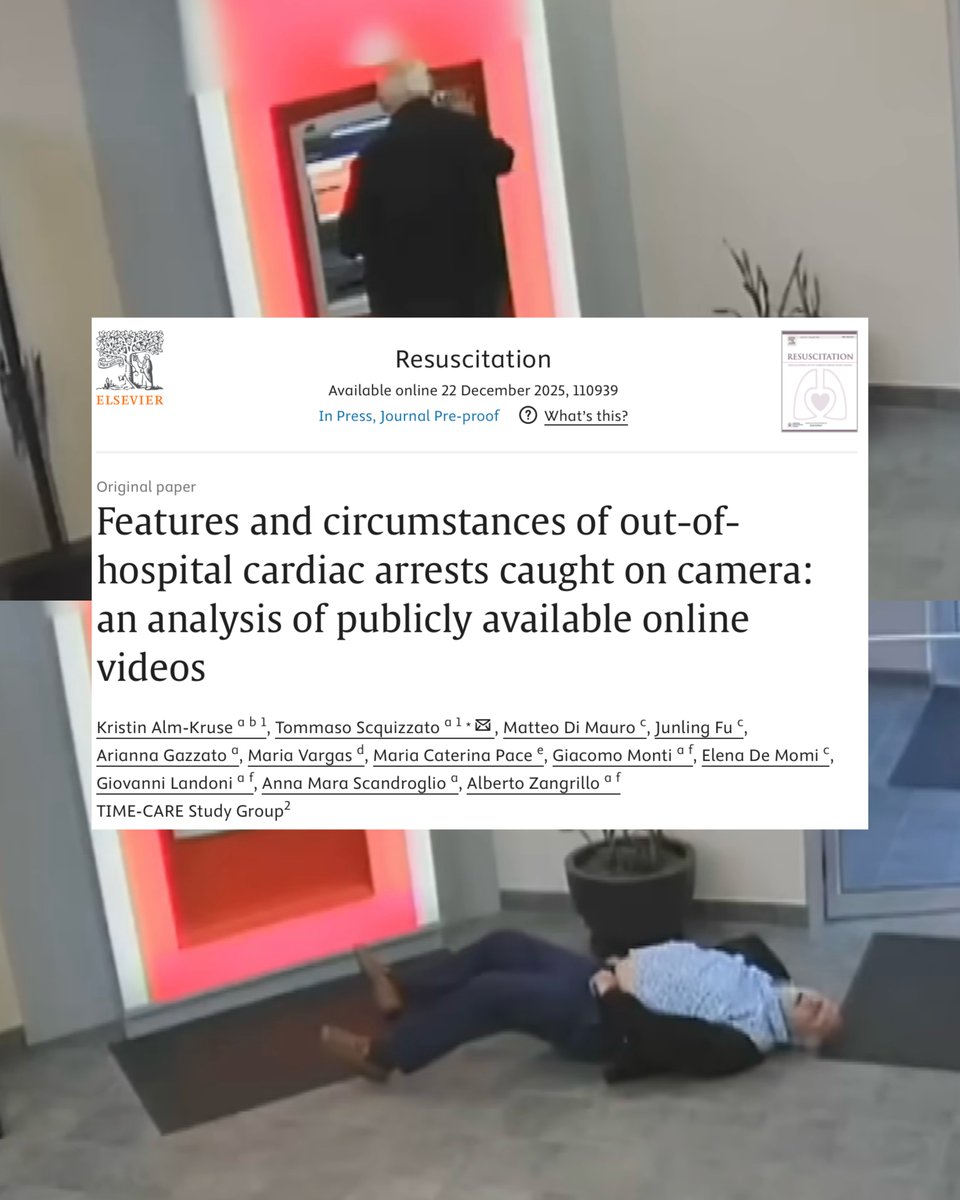
Healthcare professionals rarely witness what actually happens in the very first moments of an out-of-hospital cardiac arrest. What we know is most often reconstructed from the narratives of bystanders or family members who were present at the scene.
In this study, we analyzed 145 out-of-hospital cardiac arrests captured by surveillance cameras. These videos provide a unique opportunity to directly observe the earliest moments of collapse, revealing recurrent signs of cardiac arrest, frequently misinterpreted behaviors, and a critical delay between event recognition and the initiation of resuscitative efforts. The insights gained may help improve education, public awareness, and the development of strategies aimed at earlier recognition and more timely intervention.
Building on these findings, we are working with the Politecnico di Milano to train an artificial intelligence algorithm capable of automatically detecting cardiac arrest from surveillance video footage, with particular potential impact in cases of unwitnessed cardiac arrest. This work is part of the EU-funded TIME-CARE project.
Read the article on Resuscitation: https://t.co/2ntoh23e3F
#CardiacArrest #CardiopulmonaryResuscitation #Innovation #Research #TIMECARE #SanRaffaele
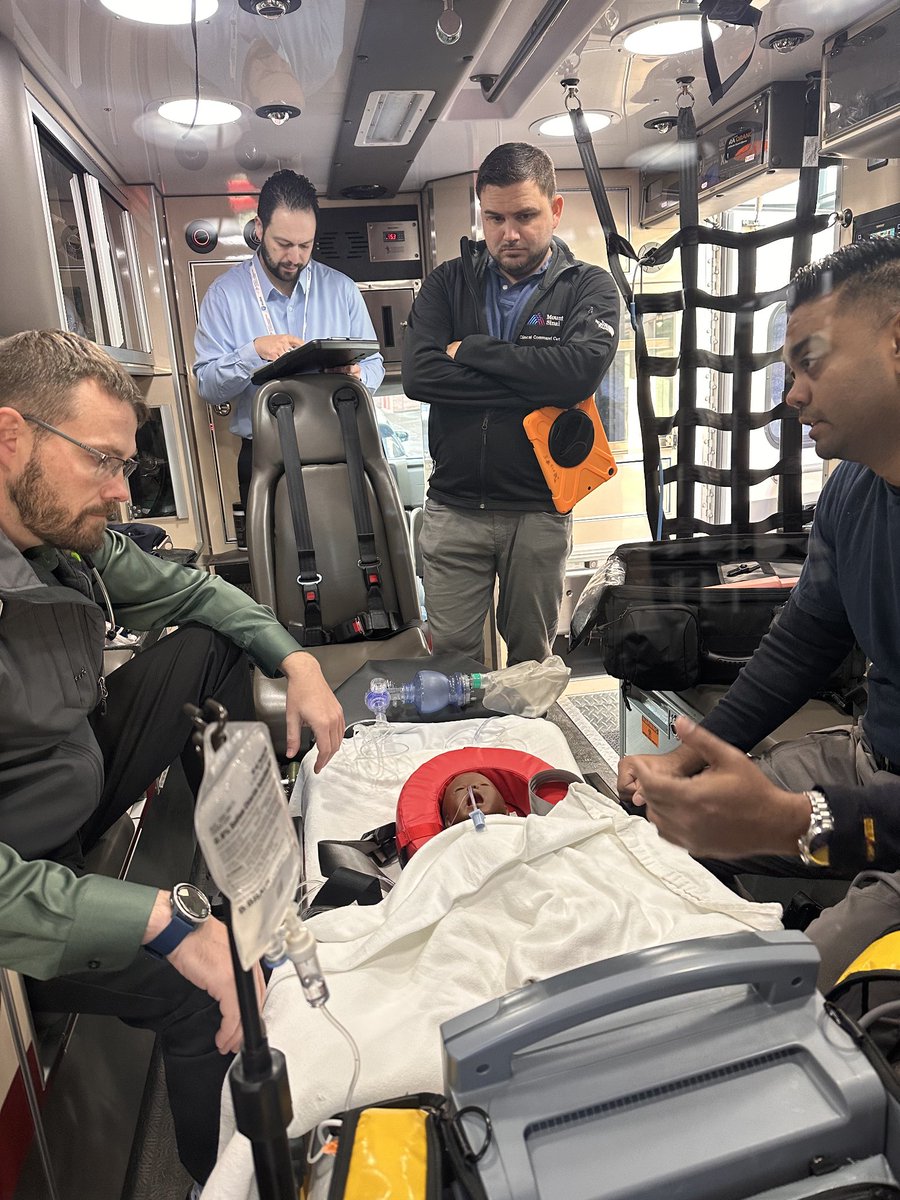
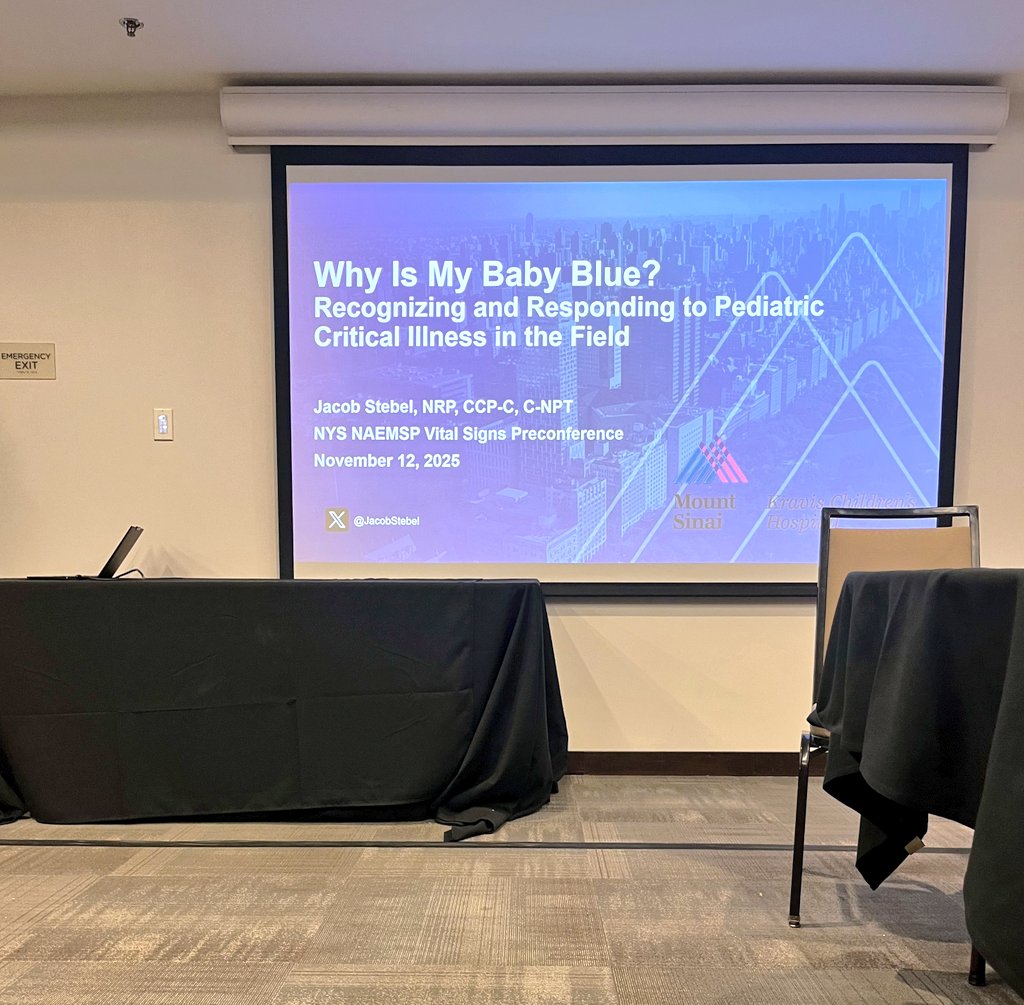
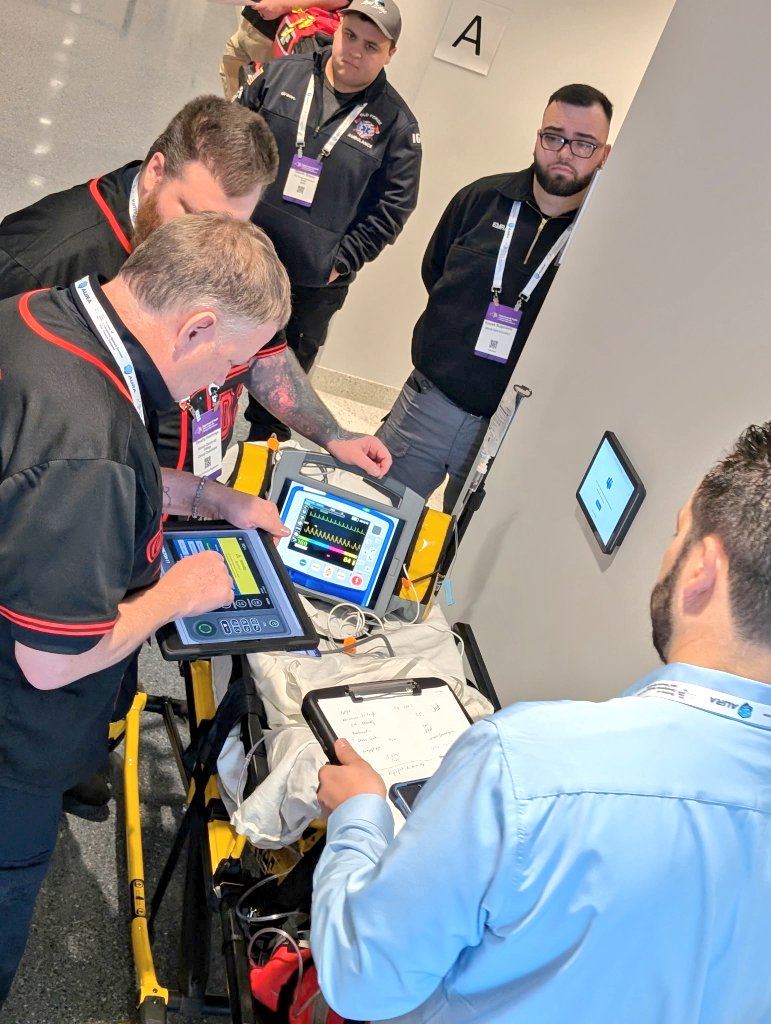
A great weekend for education & EMS at NYS Vital Signs. Learned a lot and connected with colleagues new and current from across the state. A huge thanks to @NYNAEMSP for inviting me to participate in the preconference, and @BMCCParamedic for organizing the New York State EMS Cup!
Does hearing “LVAD” make your heart race💓? You’re not alone. Prehospital care in LVAD pts is complex; the evidence shouldn’t be.
New paper by @joshkimbre & team highlights⬆️LVAD prevalence, paucity of standards, & call to action for rsrch.
Bookmark it before your next shift.
I'm excited to share our article about cardiac arrest care for LVAD-supported patients. Key points:
❤️LVADs having 📈prevalence, so will LVAD arrests.
👊In most cases, chest compressions should not be delayed.
🚨There is a profound research gap!
https://t.co/hIe17bAhqk
📊 New study: When compared to other non-residential locations, OHCA at airports had higher rates of:
Witnessed arrest
Bystander CPR/AED use Shockable rhythms
ROSC
Thank you to co-authors incl @joshkimbre, and to @dj_deets
for leading.
Airports are associated with improved out-of-hospital cardiac arrests response and survival outcomes compared with other nonresidential settings. https://t.co/TgWXF0HRBK @joshkimbre, @JacobStebel
We compared out-of-hospital cardiac arrest at US airports versus other public (non-residential settings) and found significant differences between locations. @joshkimbre@JacobStebel
Out now in JAMA Network Open: https://t.co/4EFPD9aAal
Excited to share our article published in JAMA Network Open.
Airport OHCAs have ⬆️ rates of witnessed CPR, bystander CPR/AED use, ⚡ rhythms, and ROSC than other public locations. Maybe Airport OHCAs are a model for community CPR response!
Thanks to @dj_deets for leading.
I am giving away a pair of free Hyundai Club tickets for the Mets Marlins game tomorrow (Thursday) at Citi Field to 1 lucky winner who is subscribed to @MetsDailyShow on YouTube & following me/the show on here & retweets this 👀
(free unlimited food in Hyundai Club)
I'm excited to share our most recent publication, Delays to Chest Compressions and Defibrillation during Prehospital Rearrest was just published in the American Journal of Emergency Medicine. Free link: https://t.co/xsDMtfhsza
I'm excited to share that our study on Delays to Chest Compressions and Defibrillation during Prehospital Rearrest was just published in the American Journal of Emergency Medicine. Free link to read: https://t.co/VQRUh1FeqR
🧵