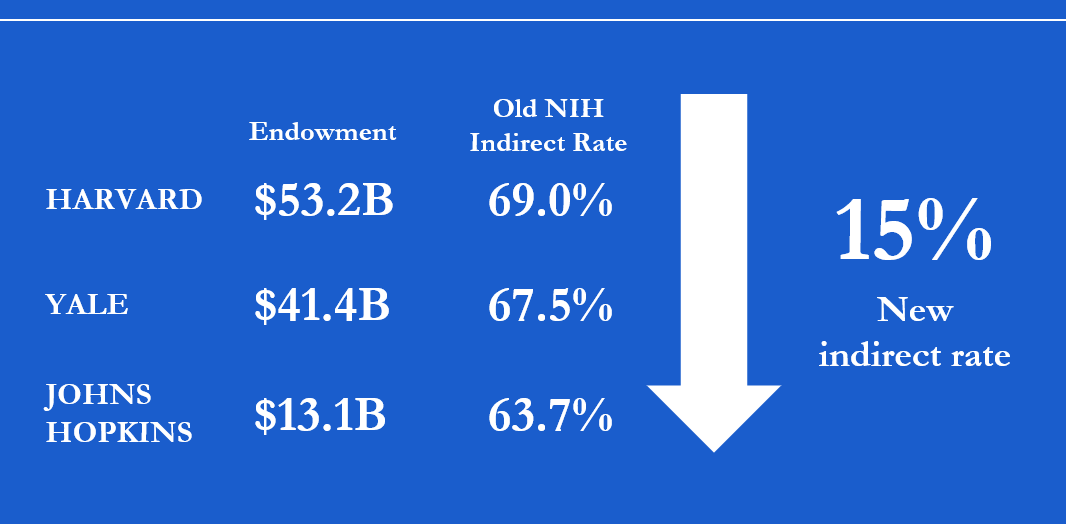
NIH has announced a cut in the "indirect rate" to 15% across the board, in a move that appears to be retroactive to even existing grants. This is a bloodbath for research institutions throughout the country.
Brief explainer for those not in this world:
https://t.co/VUP7tWat7O
Last year, $9B of the $35B that the National Institutes of Health (NIH) granted for research was used for administrative overhead, what is known as “indirect costs.” Today, NIH lowered the maximum indirect cost rate research institutions can charge the government to 15%, above what many major foundations allow and much lower than the 60%+ that some institutions charge the government today. This change will save more than $4B a year effective immediately.
We lost a true pioneer in the field of neuroscience and neuropharmacology, Dr. Floyd Bloom. Words can hardly capture the enormity of his contributions. His work was essential to our understanding of how neurotransmission works and how it influences mental disorders.
Floyd’s influence extended far beyond his own research. He was a mentor extraordinaire, guiding the careers of numerous leaders in the field. The entire Salk and Scripps’s crew, including myself would not exist without him. I remember vividly how he edited my first paper in the addiction field, I was so intimidated at first but he was so kind, curious, and collegial it changed my mind about what a leader should be like. His former crew, Maury and Elena, were pivotal in the early days of setting up my own lab.
Sigh
Rest in peace, Floyd.
"Ultimately, what really interests me are the important features of neural activity that make our complex thought possible..."
Profile Link: https://t.co/C7h3NqnpkF
—OneNeuro Profile: Daeyeol Lee, Bloomberg Distinguished Professor @daeyeol_lee https://t.co/VkMNoSmFIn
Year over year ROI from government investment in research is 30-100 percent. Far more than the stock market and most of the private sector.
https://t.co/NcLAAVfTCz
https://t.co/rxsG23fOwa
Congratulations to John C. Malone Associate Professor of Electrical and Computer Engineering @MuyinatuBell on a $13 million @ARPA_H award, which she and her team will use to develop a transformative diagnostic tool for #lungcancer detection. https://t.co/BoN5AB09XK
"What drew me to Alzheimer’s in the first place was the clinical aspect of it, and I liked the theories of computational anatomy in terms of using math to describe the anatomical shapes of the brain and biological data. I also really liked the fact that I work with images or pathology specimens from humans. That was before I started with the mouse, but that drove me into this work. That speaks to the MD/PHD path – even if you’re working with mouse models or something else, what is driving you in the end is reaching back to the patients."
- OneNeuro Student Profile: Kaitlin Stouffer, MD-PhD Candidate
Profile Link: https://t.co/R5Yrv5Ivm7
@HopkinsMedicine@HopkinsEngineer@JohnsHopkins
🌟 Cai Lab @Nature paper alert! In new work led by @mysteriousjoe_, we find that rest periods after learning not only stabilize new memories BUT ALSO integrate new memories with older ones from days past! (1/9)
Read it here: https://t.co/Ur8dbGfuP3
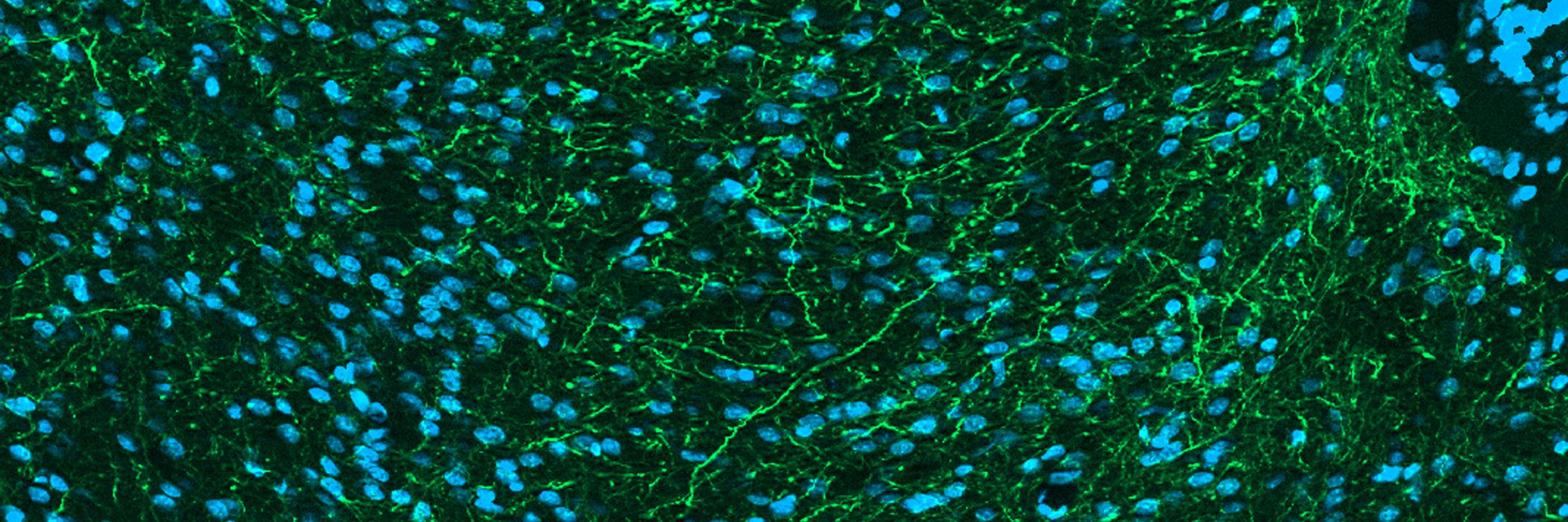
For #FluorescenceFriday - very excited about these experiments characterizing molecular landscape of human nucleus accumbens - credit for this stunning image to @YufengDuYufeng@SvitlanaBach
Happy Halloween!🕸️🎃Andrew Gordus, Assistant Professor of Biology at Johns Hopkins, on all things spidery in the latest OneNeuro Profile.
Profile Link: https://t.co/wB28XiwZSy
"Spiders are our friends. There is a paper that came out a couple of years ago in Current Biology about the spread of misinformation, and the topic they investigated was spider myths because those are some of the most common myths out there. There are a lot of sensationalist anecdotes about spiders that are almost all false. Most “spider bites” are insect bites, or bacterial infections. I don’t mind spiders in my house because they eat the insects I don’t want in my house, like ants, termites, and flies."
- OneNeuro Profile, Andrew Gordus, PhD @elegansdiversus
@JHUArtsSciences@JohnsHopkins
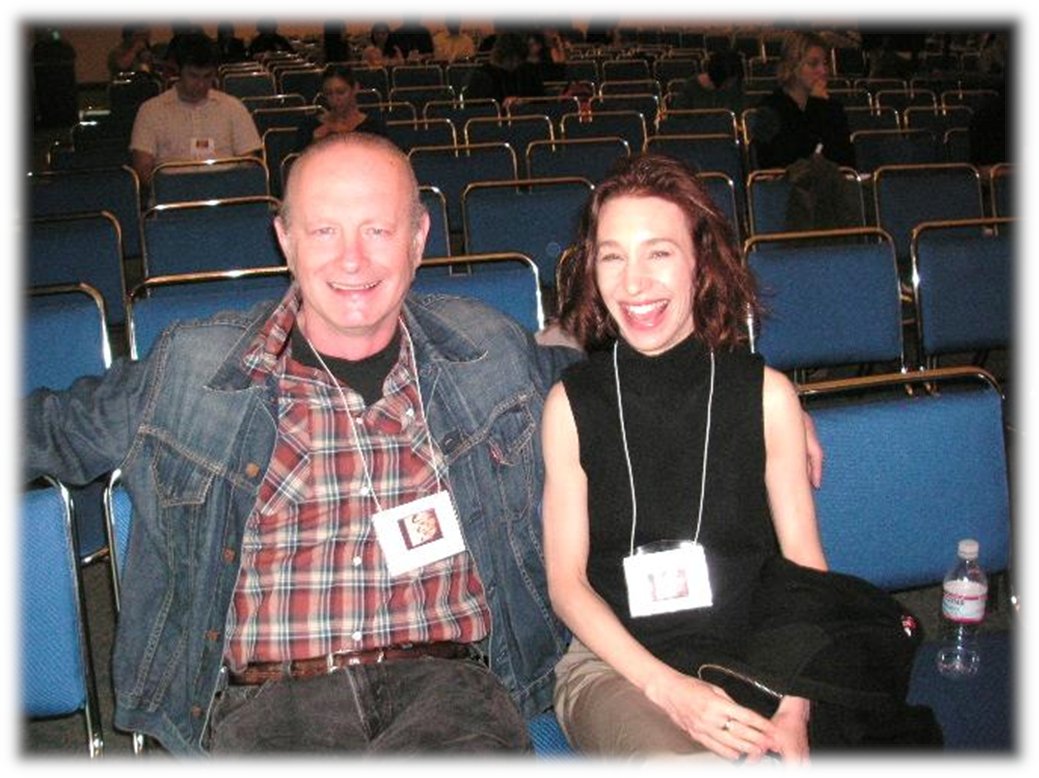
On role models and Joe LeDoux (@theamygdaloid) . My reflections on Joe's influence on my career out in Cerebral Cortex https://t.co/d9kobuVS8H. And a pic from waay back.
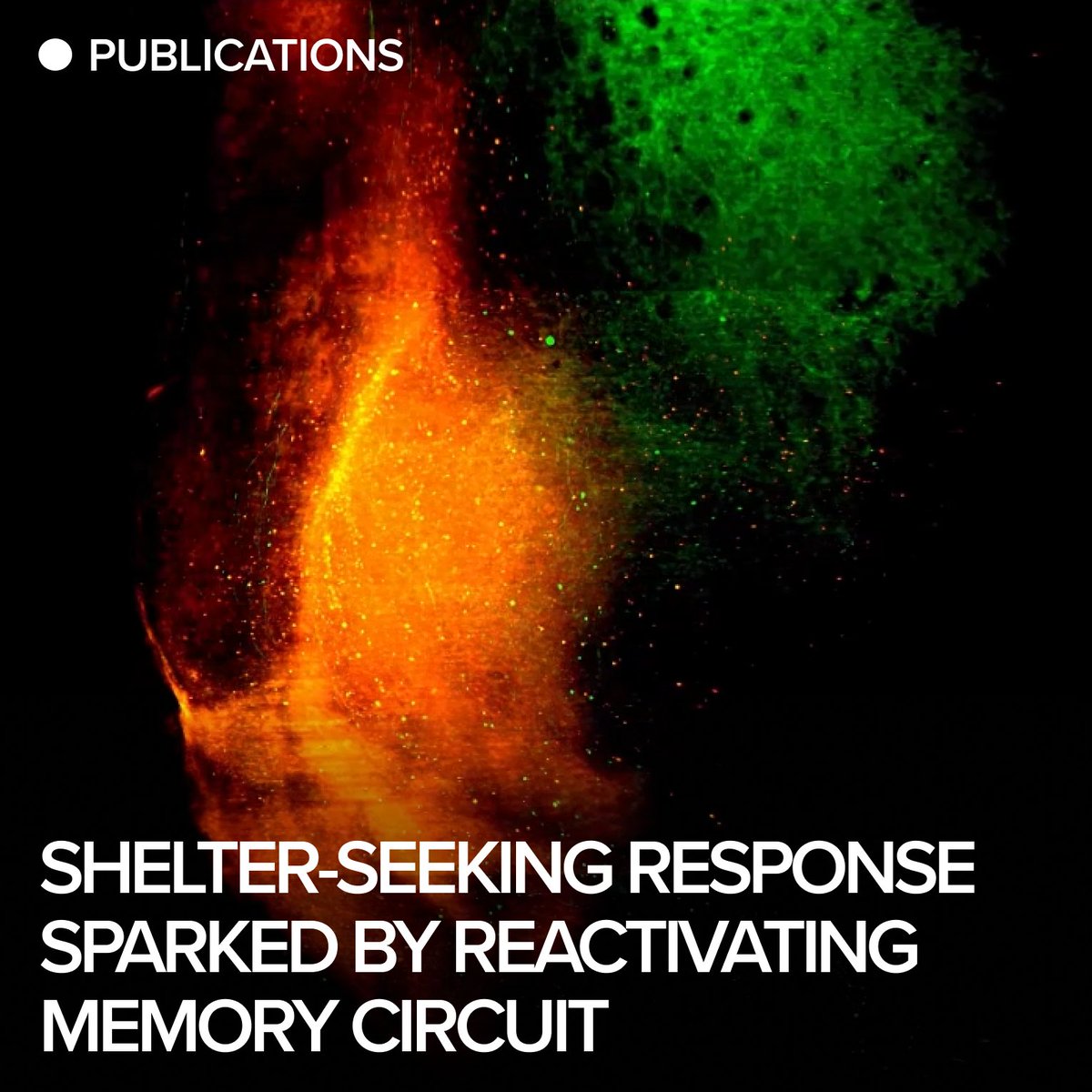
Hyungbae Kwon, Ph.D., and colleagues have successfully used optogenetics to artificially reactivate a spatial-memory, prompting shelter-seeking behavior in mice without the original threatening stimuli that were present during the formation of the memory circuit.
Their study advances our understanding of mammalian spatial-memory structure and formation.
“If we understand the macro-level structure of memory, then we may be able to develop more effective strategies to prevent or slow down neurodegenerative diseases using this method,” says Hyungbae Kwon, Ph.D.
Full article: https://t.co/wfhaWvBSd0
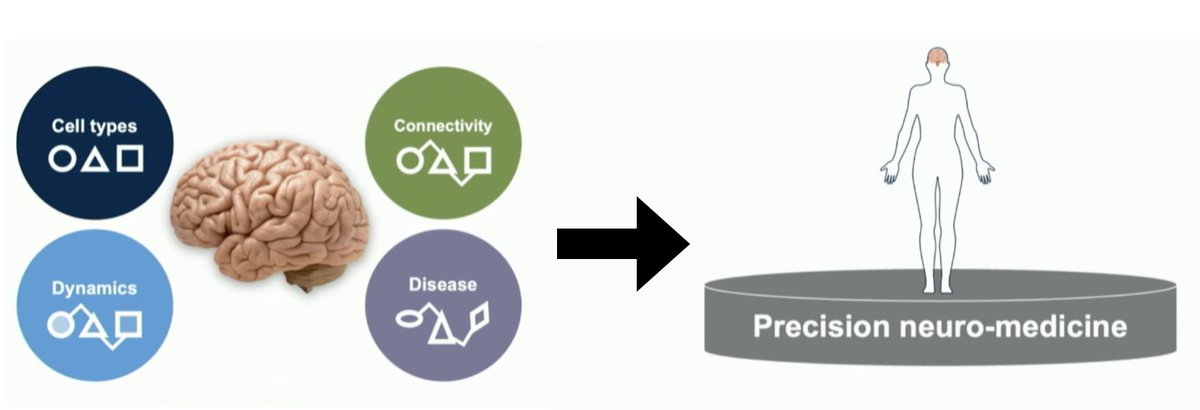
Stellar @SfNtweets lecture by @ruimcosta : Presenting a clear roadmap for a revolution of neurological treatments grounded in rational circuit analysis. The causal integration of the ultra-large data sets is becoming reality! @AllenInstitute
We are hiring in systems and behavioral neuroscience! Come join us @JohnsHopkins which is investing big time in the mind and brain. PBS department is awesome - wide breadth of topics, amazing colleagues. We are part of broader neuro ecosystem including @OneNeuroJHU@HopkinsKavli
🚨 Johns Hopkins psych & brain sci is hiring! 🚨
TWO open-rank faculty positions: one in cognition, broadly construed, the other in cognitive neuroscience
We're excited about lots of research areas & approaches, including development & animal cognition!
https://t.co/ngU2ZDQONa