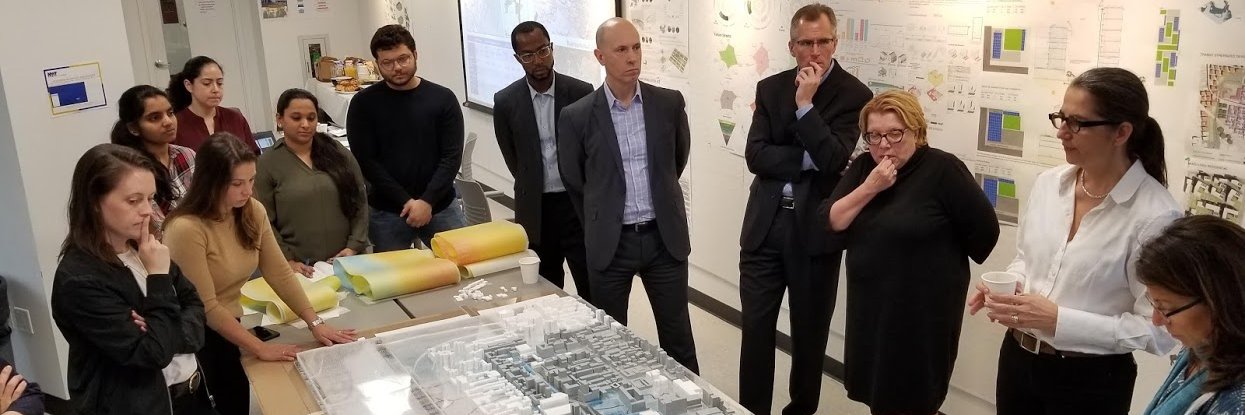
For those interested in the intersection of #extremeheat and #publichealth , the next NIHHIS Annual Meeting is just around the corner. This is such an important effort, particularly as we seek to understand intersectional issues. R…https://t.co/ja0Au81Hb7 https://t.co/gIFHFE1Mqf
It’s hard to imagine and so somewhat easier to ignore, but the data tell us that we’re not seeing, and therefore not thinking, clearly. Why put billions in projects intended to serve 50-100 years w/o considering optionality to address extremes? #PlanAhead https://t.co/MIjBX88rSP
Thanks to Anna Weber at Natural Resources Defense Council (NRDC) for this excellent review of the inherent challenges of growing adaptation without addressing capacities. How might we build more purposeful approaches to intercede in inequitable systems? https://t.co/cIL4sDDe4k
The work on #ResilienceHubs continues to grow and adapt. Is there a Community of
Practice connecting cities to share knowledge and rapidly learn together? Aubrey Germ, AICP, CFM has some excellent lessons from Baltimore and Marc Coudert is building in Aus…https://t.co/5SBrWPRkT6
Yearly these numbers astound, particularly with broader compounding & cascading consequences. Adaptation requires SEEing Differently, with Social, Economic, & Environmental impacts considered contextually with equity. #WeCantUnknowThis#CantWait https://t.co/vsJ6RIifdH
The Heat and Social Inequity in the United States tool examines one of the most significant public health risks posed by climate change: heat vulnerability, via a series of maps.
https://t.co/sQhxxvvZ81
🚨 @EPA is today announcing it's proposed revision to the PM2.5 (soot) air pollution limits - while a step forward, it doesn't go far enough in protecting public health across the US.
More here: https://t.co/1ZOSN5sk5G
Wow! Multigenerational collaboration is central for adaptation planning and so how might we do more like this to make technical discussions more accessible and engaging? https://t.co/Vm6ETXh2rG
Amazing gumption, a word we need to use more often when it comes to addressing One Health. Maybe we start by combining COPs and finding our own ways of destabilizing market systems that thrive on monotonies. Way to go Crouch Family! https://t.co/oZSM3KWqxp
Amazing multi-media piece from @washingtonpost. The flood maps we rely on to guide development decisions can vastly underestimate where it will actually flood. @FEMA needs to start accounting for climate impacts in these maps. #FloodFEMA
https://t.co/Is8JelvVO0
Managed Retreat in the Gulf Coast is the focus of an ongoing consensus study we're doing with NASEM. On 12/13, the Academies will host a panel on regional approaches to property acquisition as part of this effort. Please join us. https://t.co/vwjmF8TSpM
Interesting to read about Woody Encroachment, the reported dire threat to cattle and sheep ranches and a growing impact on the forage areas necessary to fuel more meat production. “Trees aren’t supposed to be here.” Perspective is everything. https://t.co/5aBO8OY0YB
@sidersadapts Hey Siders - our team is migrating to https://t.co/smTcNV5rV3 given @LaddKeith rec’d it. Waiting for our confirmations from @joinmastodon.