Check out this INCREDIBLE timelapse from the @NASAArtemis II mission, made by Reddit user ResponsibilityNo2097, showing the Earth as Orion soared away toward the Moon. The closeups in this video show satellites!
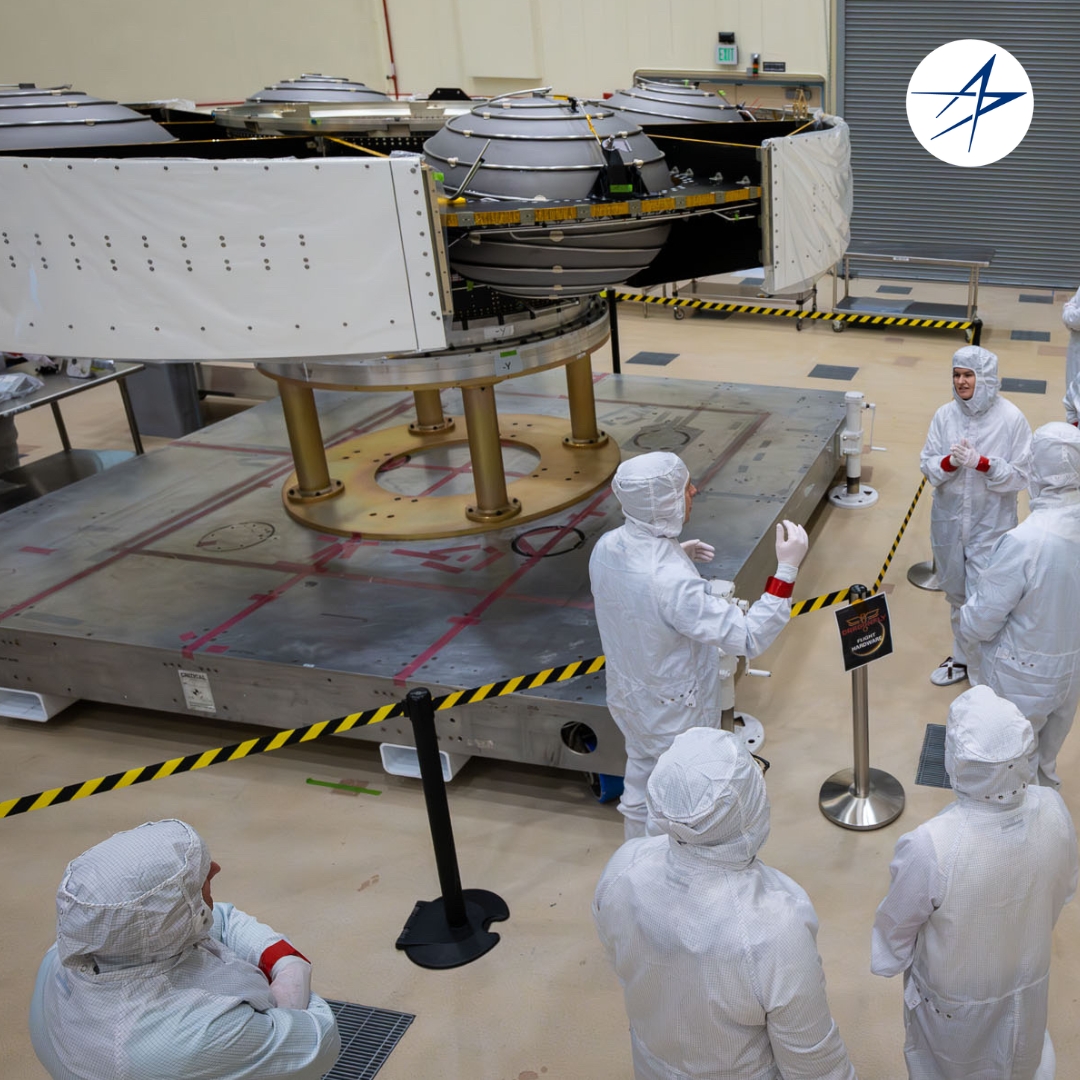
New Dragonfly hardware! Last week, leaders from NASA visited our facilities to see the aeroshell and fuel tanks for @NASASolarSystem's Dragonfly, a partnership w/@JHUAPL.
These technologies are critical for the nuclear-powered rotorcraft to safely get to Saturn's moon, Titan.
Only one chance in this lifetime…
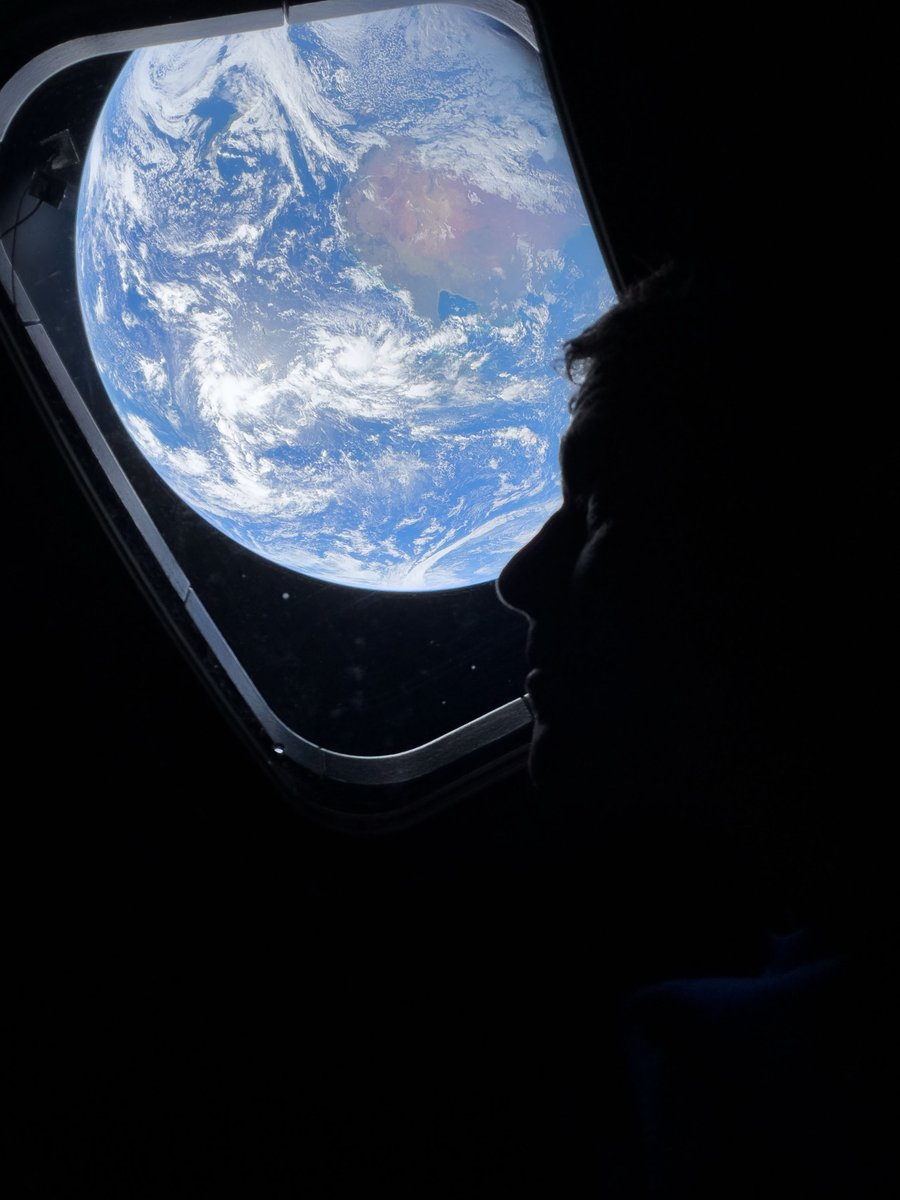
Like watching sunset at the beach from the most foreign seat in the cosmos, I couldn’t resist a cell phone video of Earthset. You can hear the shutter on the Nikon as @Astro_Christina is hammering away on 3-shot brackets and capturing those exceptional Earthset photos through the 400mm lens. @AstroVicGlover was in window 3 watching with @Astro_Jeremy next to him.
I could barely see the Moon through the docking hatch window but the iPhone was the perfect size to catch the view…this is uncropped, uncut with 8x zoom which is quite comparable to the view of the human eye. Enjoy.
I am hesitant to get ahead of a proper data review, but I understand the space community’s curiosity, especially when imagery can give the impression of a problem.
As you would expect, engineers were eager to inspect the heat shield, starting with diver imagery shortly after splashdown and continuing with the review aboard the ship. No unexpected conditions were observed. I suspect when the images are released, it will be pretty obvious the stark difference between Artemis I and Artemis II head shield performance.
As to the question specifically, the discoloration was not liberated material. The white color observed corresponds to the compression pad area and is consistent with the local geometry, AVCOAT byproducts, and transitional heating environments. We observed this behavior in arc jet testing and expected it in this compression pad area.
We will complete a full data review across all systems, including the thermal protection system, and make the results publicly available.
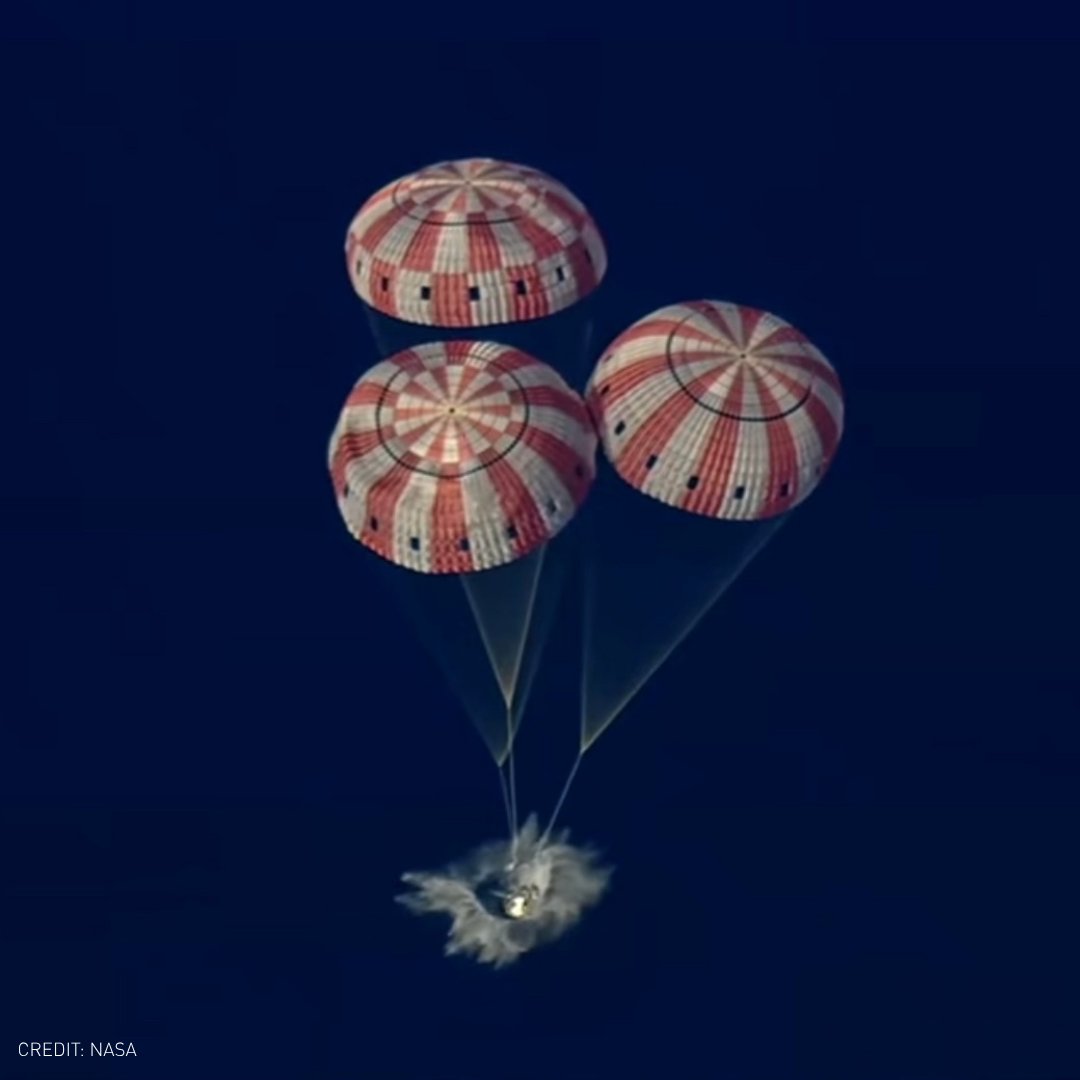
From launch to lunar flyby to splashdown, @NASA's Orion delivers.
Built by our engineers, flown by NASA and its astronauts and witnessed by the world, Artemis II brought us one step closer to living and working beyond Earth.
Integrity makes its debut.
@NASA's Artemis II Orion spacecraft, currently carrying four astronauts on a trip around the Moon, is revealed by the solar array wing camera flying through deep space.
Three years ago, the crew of @NASA’s Artemis II mission was announced—marking the return of humans to deep space.
Soon, they’ll fly around the Moon aboard Orion, carrying us one step closer to a sustained presence beyond Earth.