Buenos días!! Ya está abierto el plazo para el Call for Papers de las @JIAMADRID2024 📣
Nuestra sesión es la número 23 y se titula "Estrategias de subsistencia a través de los estudios tafonómicos".
A partir de ahora podréis enviar vuestras propuestas a [email protected]
Some neat still images from our trail camera footage from last summer!
We are still slogging through all the footage we collected last summer (spring to fall) so will have more neat stuff to share in the coming months as we continue processing the data.
El contraste entre Thorin y el nuevo estudio de Bossoms Mesa es un buen recordatorio de que en evolución no suele haber una única historia. Las trayectorias regionales importan. Mejor no generalizar sobre los neandertales: https://t.co/LNeljvOlB0
The Wolves and the Sheep (Les Loups et les Brebis), a 19th-century French book illustration (for Hachette's edition of Fables de La Fontaine). Artist: Gustave Doré. Engraver: Paul Jonnard, 1868.
The La Fontaine fable that inspired this image is rooted in the Aesop tradition. In the story, the wolves and the sheep make peace after a long conflict. As a guarantee of the agreement, the wolves give their cubs as hostages, and the sheep surrender their watchdogs. The sheep take the truce seriously and hand over their dogs, but the wolves just use the deal to buy time for an attack. The wolf cubs grow up and wait for the right moment to strike the unprotected sheep, who are now left without their dogs.
When illustrating this story, Doré chose not to show torn bodies or a bloody struggle. Instead, he captured the psychological threshold right before the attack. What he shows us isn't the brutality itself, but the state of being 'left defenseless'.
Y si el debate sobre el bisonte europeo en la Península Ibérica estuviera mal planteado desde el principio?
Mientras unos defienden que nunca estuvo aquí y otros reclaman su regreso, acaba de aparecer un bisonte de hace unos 2.000 años en Urbasa (Navarra).
Abramos el melón🦬🧵
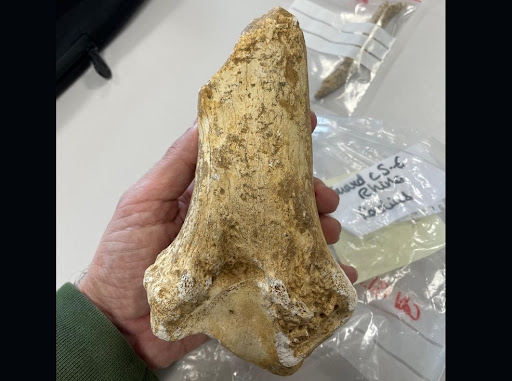
Troben l'esquelet de cria de tapir del Pliocè més complet d'Europa al jaciment del Camp dels Ninots de Caldes. Va viure fa uns 4 milions d'anys i eleva a set els exemplars de diferents edats descoberts durant totes les campanyes.
https://t.co/FoTSazohTp
Out now in @PNASNews! 🌊
Our new paper explores how Neanderthals adapted to coastal environments and scheduled their annual subsistence strategies.
Thanks to everyone who has supported this study over the years! 🫂
🔗https://t.co/e3b30T8ImX
👉 Más de 60 herramientas óseas identificadas, incluyendo retocadores y “soft hammers”. Muy orgulloso de contribuir a este trabajo dentro del proyecto @DEATHREVOL1@ERC_Research , en colaboración con el @CSIC@PACEA_Bordeaux y liderado por @Edgar_TellezP
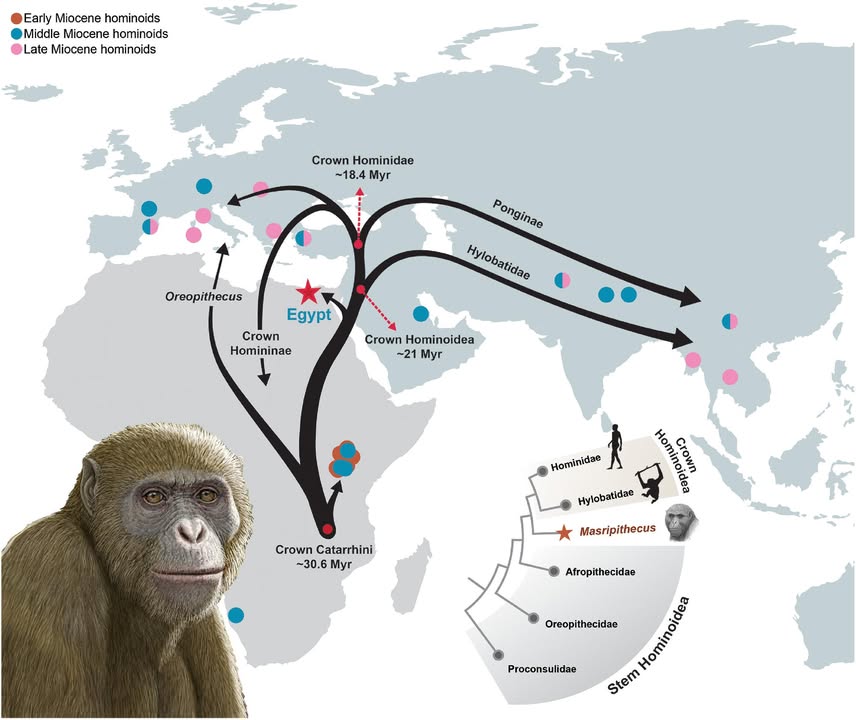
A newly discovered fossil ape from northern Egypt is reshaping the understanding of early hominoid evolution, researchers report in Science.
The fossil finding suggests that the closest ancestors to modern apes may have emerged in northern Africa, outside the traditionally studied regions of East Africa.
Learn more: https://t.co/n3wo0iBuLb
A newly discovered fossil ape from northern Egypt is reshaping the understanding of early hominoid evolution, researchers report in Science.
The fossil finding suggests that the closest ancestors to modern apes may have emerged in northern Africa, outside the traditionally studied regions of East Africa. https://t.co/n3wo0iBuLb
Gata Reina (Princesa Gata). Artista: Konstanty Laszczka (polaco, 1865-1956). Lugar de creación: Cracovia Polonia Fecha: alrededor de 1928. Mediano: yeso; 47 x 22 x 26 cm. Colección: Museo Social de Konstante Laszczka, Dobre, Polonia. Fotógrafo: Przemys ław Pi &tkowski, Fotopia y Museo Virtual.
Hay una historia detrás de esta obra de arte que se remonta a la infancia. El artista se inspiró directamente en un cuento folclórico polaco que había escuchado cuando era niño. En su libro de 1927, Gaw ędy z uczniami (Conversaciones con estudiantes), Laszczka comparte un cuento sobre una hermosa y compasiva princesa que se ha convertido en un gato negro por una bruja celosa.
En la historia, el color de la gata cambia basándose en el amor y la paciencia que ha demostrado; su abrigo pasa de negro a marrón, y luego a blanco puro. El cuento destaca que ningún poder maligno puede detener esta transformación. Es por eso que Laszczka hizo tres esculturas diferentes de gatos: negro, marrón y blanco. Mientras que las figuras blancas y marrones se guardan con seguridad hoy en el museo de Dobre, la escultura negra lamentablemente se ha perdido y ahora sólo se sabe a través de fotografías.
Estudió en París como un joven artista. Durante este tiempo, fue profundamente influenciado por el enfoque de Rodin a la figura humana - tratándola no como una forma terminada, sino como un ser atrapado en medio de una transformación. Esta influencia es claramente visible en esta pieza.
Green hellebore or 'bear's foot', in Scots Gaelic it's 'eileabor-uaine'
Full of mystery and magic, this is a plant of gothic delight, used in potions to call forth demons and curse enemies
#bookologythursday#magic
art: Michelangelo, 1488
"Some tribes have colossal images made of wickerwork, the limbs of which they fill with living men; they are then set on fire, and the victims burnt to death"
The Gallic War, Caesar
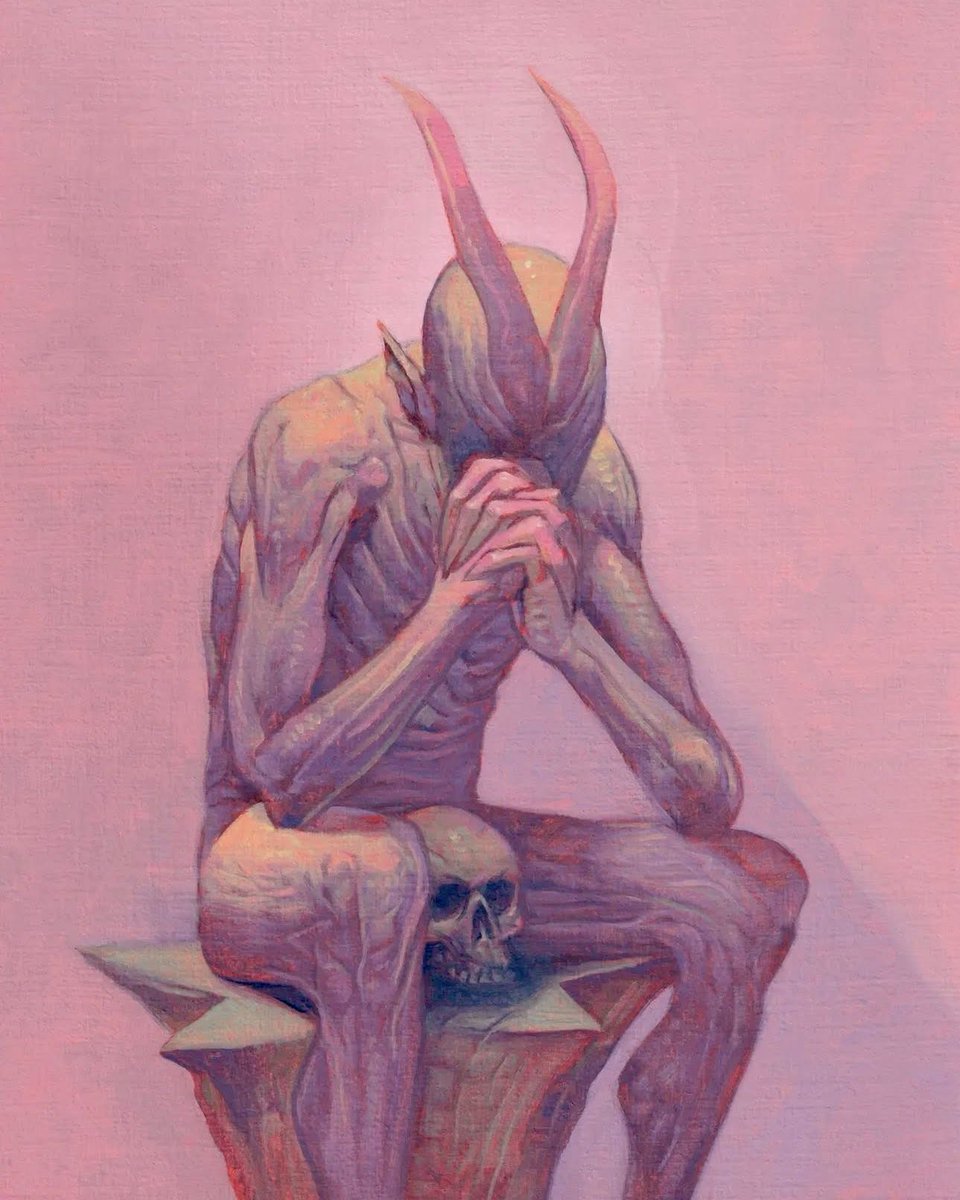
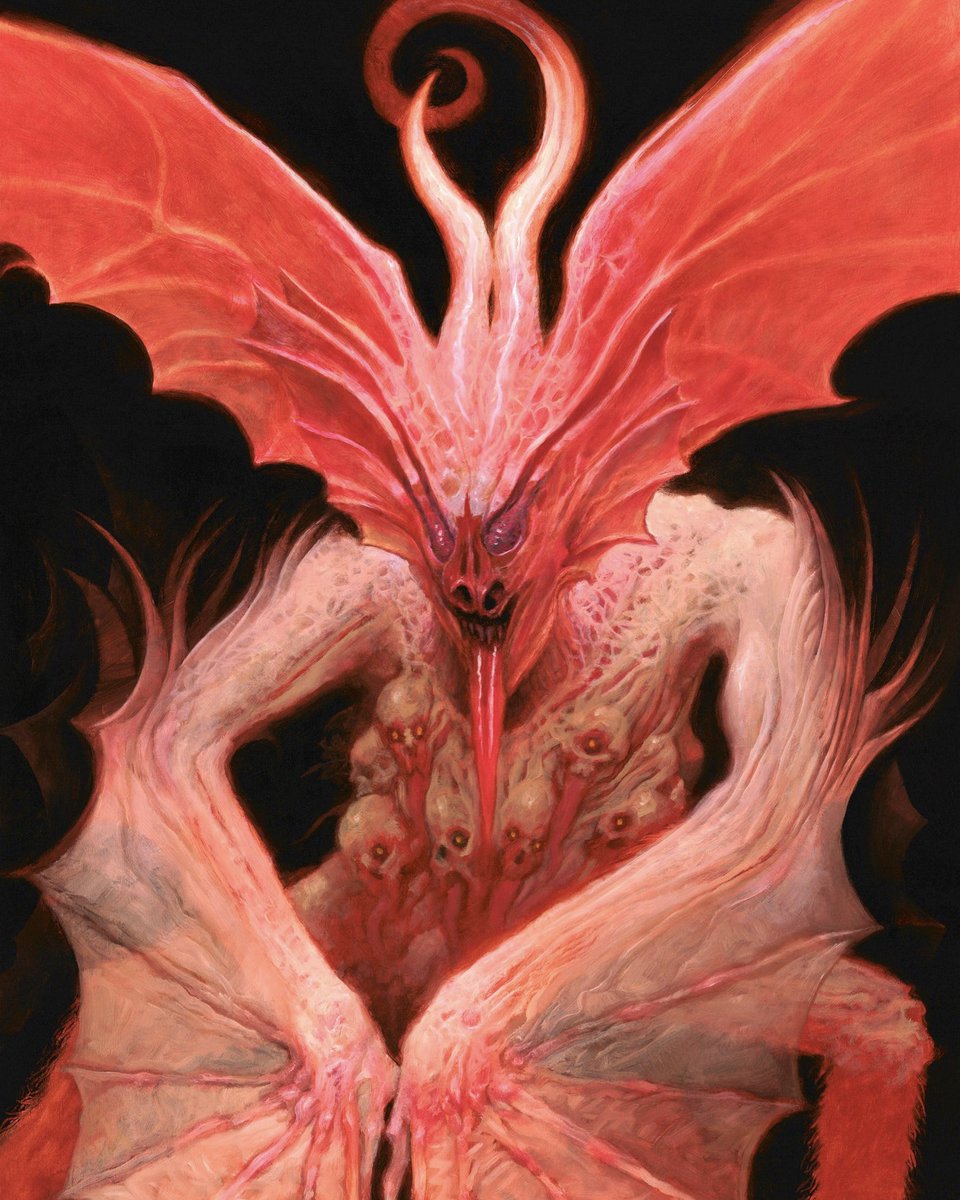
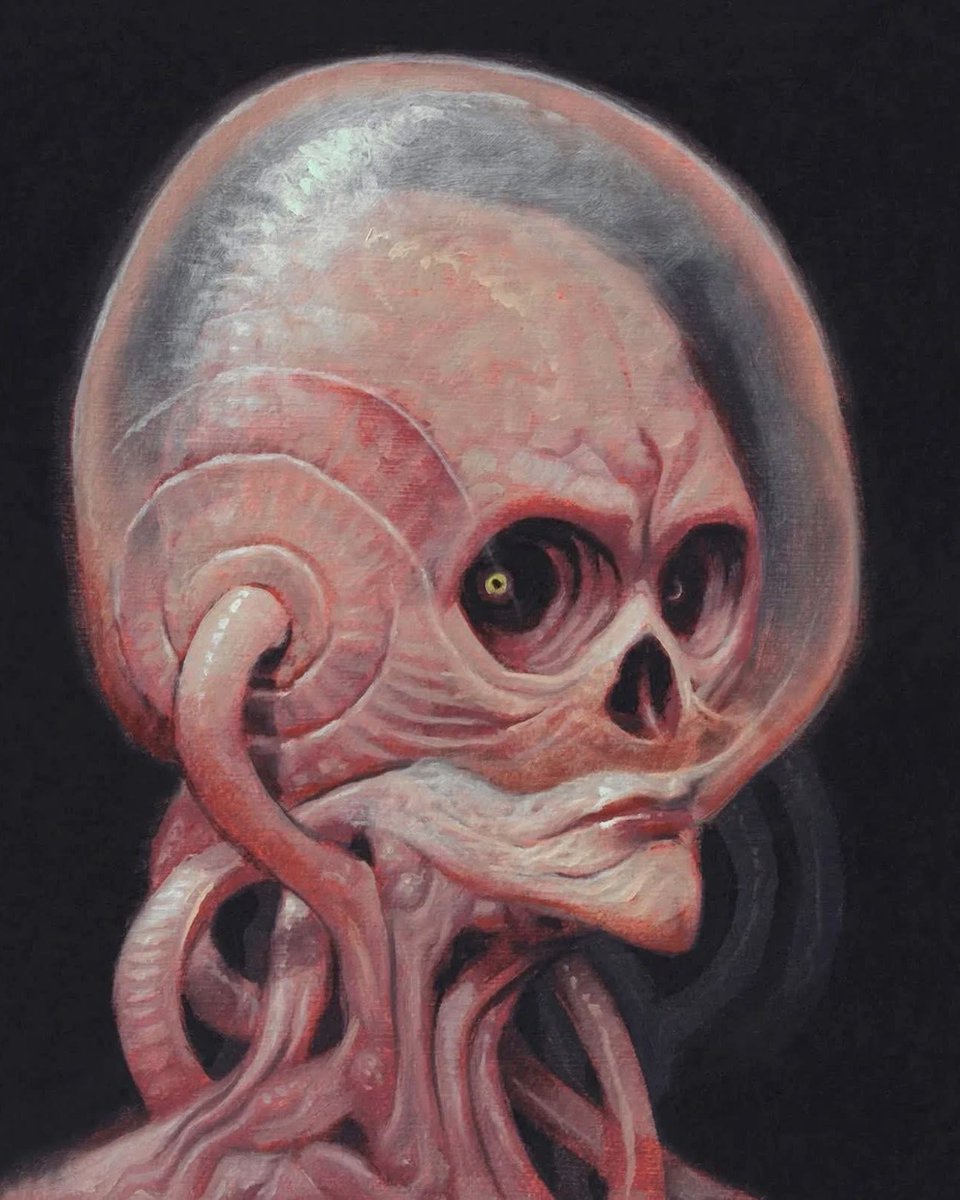
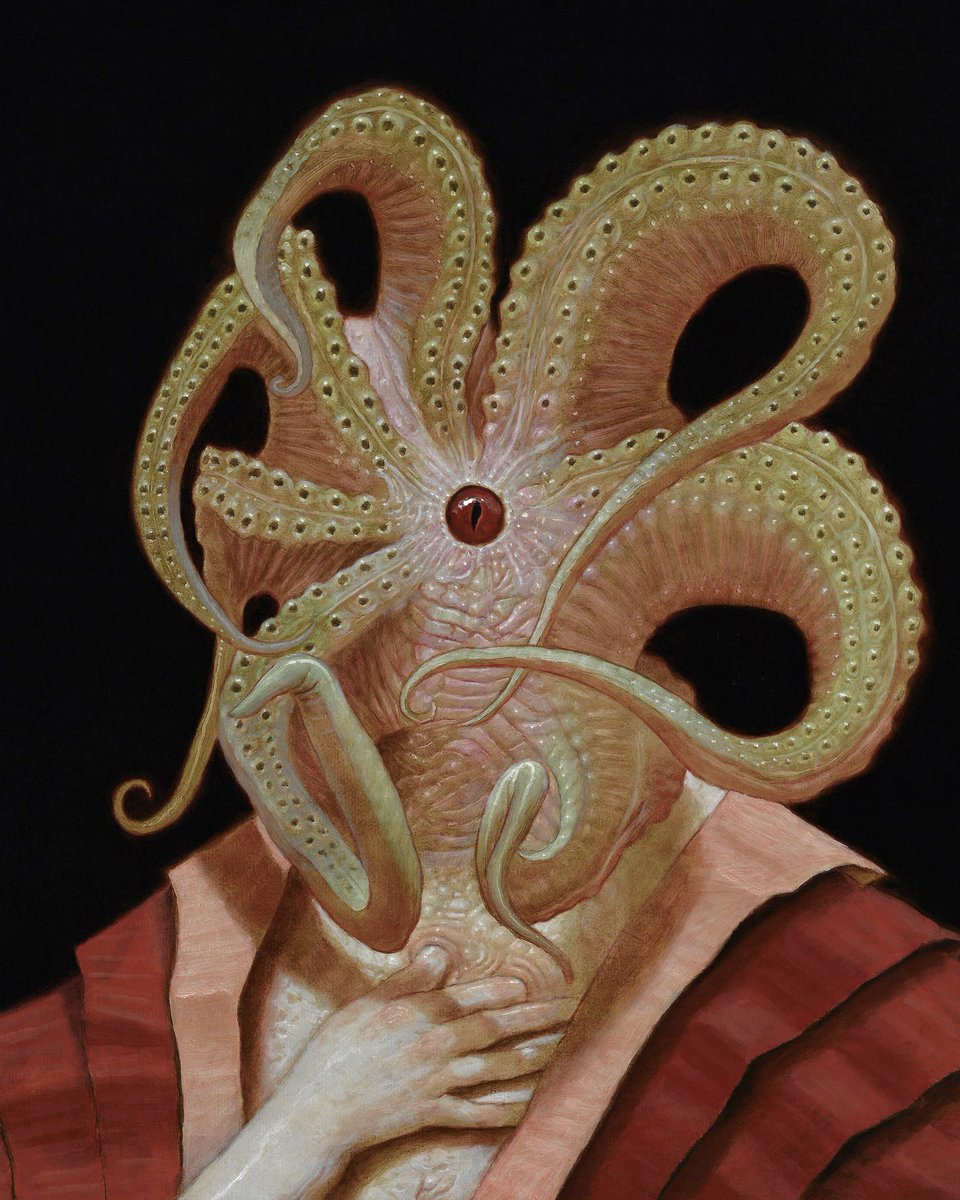
Jorge Castañeda, under the alias Dos Diablos, is a Mexican artist who works primarily with oil paint to construct portraits of deformed creatures and unsettling figures, combining technical resources drawn from classical painting with imagery tied to horror, the religious, and the grotesque. @dosdiablosdos 👹🔥