I was interviewed in Vox about my new book, and a question on the meaning of work let me discuss something I have been thinking a lot about, comparing the logic of industrialization to the logic of craft: "You’re a hand-weaver in a world of power looms." https://t.co/DcxTy5wp2v
@RealAdamHunt "designing modern lives that honour and work with those ancient constraints.”
Have you written or podcasted about what this might look like?
Do you struggle with distraction, eat too much, and worry about distant crises?
Two thousand years ago, those were the problems of an emperor. Today, they’re the problems of ordinary people.
For most of human history, few people had those problems. Scarcity imposed its own discipline: food was limited, physical exertion unavoidable, entertainment scarce, and everyday survival demanded attention.
Now, calories are abundant, physical exertion is optional, and entertainment is endless. The challenge increasingly isn’t gaining access to things, but regulating our access to them.
From @AdamOmaryPhD: https://t.co/GULH90Mfnl
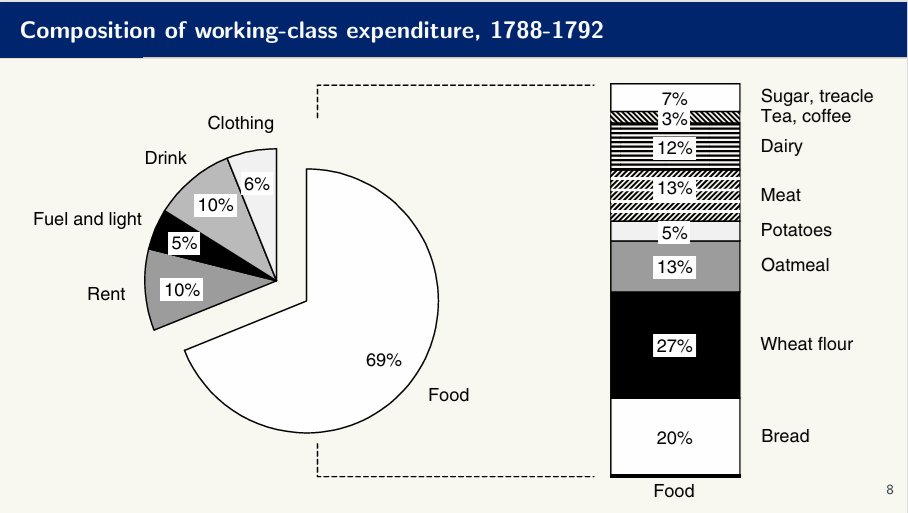
Lots of great data in this presentation, but this is an important one for understanding the poverty of the past: the working class in England in the late 18th century spent almost 80% of their income on food and drink
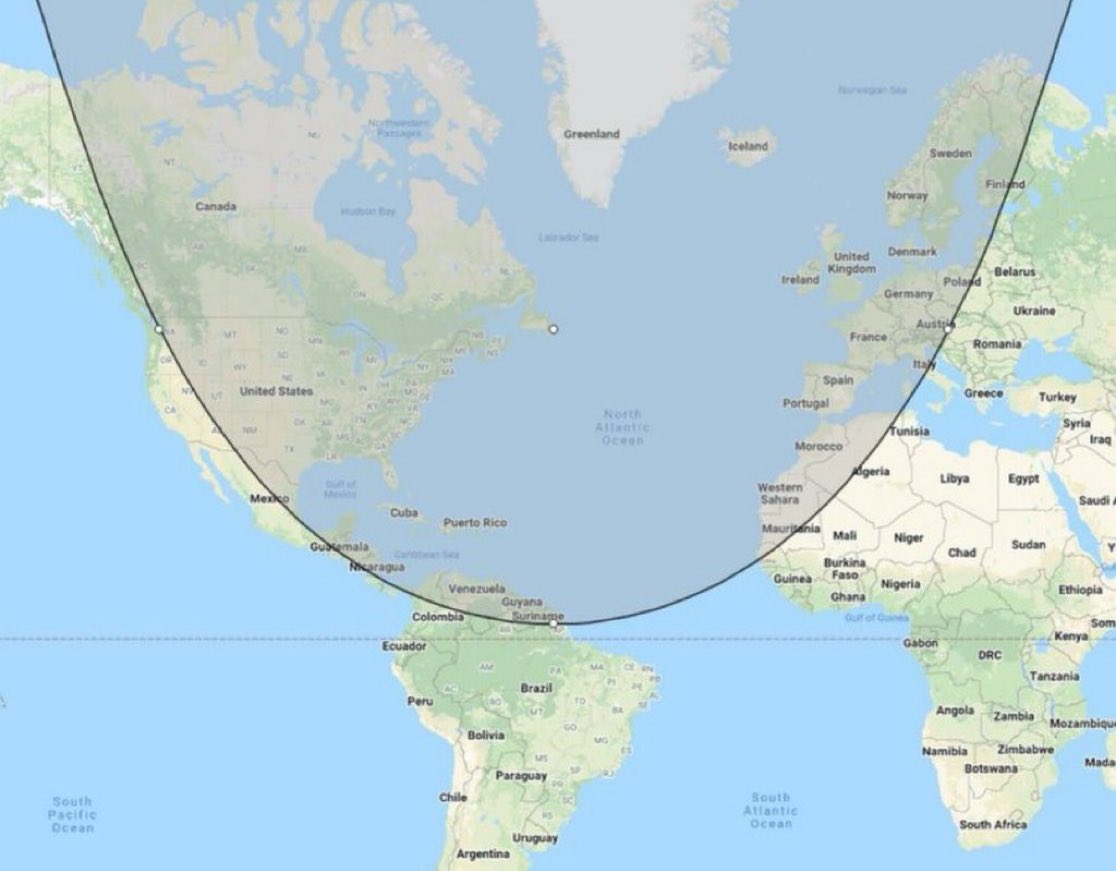
idk why but i find it so funny that the euro banknotes featured FICTIONAL bridges so as to not cause conflict between member states but then a dutch town decided to just build all of the bridges to claim them??!?
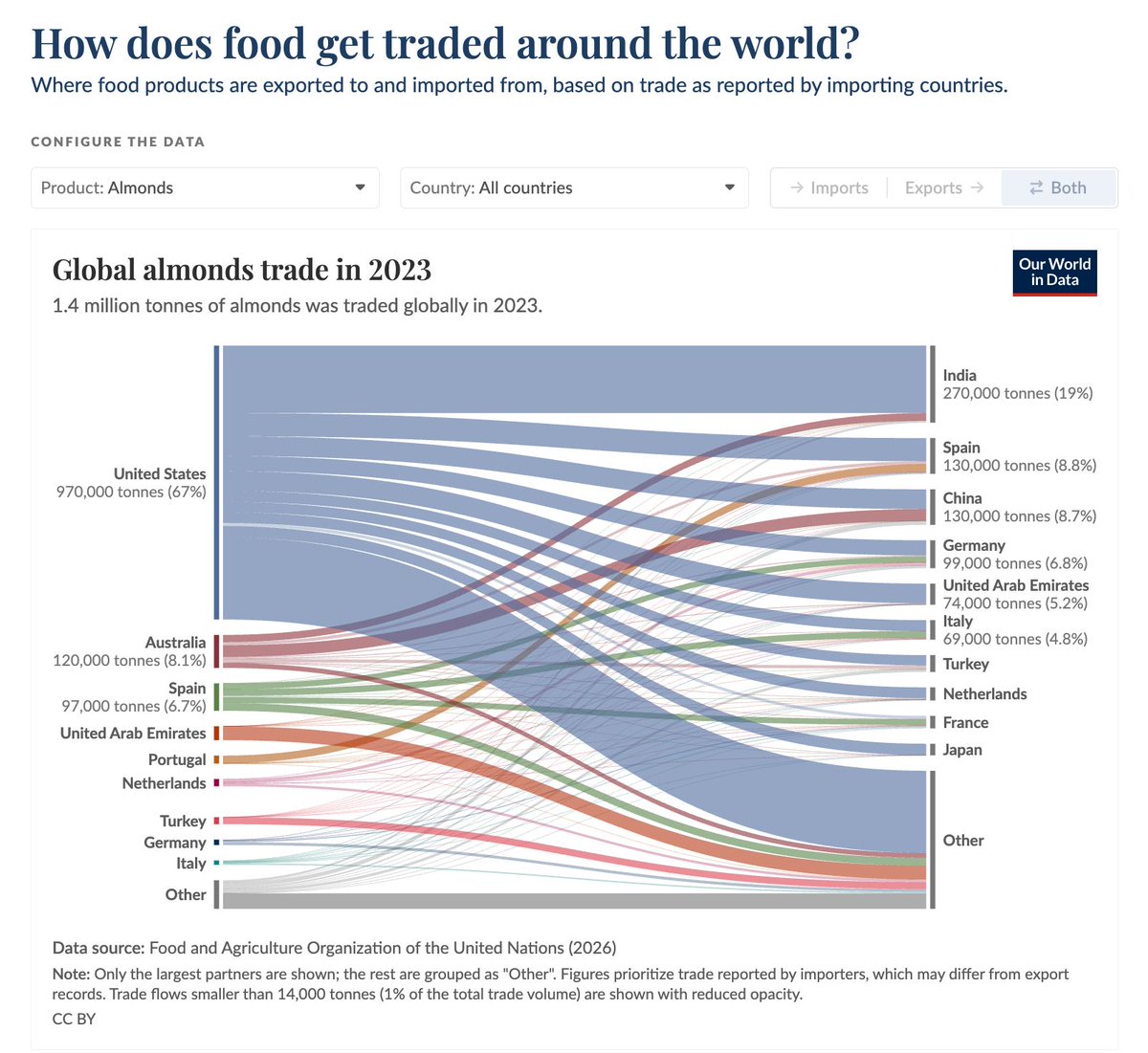
Food trade: this tool lets you see how food — from almonds to soybeans to yogurt — gets traded around the world. You can also explore the data by country, seeing how different foods flow into and out of your chosen country.
→ https://t.co/0dkVr2O4fz
Mainstream psychiatry asks "how is this brain different from a healthy one." Evolutionary psychiatry asks "what is this brain doing, and what was it built to do." The first question has produced a century of correlations. The second is where the explanations live.
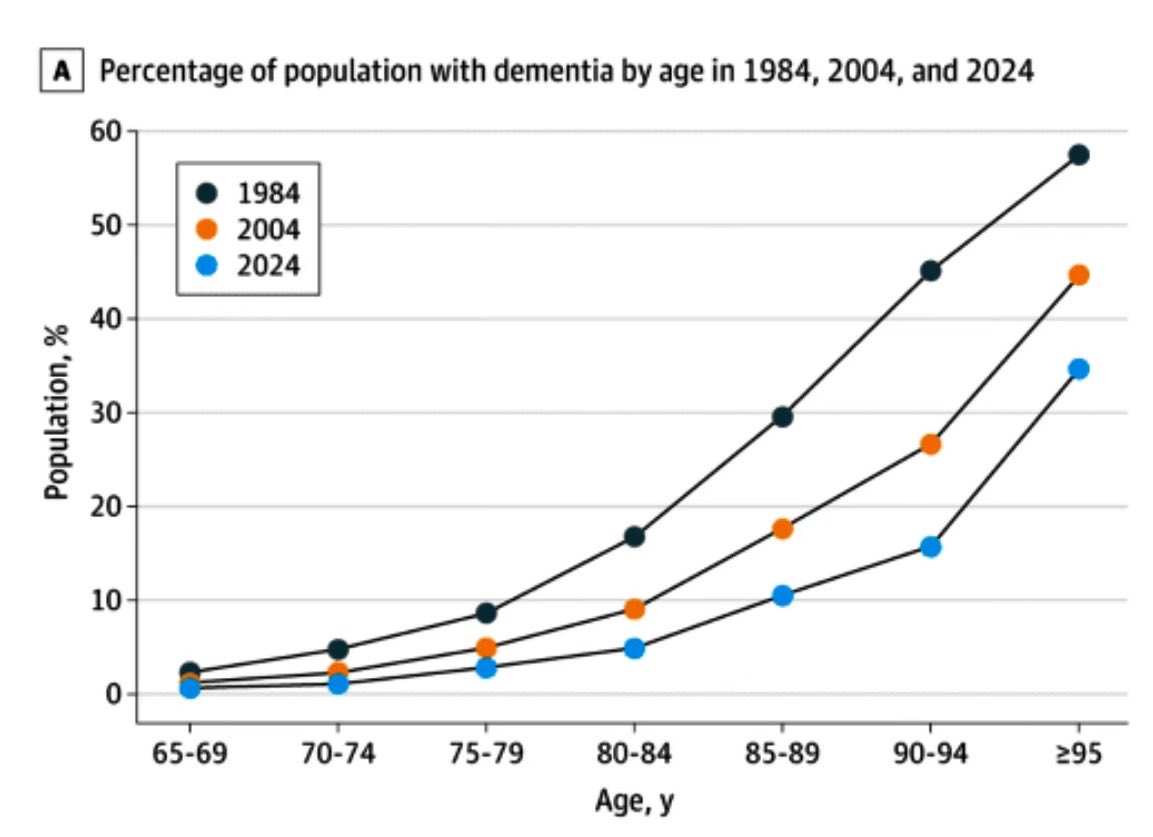
The odds of having dementia at age 85 were close to 1 in 3 in the 80s; now they are 1 in 10.
I don’t think we have a great explanation: better cardiovascular health, diet, and education are often mentioned. Good news nonetheless.
Carnall Farrar. (2025, March 27). Dementia trends.
The core focus for the AI Labs really is "make the smartest model you can so it can make better models so it can make a superintelligence 1st." That is where the money goes
The fact that they ship a whole bunch of consumer and B2B products using those models is almost incidental
@chrisaikenmd I just listened to part 2. I'm curious about fatigue being a side effect, since people with TRD typically already struggle with fatigue. Could you please elaborate on that?
@nycbotanist @evemosher After reading Albion's Seed, I once tried to describe the English aristocrats that settled Virginia to a friend. They were not just murderous with their slaves; they beat their children, their wives, and their horses, and they shot each other with abandon. https://t.co/wsS5wePKli
While the share of people in extreme poverty has been falling since the 19th century, the total number didn’t begin to decline until the late 20th century, when rapid economic growth spread worldwide.
Since then, poverty has fallen to the lowest level ever recorded.
Explore the data: https://t.co/HTO76iNEDo
People who are too jaded to look out the airplane window are almost as depressing as the city dwellers who never stare up at the architecture around them (because only gauche tourists do that). Life is too short to be bored, retvrn to awe and wonder
Two Calabar princes were betrayed by fellow slave traders in 1767 and ended up being captured and sold as slaves. Nothing prepared me for what they did when they returned to Calabar, see the last sentence! I screamed! No be today African elites start their wickedness.