Dr. Ken Wu, a pediatric doctor and NEJM editorial fellow from 2019 to 2020, reflects on his decision to apply for an NEJM editorial fellowship, some of the highlights of the fellowship, and the impact it has had on his career.
Sound interesting? NEJM is looking for physicians at any career stage to apply for a one-year, full-time, paid editorial fellowship beginning in July 2027.
Several fellows will be selected for the 2027–28 year; applications are due Saturday, August 15, 2026.
To learn more and to apply, visit https://t.co/azYvhVhs8d
For more reflections from prior NEJM fellows and for more information, visit https://t.co/RdW5a5Jrnn
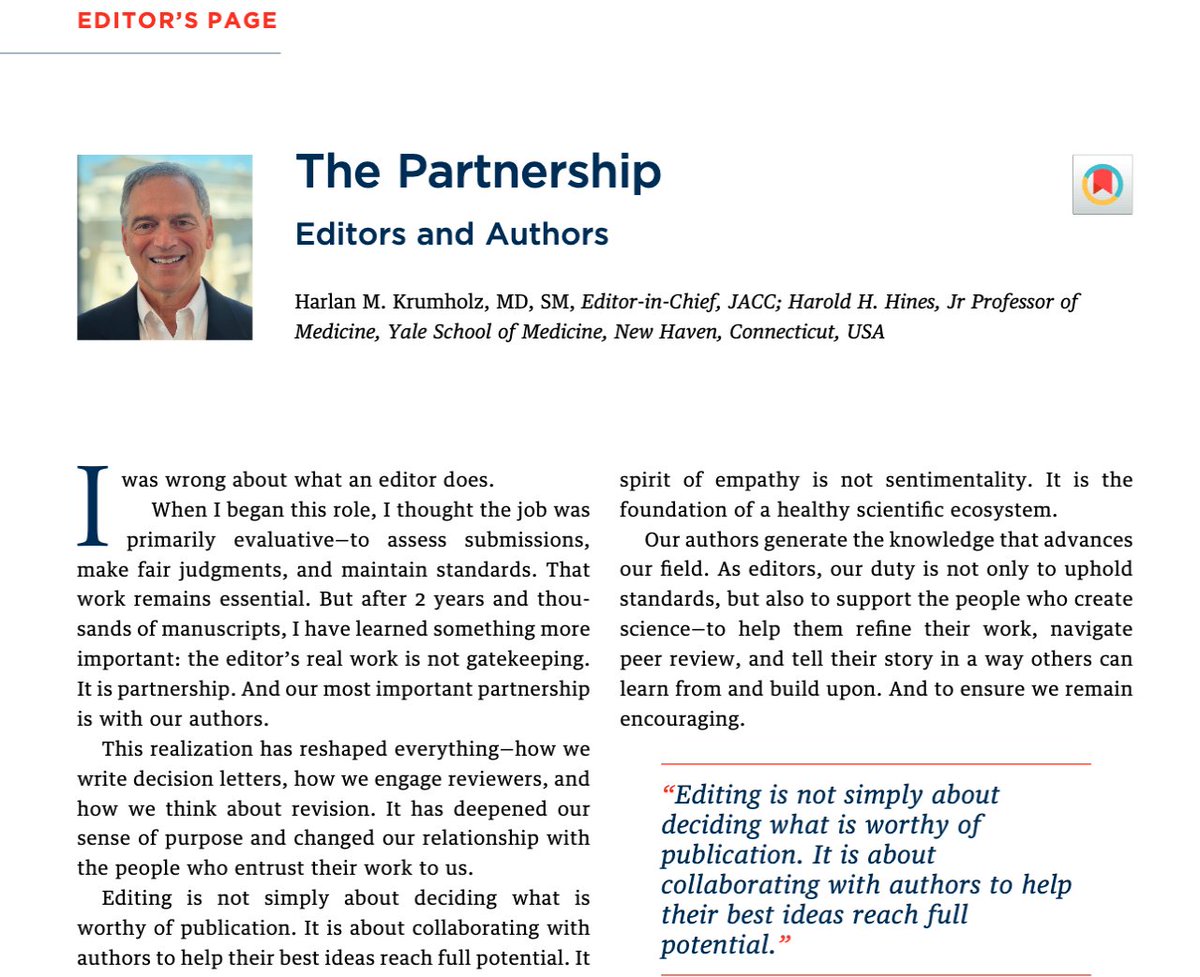
Honored to begin as Editor-in-Chief of @CircAHA.🫀
I am grateful to the extraordinary leadership of @josephahill, who set the bar high. The new Circulation team is ready to carry the torch forward.
First issue out today: https://t.co/OPJx44nU5e
@American_Heart#Cardiology#AHA
For decades, Circulation has guided the field. Now, a new editor continues that legacy while shaping what comes next. We're excited to announce Bradley A. Maron, MD (@bradleymaronmd) as the next Editor-In-Chief.
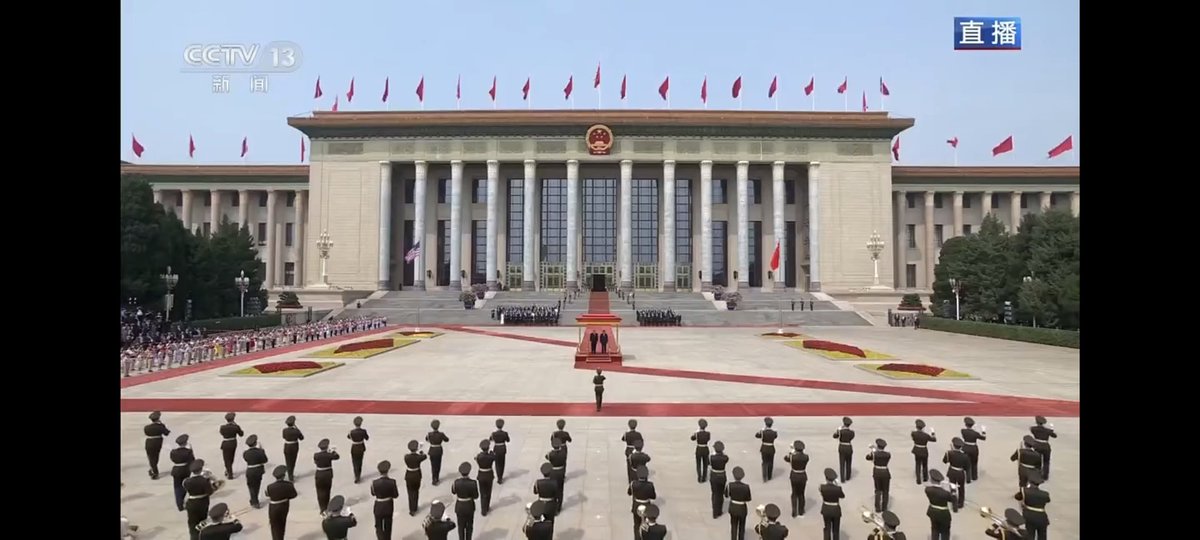
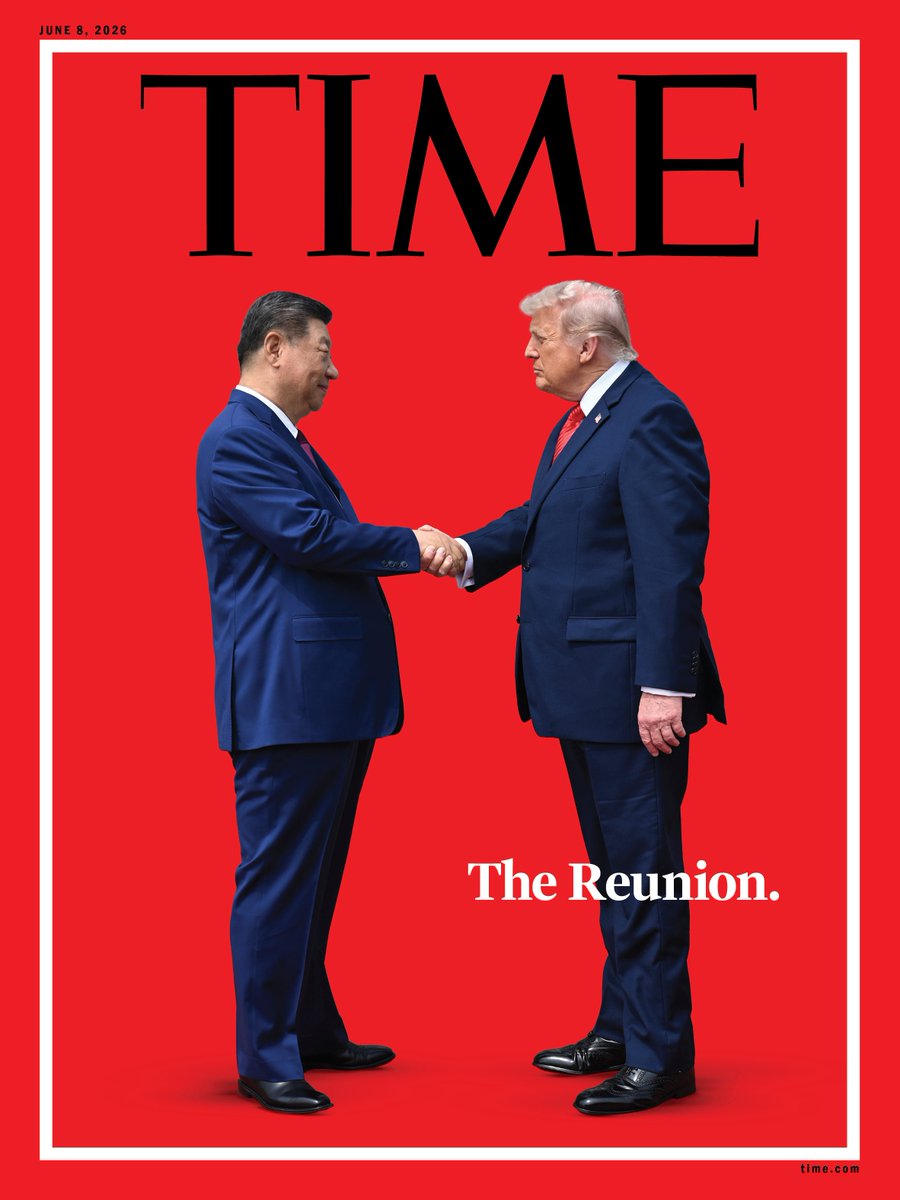
"This bond of commerce and respect that stretches back 250 years is the foundation for a future that benefits both of our nations." - President Donald J. Trump 🇺🇸🤝🇨🇳
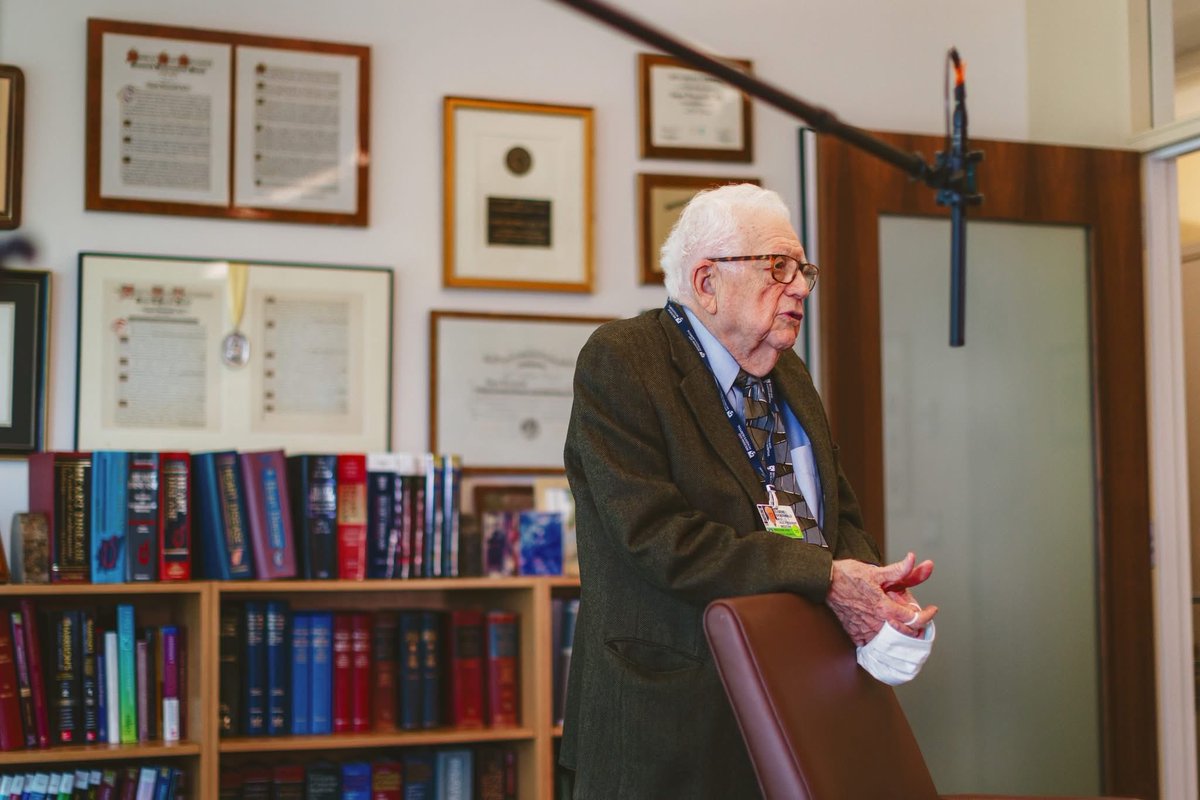
Remembering Dr. Eugene Braunwald (1929–2026) — the “father of modern cardiology.”
We interviewed him in his office in 2022. Even then, his passion for science and patient care was unmistakable.
A leader at @BrighamWomens and @HarvardMed, his work transformed heart care. ♥️
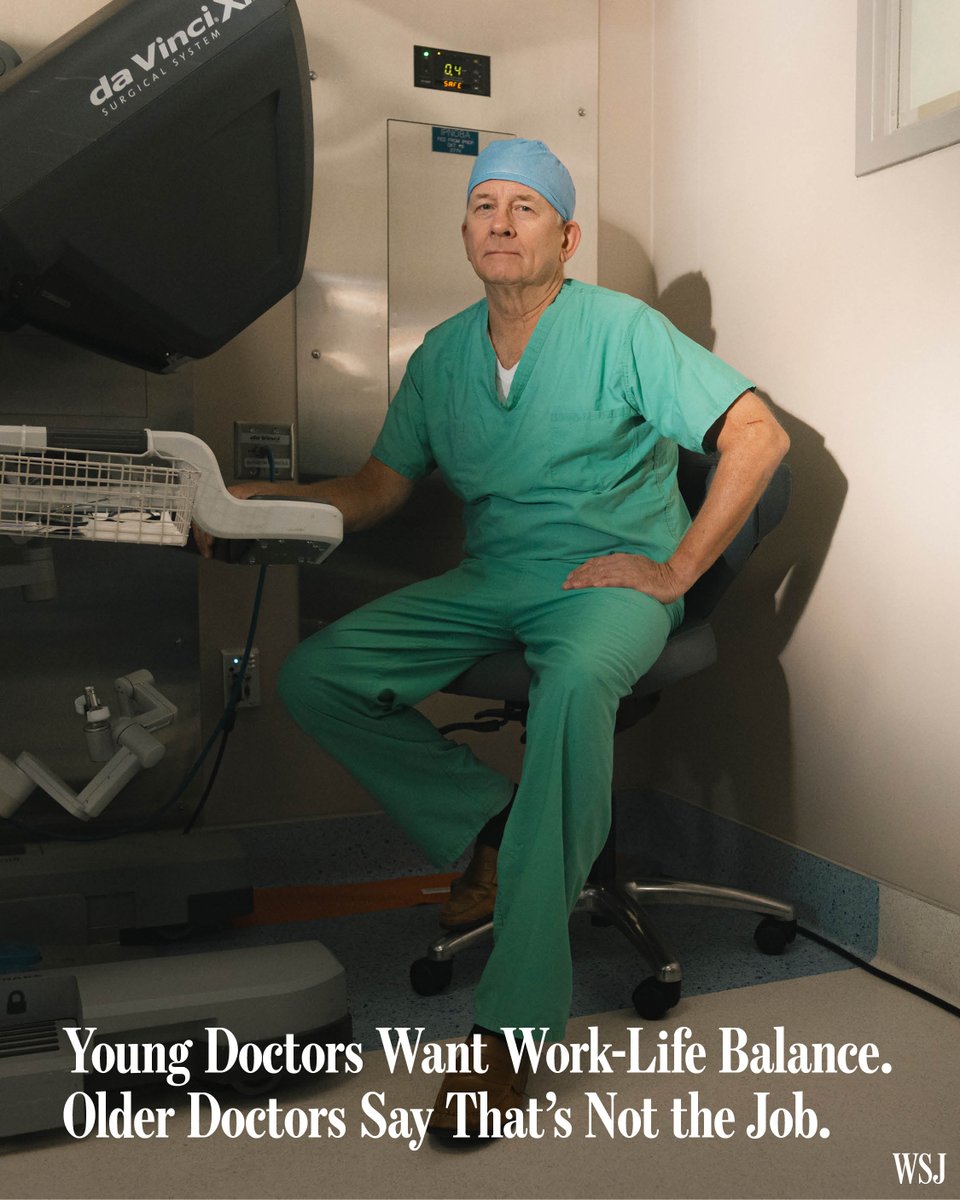
Doctors for generations accepted being at the mercy of their pagers. Now, younger physicians are questioning medicine’s workaholic culture.
“All us old guys are taking ER call, and you got guys in their 30s at home every night. It’s just a sore spot.” https://t.co/tDmCkzAEYB
Molecular mechanisms of host-microbiome interactions:
We teamed up w/@CellChemBiol for a Collection of articles uncovering mechanisms by which microbes communicate with their hosts, shedding light on various conditions & offering therapeutic avenues.Enjoy!
https://t.co/TIK3zt8TZz
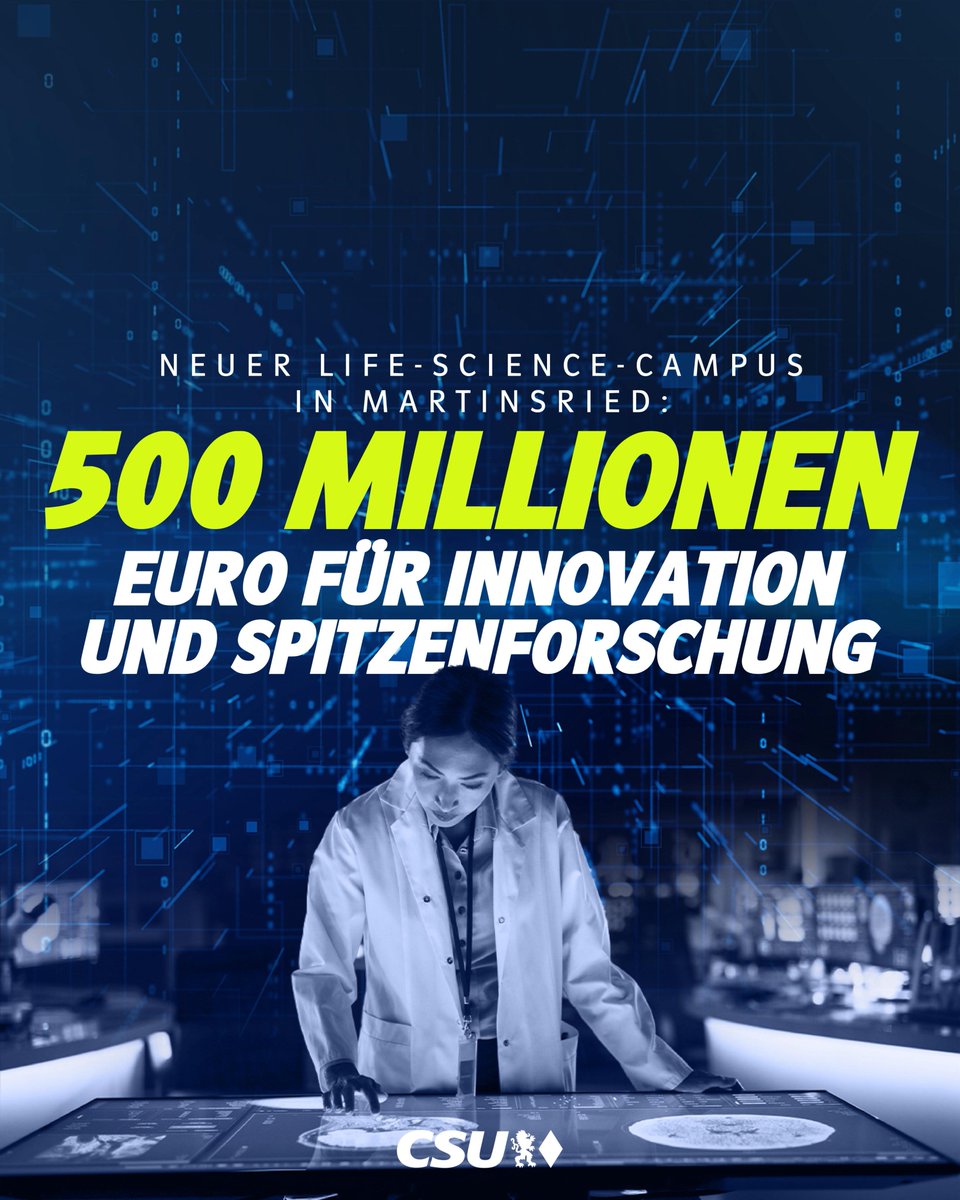
Bayern ist eine führende Hightech-Region in Europa. Heute war dazu ein weiterer Meilenstein im Kabinett: Wir starten Europas stärksten Life-Science-Campus in Martinsried bei München gemeinsam mit der Max-Planck-Gesellschaft. Das ist zentral für den Pharma- und Medizinstandort Bayern. Es geht um Grundlagen und klinische Forschung für Bio-Intelligenz und Bio-Chemie etwa zur individualisierten Krebstherapie. Wir machen dazu ein umfassendes Update für 2000 Mitarbeiter aus 50 Nationen mit insgesamt 500 Mio. Euro vom Freistaat Bayern. Vier Nobelpreisträger haben wir schon – viele weitere sollen folgen. Auf einem Bio-Campus mit eigenem KI-Rechenzentrum sollen sich insbesondere Start-ups entwickeln. Um das Ankerprojekt in Martinsried wird sich bis 2050 eine Zukunftsachse „Bio-Life-Science“ für ganz Bayern bilden, etwa mit der Uni Würzburg. Hightech ist der Schlüssel der Zukunft. Biomedizin und Lifescience sind ein klarer Schwerpunkt unserer Aktivitäten neben KI, Quantencomputing und Luft- und Raumfahrt. Insgesamt ist Bayern die Nummer 1 in Deutschland mit der Hightech Agenda und bei Start-ups. Der Freistaat hat bei Forschung und Entwicklung einen BIP-Anteil von 3,4 Prozent – nur Schweden ist in ganz Europa noch ein kleines Stück weiter vorn. Mit der Hightech Agenda stellen wir insgesamt sechs Milliarden Euro für Forschung und Wissenschaft bereit. Nie gab es eine größere Offensive für Innovation und Technologie.
In a medical milestone, a customized base editor was developed, characterized in human and mouse cells, tested in mice, studied for safety in non-human primates, cleared by @US_FDA for clinical trial use, manufactured as a complex with an LNP, and dosed into a baby with a severe, rapidly progressing genetic disease... all in an astounding 7 months. Best of all, the infant patient shows apparent benefit. Congratulations to @kiranmusunuru, Rebecca Ahrens-Nicklas, and other team members for this heroic and inspiring effort, which has implications for the hundreds of millions of patients that suffer from thousands of genetic diseases.
https://t.co/wsgvvRYPVM
Last night I was honored to receive the 2025 #BreakthroughPrize in the Life Sciences, reflecting the efforts of many students, collaborators, doctors, and patients in labs around the world. I hope this 4-minute excerpt can inspire when science needs public support more than ever.
GLP-1 agonists have transformed life for many people with type 2 diabetes and obesity. The 2025 Breakthrough Prize honors Daniel Drucker, Joel Habener, Jens Juul Holst, Lotte Bjerre Knudsen and Svetlana Mojsov for seminal contributions to GLP-1's discovery, characterization and development into effective drugs. https://t.co/OSDzo6jeS7
@RockefellerUniv@UCPH_Research@UofT@novonordisk@HavardUnivers
David Liu wins the Breakthrough Prize in Life Sciences for developing gene-editing technologies, including a "molecular word processor" that can find and replace whole sequences of DNA. His tools are already impacting diseases including cancer. https://t.co/OSDzo6jeS7
@broadinstitute @HHMINEWS @Harvard
‼️Save the date‼️The new Max Planck #Postdoc Program kicks off its first call for applications from April 1, 2025; applications can be submitted until May 13, 2025. https://t.co/yWjsq8ld8A #ScienceCareer
In mitochondria, respiratory supercomplexes (blue) pump protons across crista membranes to create an electrochemical gradient, fueling adenosine triphosphate (ATP) synthase (pink) to regenerate ATP—the energy currency of life.
Now, cryo–electron tomography captures these supercomplexes in their native organization, illuminating how the coordinated action of these molecular machines drives life’s fundamental energy conversion.
Learn more this week in Science: https://t.co/2hN9Vb6Sf0