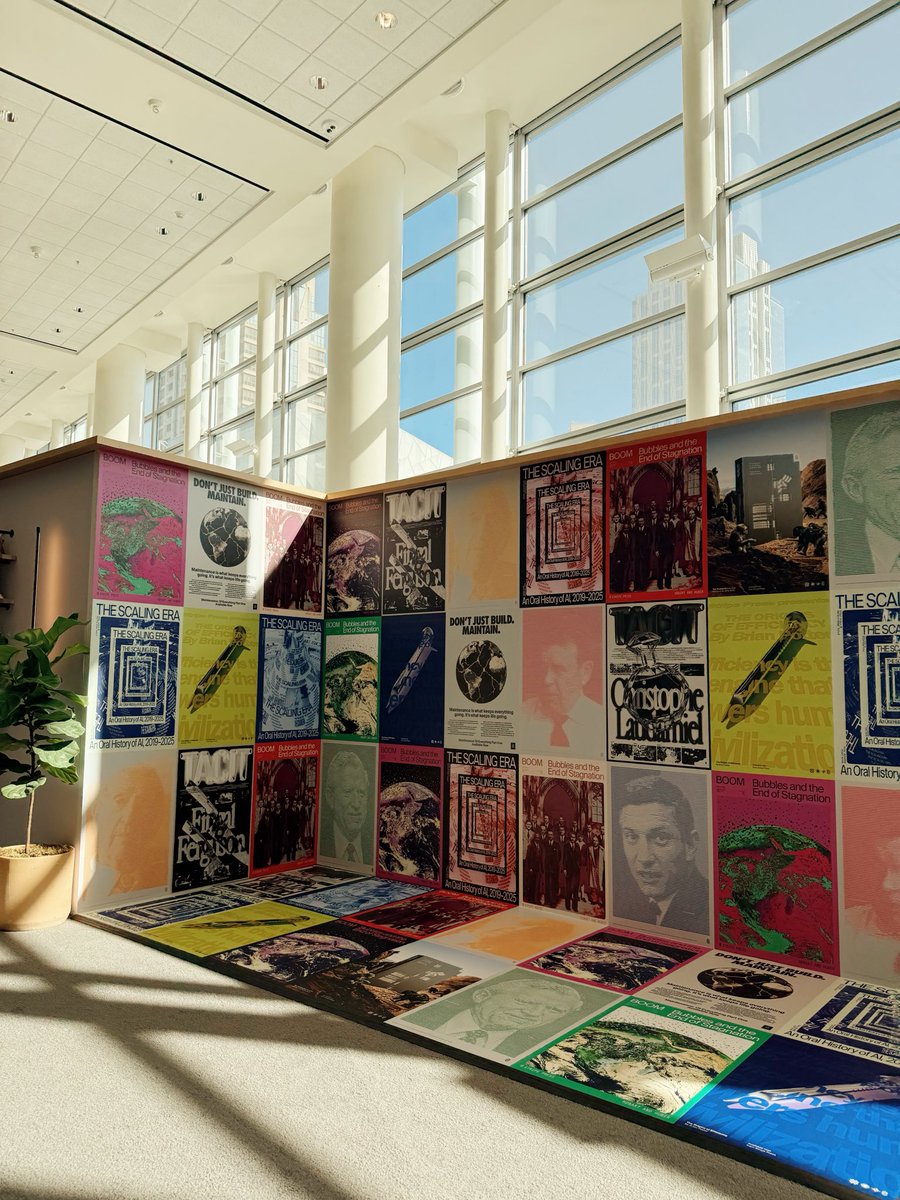
Maintenance is a reminder that innovation alone isn’t enough. Sustainable progress requires the patient, skilled, and often invisible work of caring for our tools, infrastructure, and communities. Something the world needs now more than ever.
This was such an honor to work on!
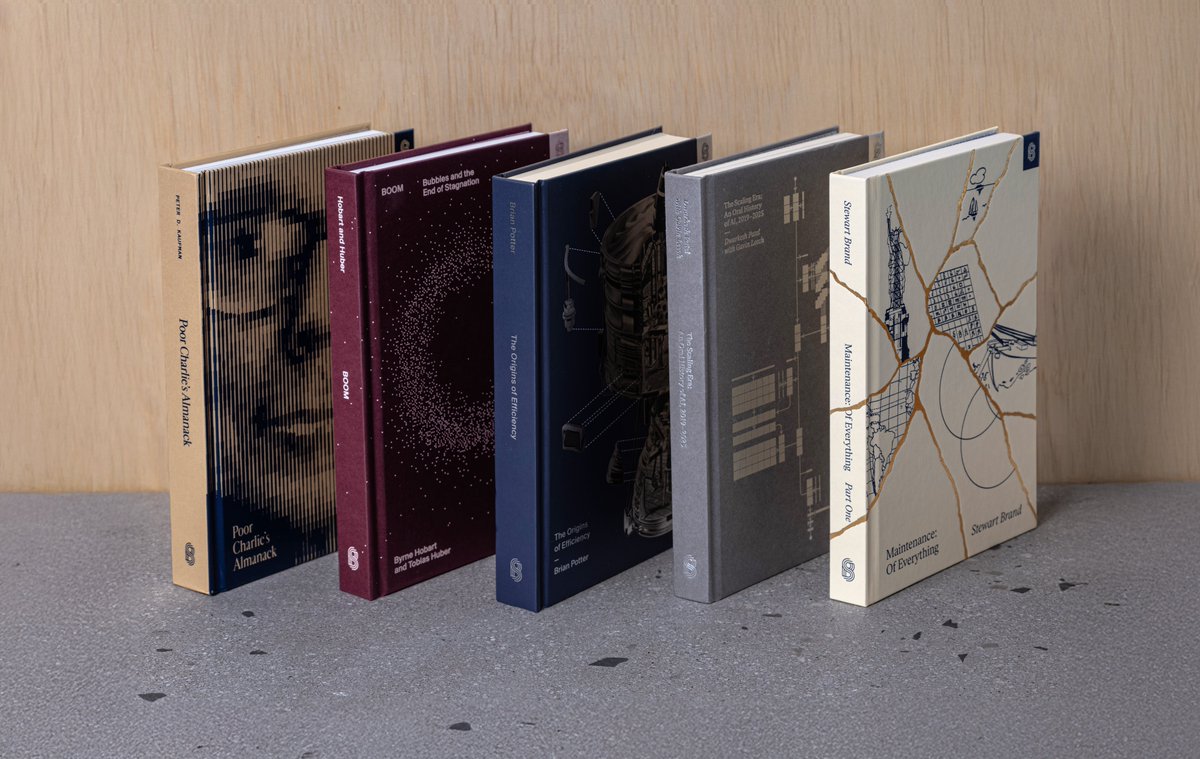
1/ Today @stripepress publishes one of my favorite books to date: Maintenance: Of Everything, Part One by @stewartbrand, about the unglamorous yet civilizationally important work of maintenance and repair.
https://t.co/XEE0fUHsVA
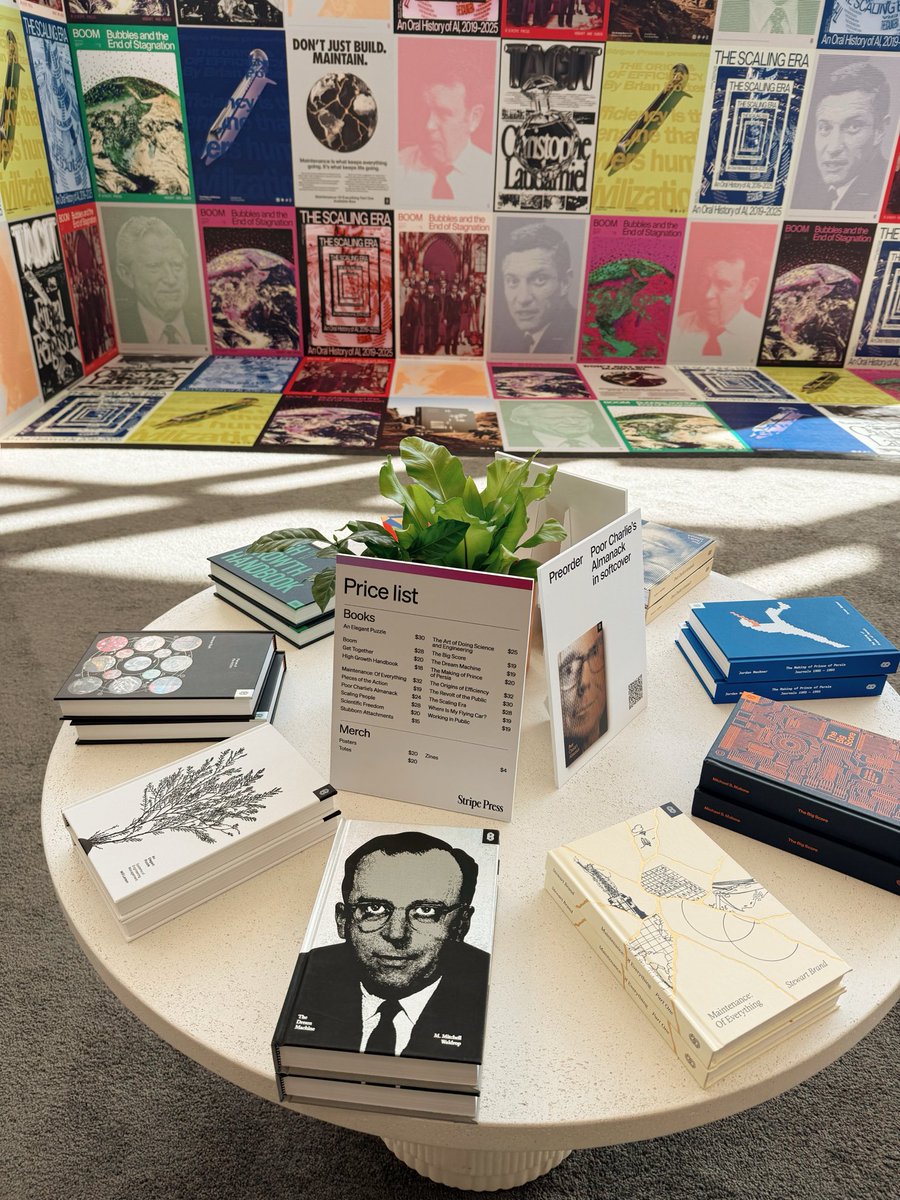
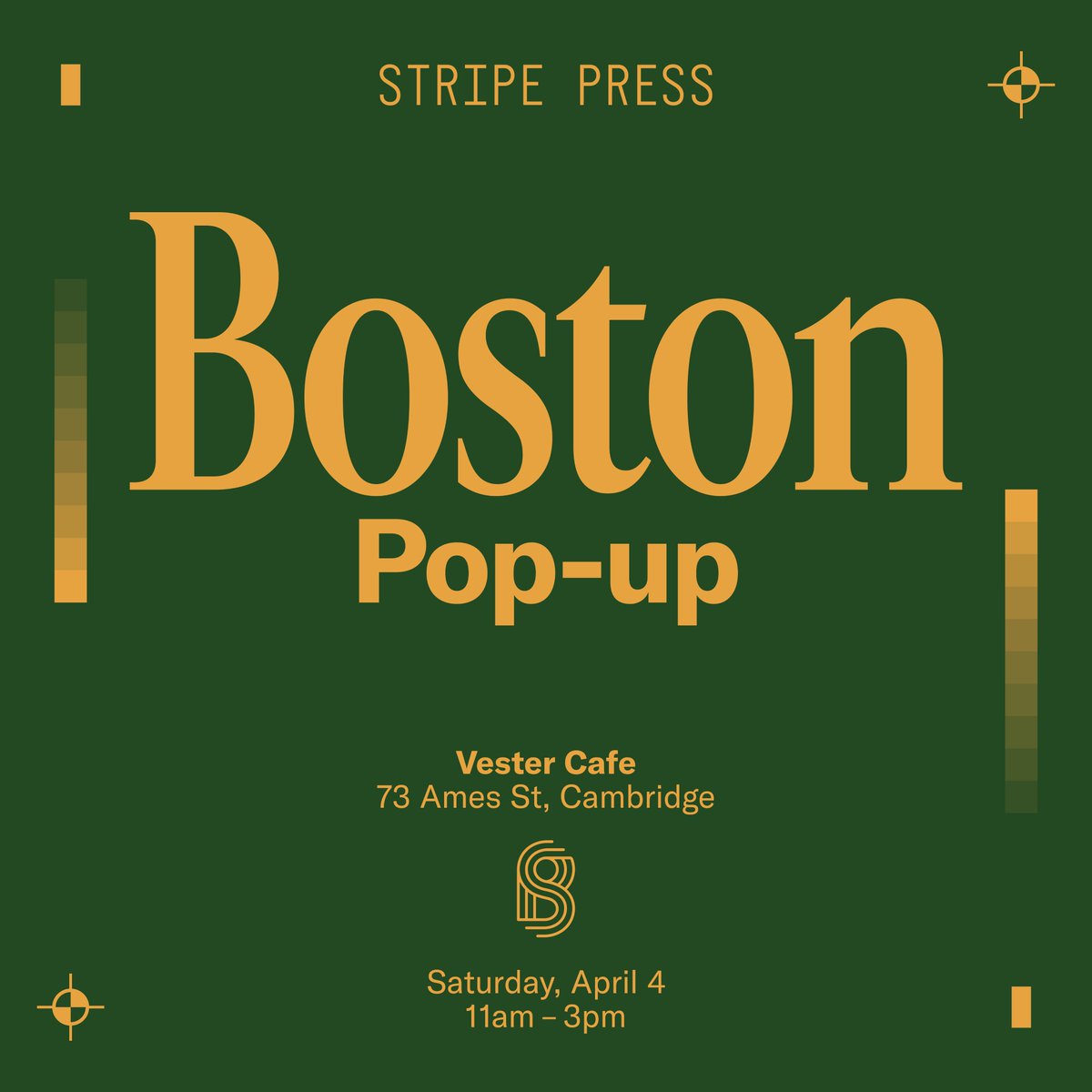
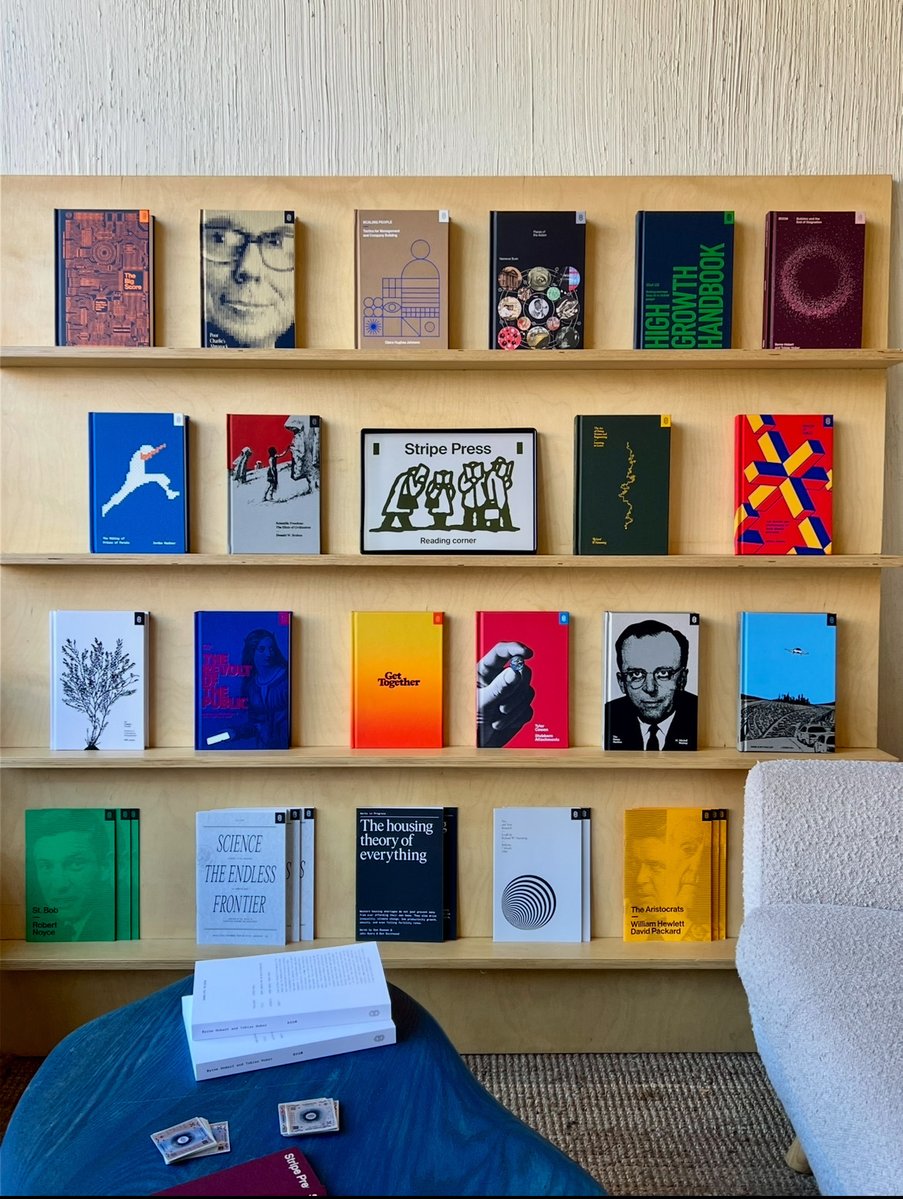
📚 We're *finally* coming to Boston! ☕
Stop by our pop-up at Vester Cafe on April 4th for coffee, the full Stripe Press catalog, and some limited-edition merch.
RSVP: https://t.co/FIRRivXOPI
It's actually 1.1 million now 🤭
But in all seriousness, I am so proud of the @stripepress team and our incredible stable of authors. It’s easy to be fatalistic about the state of publishing, but there *is* an audience for books—even ones that are challenging and technical.
We were inspired by pace layering, and by @stewartbrand, to make this website for his book Maintenance: Of Everything, Part One, out now on @stripepress
Cover evolution for Maintenance: Of Everything, Part One.
“The cover of the book honors the idea of Kintsugi, the Japanese art of basically repairing broken pottery with a kind of a gold glue. And so it not only fixes it, but it makes it more beautiful. And you honor the mistake that broke it, and you honor the repair . . . So Kintsugi is a way of kind of just honoring the fact that things do break. But nobody actually wants things to break.”
—@stewartbrand
Design @pablodelcan, Art direction @devinjacoviello
tacit knowledge is more important and valuable than ever before. it’s what sets us apart as humans, artists, and masters of craft.
check out @tamarawinter’s incredible work highlighting this silent force!
it was an honor to play a small role in this project 🥰
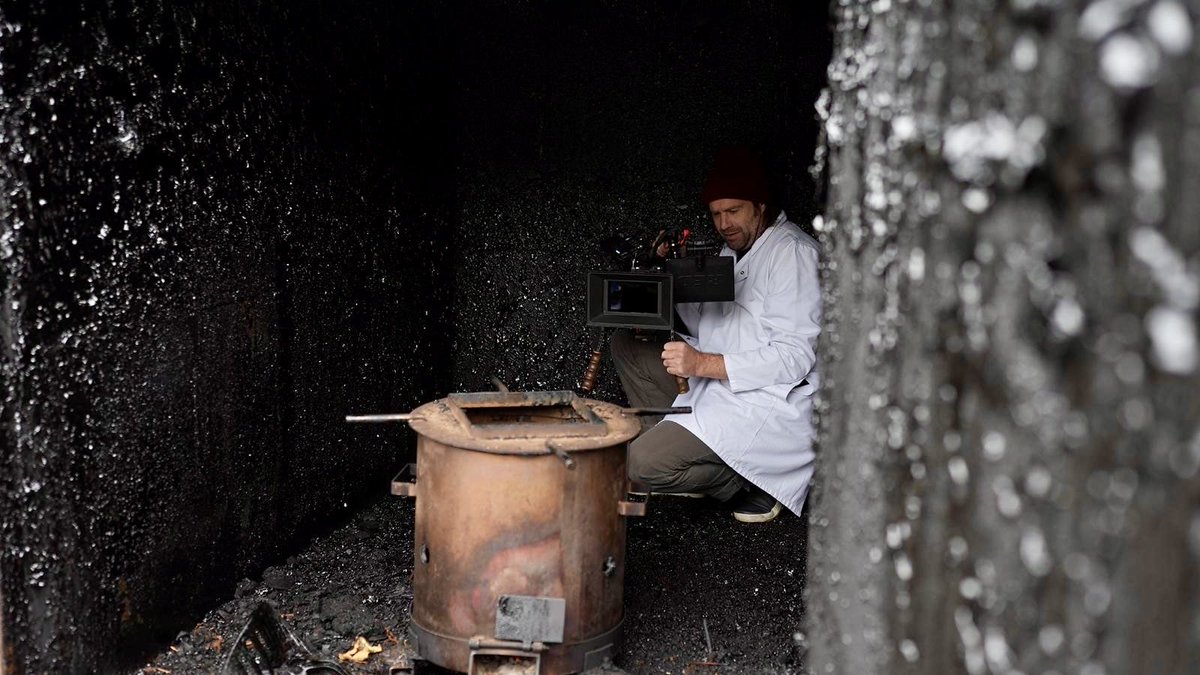
1/ Today @stripepress is releasing the first two mini-documentaries in a series we’re calling Tacit.
They’re vignettes of craftspeople who provide a pretty compelling answer to the question, “after AI, does mastery still matter?”
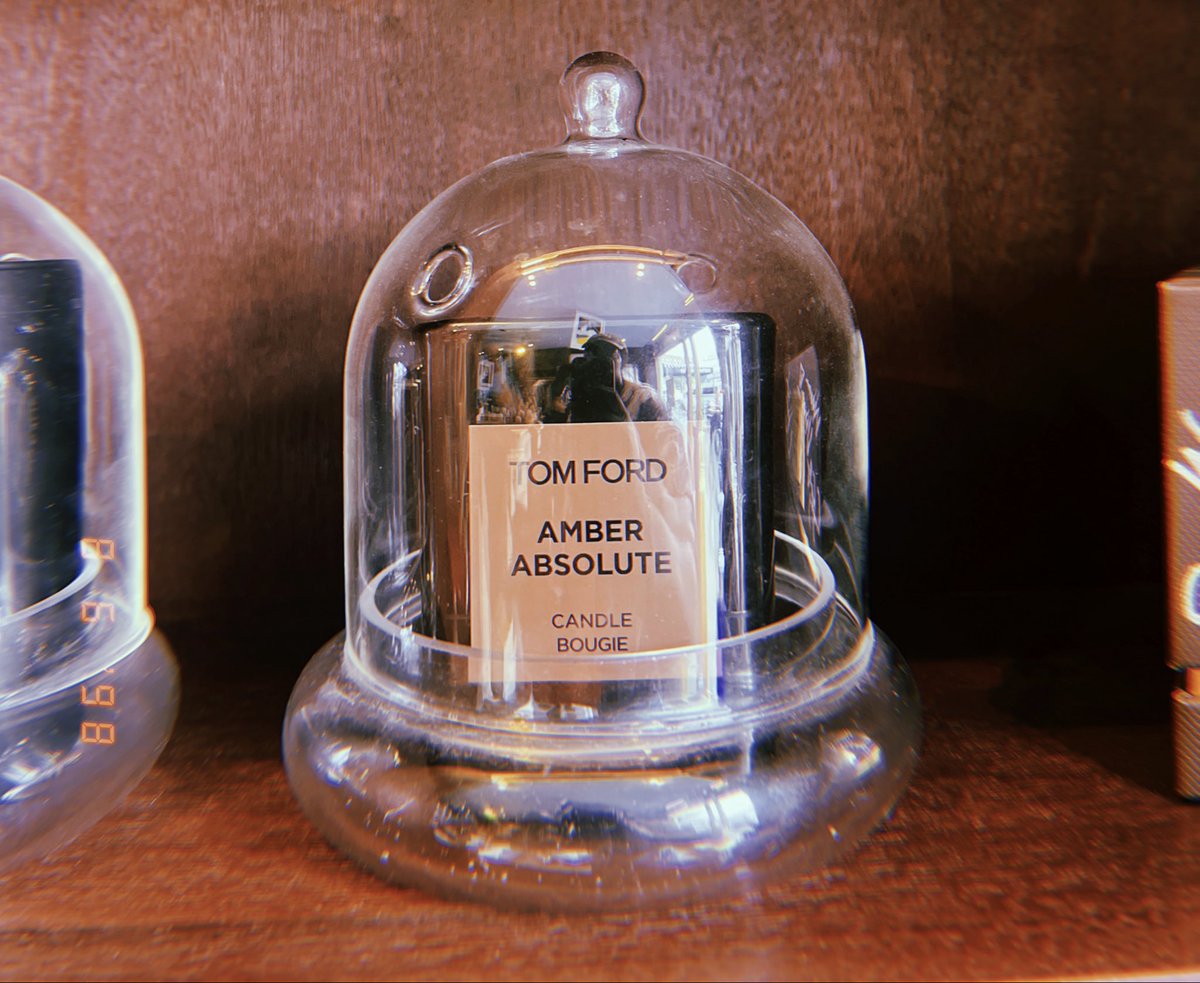
This episode features Christophe Laudamiel, master perfumer at Osmo. Christophe is the creator or co-creator of dozens of scents, most notably, Polo Blue by Ralph Lauren, Abercrombie Fierce, and Tom Ford Amber Absolute.
We spent a week with Christophe, following him from his office, to his home (which too, looks suspiciously like an office), observing him as he built fragrances essentially from scratch, isolated problematic notes (TIL: certain fragrance notes, when put together, can produce an unfortunate ‘wet dog’ smell), and even discovered new molecules.
Christophe is an archetype of individual we’re obsessed with: *he’s* obsessed with mastery for its own sake. For the past 30 years he’s been at the forefront of perfumery, and now he wonders if and how computers can augment his craft.
very cool to see Maintenance: of Everything by @stewartbrand being printed
not many people know that to make 3d books for the @stripepress website, we first have to print thousands of copies irl
May or not not be the right time to say this, but I’m currently working on two mini-documentaries for @stripepress: one about a farmer-turned-knife-maker, and one about a master perfumer, as our answer to this question.
Yes, mastery matters, and maybe now more than ever.
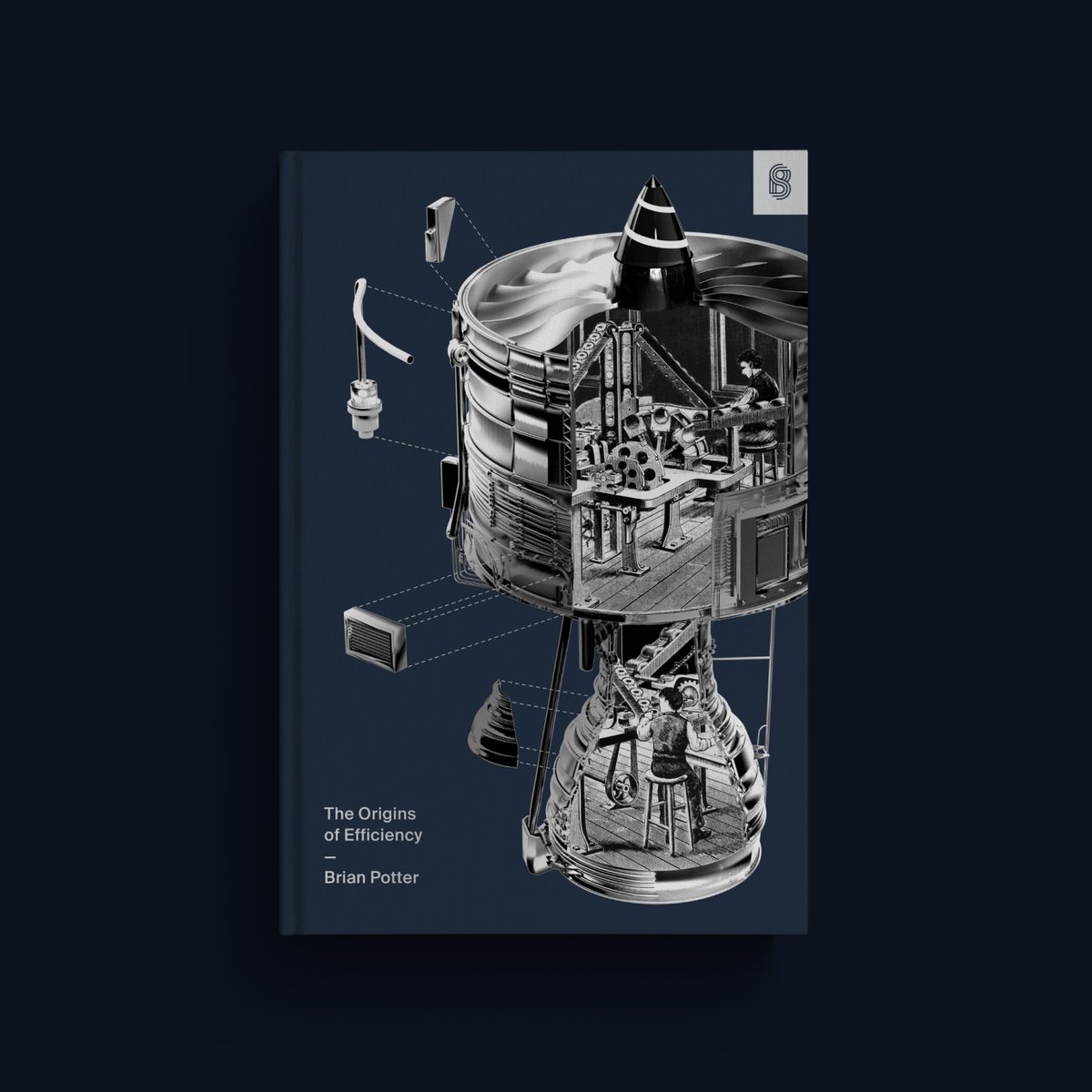
Cover evolution for The Origins of Efficiency:
“We explored a wide range of options inspired by examples that @_brianpotter highlights in the book: light bulbs, nails, printing presses, and more,” says @pablodelcan. “Each built on the theme of transformation, showing how processes that were once slow and labor-intensive evolved into modern feats of precision.
We wanted to celebrate the history of manufacturing while also showing how far we’ve come. The final cover contrasts the complexity of an Airbus jet engine with the raw mechanical rhythm of a 19th-century canning factory. The juxtaposition emphasizes the progression of human ingenuity.”
https://t.co/Dl7UbWxcBB
@_brianpotter brilliantly unpacks how seemingly invisible shifts can turn breakthrough discoveries into everyday realities. a reminder that behind every affordable product is a complex story of process, scale, and relentless improvement.
Out now: https://t.co/YSLdb2rsg8
200 years on from the Industrial Revolution, we still struggle to understand what makes a production process more efficient.
The Origins of Efficiency fills in that gap.
Examining industries from steel to semiconductors to auto manufacturing, @_brianpotter reveals how production processes work and how they become faster, cheaper, and more reliable over time.
Evolution of the Scaling Era cover:
“It’s hard to find unique ways of visualizing AI without defaulting to the obvious,” says @pablodelcan.
“In our design process, we experimented with unexpected metaphors—flowers growing out of neural networks, abstract mathematical puzzles like the Knight’s Tour—before arriving at a graphic visualization of an LLM: input, transformers, attention, multilayer perceptrons, and output. The result is a cover that is both direct and sculptural.”
https://t.co/au8g0XJZ3f