Postdoc at Maastro Lab, Maastricht University 🇳🇱 | How cancer cells switch identity | Organoids, plasticity & signalling | Previously TUM 🇩🇪 & UMC Utrecht
This tutorial also marks the end of my NWO Rubicon fellowship at @TU_Muenchen. I've now joined the Maastro Lab at Maastricht University, where I'm looking forward to putting these approaches to work to tackle new biological questions!
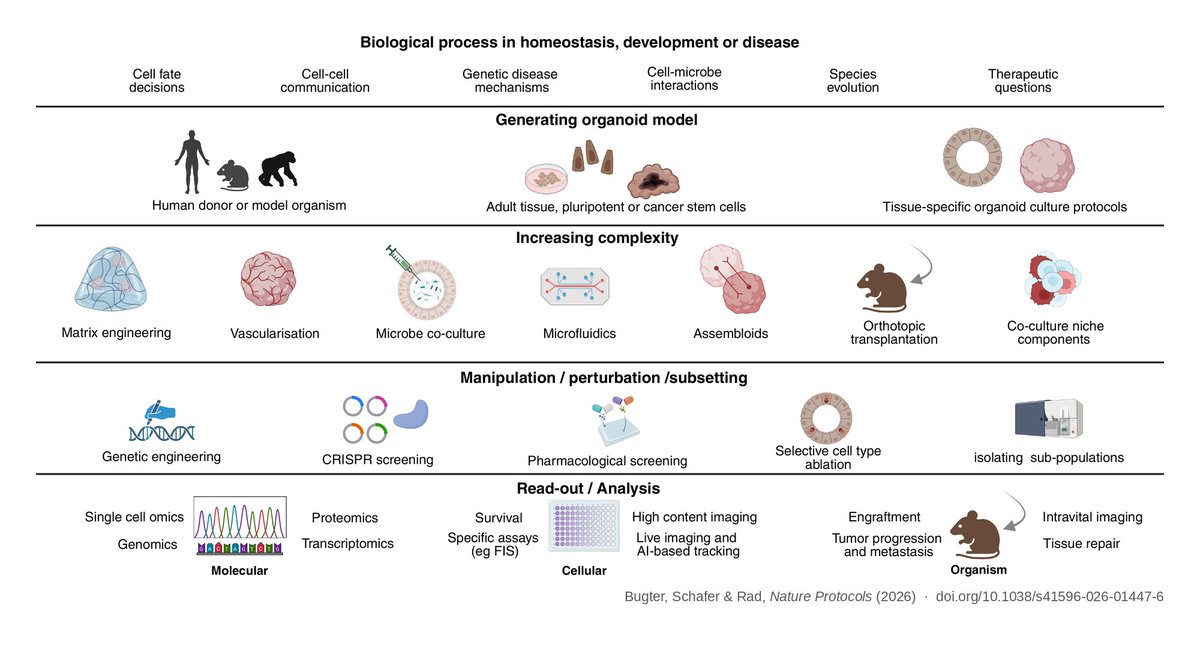
You've established your organoid system. Now what?
Our new Tutorial in @NatureProtocols, with Simon Schafer & Roland Rad, is about that next step: matching your biological question to the right technique and protocol 🧫
Four boxes tackle what often goes wrong in practice: growth factor requirements, CRISPR screening in organoids, building isogenic models and pitfalls in drug screening.
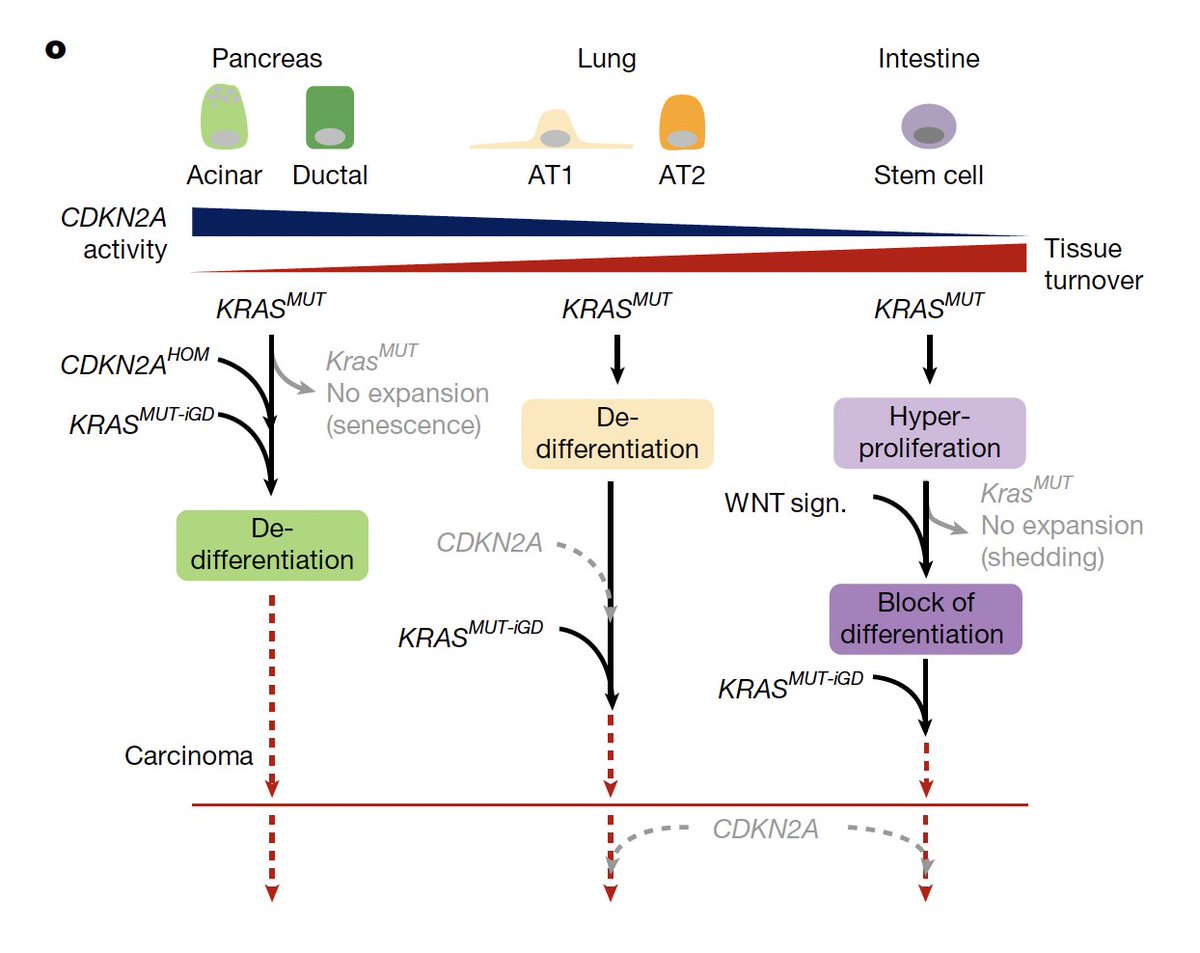
Our work is now published in @Nature.
We introduce the Mouse Cancer Cell Line Atlas (MCCA) and reveal deterministic, tissue-specific rules of KRAS-driven cancer evolution.
Huge thanks to the entire team & collaborators.
https://t.co/vjiwCcHnQl
Great work by Michaela below 👇, discovery of an important new player in oncogenic WNT signaling and potential therapeutic target in APC mutant CRC. Happy to have contributed a tiny part to solving this puzzle 🧩
🥳I am beyond to finally share the story of my PhD out now: USP10 drives cancer stemness and enables super-competitor signalling in colorectal cancer https://t.co/Rsut9zmUq2 Lets have a little look what we found: 🧵1/11
Looking for PhD students/postdocs for my newly opened lab at the Institute of Human Biology of #Roche in Basel. We work on human lung, liver and gut #organoids. Send email + CV + motivation letter to [email protected] with header #IHB https://t.co/5Ki03fy4NH
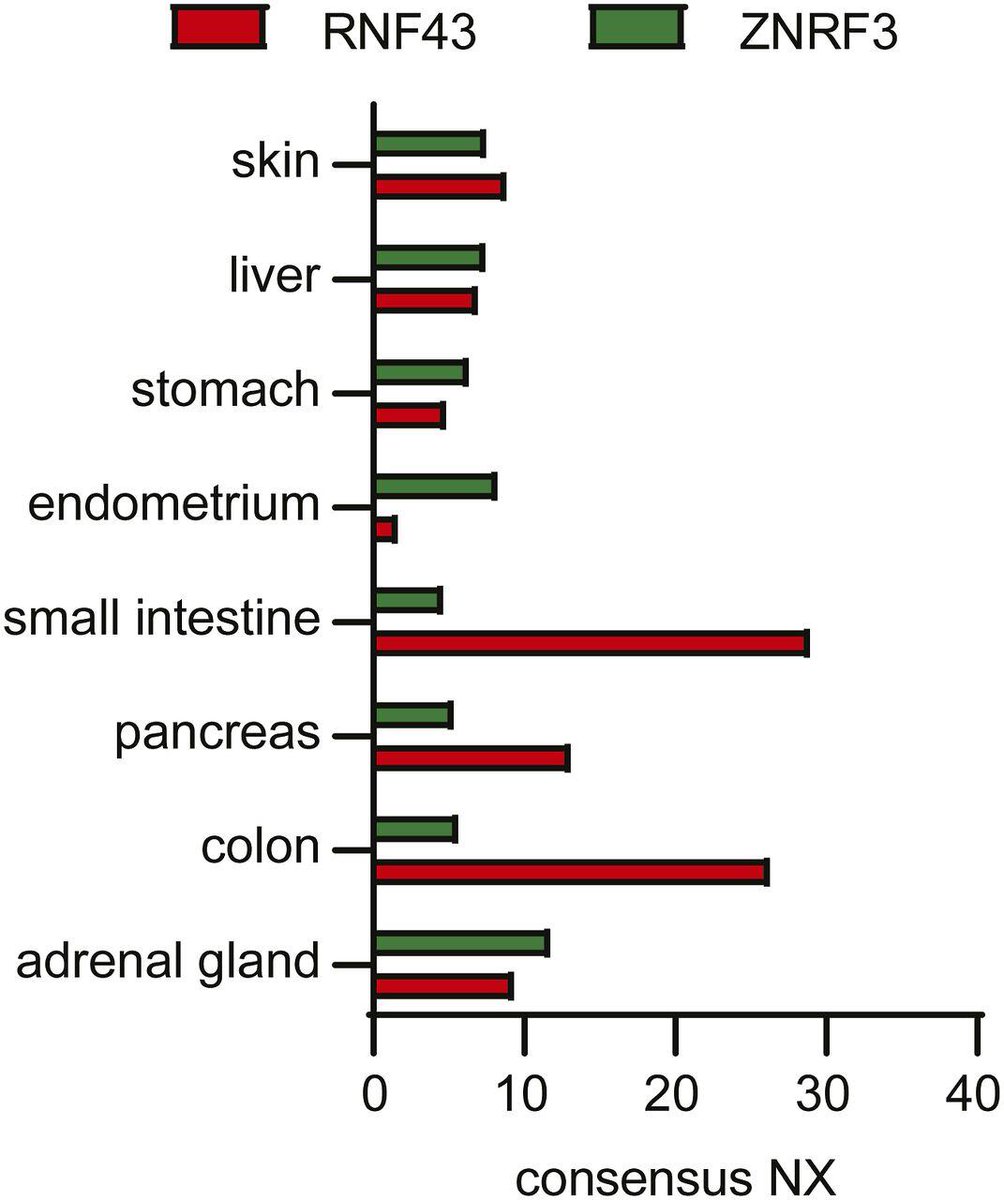
Transmembrane E3 ligases RNF43 and ZNRF3 selectively target specific Frizzled receptors to suppress WNT signaling, offering an explanation for the cancer tissue-specific distribution of RNF43 and ZNRF3 mutations @MadelonMaurice@JeroenBugter @UMCU_CMM https://t.co/IX87qT3mHW
Our paper exploring the different mechanism and selectivity of Frizzled regulation by the presumed paralog tumor suppressor genes RNF43 and ZNRF3 has been published! No time to read? I tried to summarize the main message in a one minute video 👇
Transmembrane E3 ligases RNF43 and ZNRF3 selectively target specific Frizzled receptors to suppress WNT signaling, offering an explanation for the cancer tissue-specific distribution of RNF43 and ZNRF3 mutations @MadelonMaurice@JeroenBugter @UMCU_CMM https://t.co/WFgn2YQ6KB
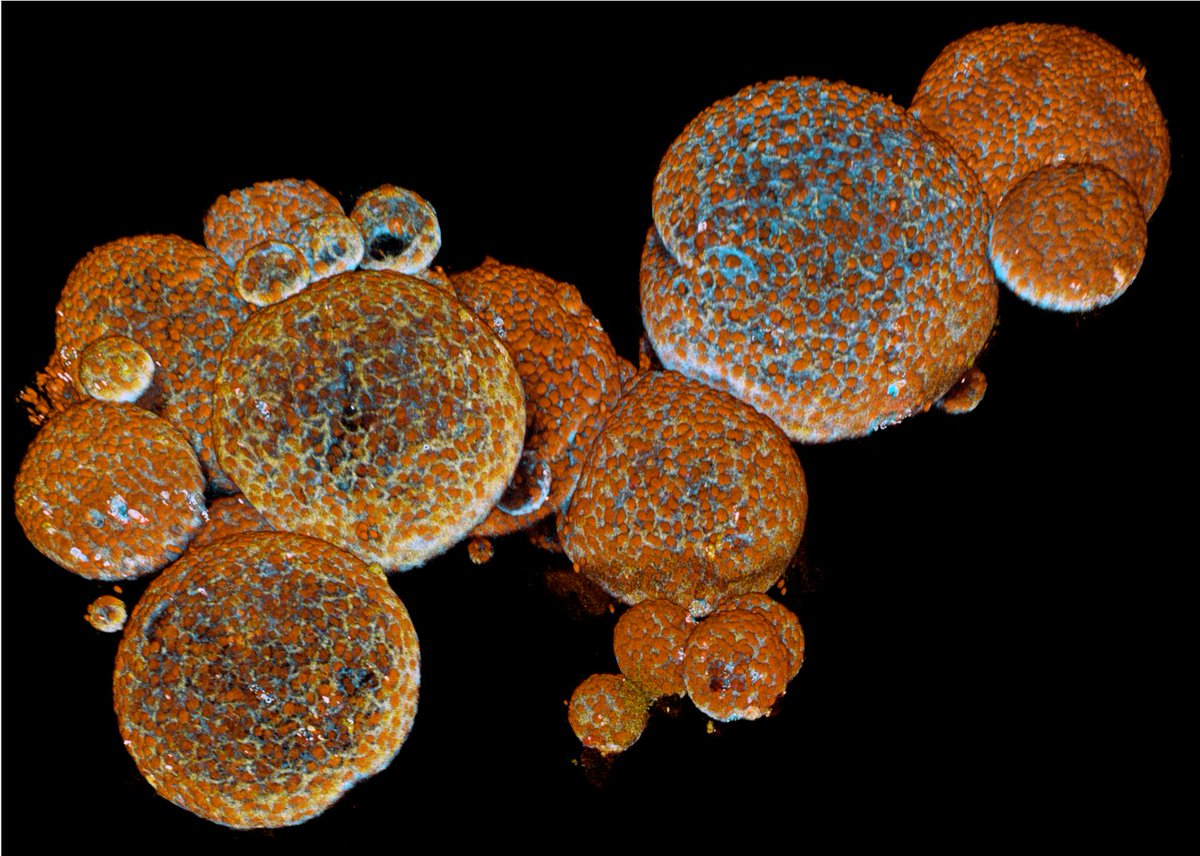
Imagine growing a miniature version of the human intestine in the lab to study gut biology in great detail and test medicines before clinical trials? We are happy to share our latest publication on bioengineered human mini-intestines: https://t.co/0AvDkk9R3S Let’s dive in!