If you are a recent data science/biostats or epidemiology PhD graduate or postdoc with interests in sex and gender difference in dementia, and want to come and join Karolinska Institutet in beautiful Stockholm, please get in touch and apply! 🇸🇪🧠
https://t.co/DbX1IBLTsd
Gong et al. report that plasma proteins NEFL, RPS6KB1, and MMP12 are linked to future dementia risk; machine learning boosts prediction, highlighting early biomarker potential. Please read at: https://t.co/yJpPOU1eE6 @JessicaYGong@ELSA_Study
🚨New study: Blood proteins linked to dementia risk
ELSA & UK Biobank data reveal key biomarkers:
📌NEFL & RPS6KB1 linked to dementia
📌MMP12 linked to vascular dementia
📌Possible sex differences in risk
Read the full story: https://t.co/GV57QvJDzE
#Dementia#Ageing
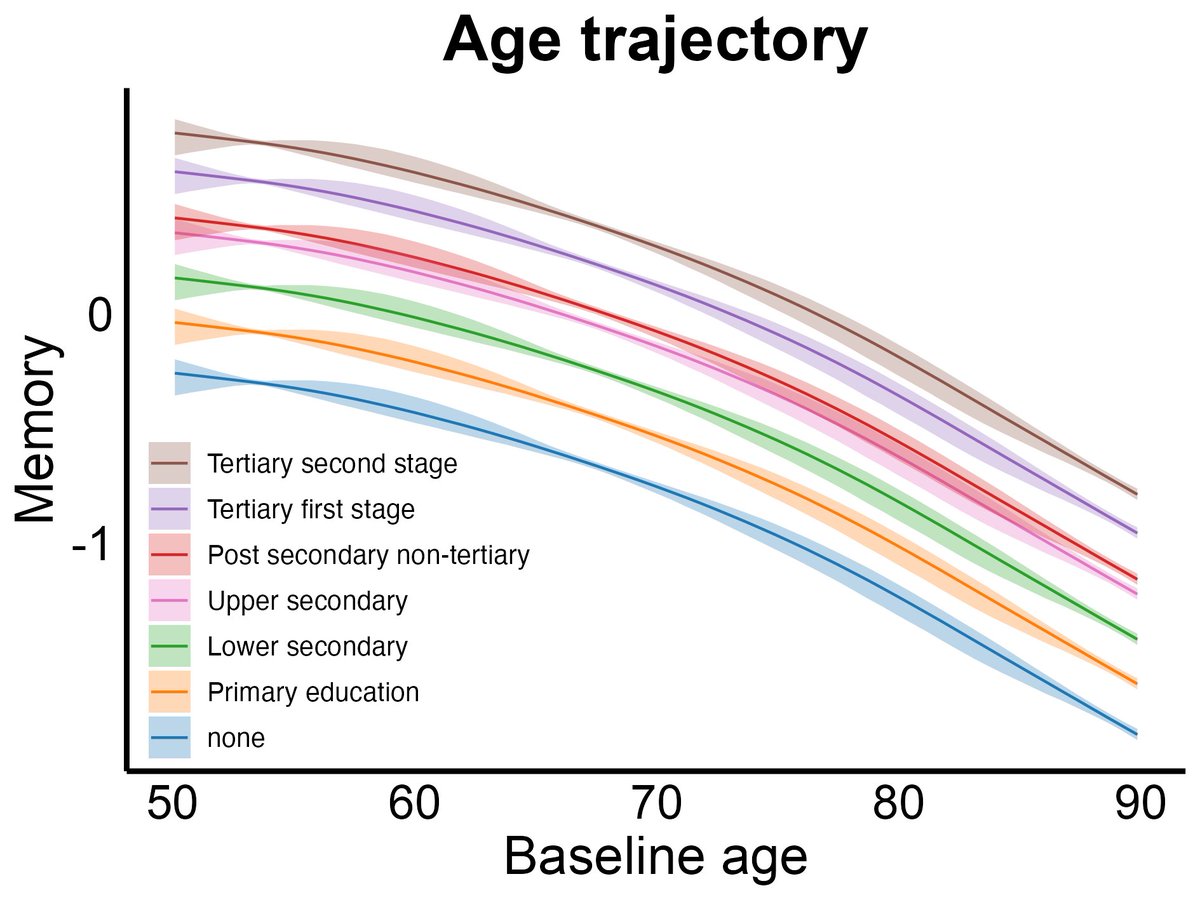
Preprint: Using 400k memory tests & 15k brain MRIs, we find no evidence that education enhances cognitive reserve. Edu linearly related to better mem, but not less brain or cogn decline, or more tolerance to atrophy 🧵@LCBC_UiO@LifebrainEU @UiO_LifeSci
https://t.co/uzYgZ8AF4R
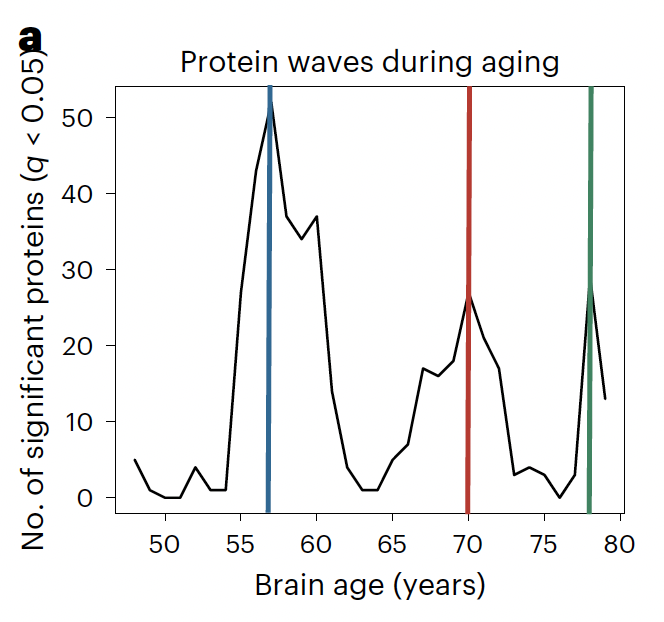
Plasma proteins and brain aging.
New @NatureAging
Assessment of ~3,000 proteins in ~11, 000 @uk_biobank participants w/ over 11,000 MRI phenotypes
1. Brain aging is non-linear, with protein waves at ages 57, 70 and 78
This will be HUGE!
@oxfordnanopore and @uk_biobank to create world’s first epigenetic dataset targeting the causes of cancer, dementia, complex disease https://t.co/2NIjyuSMjt
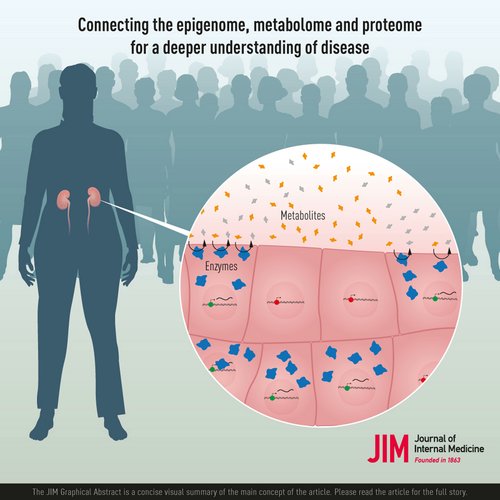
Learn more about DNA #methylation with #metabolomics and #proteomics here:
https://t.co/BoDGnZncle
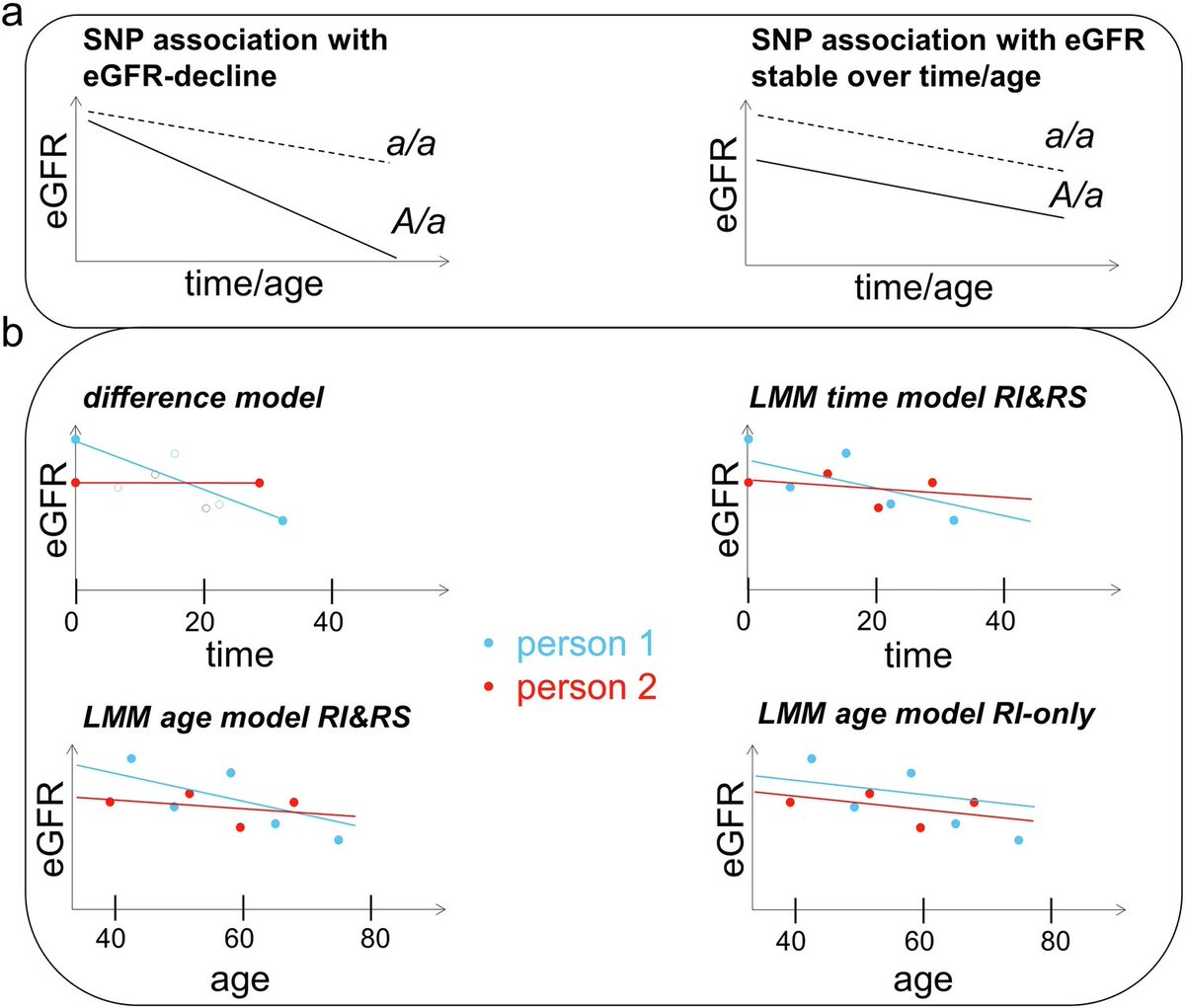
GWAS is typically run for cross-sectional traits and not longitudinal trait trajectories📈🧬
👉New paper describes an application of linear mixed models for longGWAS of eGFR decline
👉Modeling function of age with random slopes & intercepts was statistically advantageous
link👇
Excited to share my book chapter on aspects of sex and gender in disease, grateful for it being the opening chapter for the Handbook of the Behavior and Psychology of disease. ⚖️
https://t.co/MDnoKrvaE4
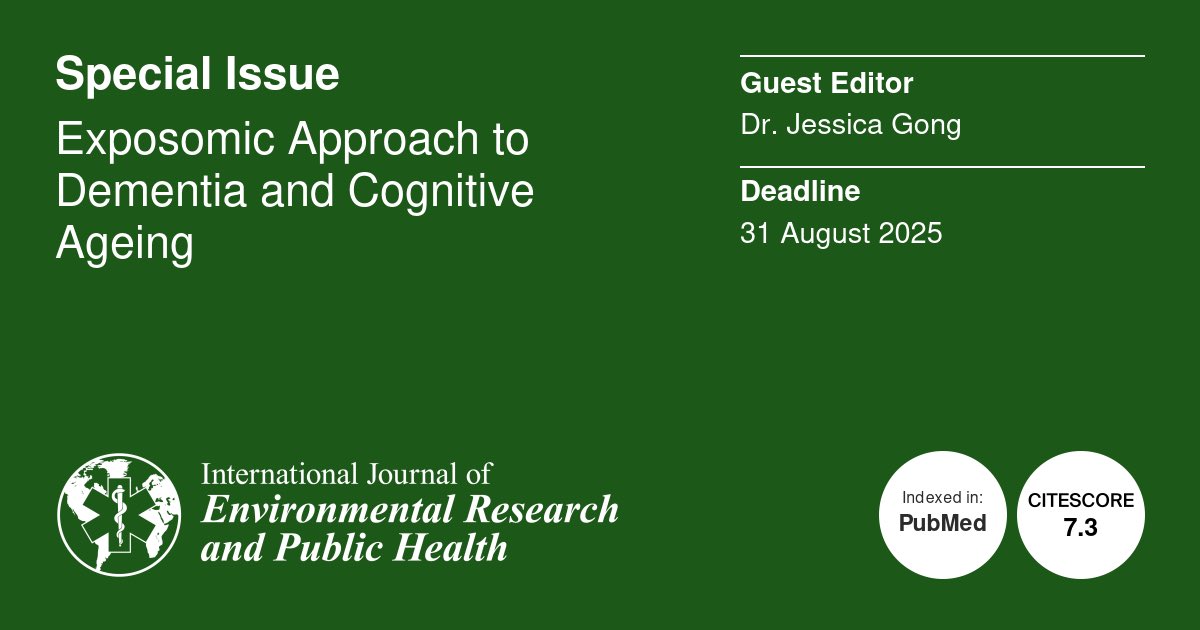
I am guest-editing a Special Issue for the International Journal of Environmental Research and Public Health!
https://t.co/Mx0PBLjCHy
We welcome research to deepen our understanding of the environmental impact on dementia and cognitive ageing. 🌏🧠
Submit by August 31, 2025.
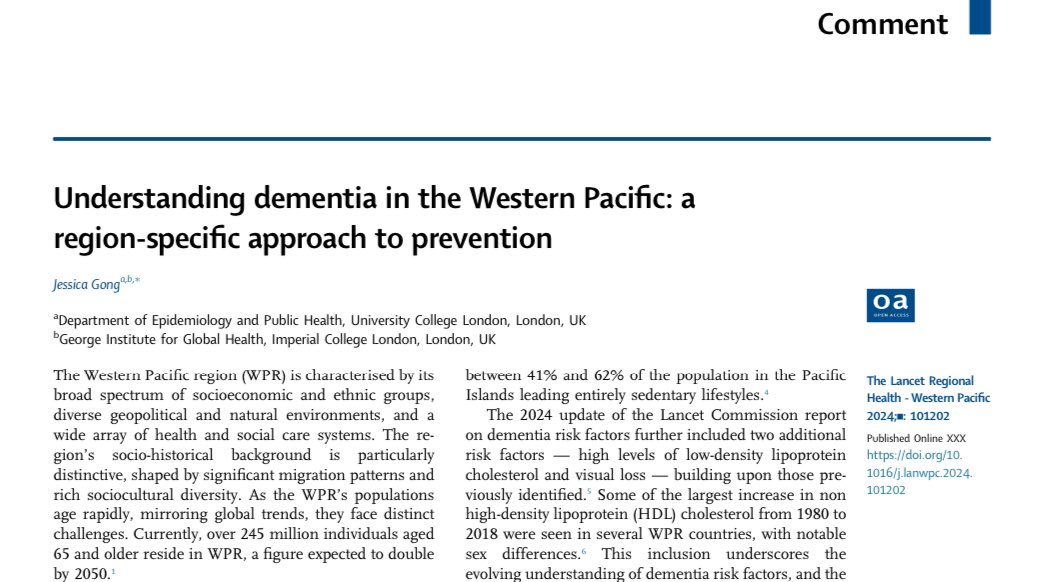
New Comment: Understanding dementia in the Western Pacific: a region-specific approach to prevention
Read the full article here: https://t.co/bmlZXnAMK7
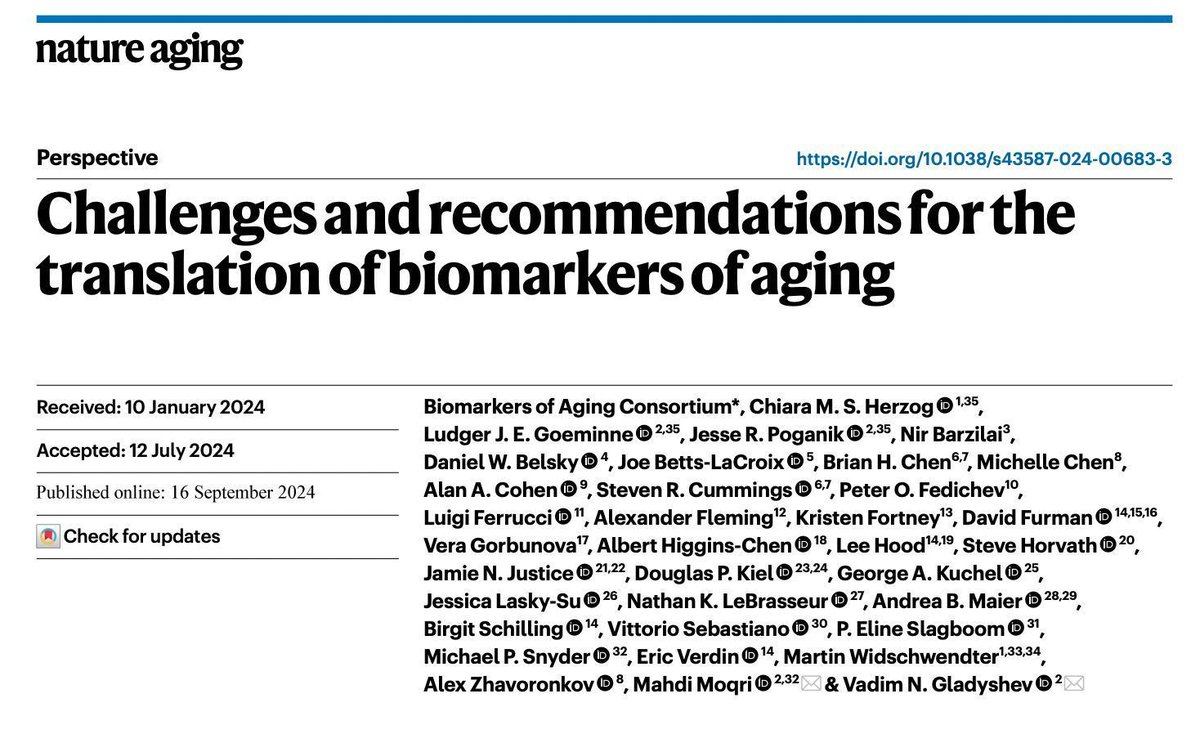
🧵 1/8 🎉 Our latest collaborative publication, "Challenges and recommendations for the translation of biomarkers of aging", has just been released in Nature Aging (@NatureAging). Biomarkers of aging predict biological age and its response to interventions but face challenges in clinical translation. Our study identifies six key barriers and provides strategies to overcome them.
Sharing my latest commentary “understanding dementia in the Western Pacific: a region-specific approach to prevention” on the Lancet Regional Health - Western Pacific! 🧠🌏
https://t.co/kiXCGrD9t4…
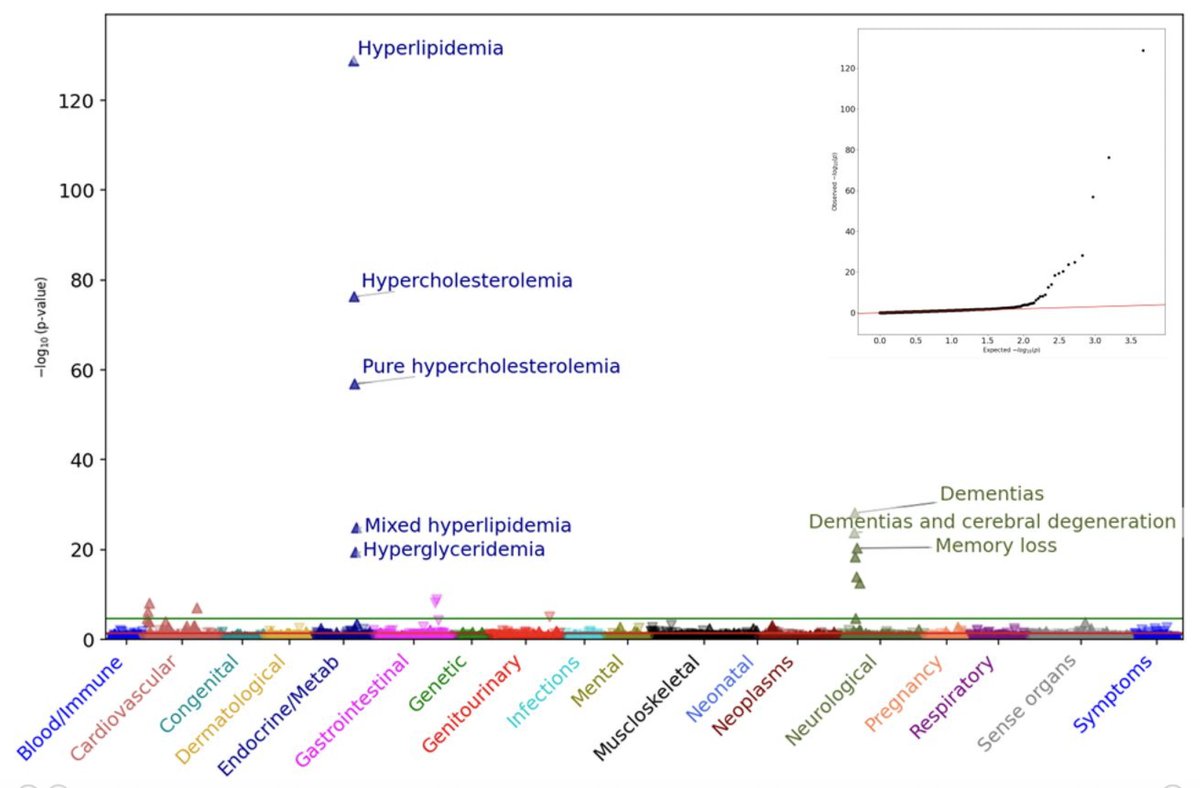
Phenome-wide association of APOE alleles across 2,318 EHR-derived phenotypes in 180k participants of the All of Us biobank.
Khajouei et al. medRxiv
https://t.co/h0bmHRNfHC
Women are more likely to develop dementia than men.
But why is this?
A study led by @JessicaYGong involving almost 30,000 people provides clues to the higher risk of the condition in women: https://t.co/dlEypRkZLQ
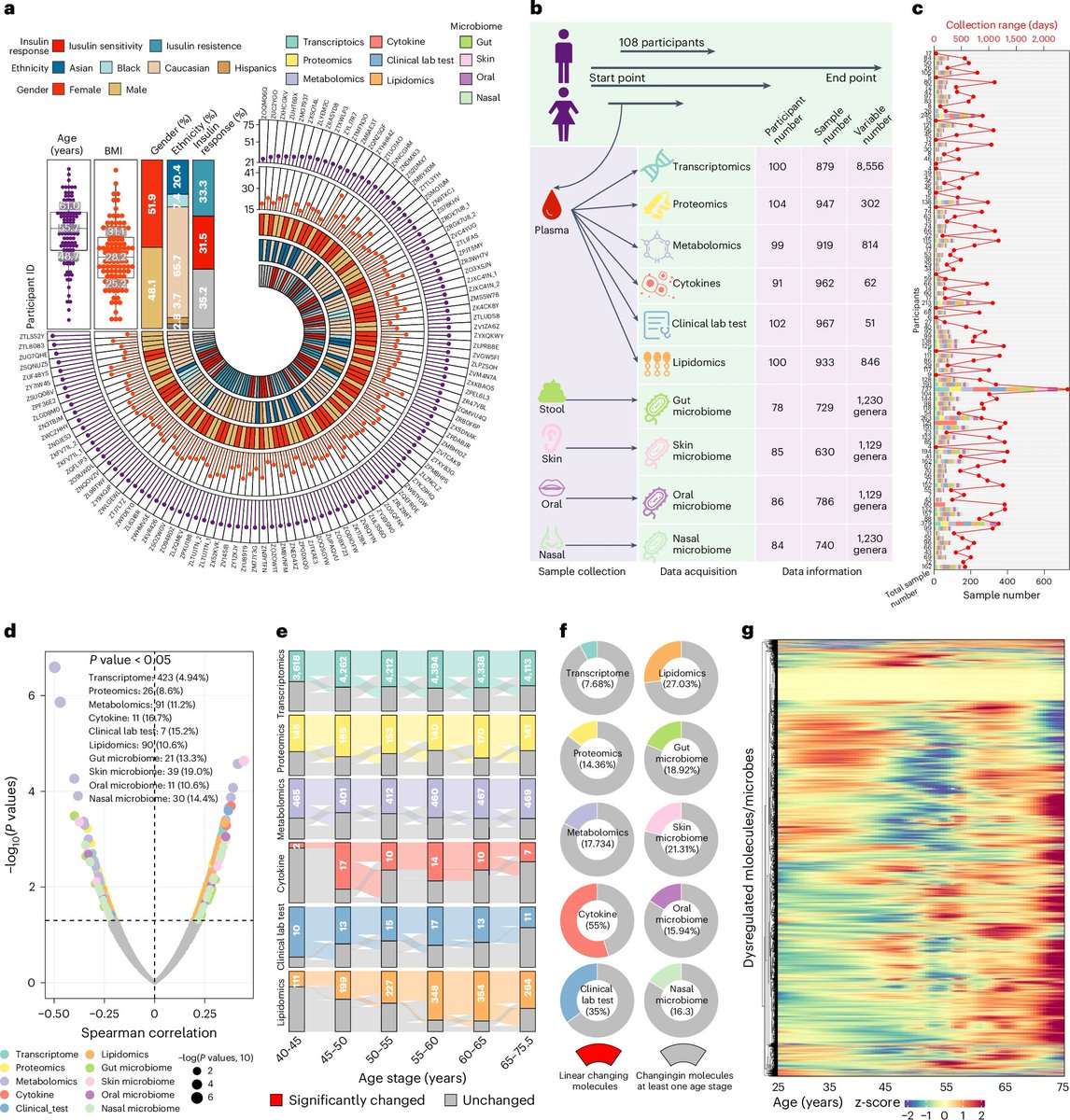
Most omics studies include single-time assessments and don't capture dynamic changes📈📉
A massive longitudinal multiomics analysis of 108 indviduals:
👉135,239 features
👉median 47 serial assessments over 1.7 y
👉246,507,456,400 total data points❗️
https://t.co/OXS5MLl0gj